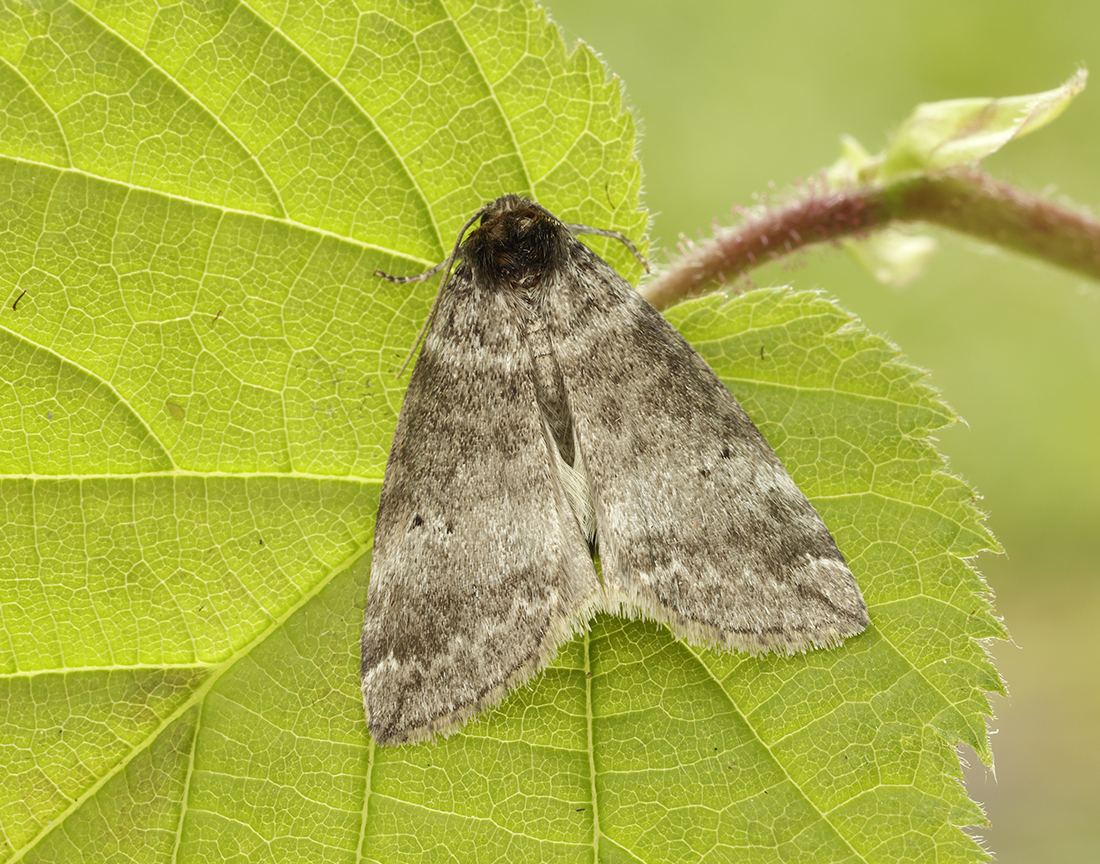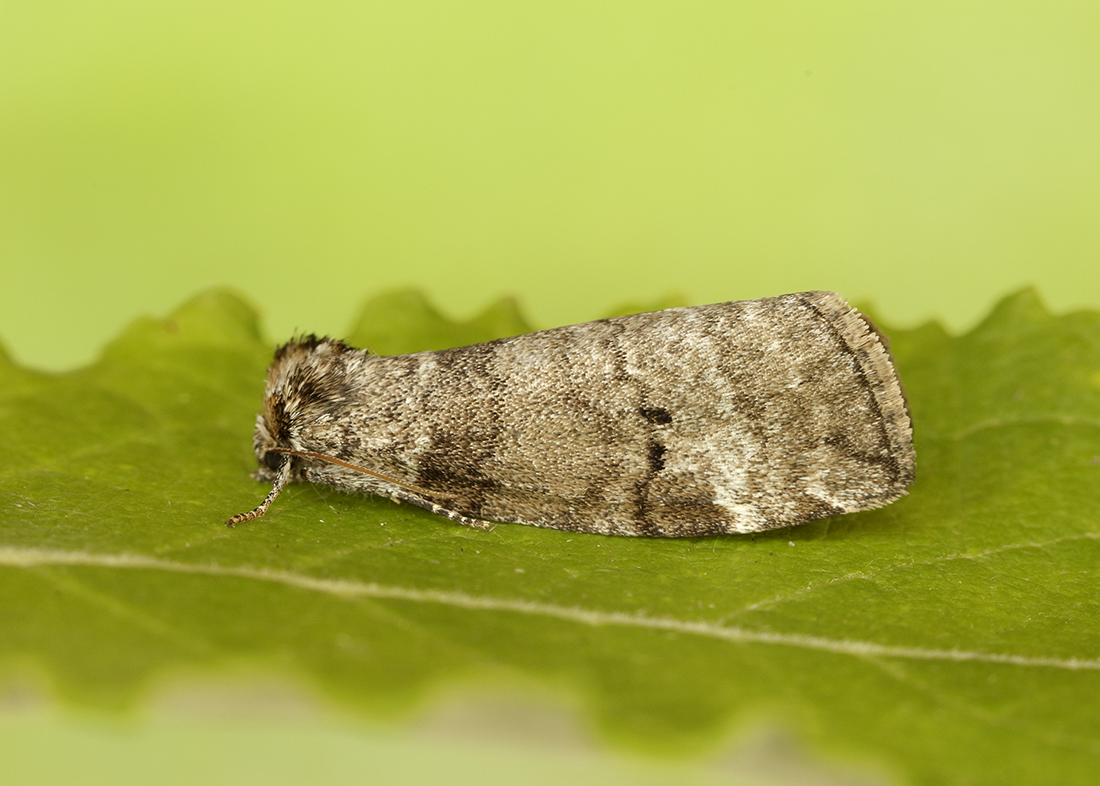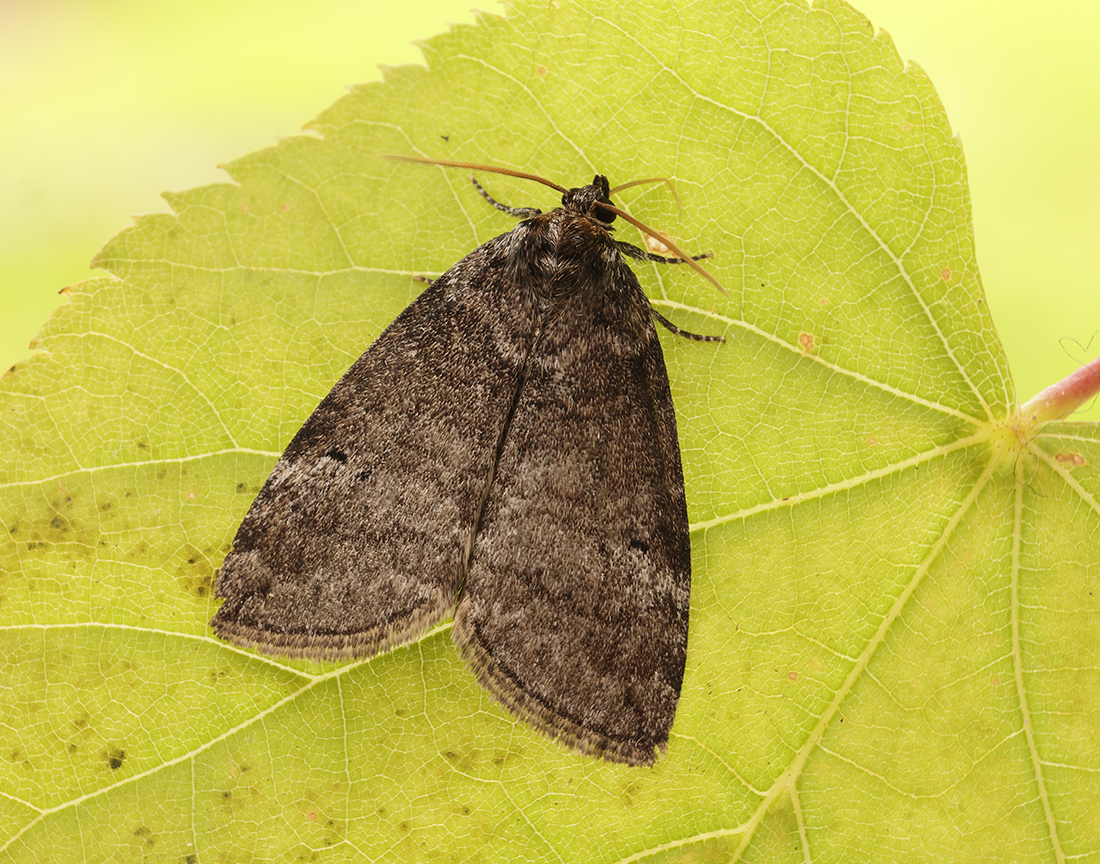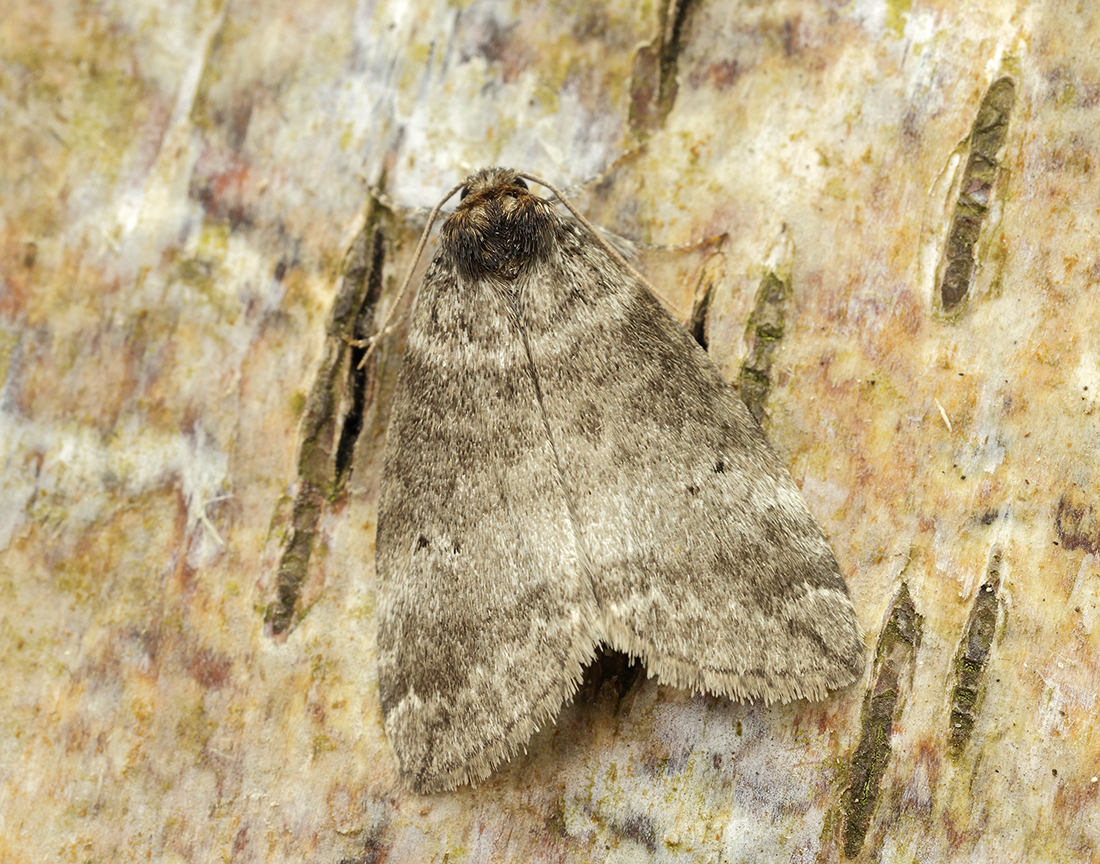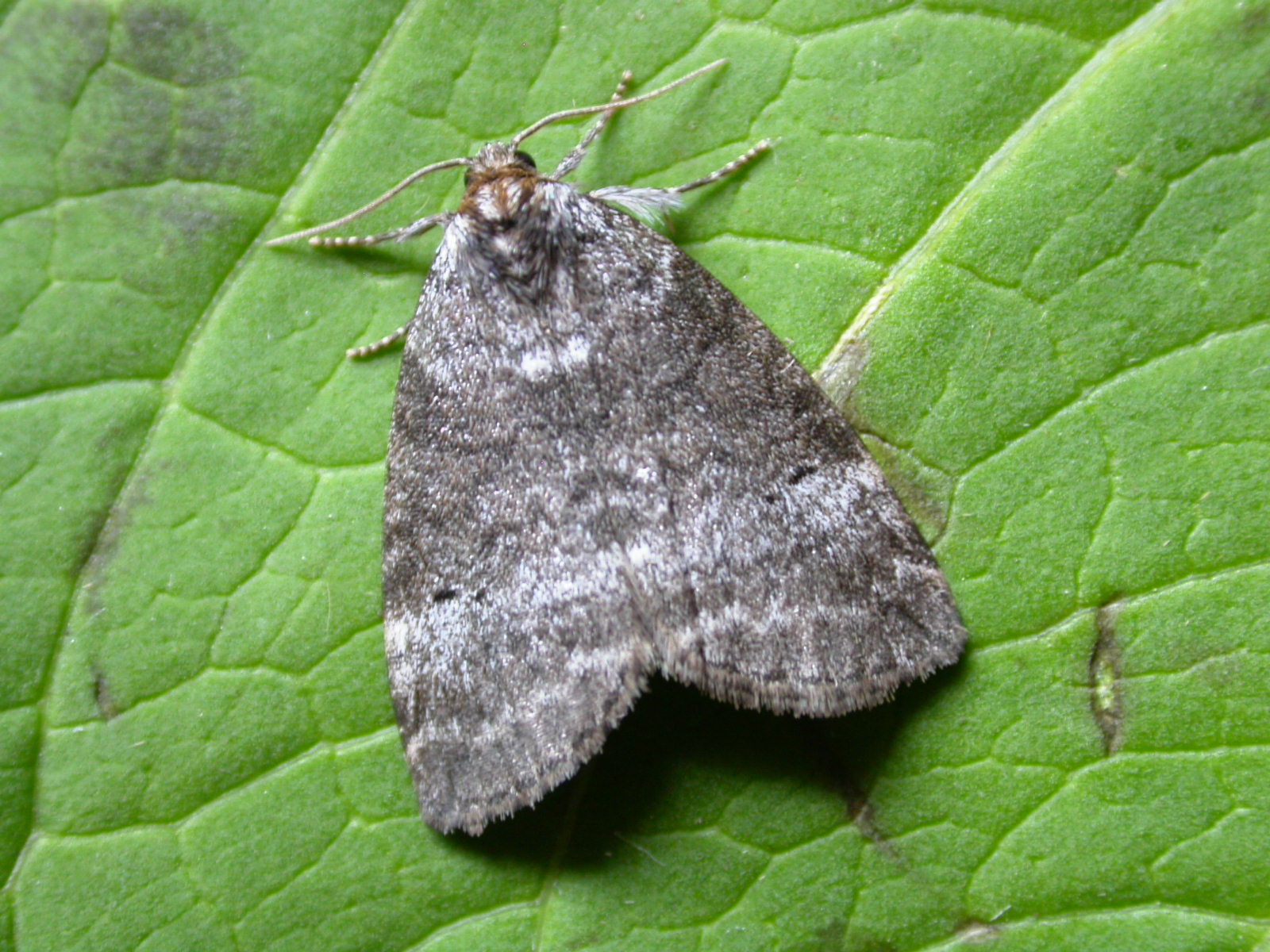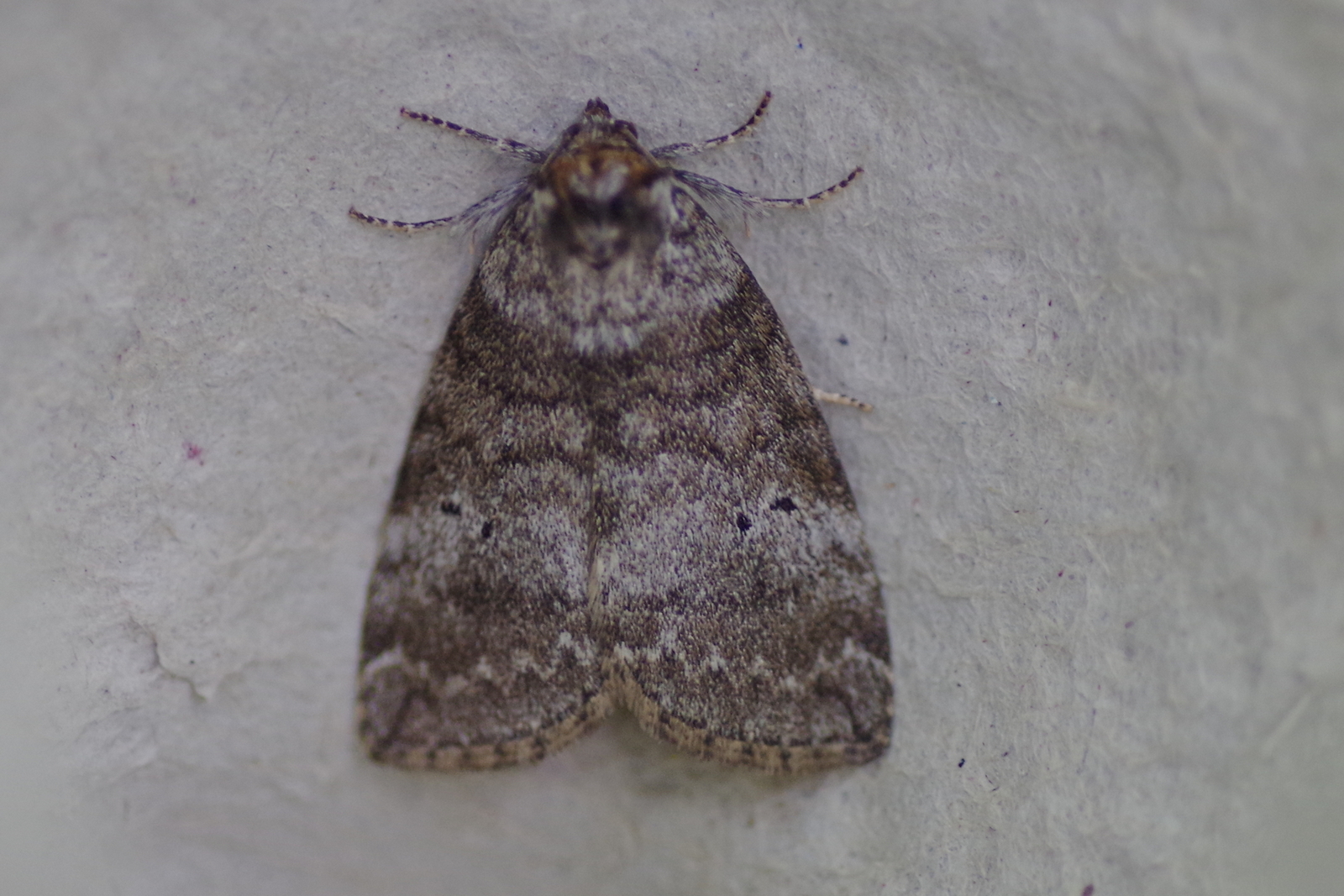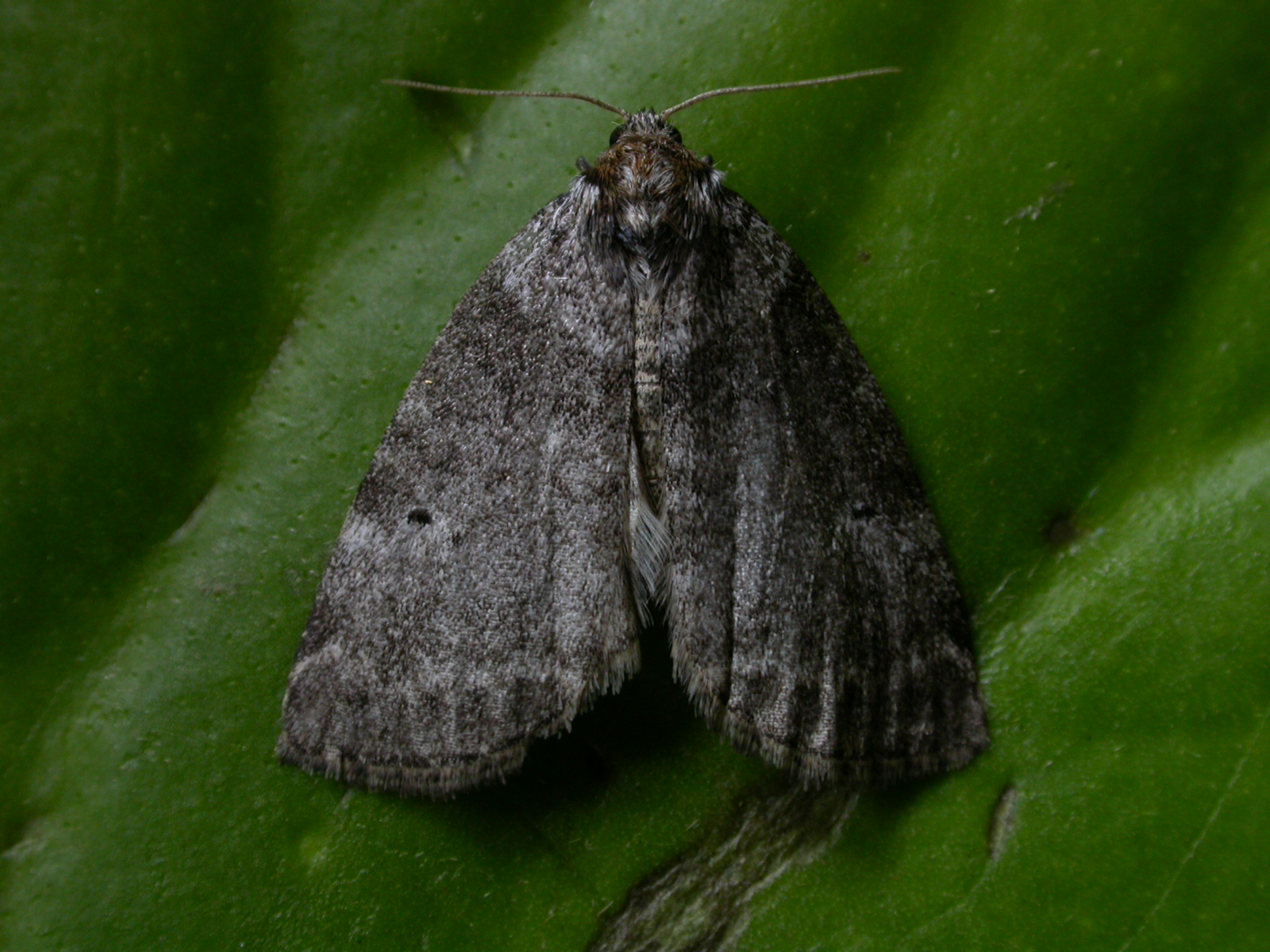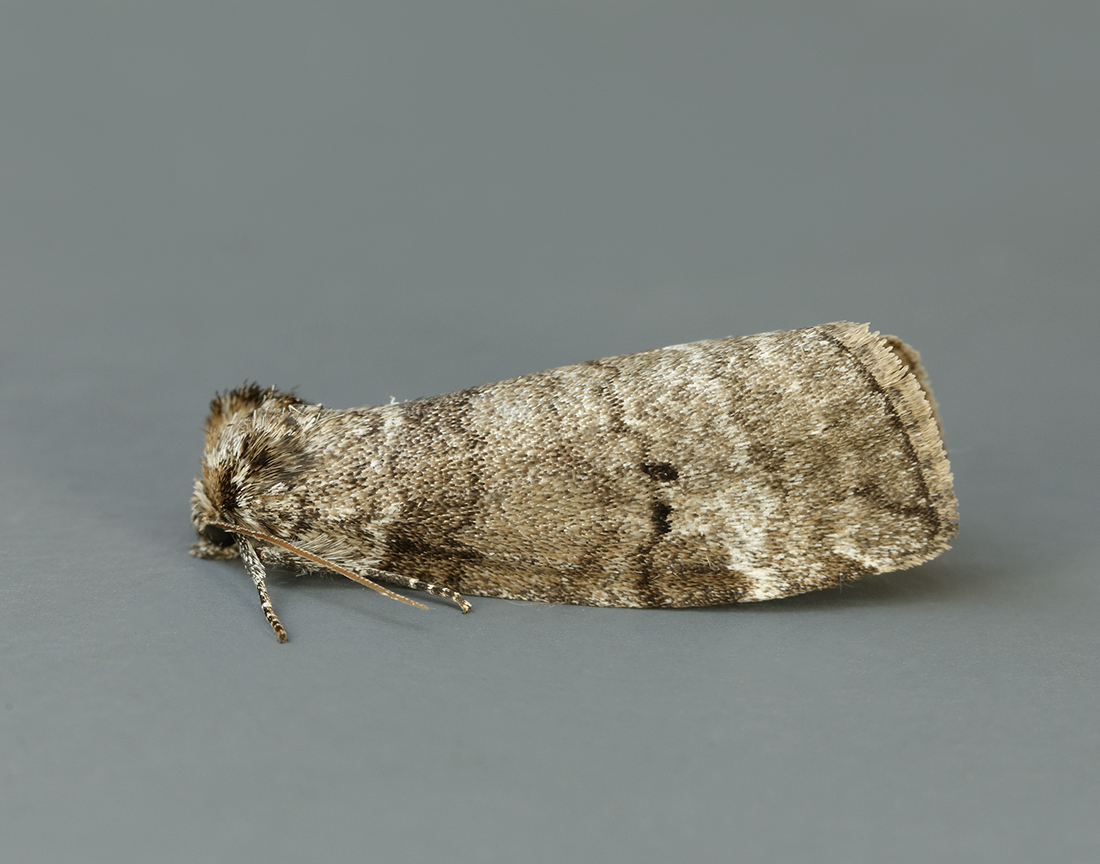

Red List: Least Concern (LC). GB Status: Common.
Identification
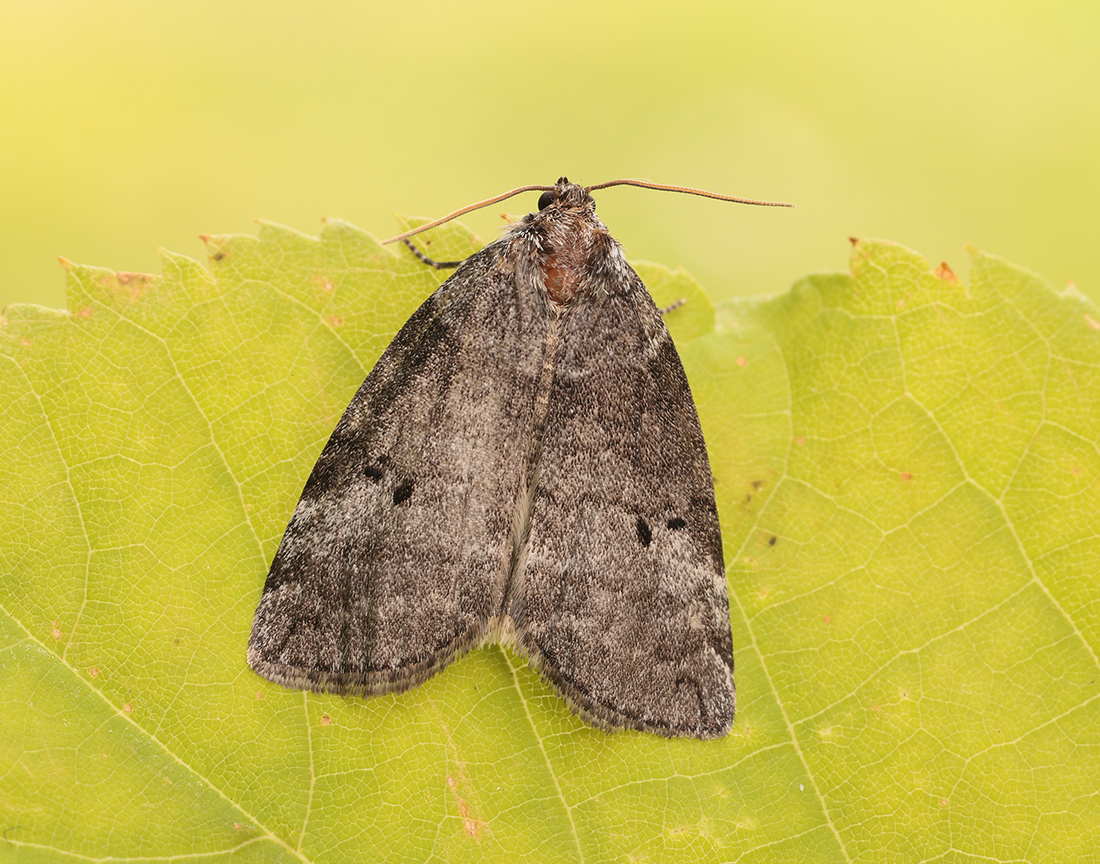
Usually distinctive.
Recording Method
Attracted to light.
Life cycle
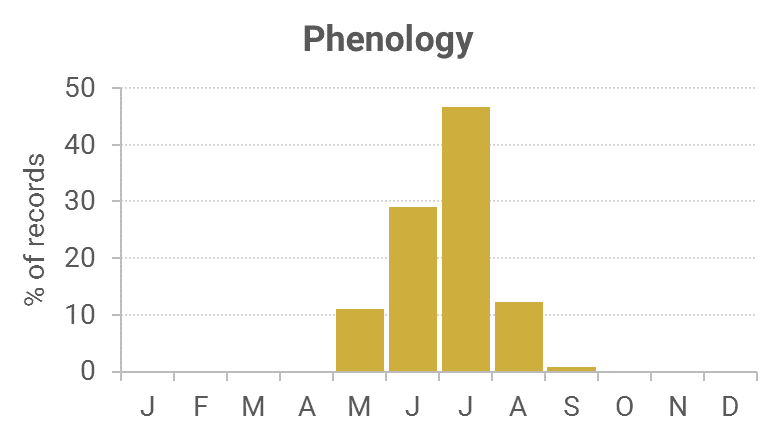
One generation. Larvae July to October. Overwinters as a pupa in a cocoon made between leaves of the foodplant, which naturally fall to the ground in the autumn.
Larval foodplants
Birches. Also reported to feed on Alder, Hazel and oaks.
Habitat
Woodland, scrub, hedgerows and gardens where the birch foodplants are present.
History
This birch loving moth is our commonest recorded lutestring. The first record was in June 1870 found by W. Douglas Robinson in a copse wood on Almorness (VC73). Gordon (1913) stated it to be “Frequent at sugar in woods, and at dusk flying along woodsides,” and gave his earliest date as 5th June 1897.
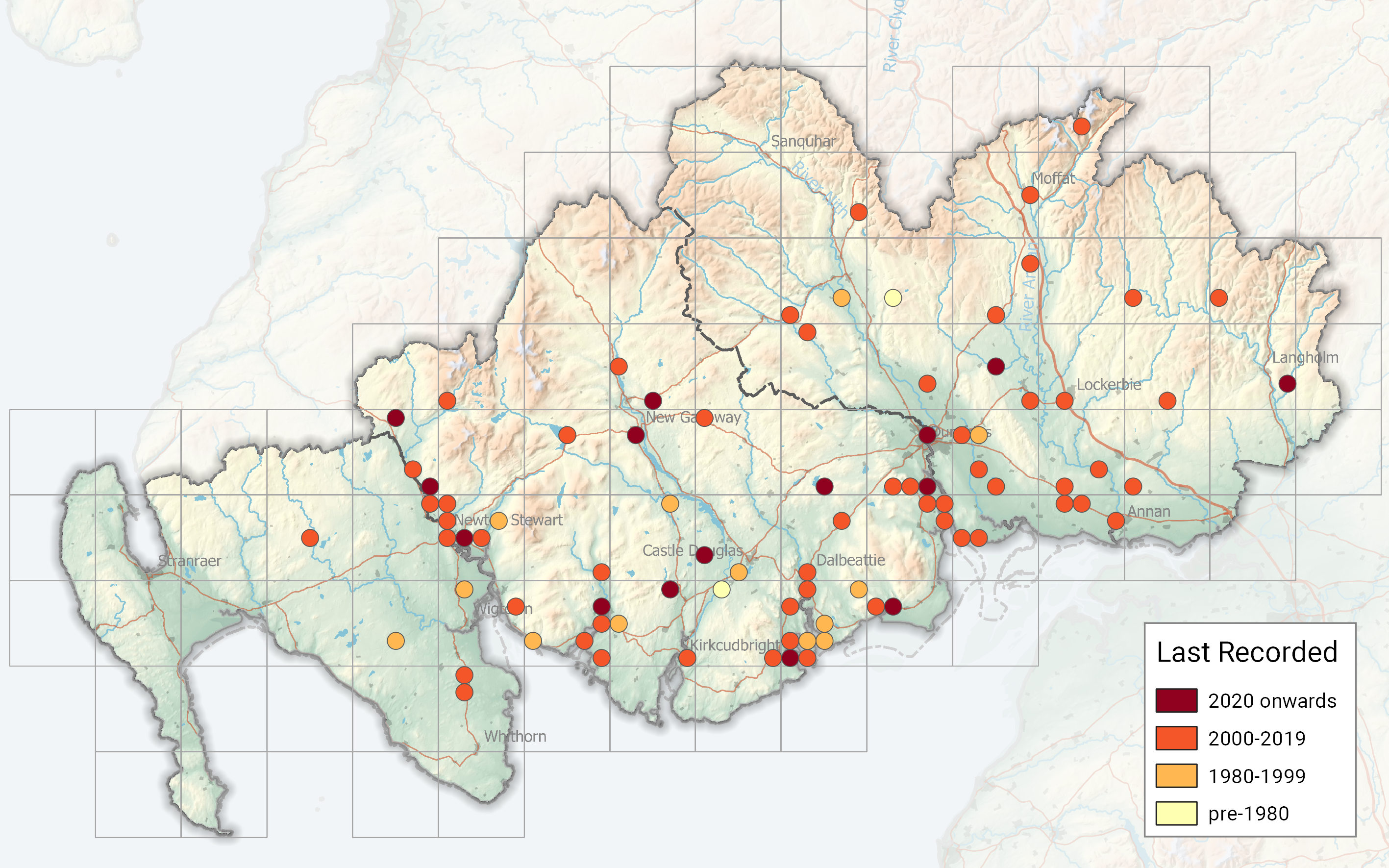
Sir Arthur Duncan (1909-84) recorded it from Closeburn during his lifetime. With the advent of the Rothamsted Stations the recording of the Common Lutestring really took off with most of the records coming from Dumfriesshire and Kirkcudbrightshire. However, for Wigtownshire we have only a handful or records. Abundance is between one and five per trap.
A melanic form obscura Tutt occurred at Bargaly Lodge (VC73) in July 1992.