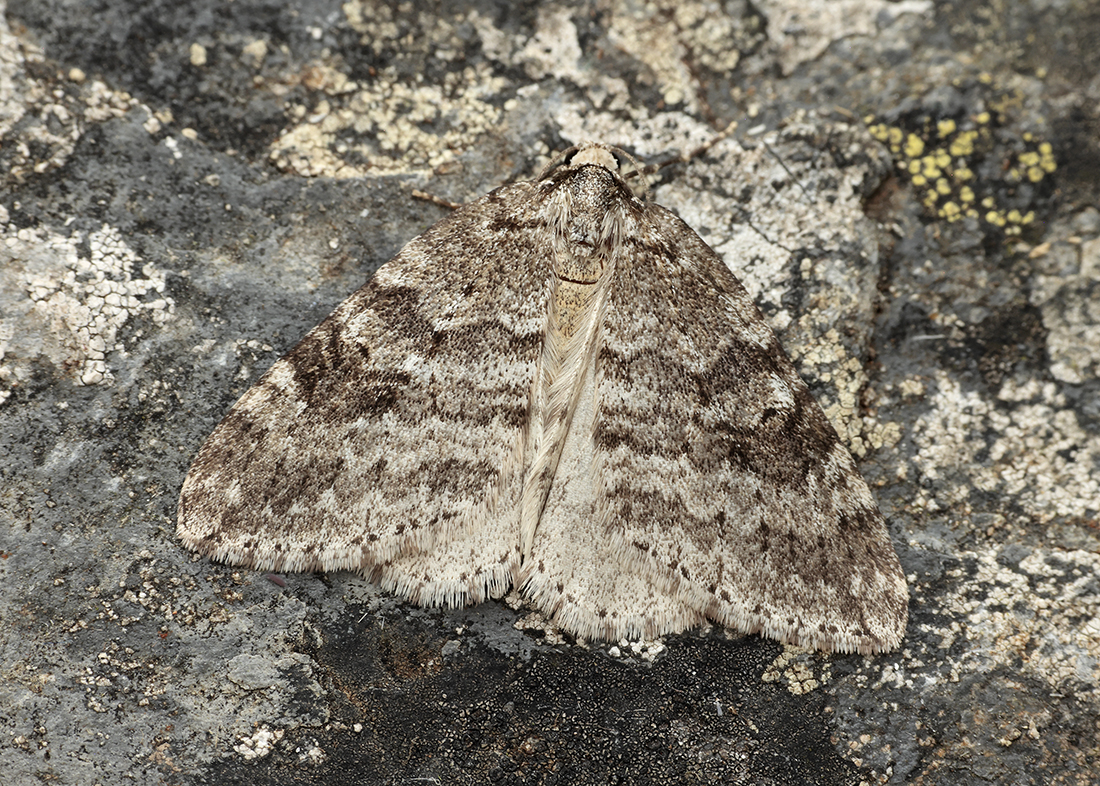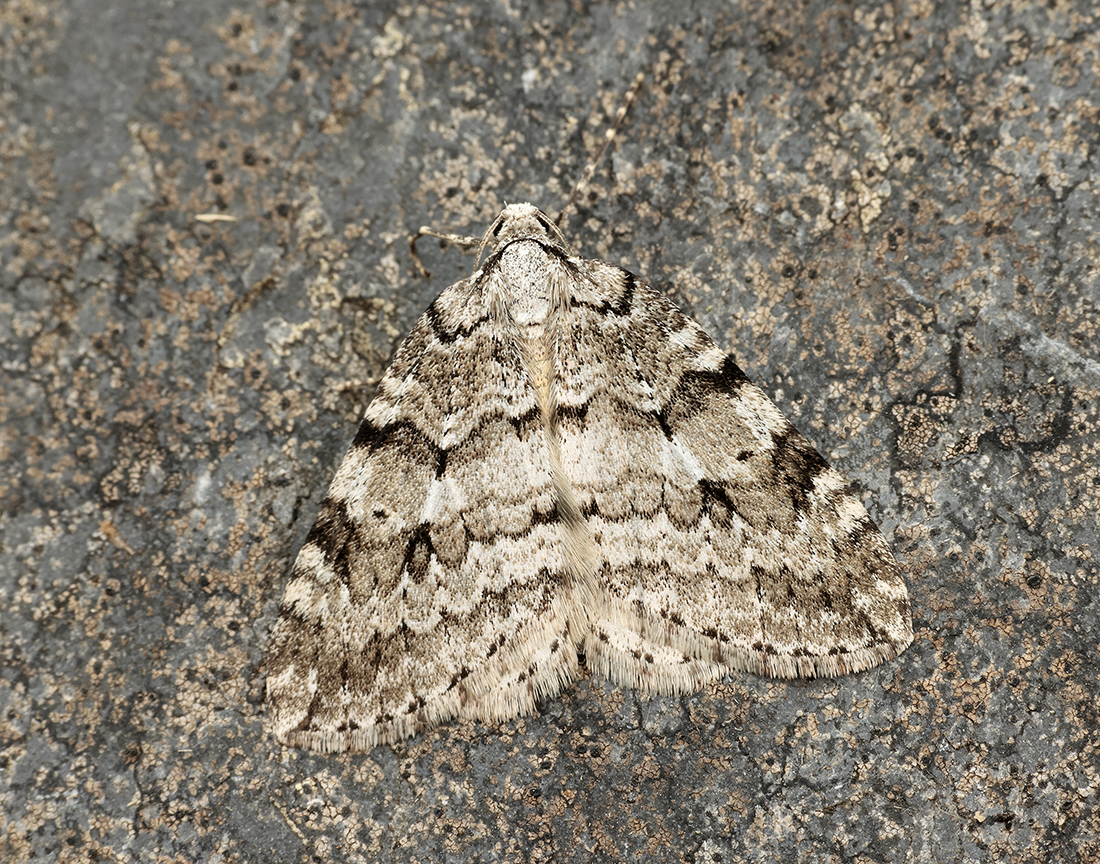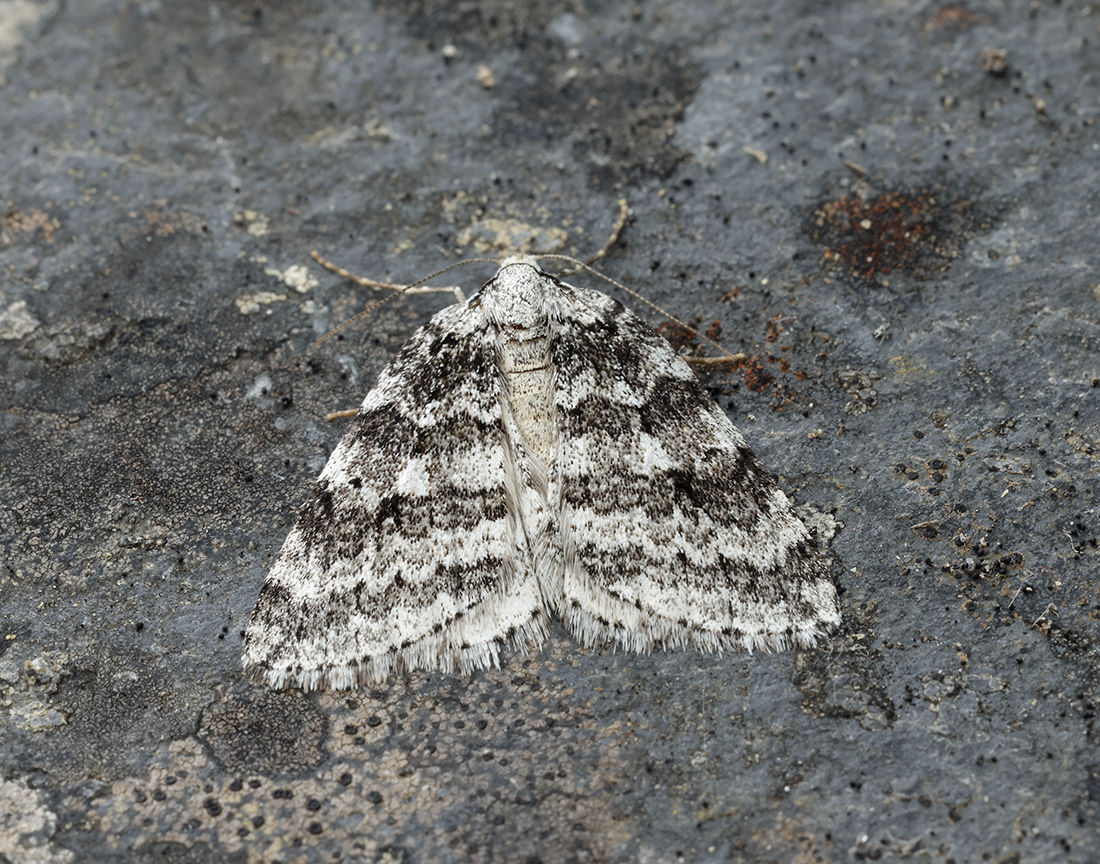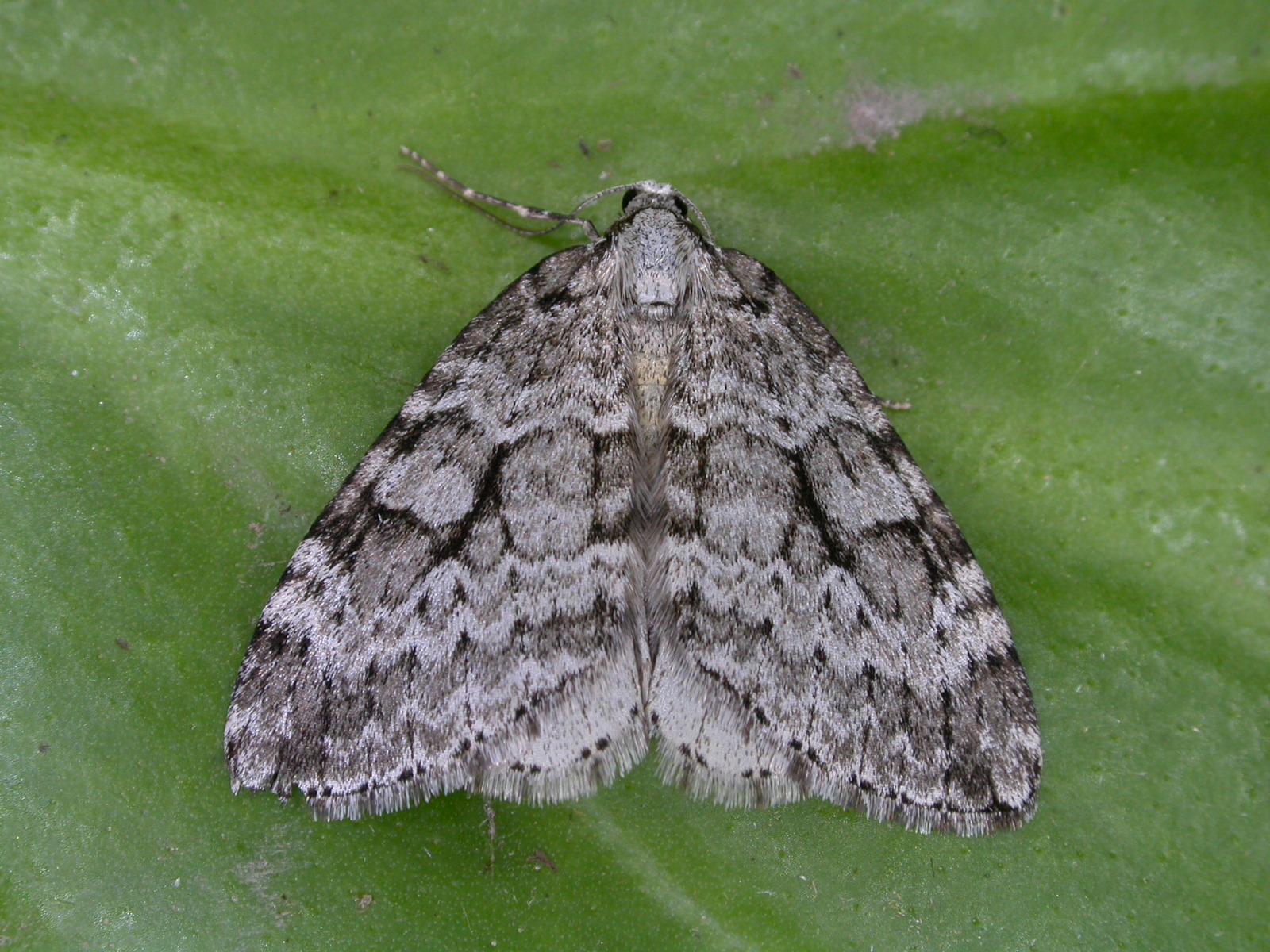

Red List: Least Concern (LC). GB Status: Common.
Identification
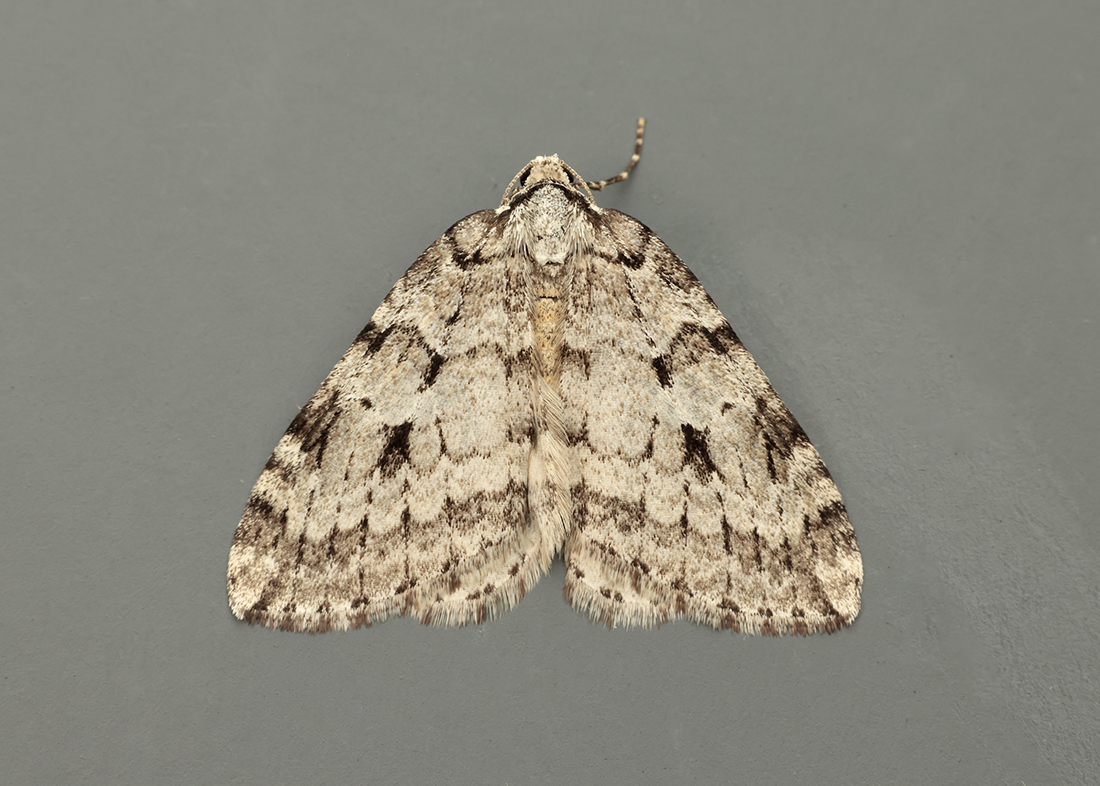
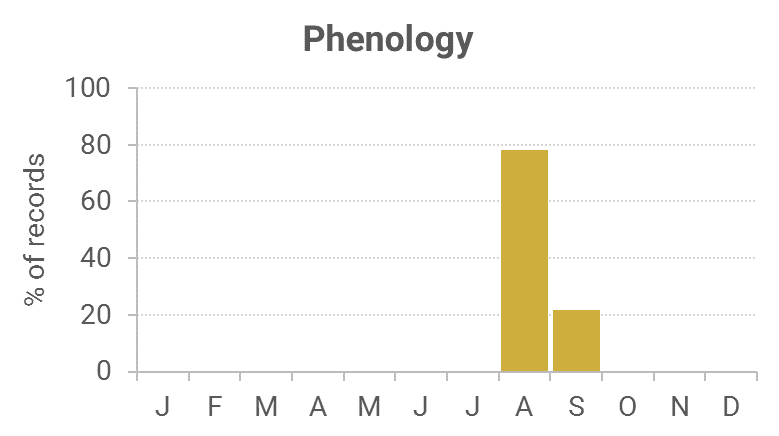
Similar to Autumnal Moth. However, an Epirrita spp. early in the season (August/early September) in a moorland type habitat is likely to be this species and can be accepted as such.
Recording method
Can be seen hanging from heather stems after dark, often in large numbers. Comes to light.
Life cycle
One generation. Overwinters as an egg on the foodplant. Larvae are very distinct from the other Epirrita species. Larvae mid April to the end of May. Pupates underground.
Larval foodplants
Bilberry, Heather and sallows.
Habitat
Moorland, especially where tall heathers are present.
History
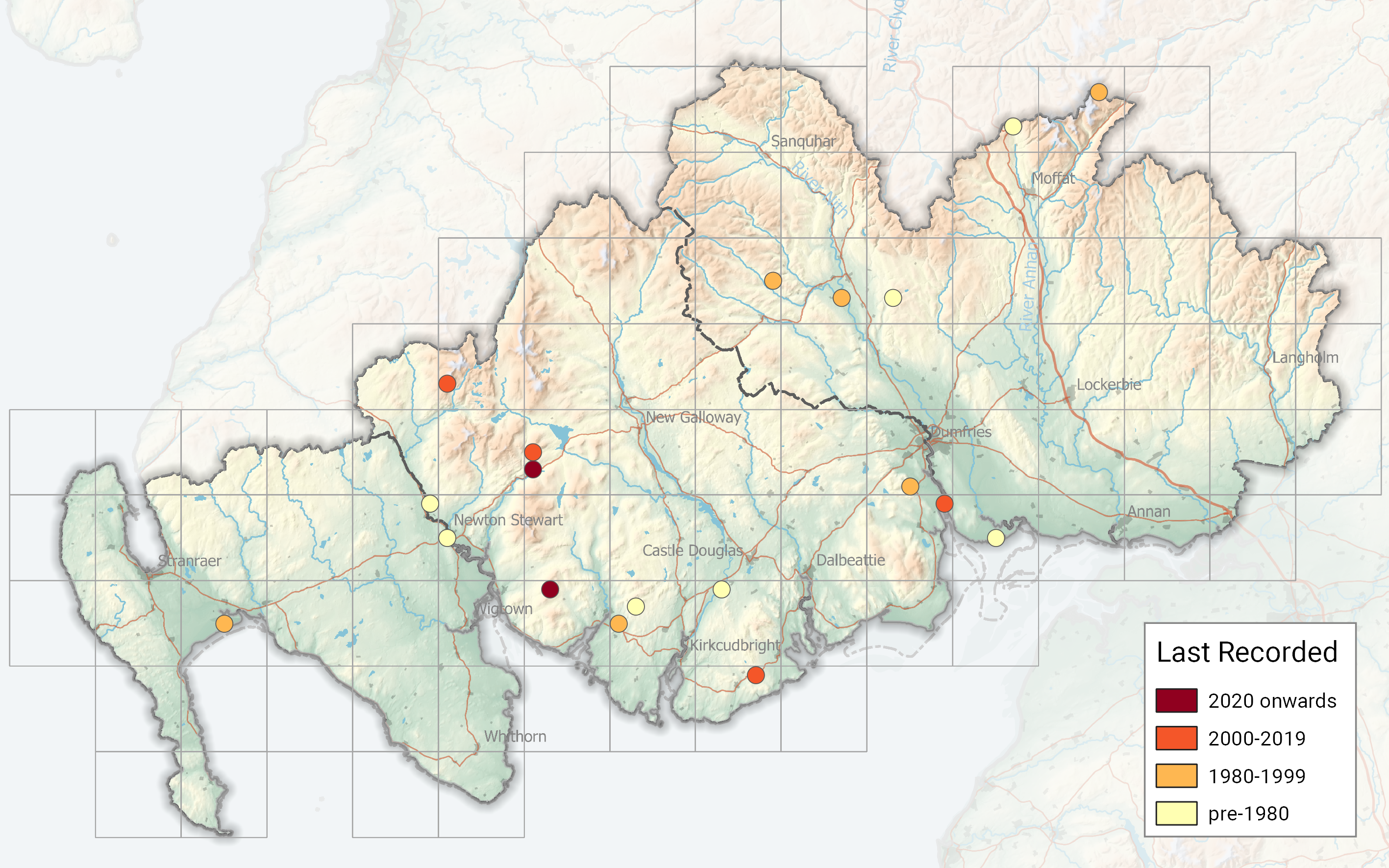
First recorded for Dumfries and Galloway in 1942 for VC73 near Gatehouse of Fleet by Russell who said that it was ‘in fair numbers on Bilberry during the years 1942-43’, in 1970 for VC72 at Closeburn by Watson and in 1976 for VC74 at Newton Stewart in the Rothamsted light trap.