

Red List: Least Concern (LC). GB Status: Nationally Scarce (Nb).
Identification
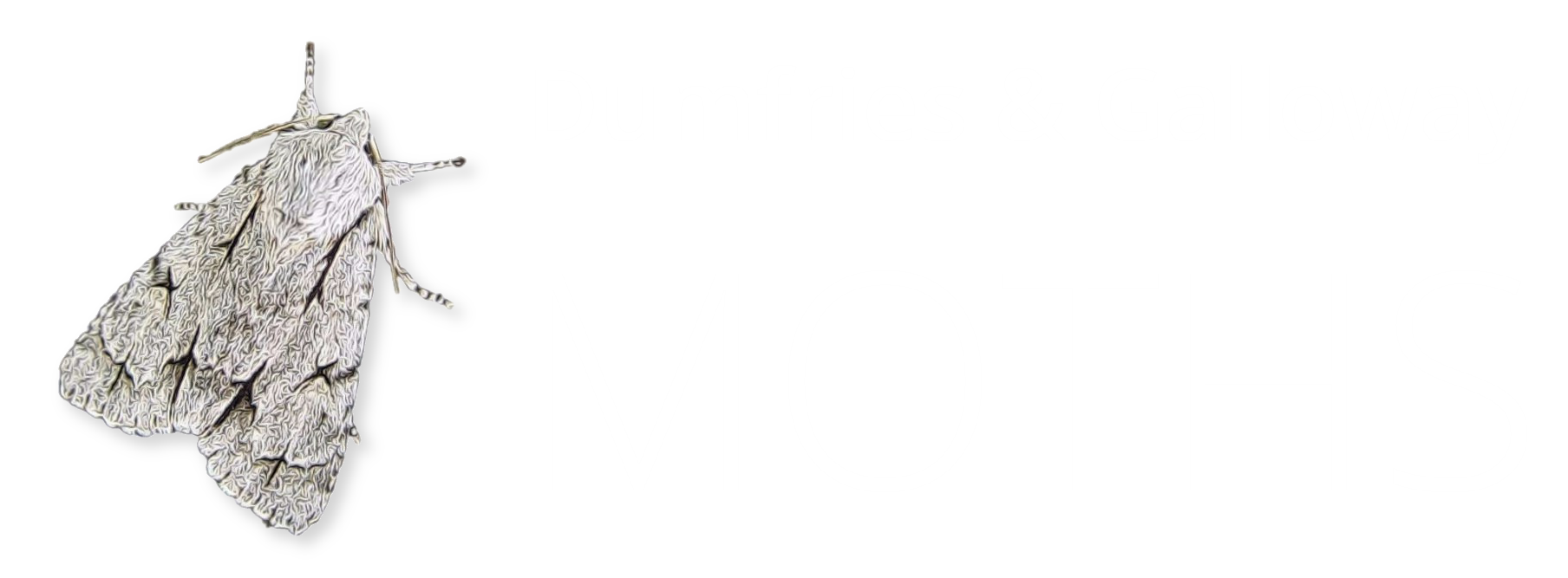
Usually distinctive.
Recording Method.
Attracted to light, also comes to sugar and flowers.
Life cycle
One generation. Overwinters as an egg. Larvae late April to July. Pupates in a cocoon under soil or moss.
Larval foodplants
Heather, Bilberry, Cowberry, Bearberry, Bog-myrtle, willows, birches and other moorland plants.
Habitat
Upland scrub, open woodland and moorland.
History
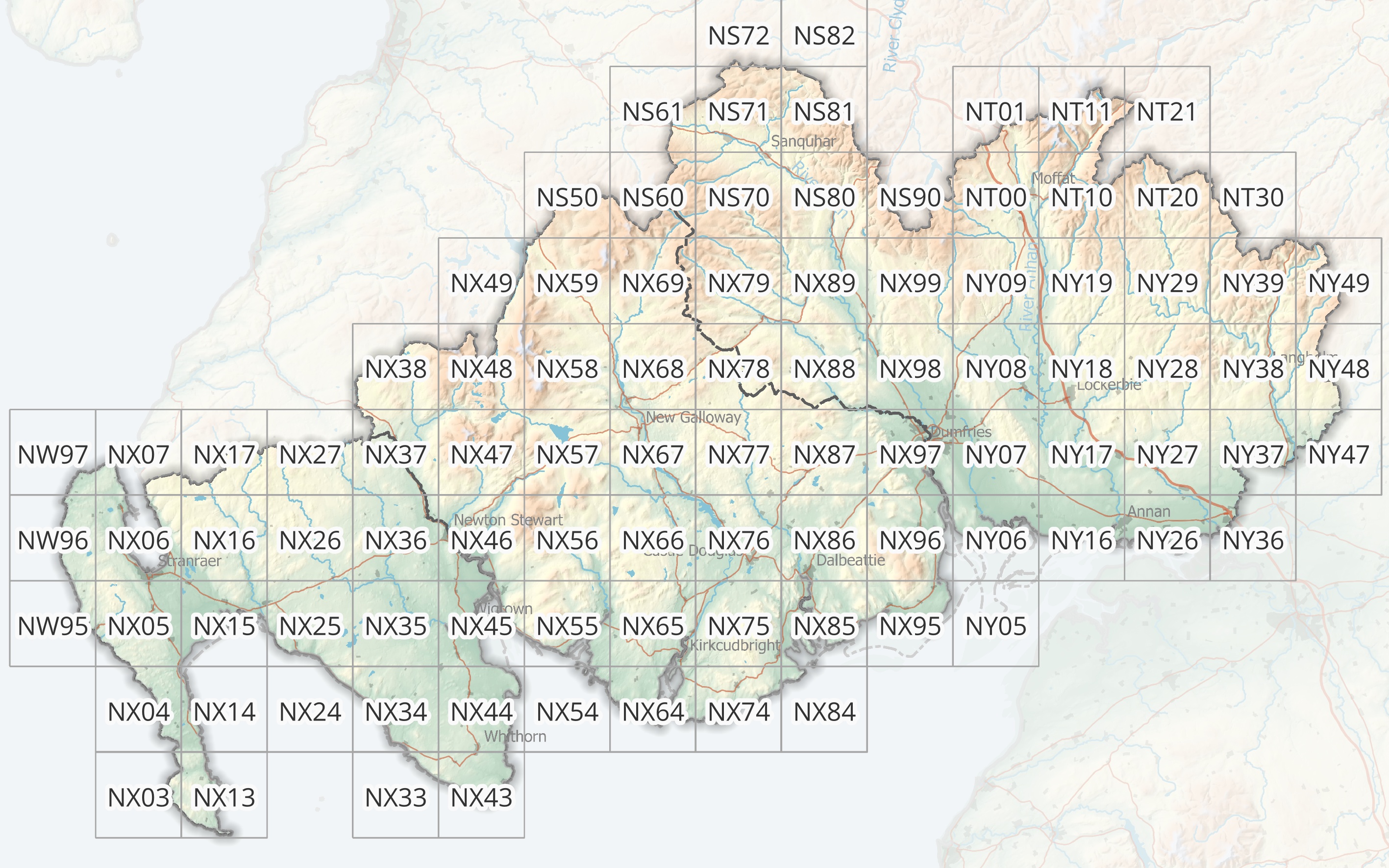
Somerville (1858) while on a visit to the Moffat area (VC72) in August of that year had lured one to sugar. Gordon (1913) stated that it was not uncommon at sugar and heather blossom around Corsemalzie (VC74). W. S. Brocklehurst informed Gordon that he had had a number at sugar at Park Place, Glenluce. Earliest date was 14th August 1897. Archibald Russell (1944) while resident at Gatehouse of Fleet during 1942-43 had found it nearby.
In 1975 it was found at Murray’s birthplace and also at Moffat, with another in 1976 on the Raeburn Flow.
In 1993 it appeared in Dalbeattie Forest, then five were found on Durisdeer Rig in August and September, 1998. In early September 2005 one was trapped at Kirkconnell Flow NNR at a Grey Daggers Moth Group field meeting, while in early August 2010 one was found at Boreland (VC72).


