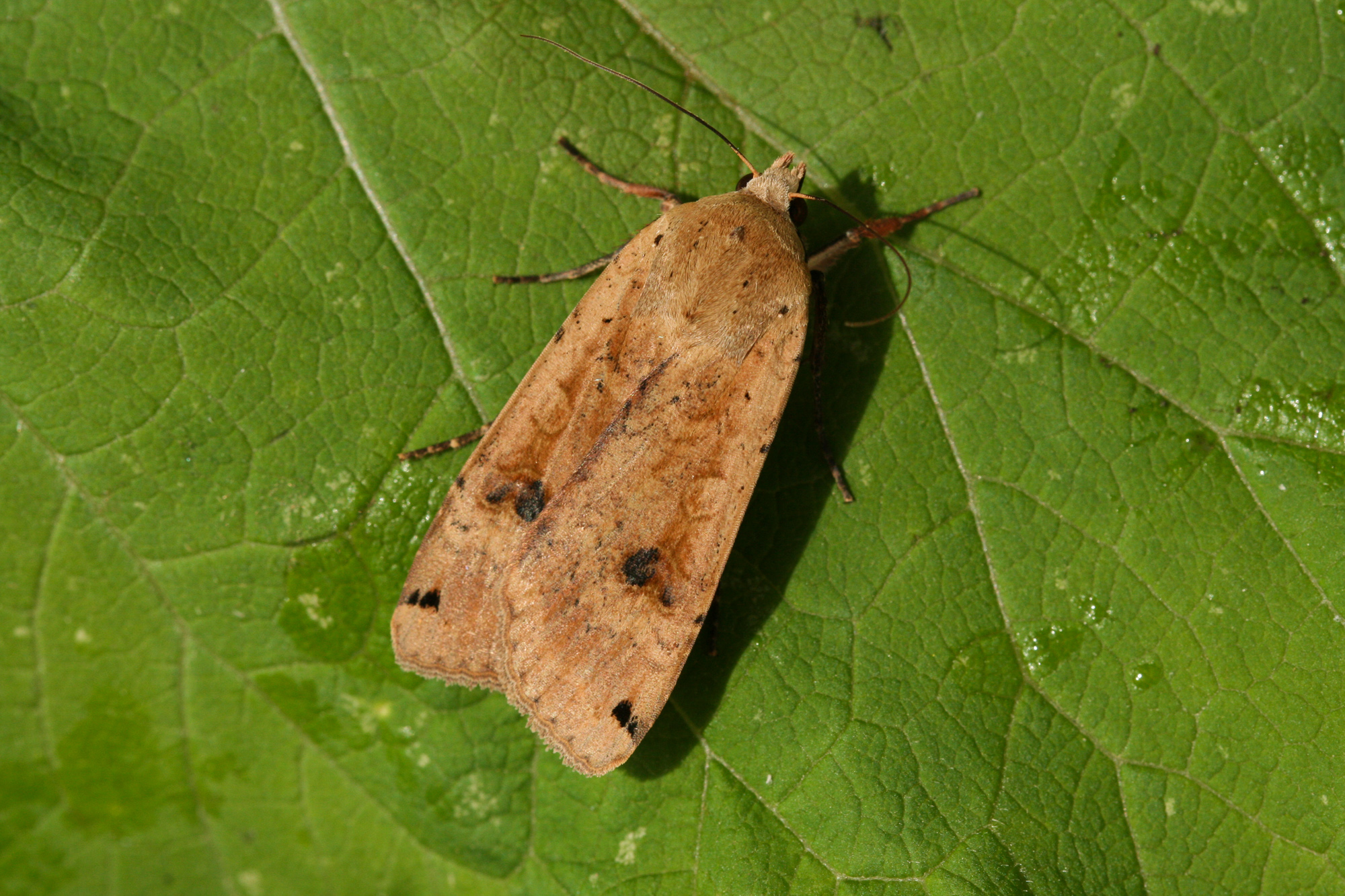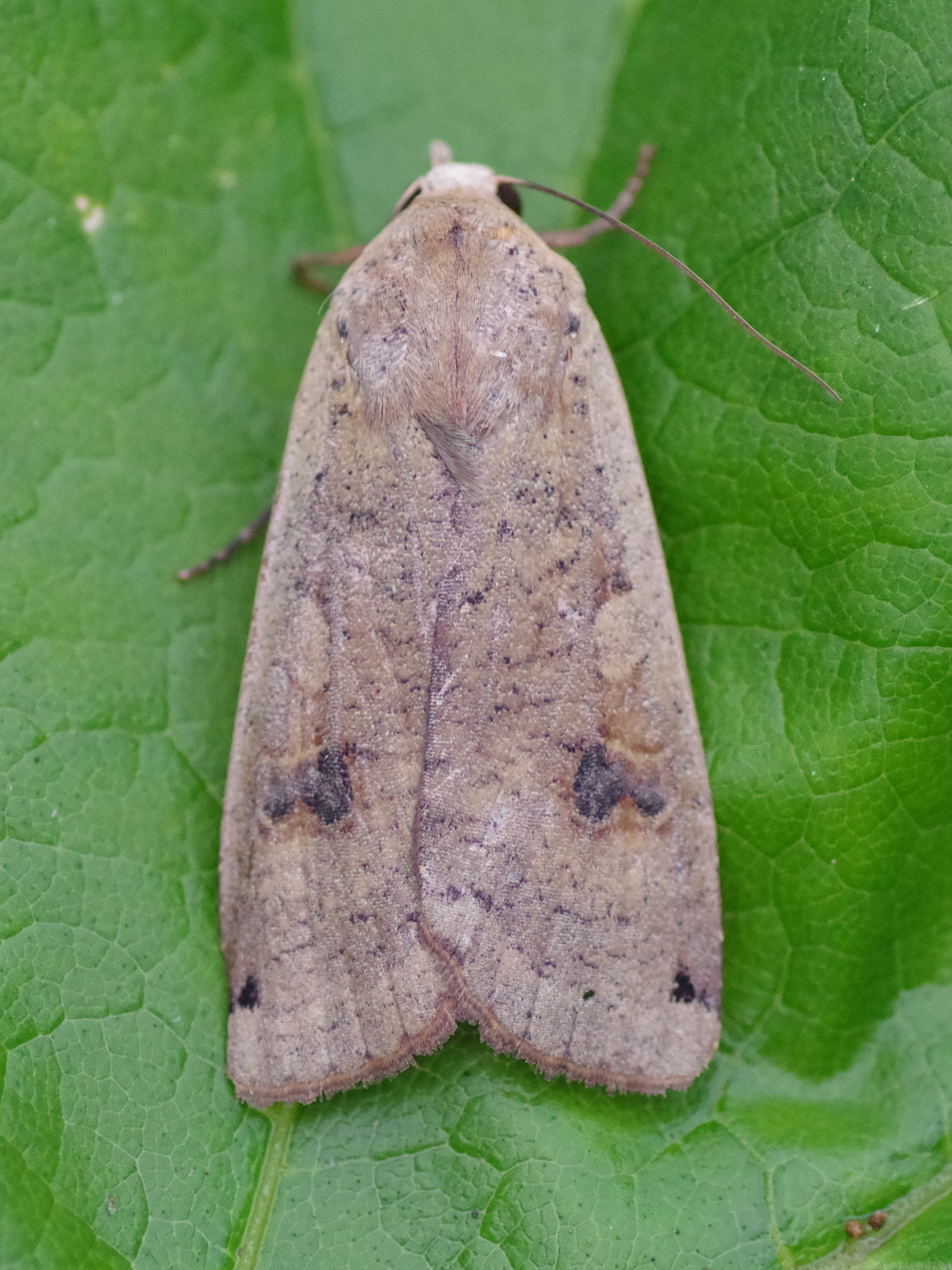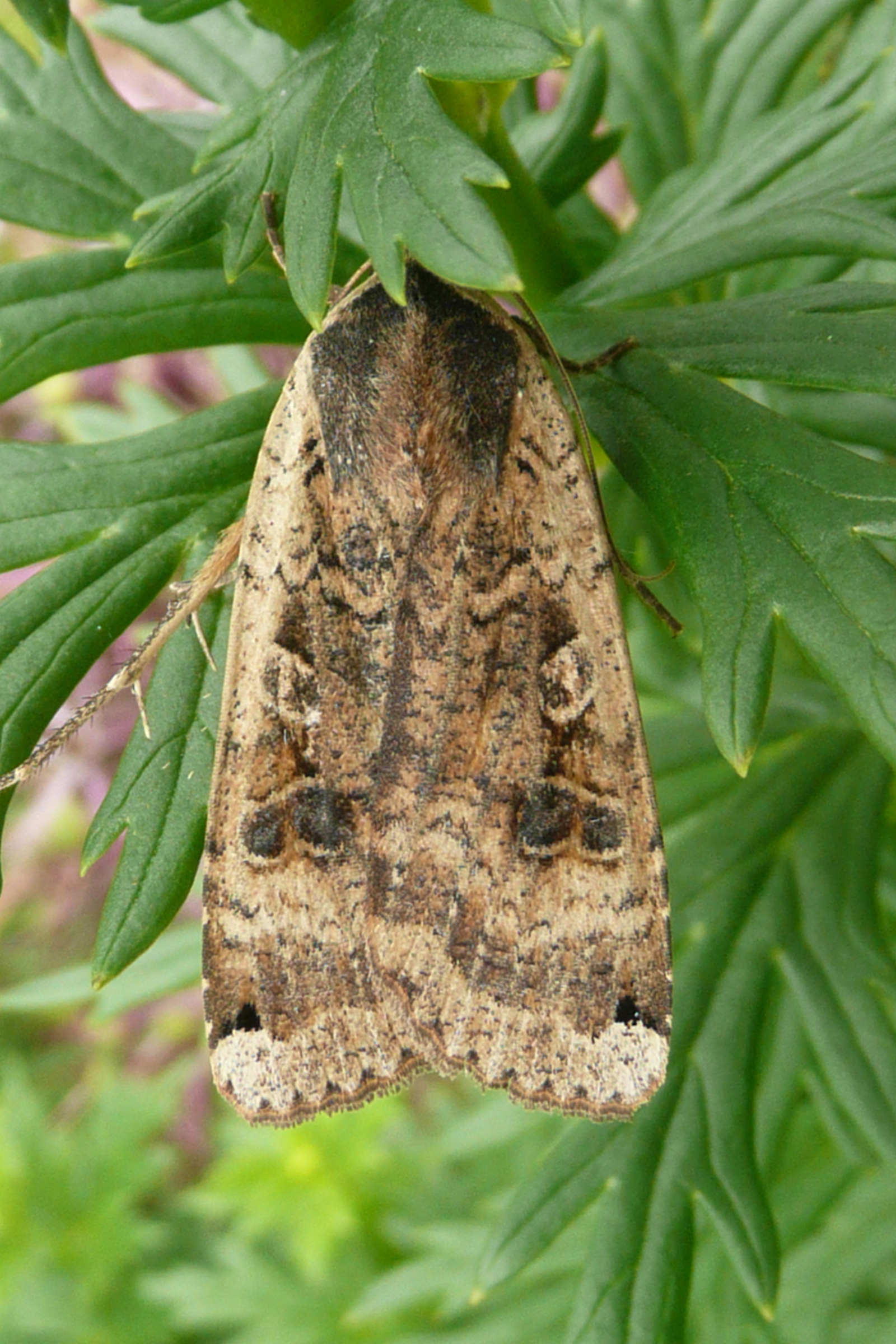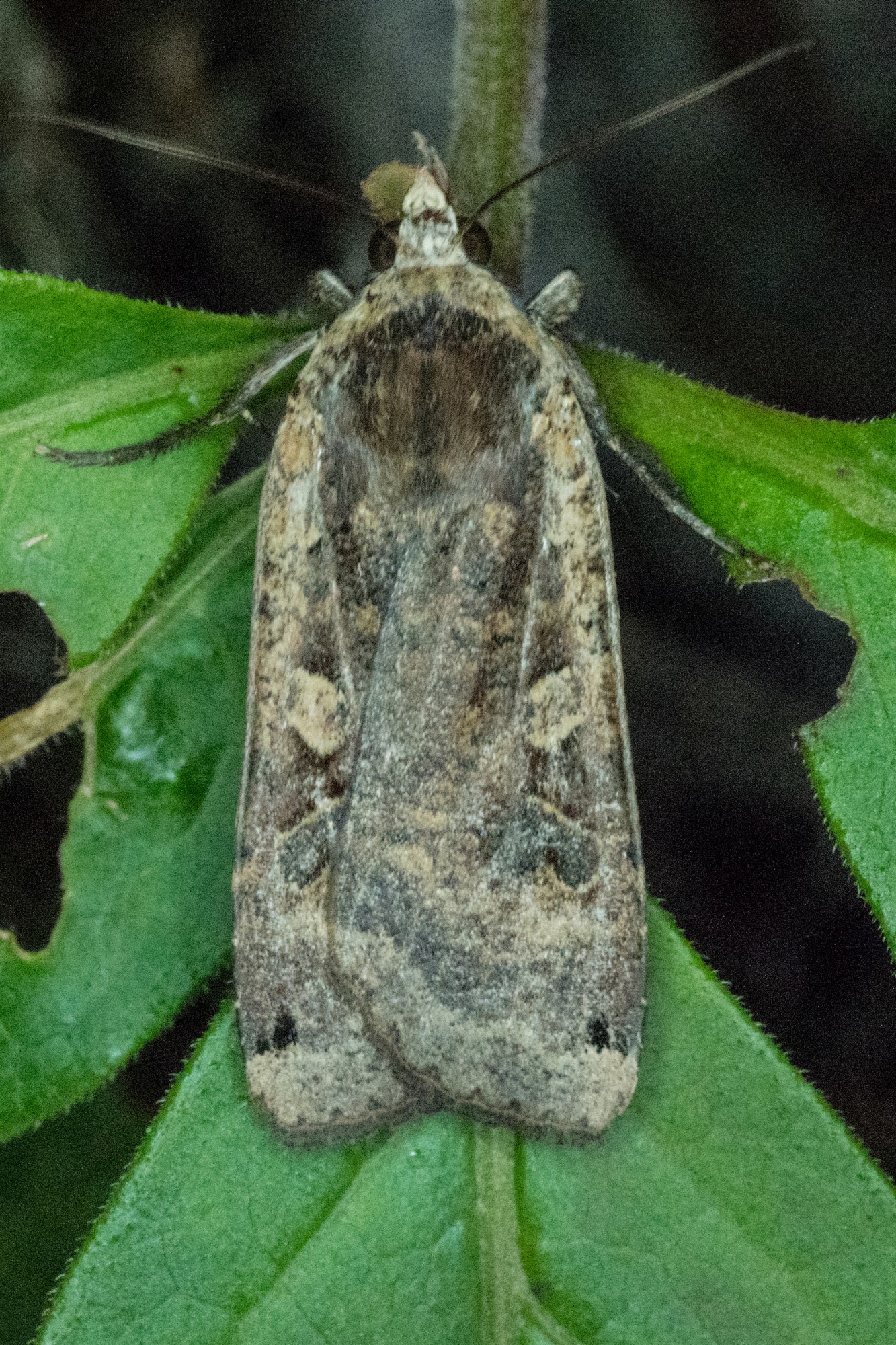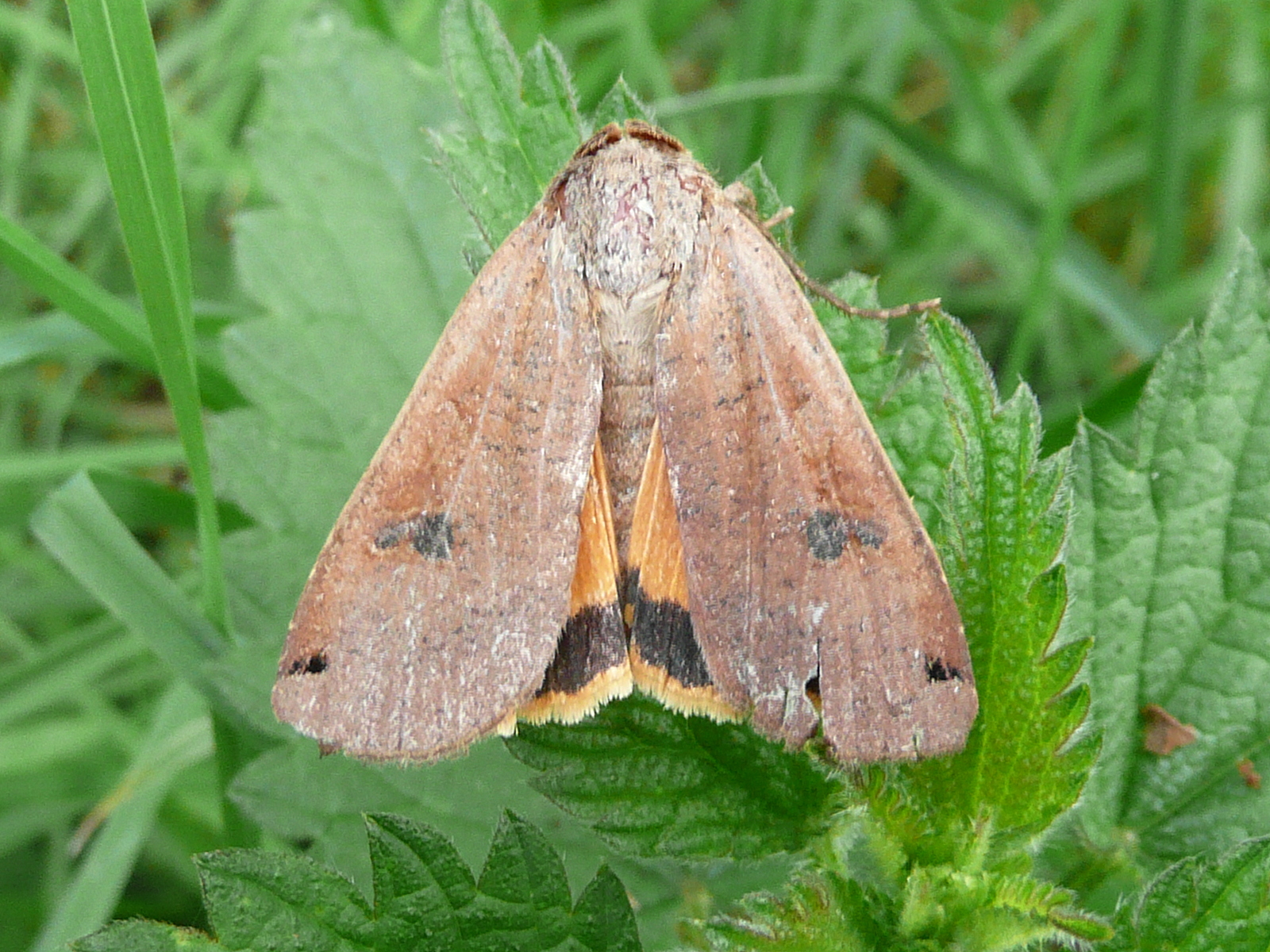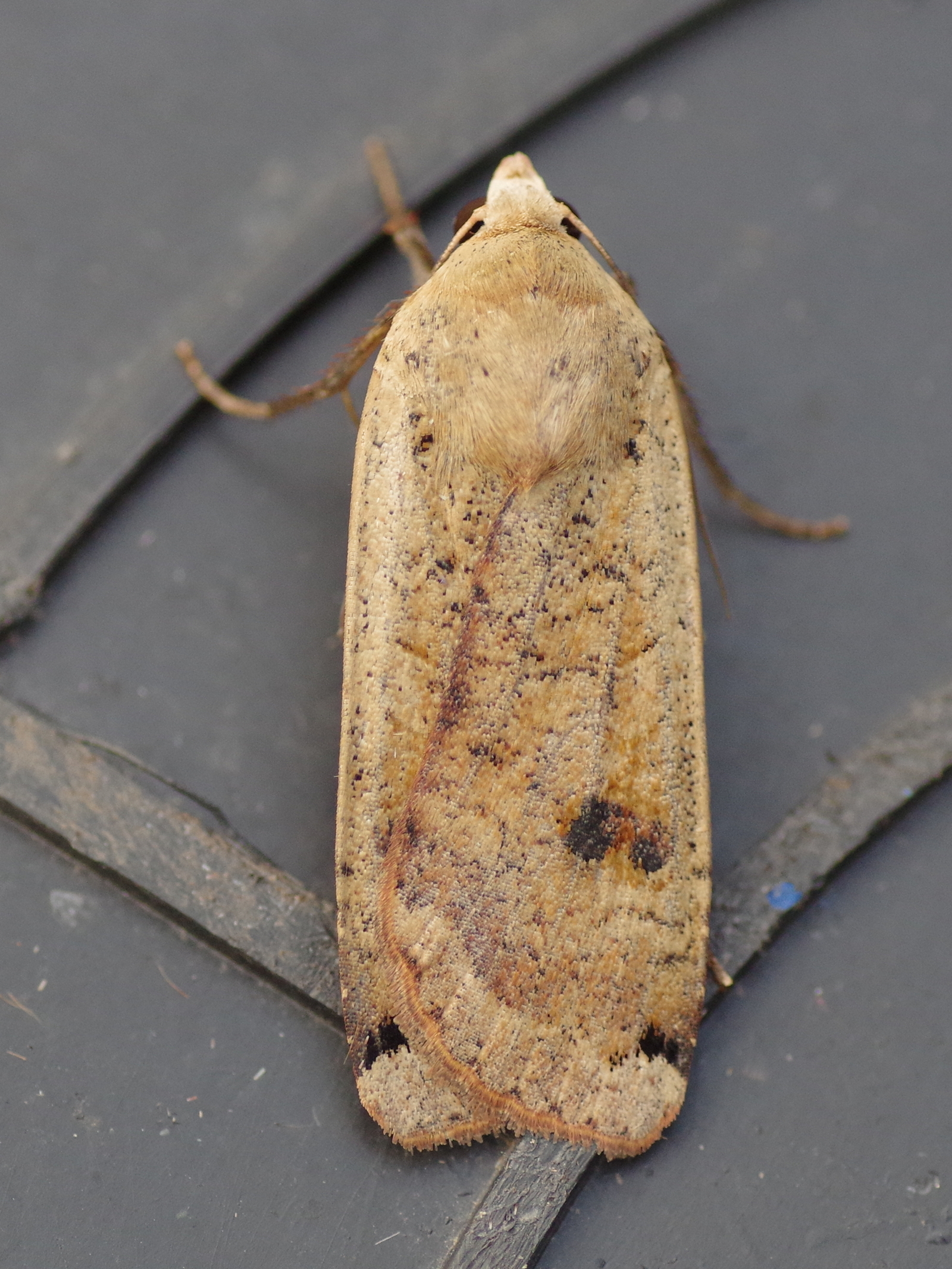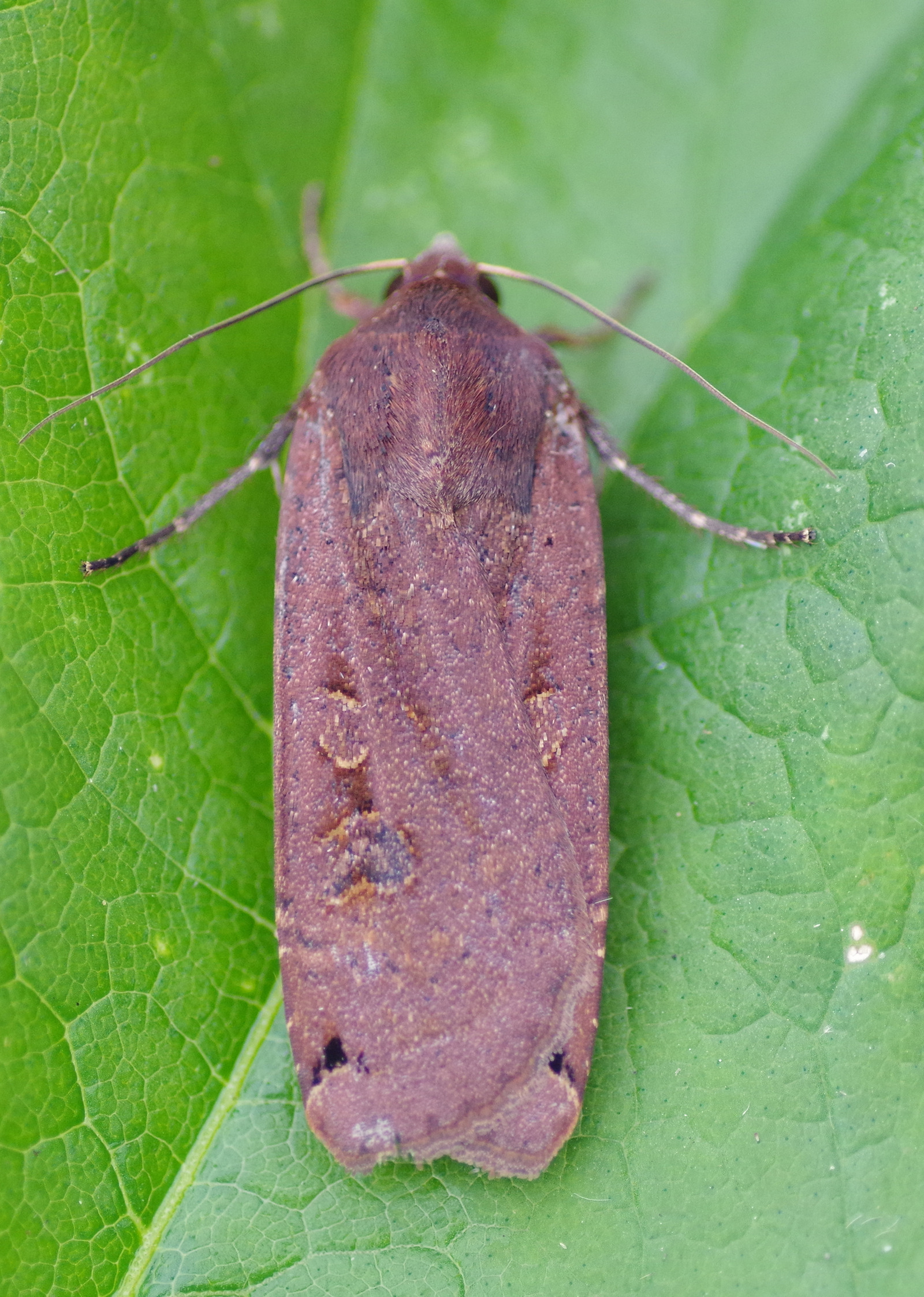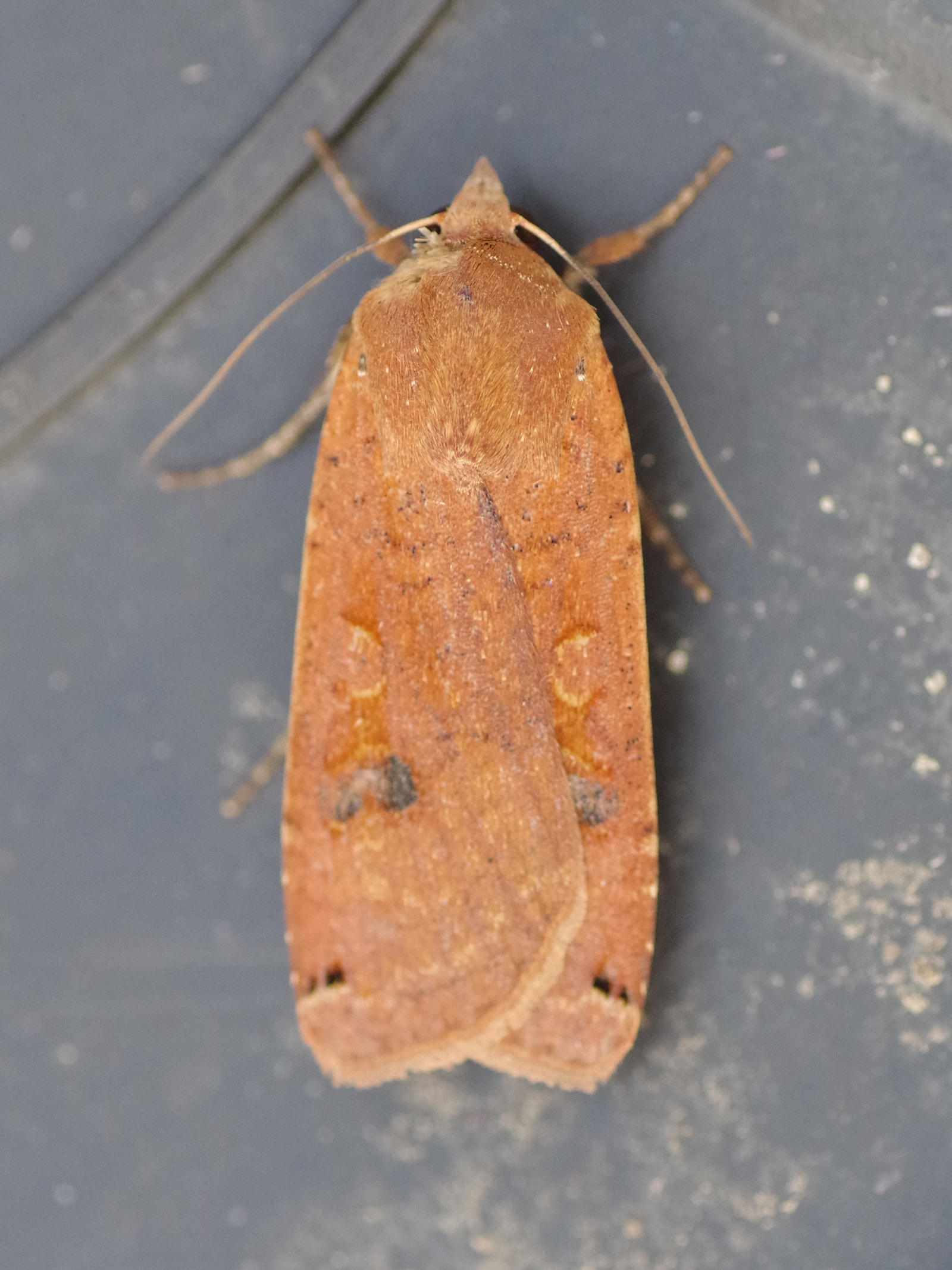

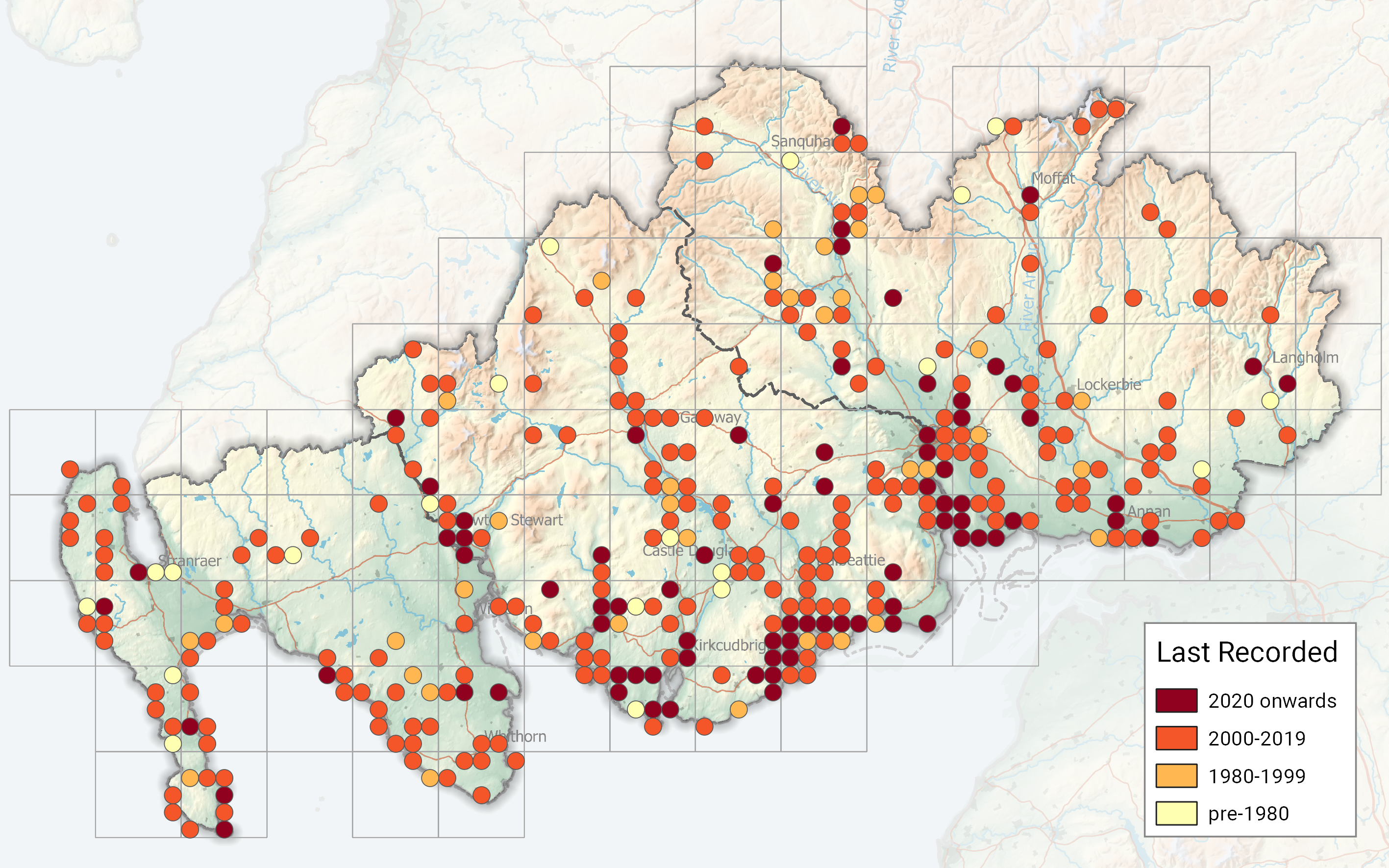
Red List: Least Concern (LC). GB Status: Common.
See also Moth of the Week (01/08/2019)
Identification
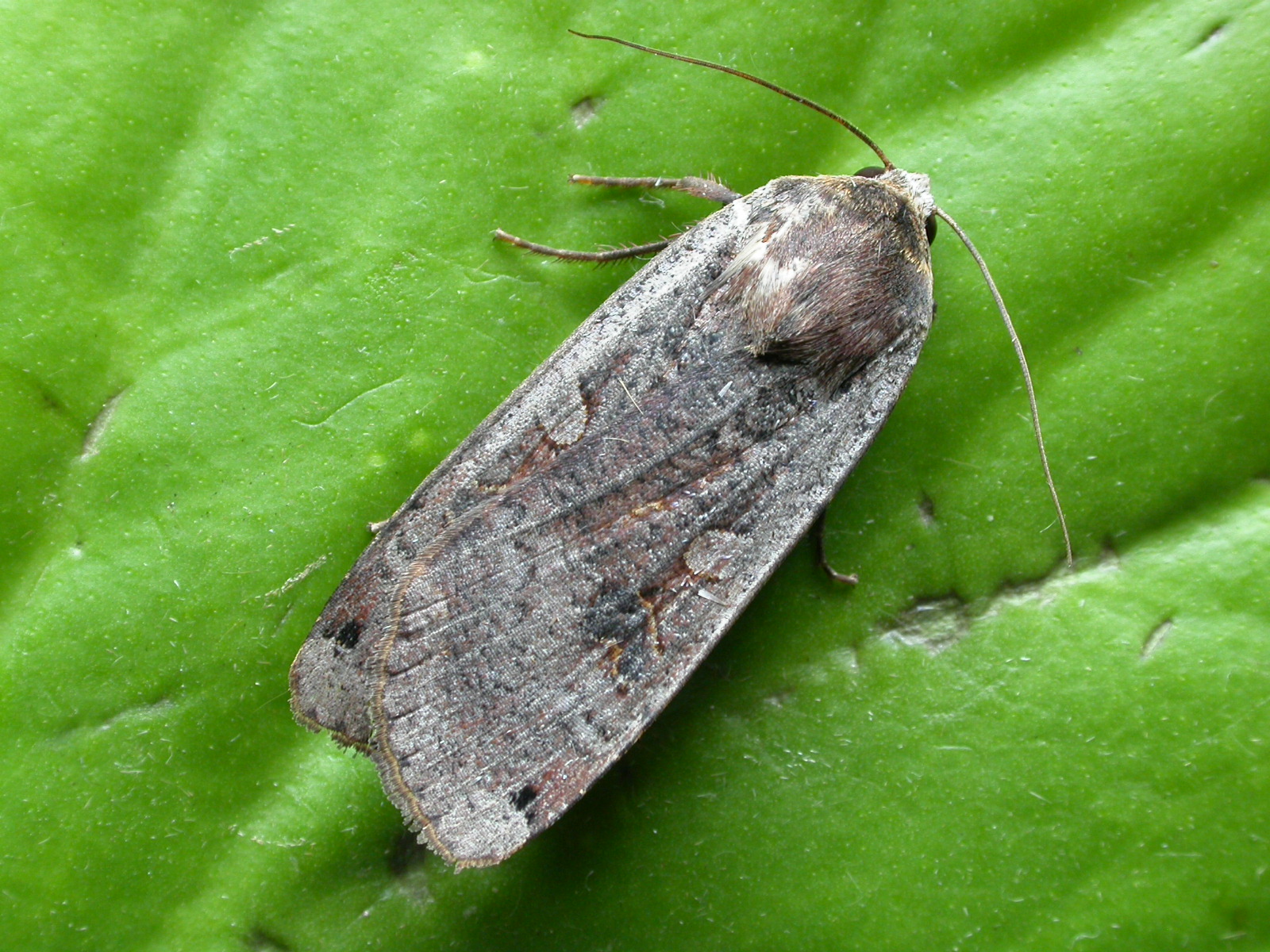
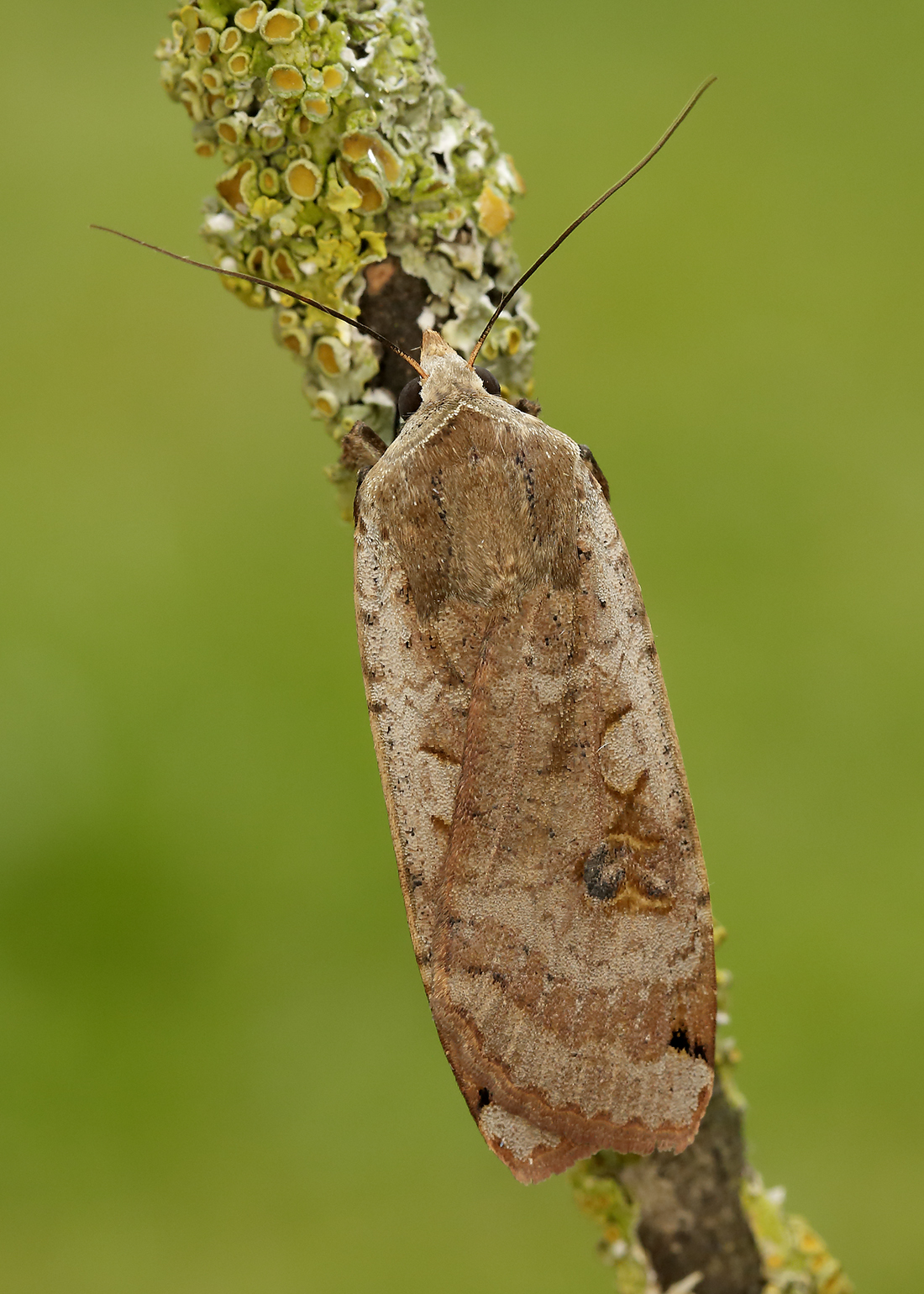
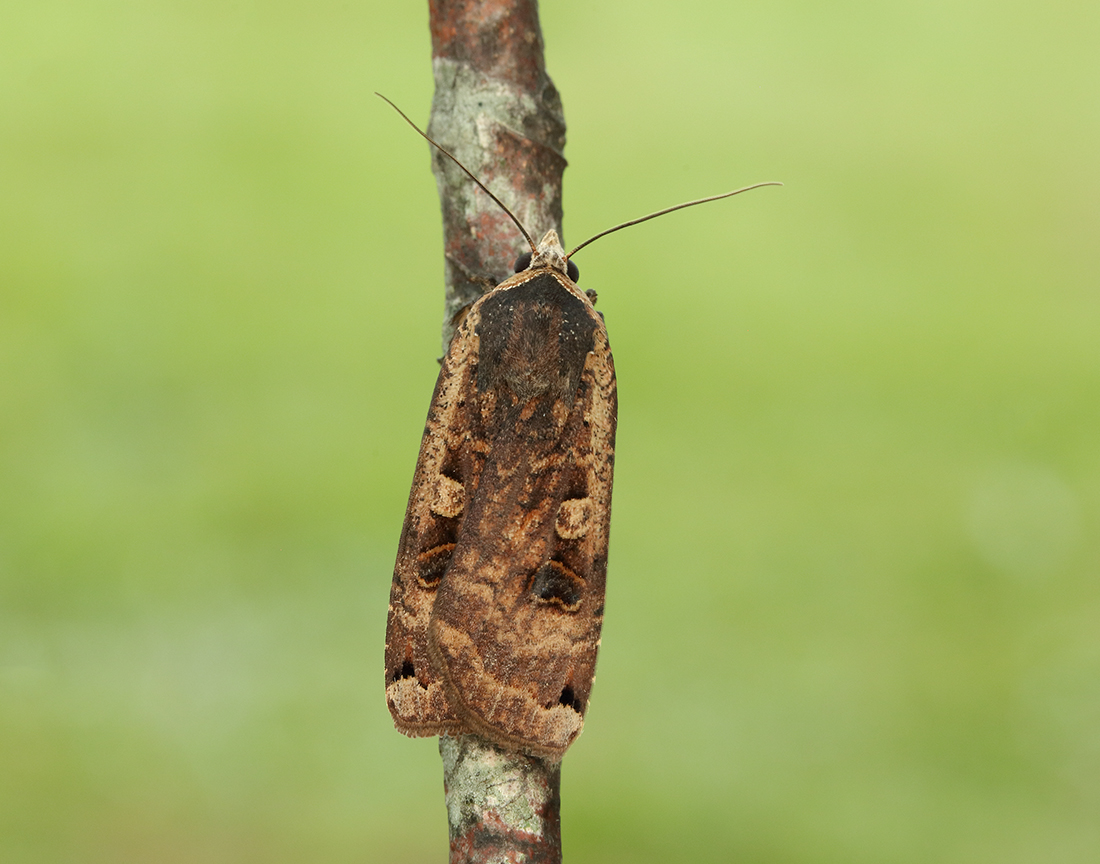
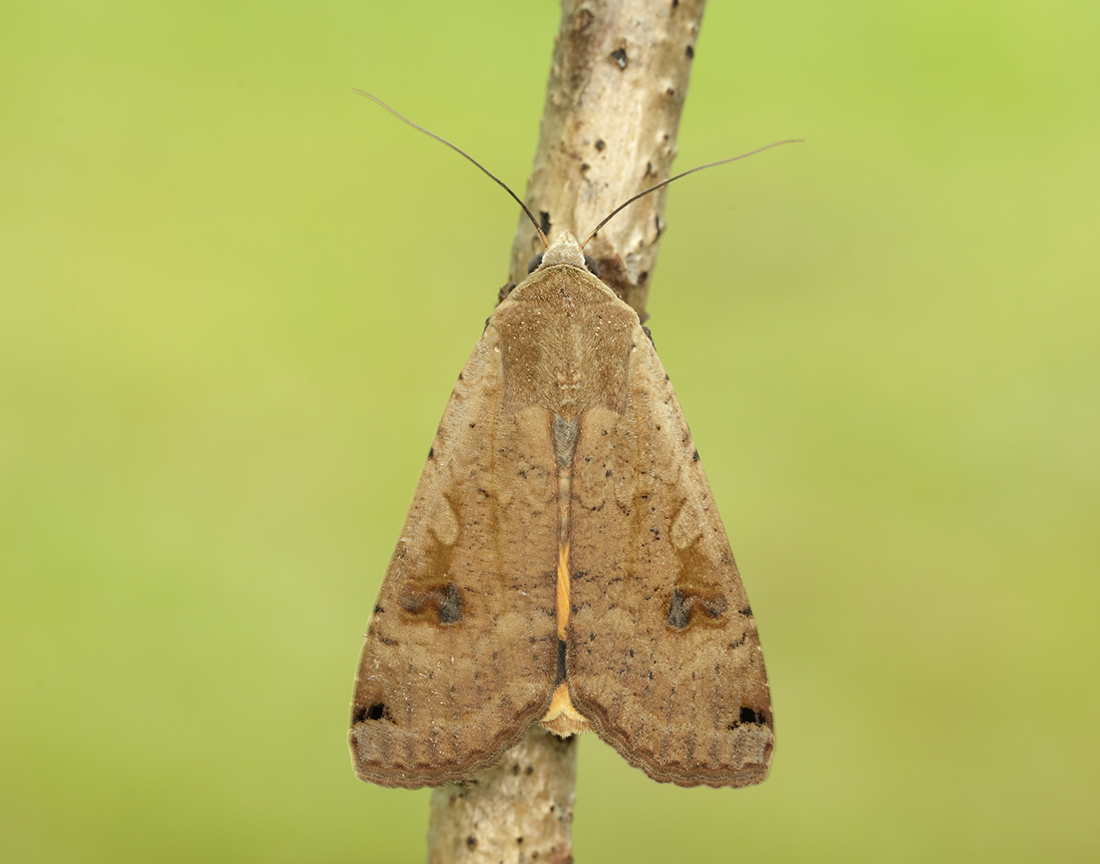
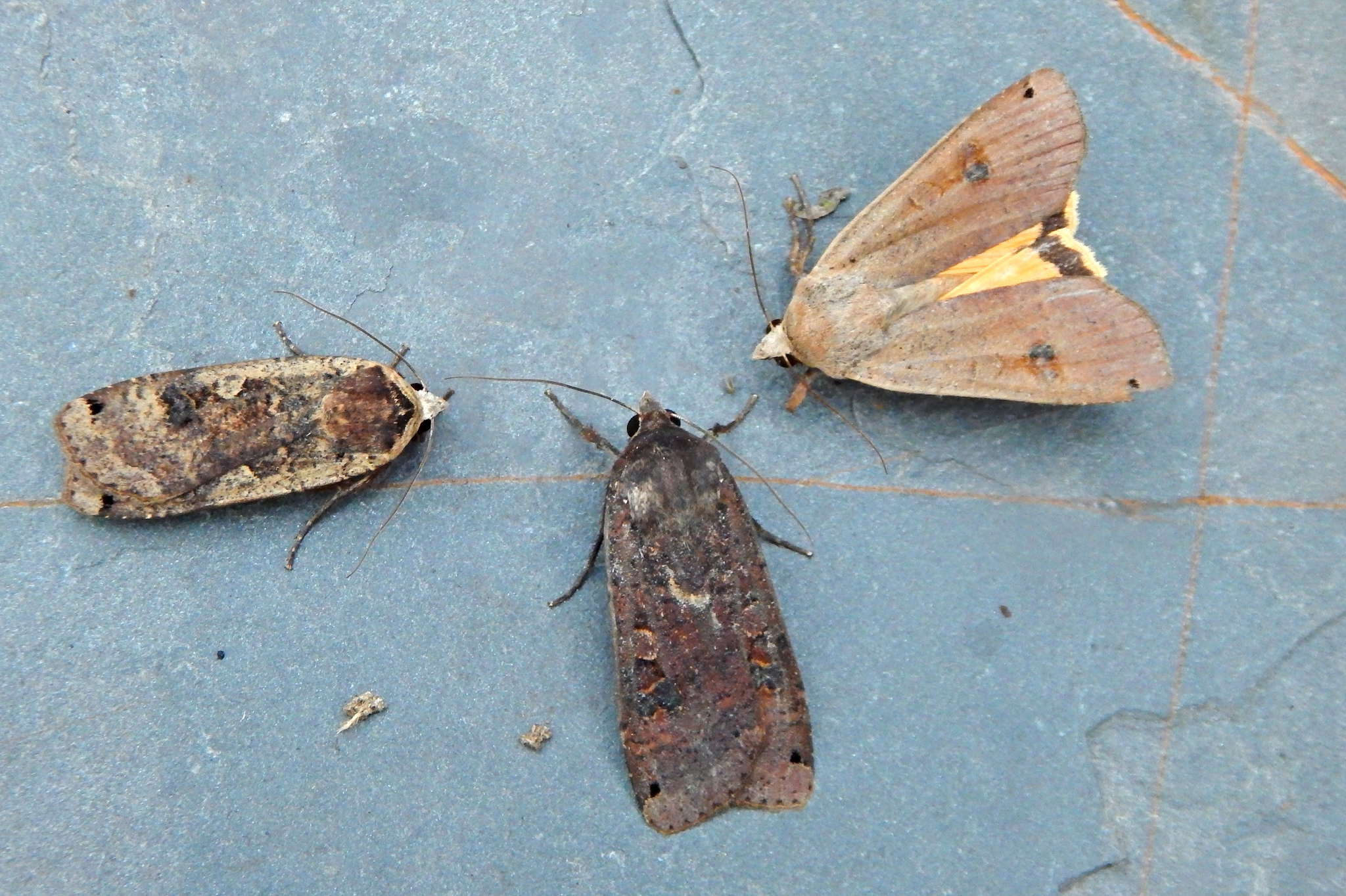
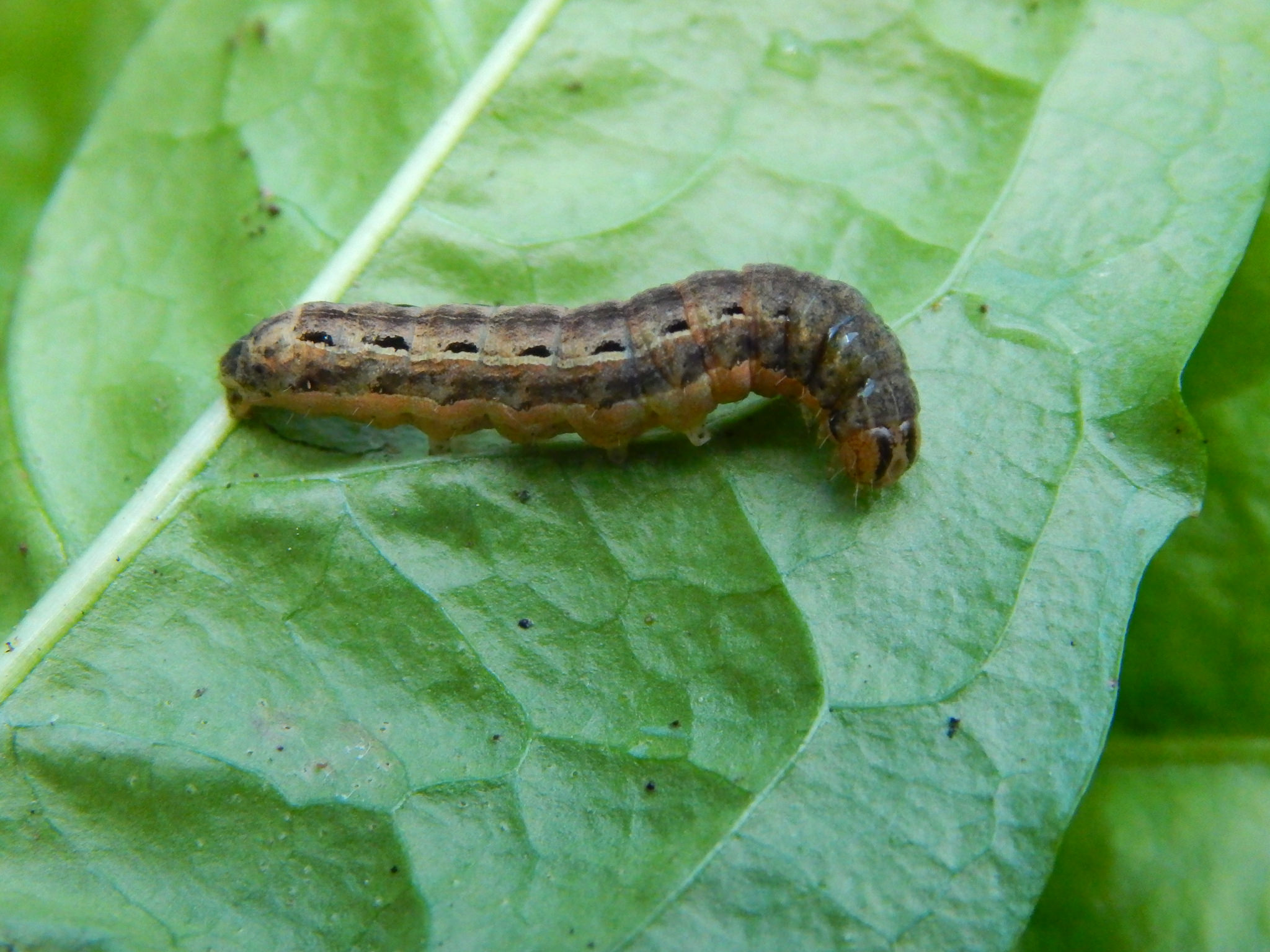
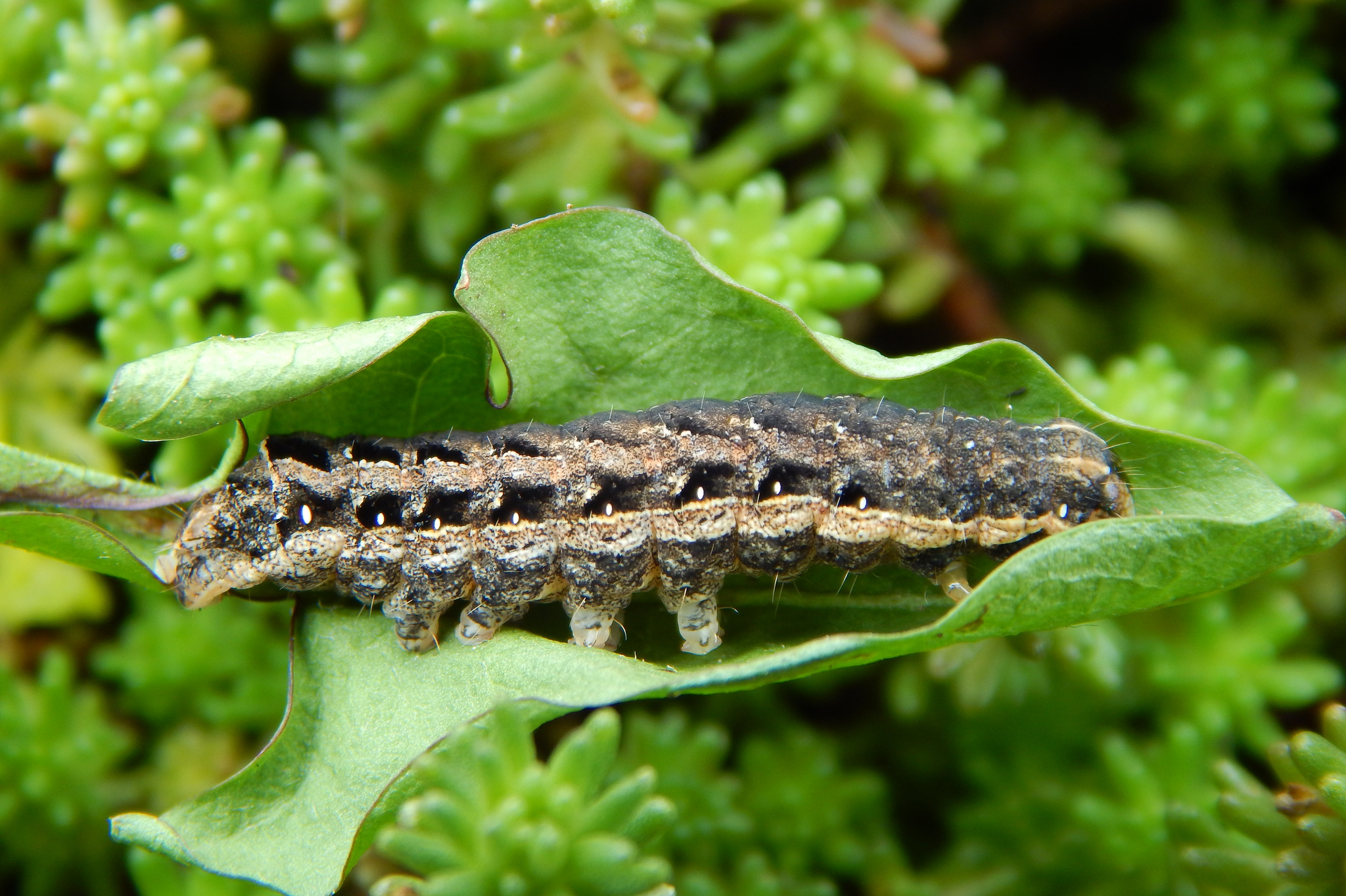
Very variable but usually distinctive.
Recording Method.
Attracted to light, sometimes in large numbers. Also comes to sugar and flowers.
Life cycle
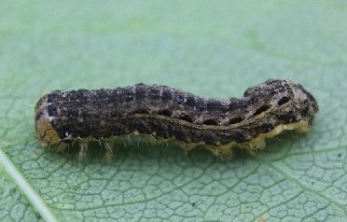
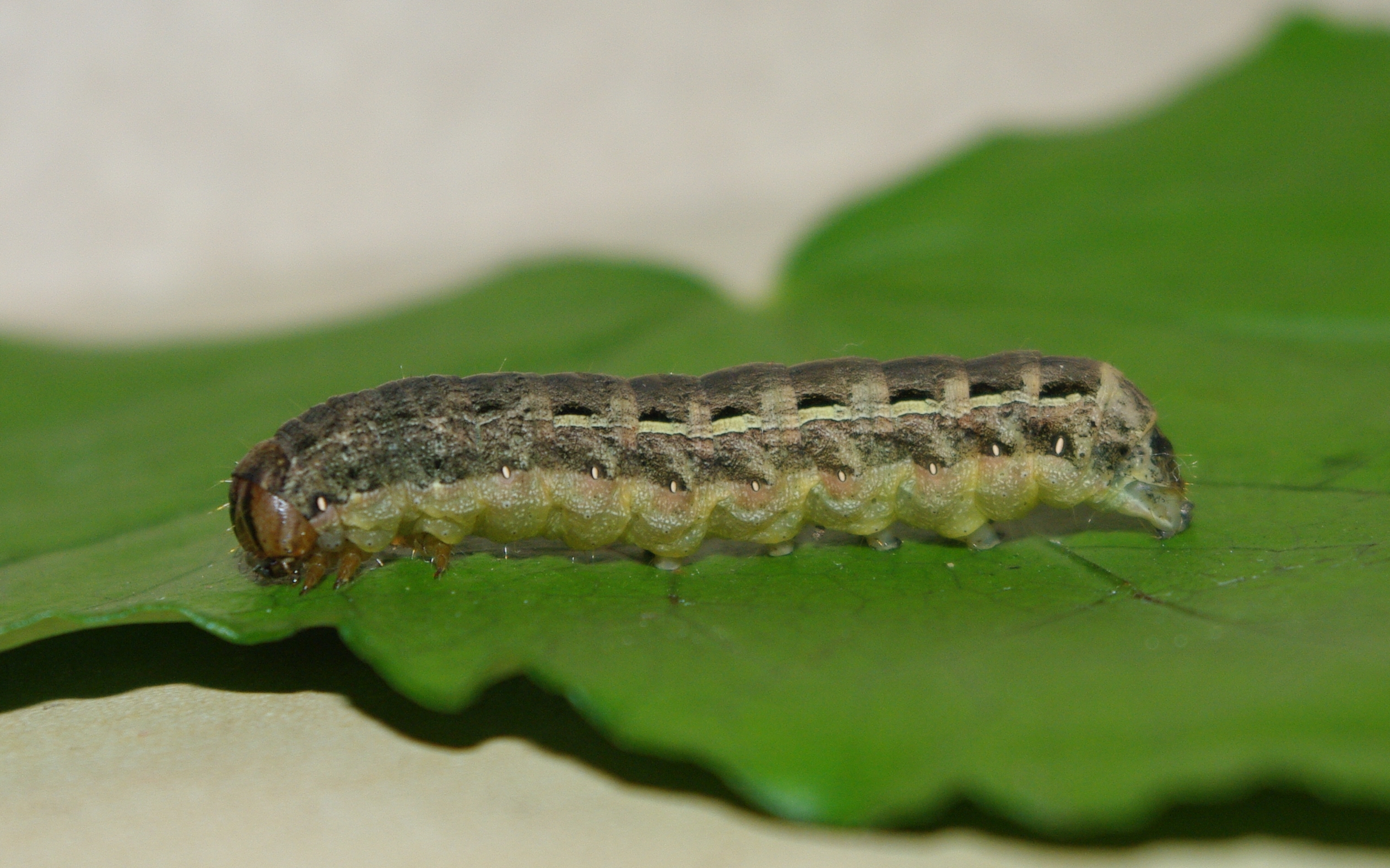
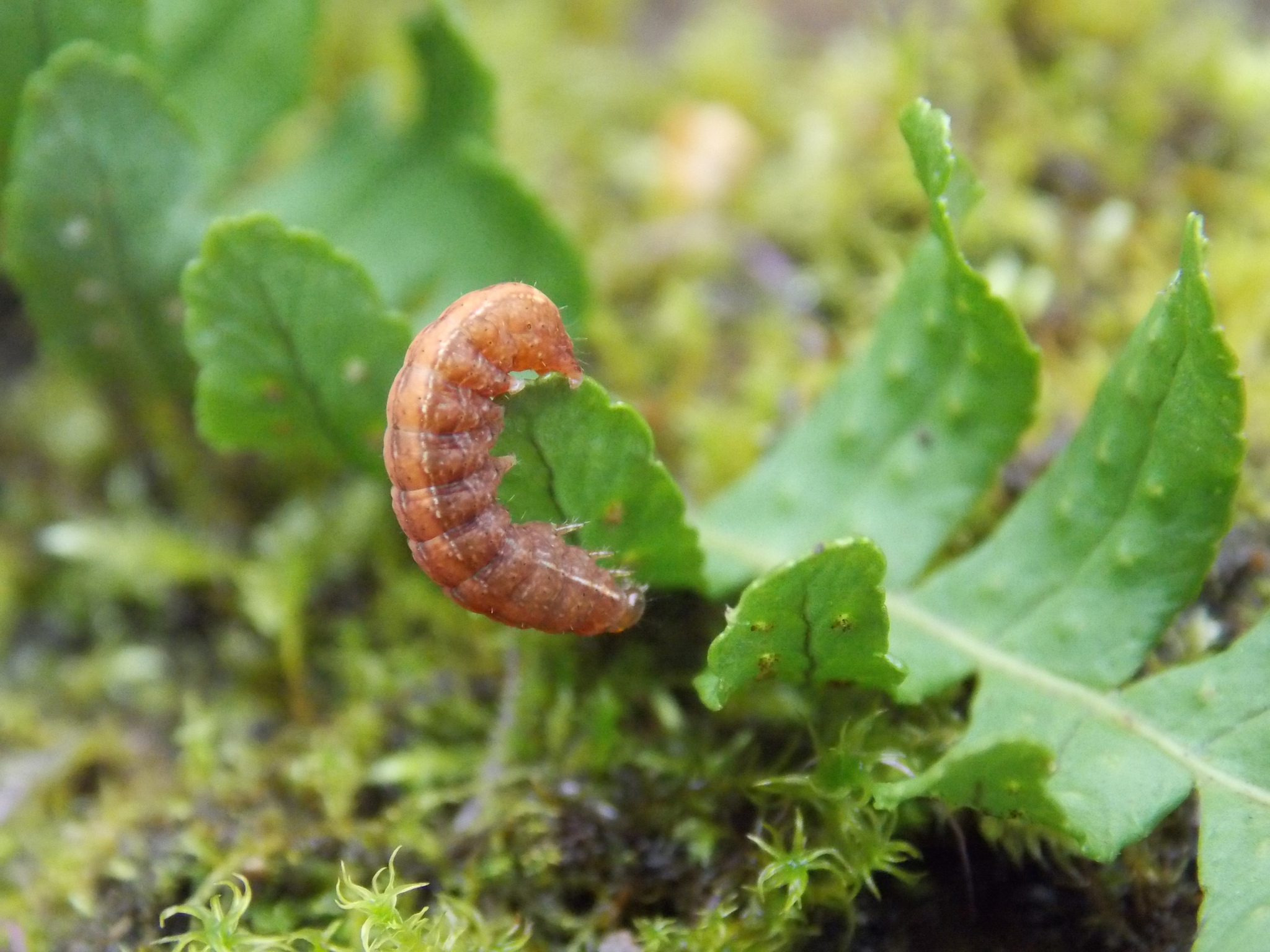
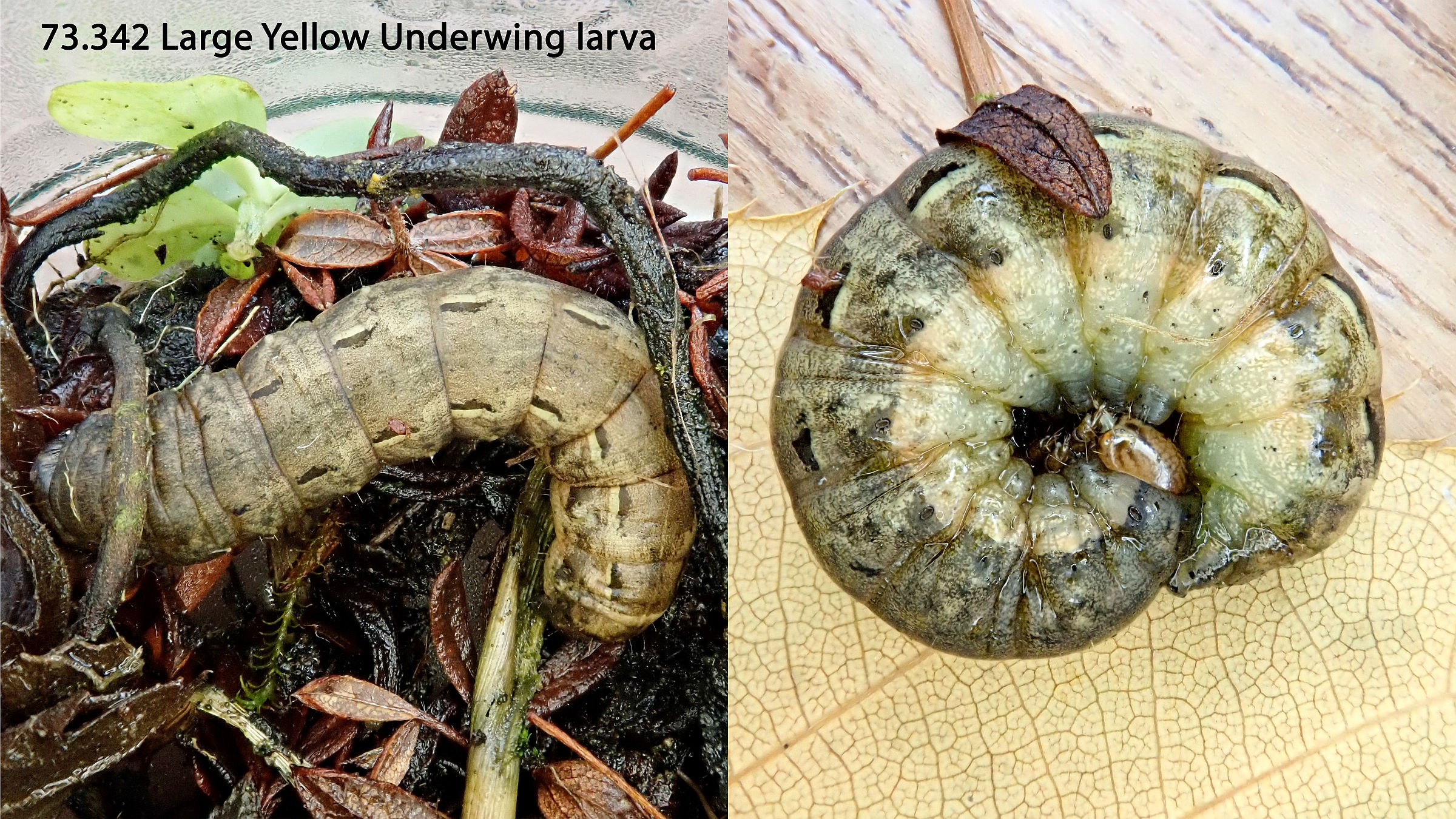
One protracted generation. Overwinters as a larva. Larvae August to early spring. Pupates underground.
Larval foodplants
A wide variety of grasses and herbaceous plants including docks, brassicas, marigolds, Foxglove and Annual Meadow-grass.
Habitat
Ubiquitous, present in a wide range of habitats.
History
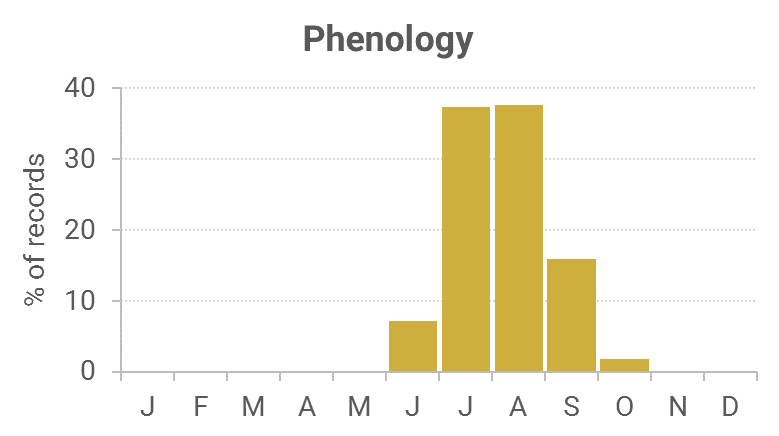
Lennon (1863) had stated it was abundant everywhere around the Dumfries area. Douglas Robinson (1870-71) had found it variable but swarming during July on Almorness (VC73). K.J. Morton of Edinburgh (1900) whilst on a visit in July 1899 to Wigtownshire had found this species in the Monreith area. Gordon (1913) also found it very variable and abundant everywhere in Wigtownshire. His early and latest dates being 14th June 1899 and 27th September 1905 respectively.
Sir Arthur Duncan (1909-84) during his lifetime had found it at Closeburn, Tynron and Castlehill, Dumfries (all VC72). Archibald Russell (1944) listed it as occurring near Gatehouse of Fleet (VC73) during the years 1942-43.
During the period 1974-92 the Rothamsted stations recorded about 500 records, then from 1992 to 2010 it was recorded from widespread sites across the region, with numbers of up to 300 at a site in one night, making it very abundant.