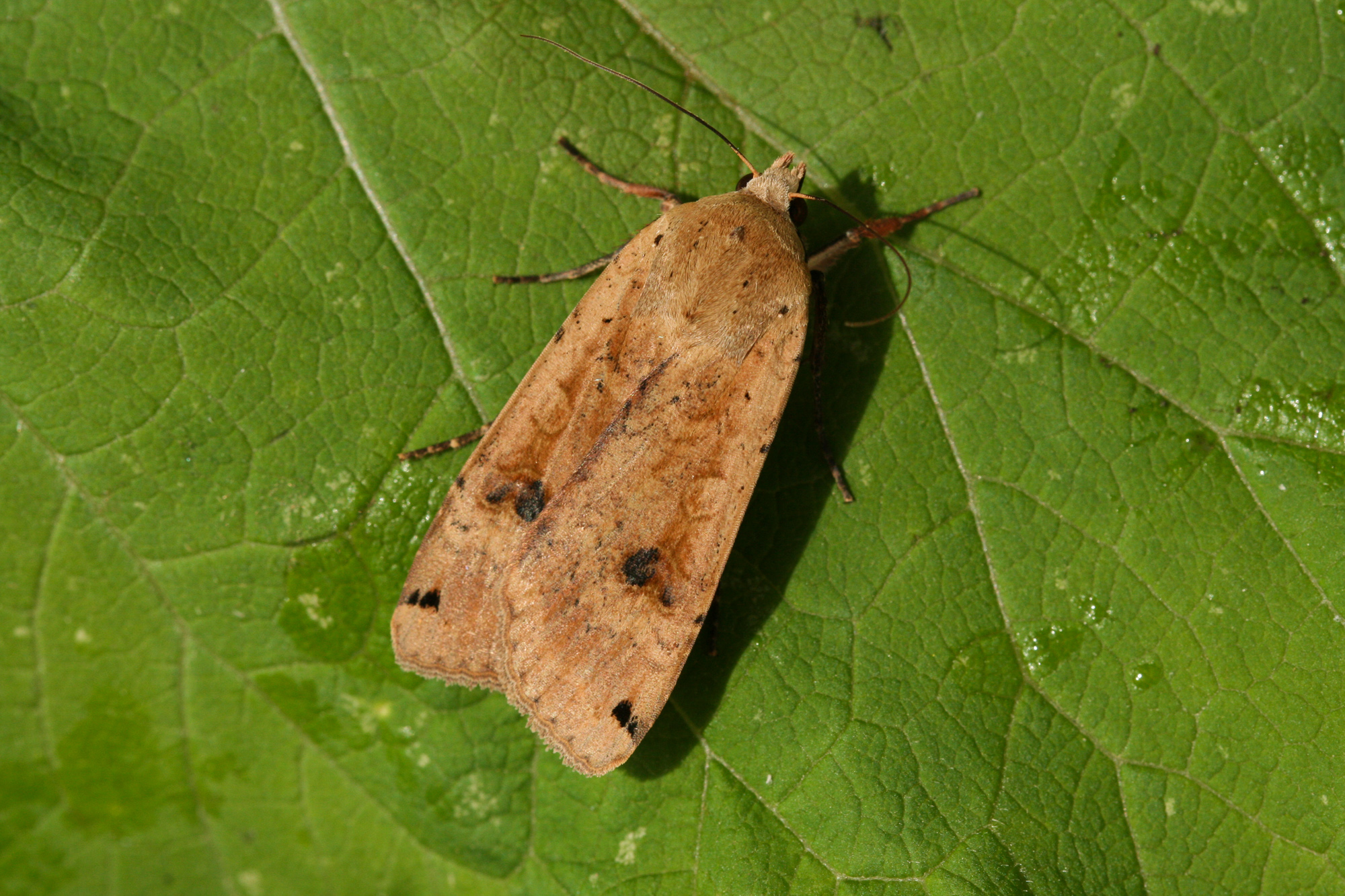
MOTW – Large Yellow Underwing
This is a moth which deserves proper recognition beyond the LYU abbreviation and the havoc that it can cause in moth traps where 300 individuals in one night is not that uncommon! This is our most common large moth and…
This is a moth which deserves proper recognition beyond the LYU abbreviation and the havoc that it can cause in moth traps where 300 individuals in one night is not that uncommon! This is our most common large moth and…
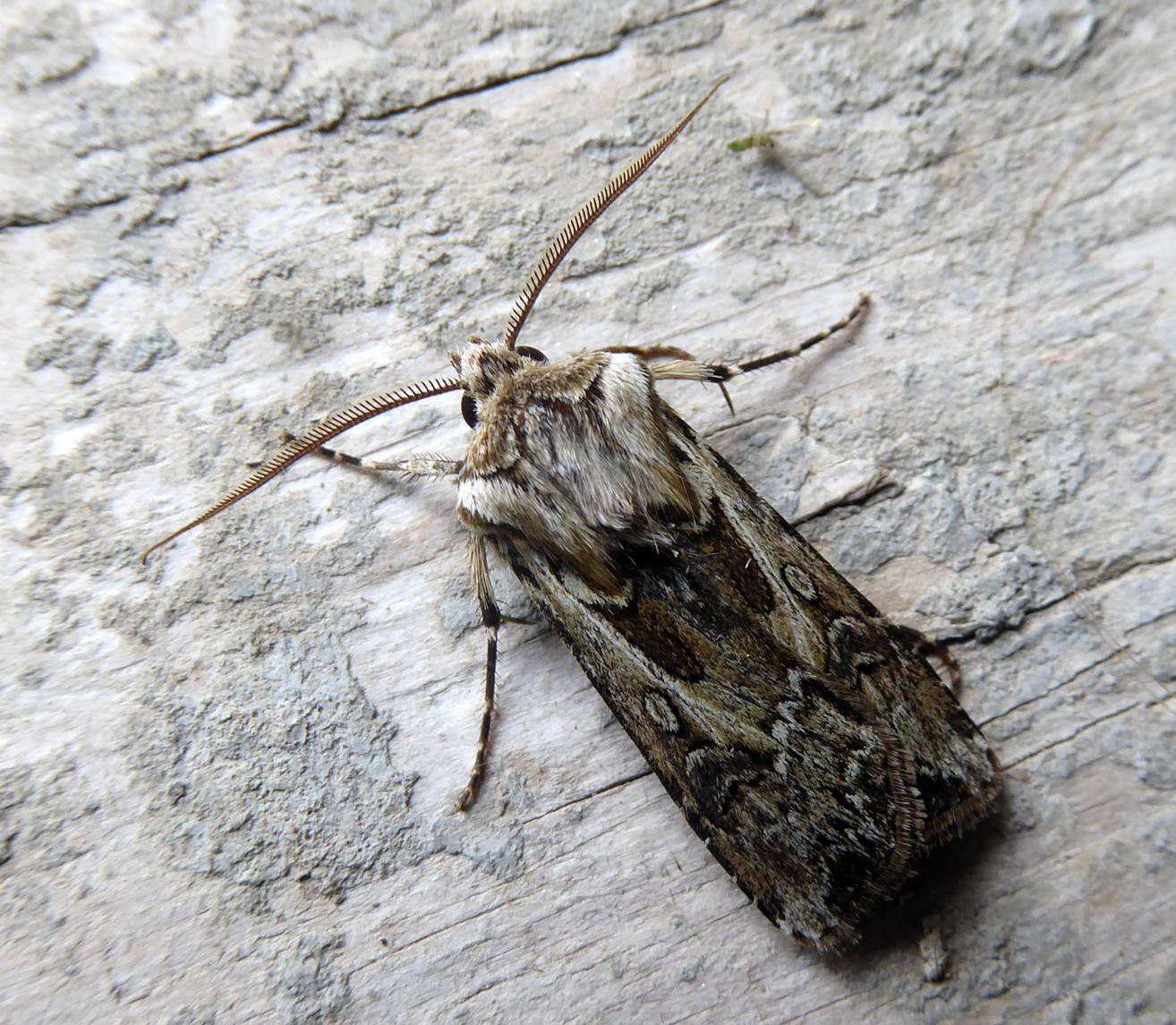
Although I do not know who Archer was, this is a very good looking moth with characteristic pale shoulder flaps, very clear oval marks and the big dark ‘darts’ next to them. Although there are several other ‘darts’ this one…
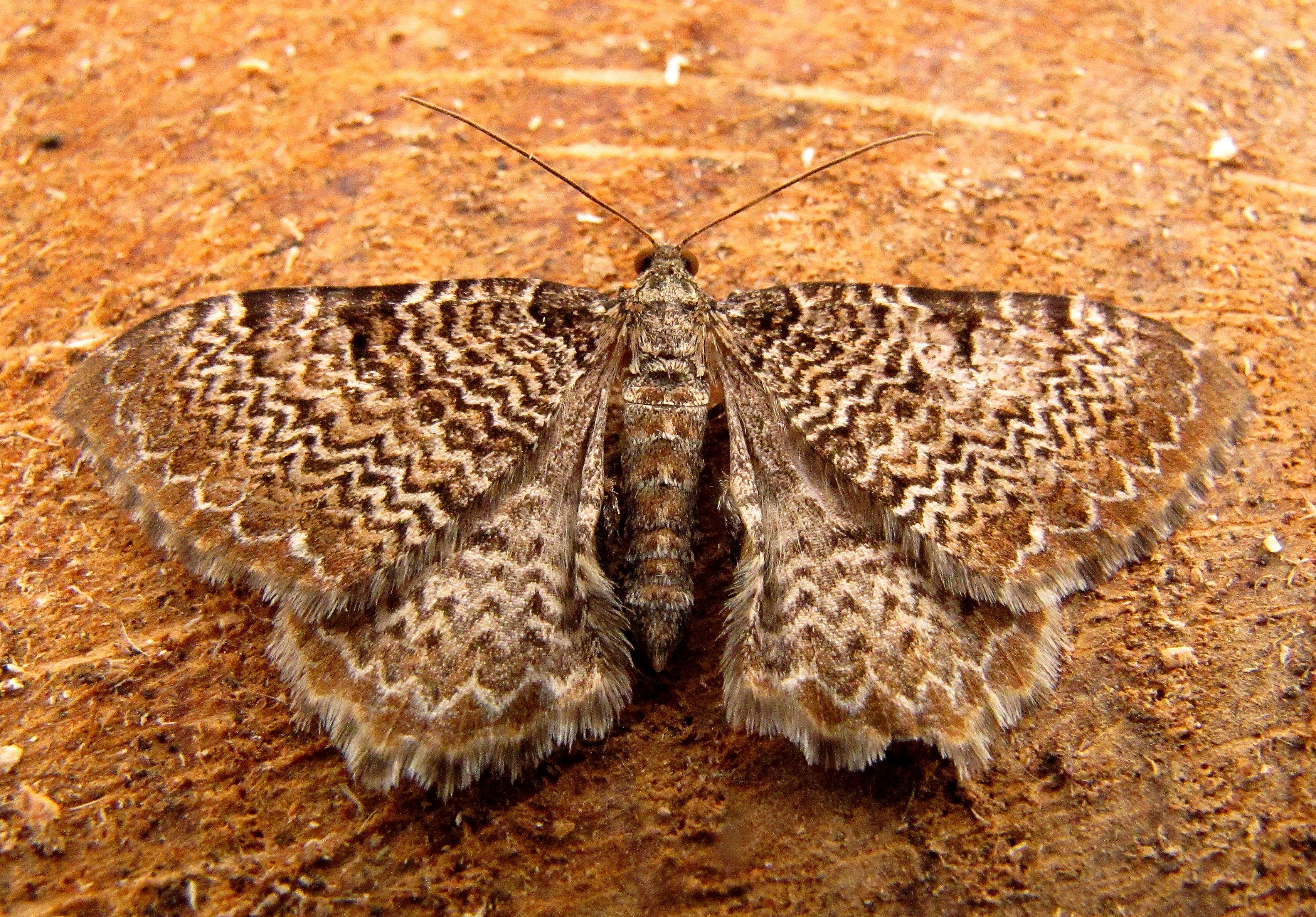
The adult Scallop Shell is unmistakable as no other UK moth has this pattern of sharp, parallel, jagged lines covering the wings. It has been found throughout D&G with 71 records since 1862. At the Scottish level it is a…
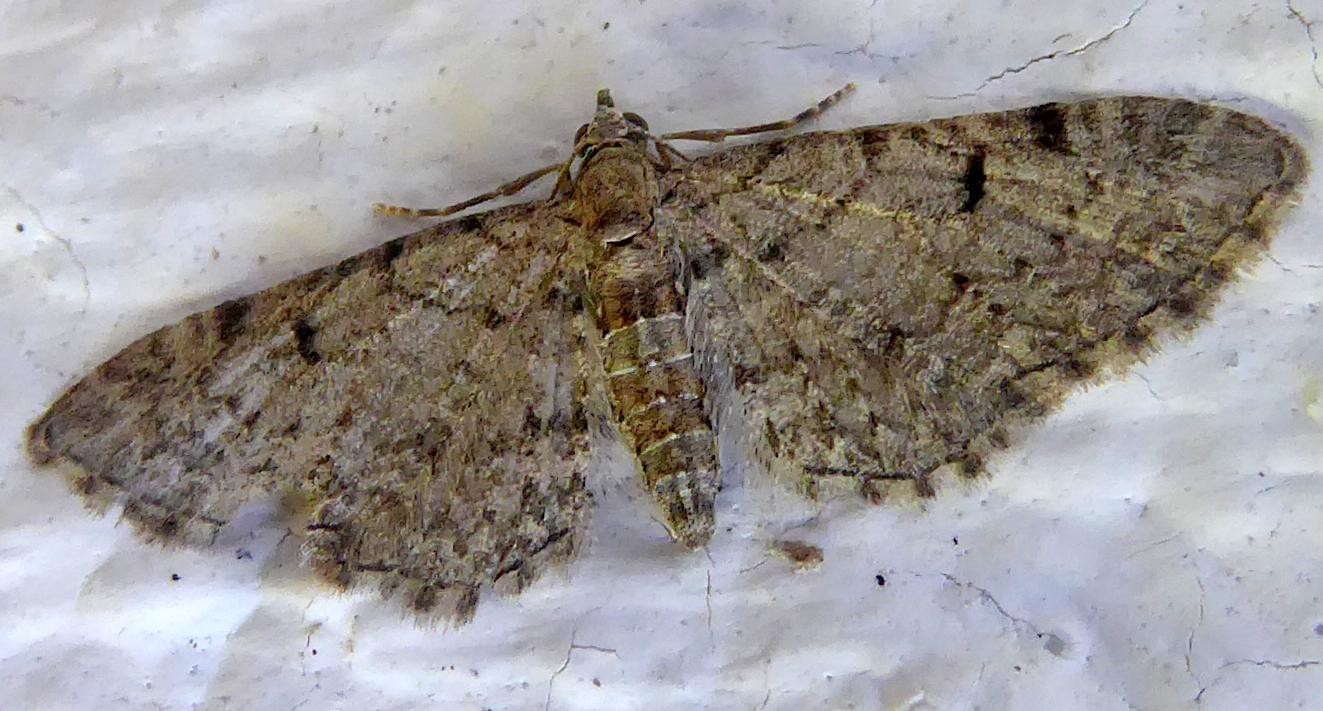
This week there is a break with tradition by not only featuring three species (of uncommon pug moths) which are on the wing now but also looking at the range of pug species found in D&G. Of course each of…
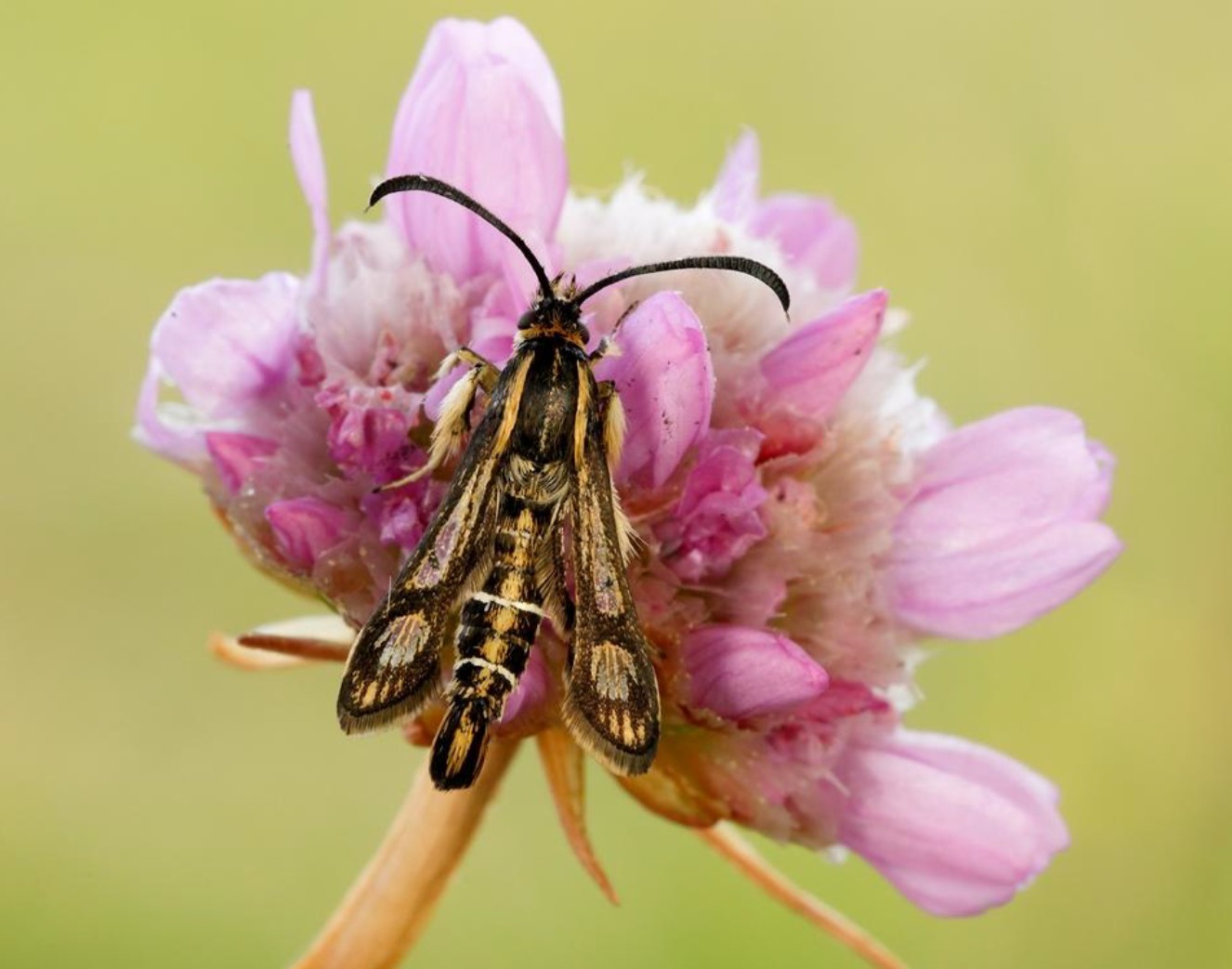
Clearwing moths have a certain mystique about them. All are day-flying and brightly coloured but despite that they are rarely seen and recorded. Of the 15 species found in GB 6 occur in Scotland but only 4 have been found…
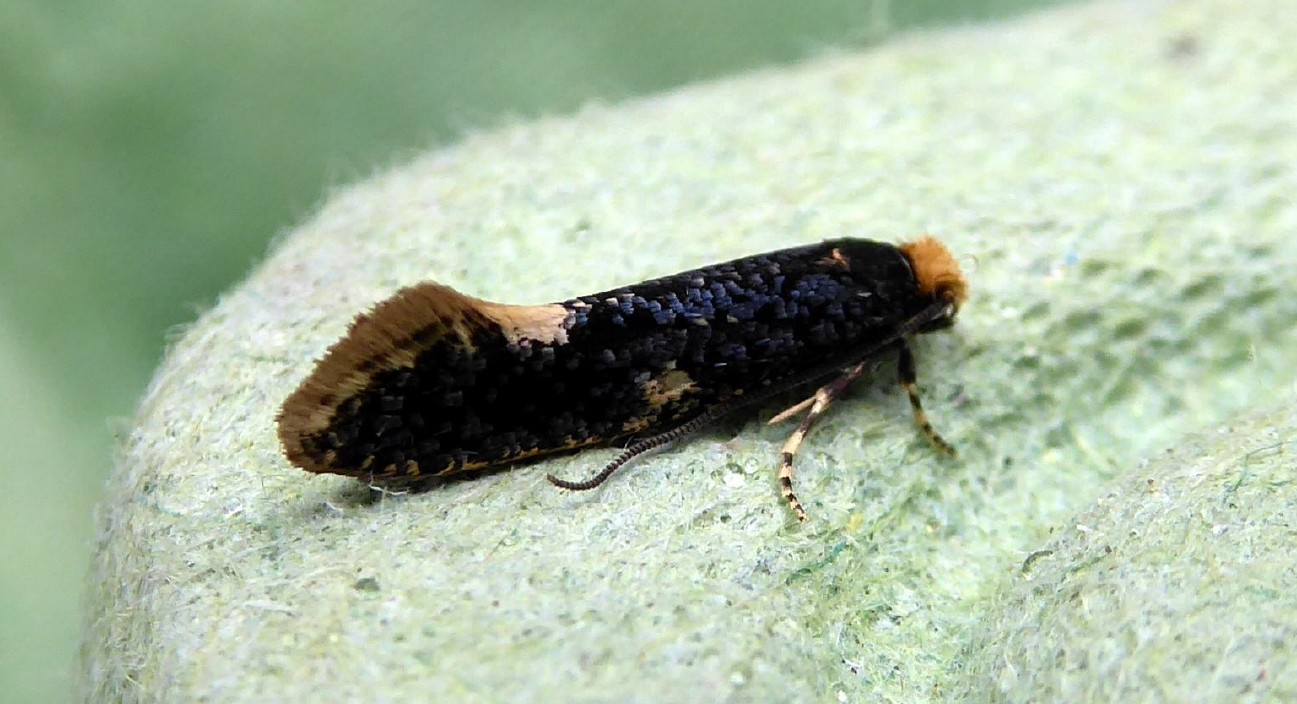
I couldn’t resist this one as it is a very beautiful moth with iridescent deep blue scales and a superb ginger head. The Carrion Moth is not a particularly common moth but a very widespread one occurring in almost every…
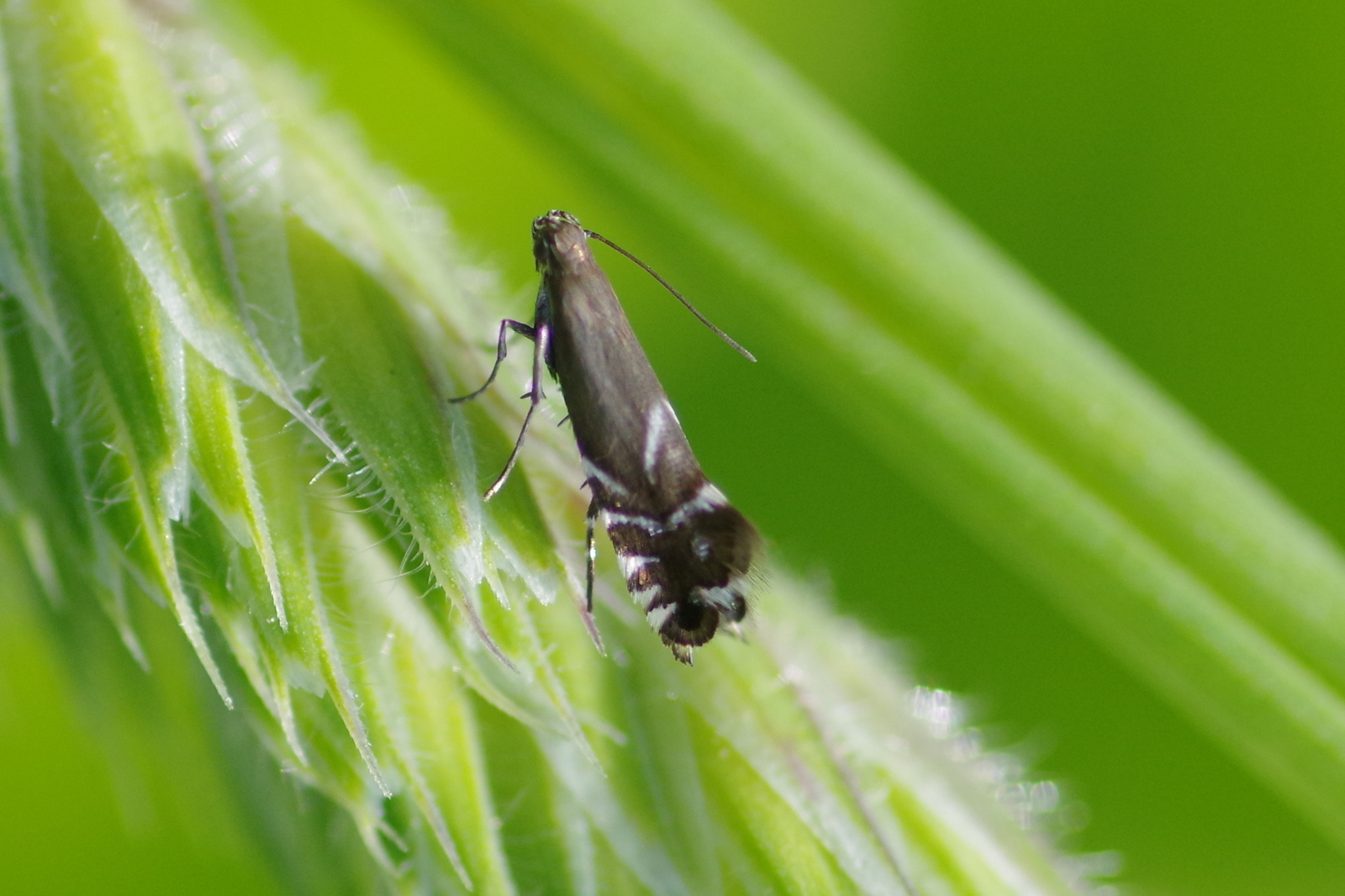
This is the first ‘micro-moth’ to make it to Moth of the Week. This is not before time as there are 956 species of micros in Scotland (from the BC Scotland Scottish Micro moth Distribution Maps 2019) compared to only…
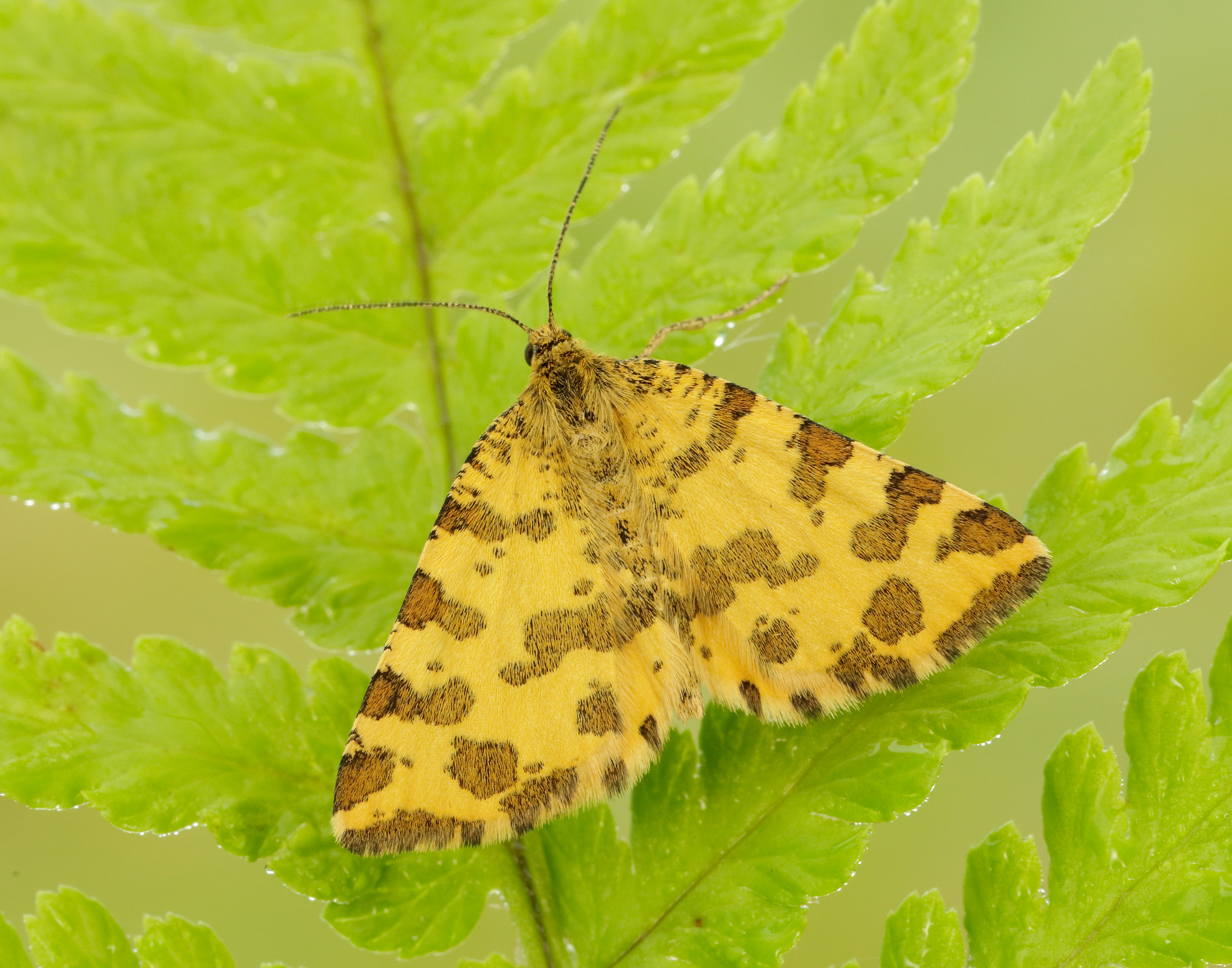
A beautiful, day-flying moth of open woodlands and woodland edges. It is on the wing in May and June with occasional individuals found into July. It is clearly a ‘western species’ throughout the UK but in Scotland it can be…
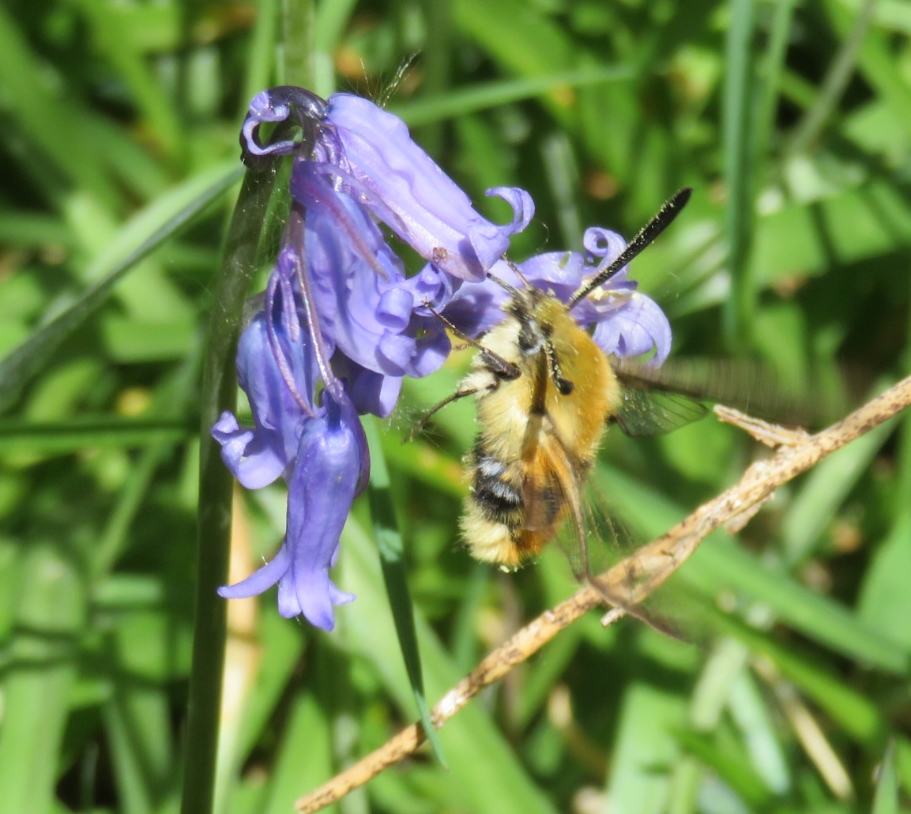
This is not a moth that anyone often sees despite the fact that it is day flying. A good mimic of the bumblebee, with its hairy body and clear wings, the Narrow-bordered Bee Hawk-moth is able to hover in front…
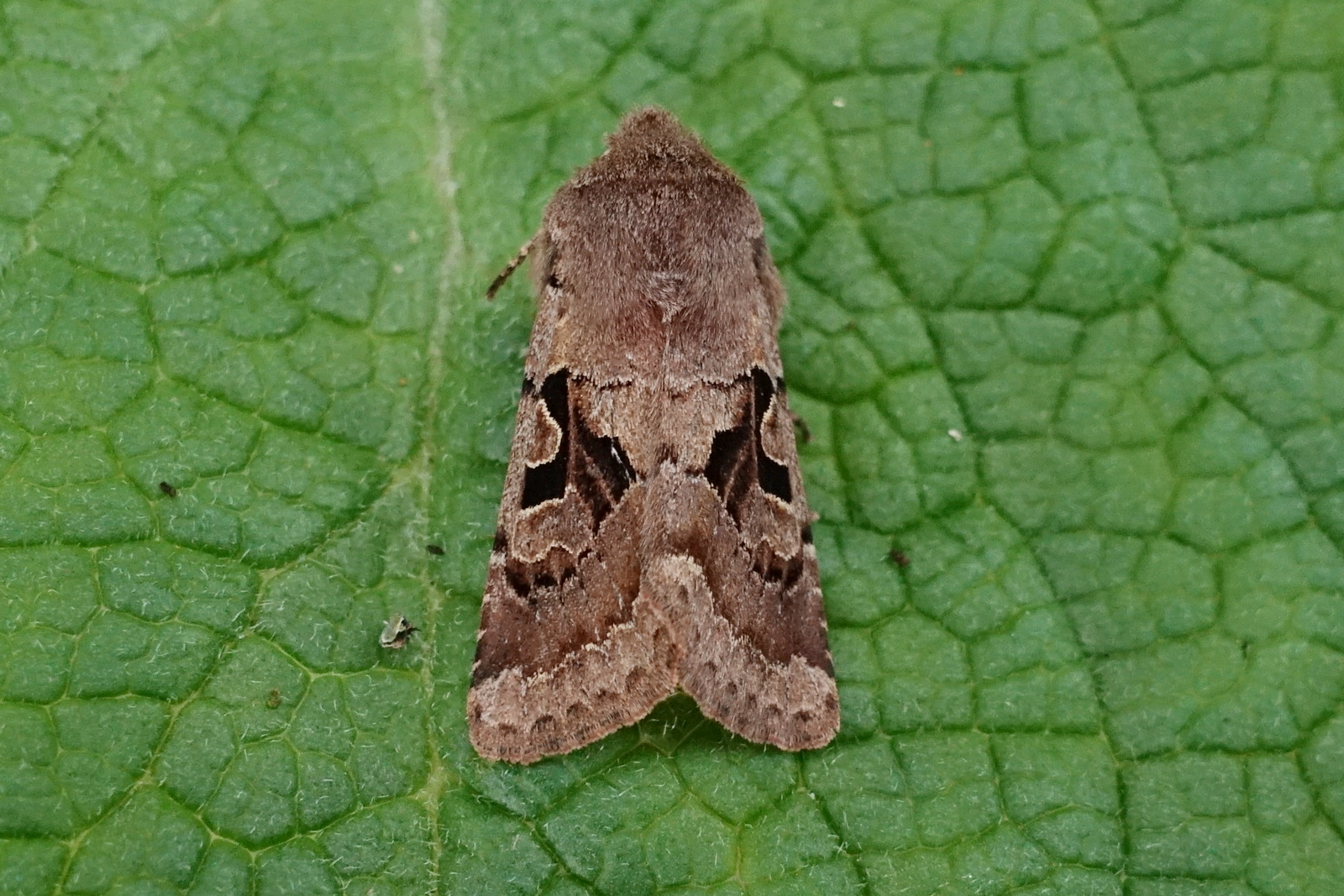
This week it is the turn of the Hebrew Character – one of the most distinct, widespread and abundant spring species we have in D&G. The moth is named after the diagnostic black mark on its forewing which looks similar…