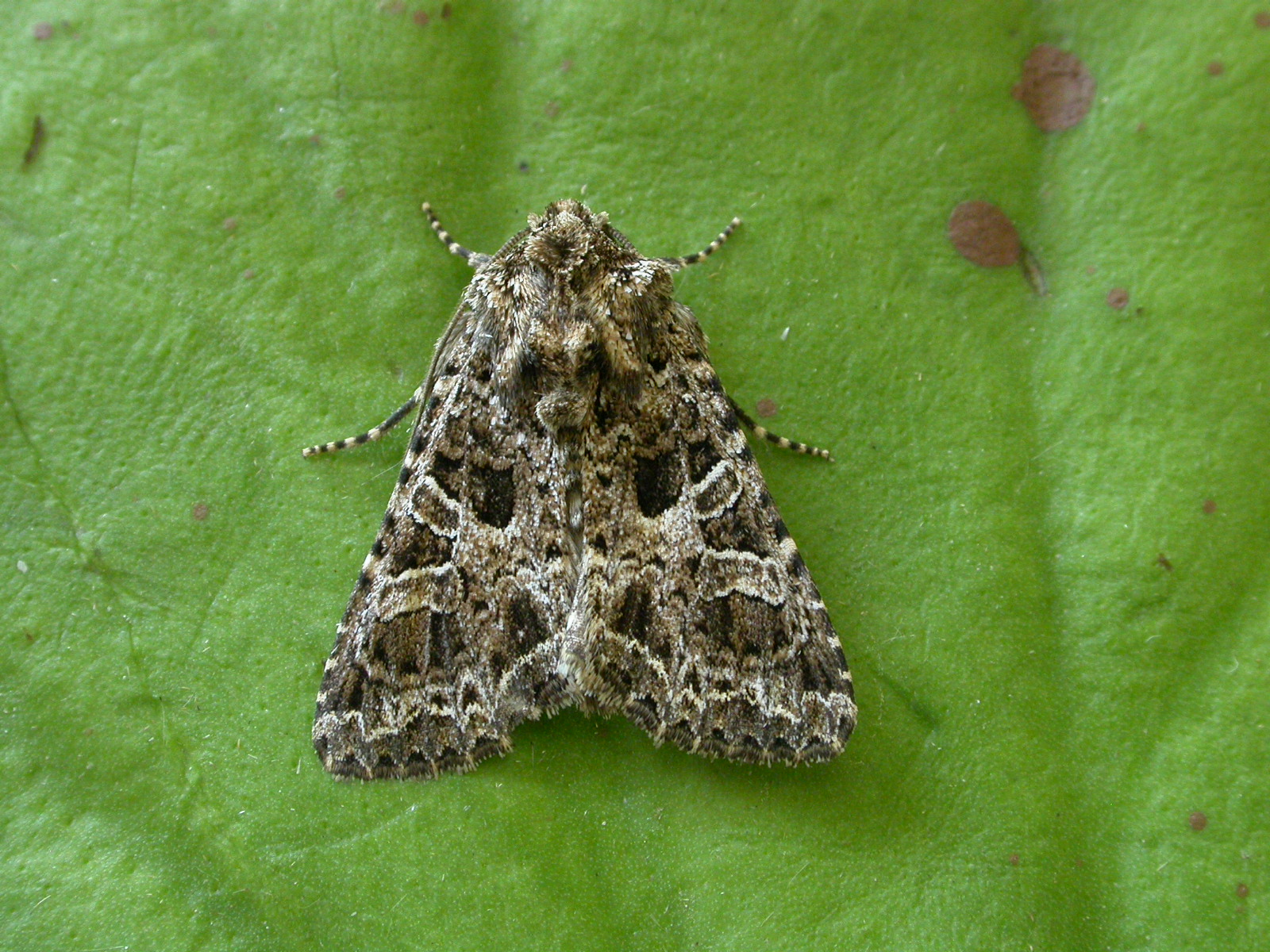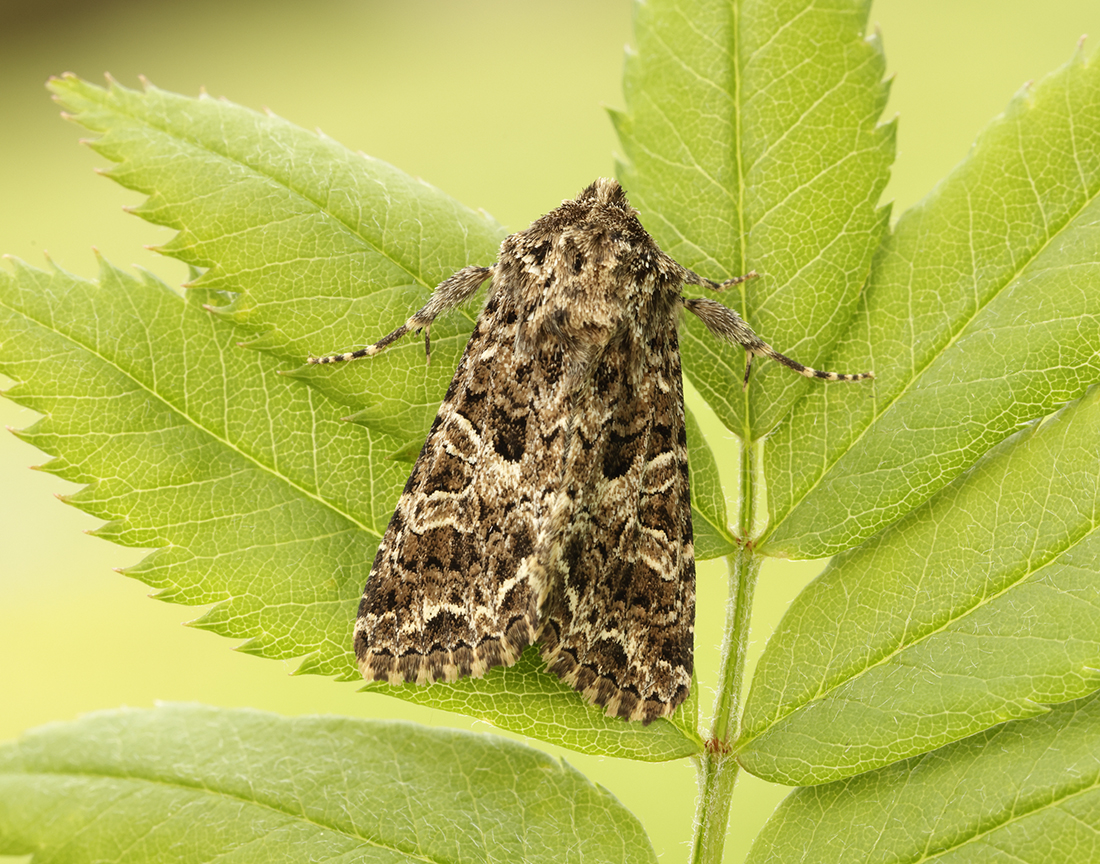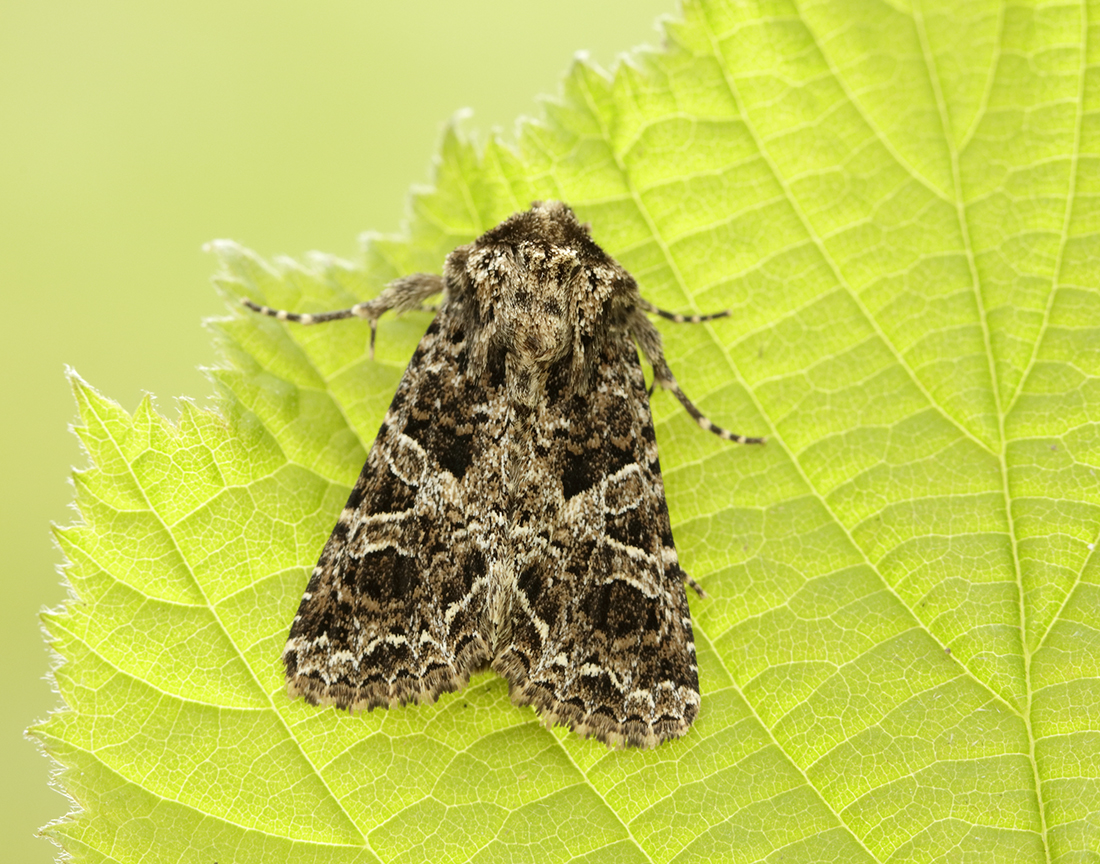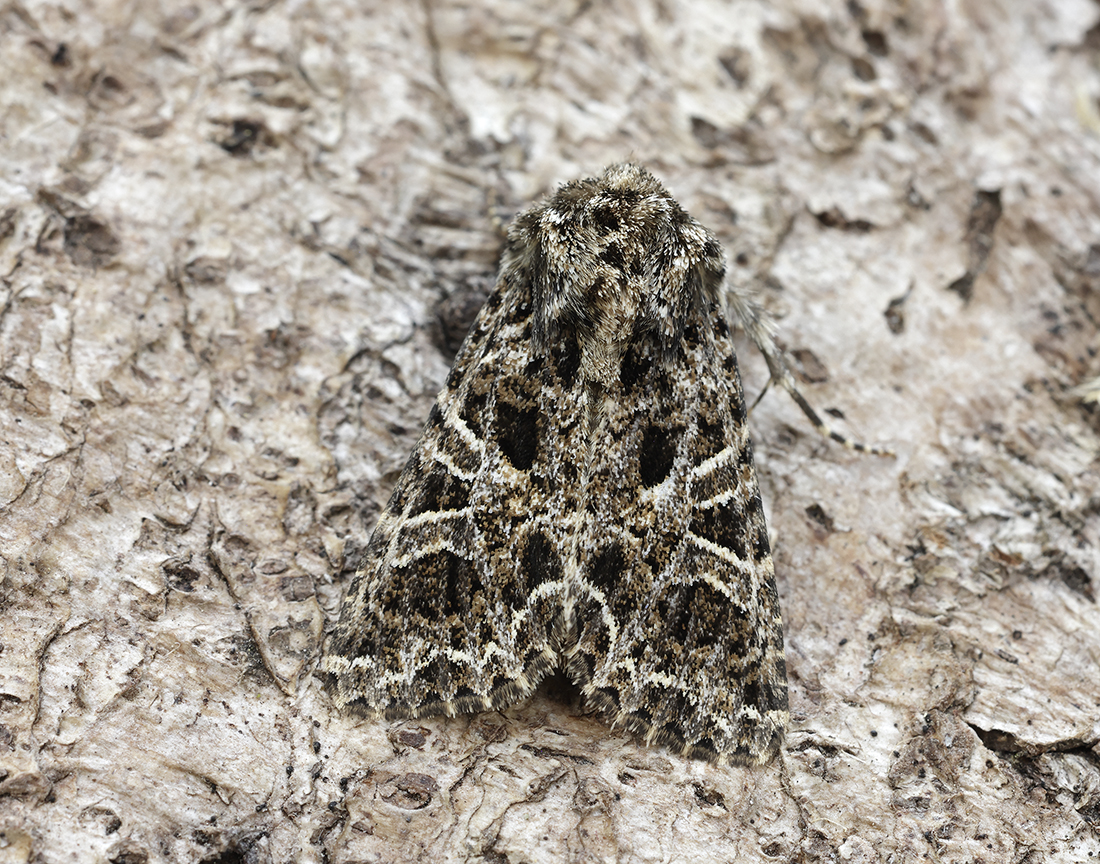

Red List: Least Concern (LC). GB Status: Common.
Identification
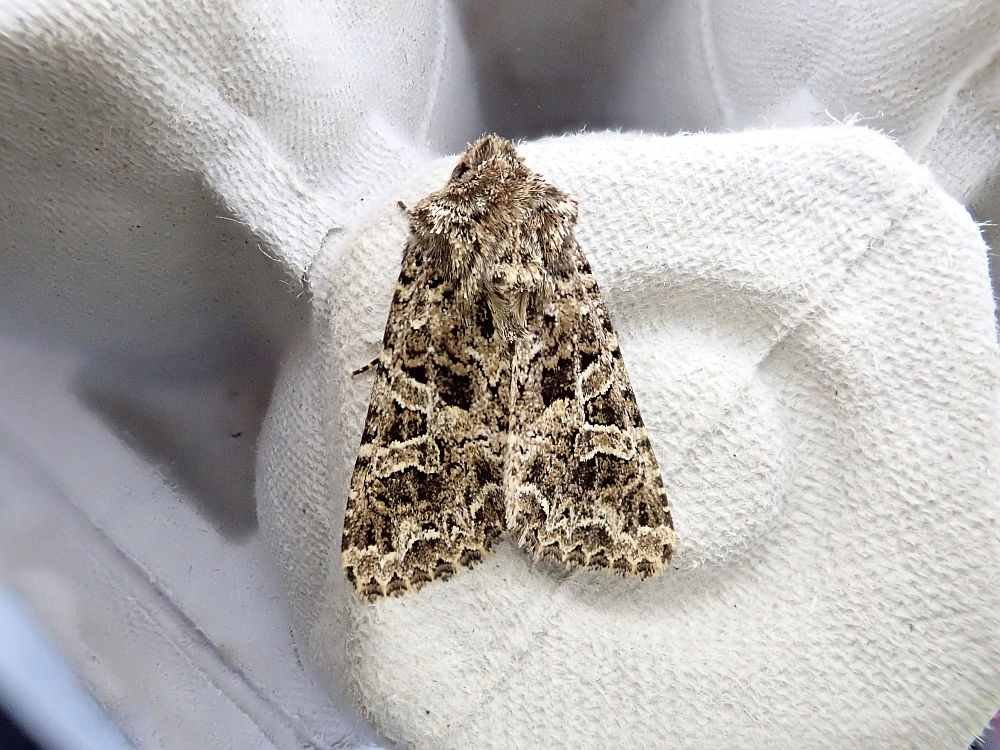
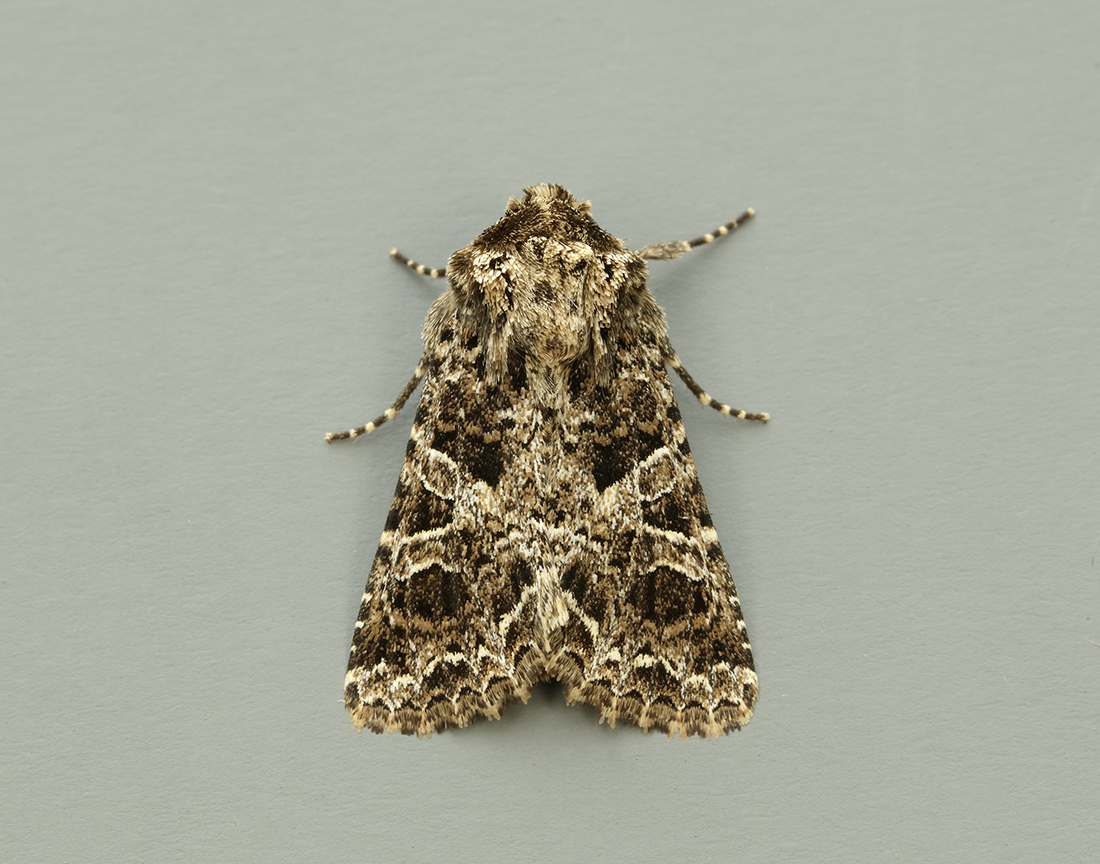
Usually distinctive. Care required, potential confusion with Campion.
Recording Method.
Attracted to light, also comes to flowers.
Life cycle
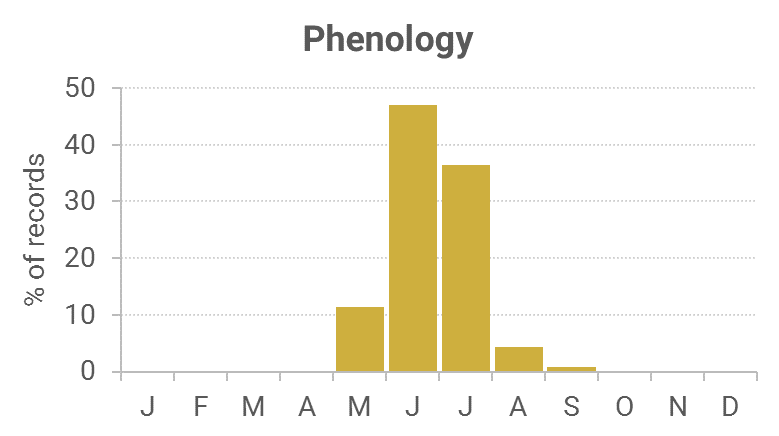
Two generations, the second. usually partial. Overwinters as a pupa. Larvae late June to early August, again September. Pupates in a cocoon underground.
Larval foodplants
The ripening seeds of Red Campion, White Campion and Sweet William.
Habitat
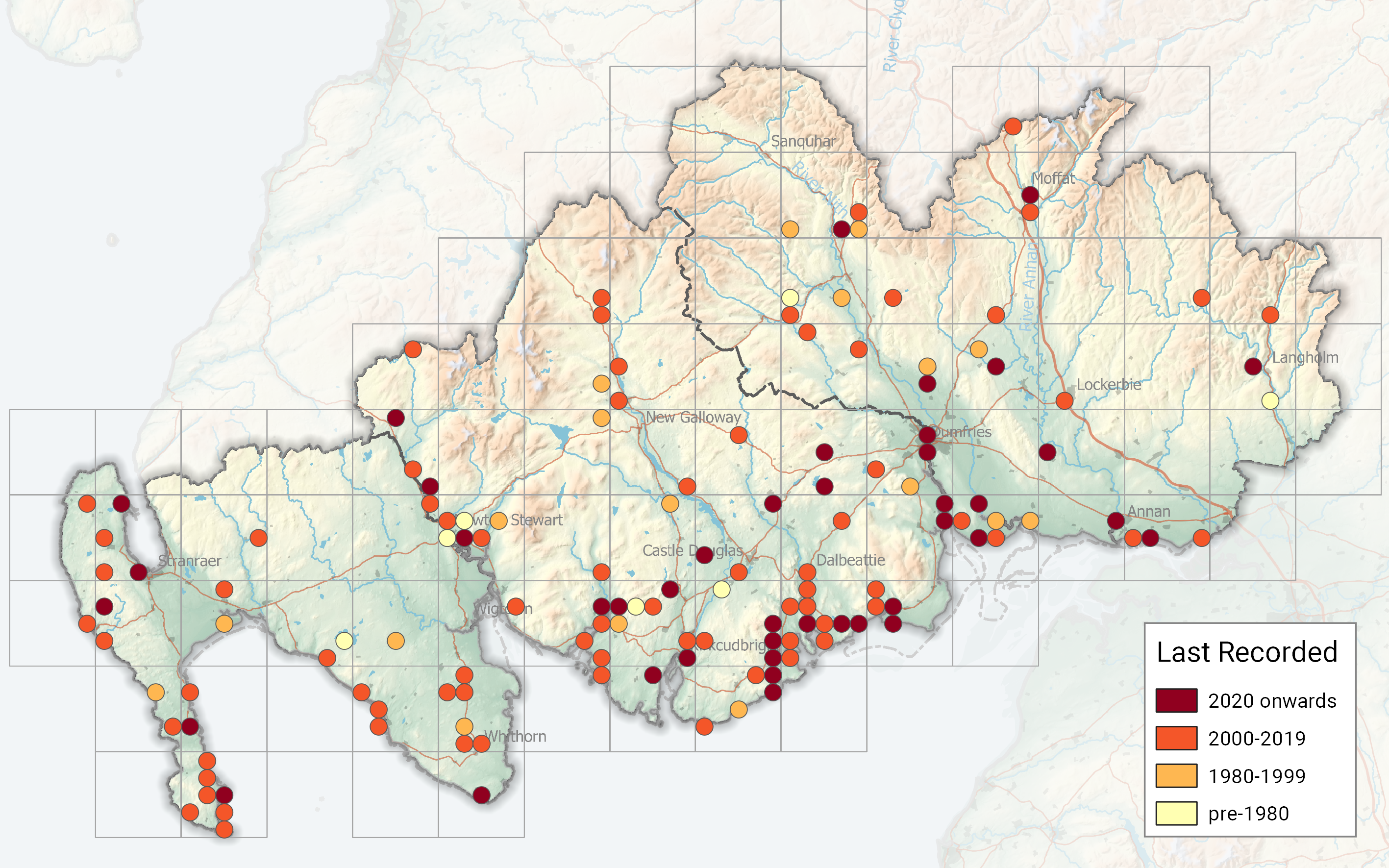
A wide variety including hedgerows, gardens, coastal areas and woodland.
History
Gordon (1913) had found it to be scarce, but recorded the first for the region when two were captured in Quhillart meadows, Corsemalzie, Wigtownshire on 27th June 1896. Another, was found at Castle Loch, Mochrum, on 25th June 1897, with another at pinks in his garden at Corsemalzie on 5th July 1905.
Sir Arthur Duncan (1909-84) during his lifetime had found it at Closeburn, Tynron and Castlehill, Dumfries (all VC72). Archibald Russell (1944) listed it as occurring near Gatehouse of Fleet (VC73) during the years 1942-43.
During 1974-92 there just over one hundred records from six of the Rothamsted stations, caerlaverock not recording it. From 1992 to 2010 the regular trapped sites at Kirkton, Cally Woods, Kirkcudbright, Forest Moor and Old Torr recorded a lot of records out of the 250 or so during that period, with others coming from widespread sites across the region.