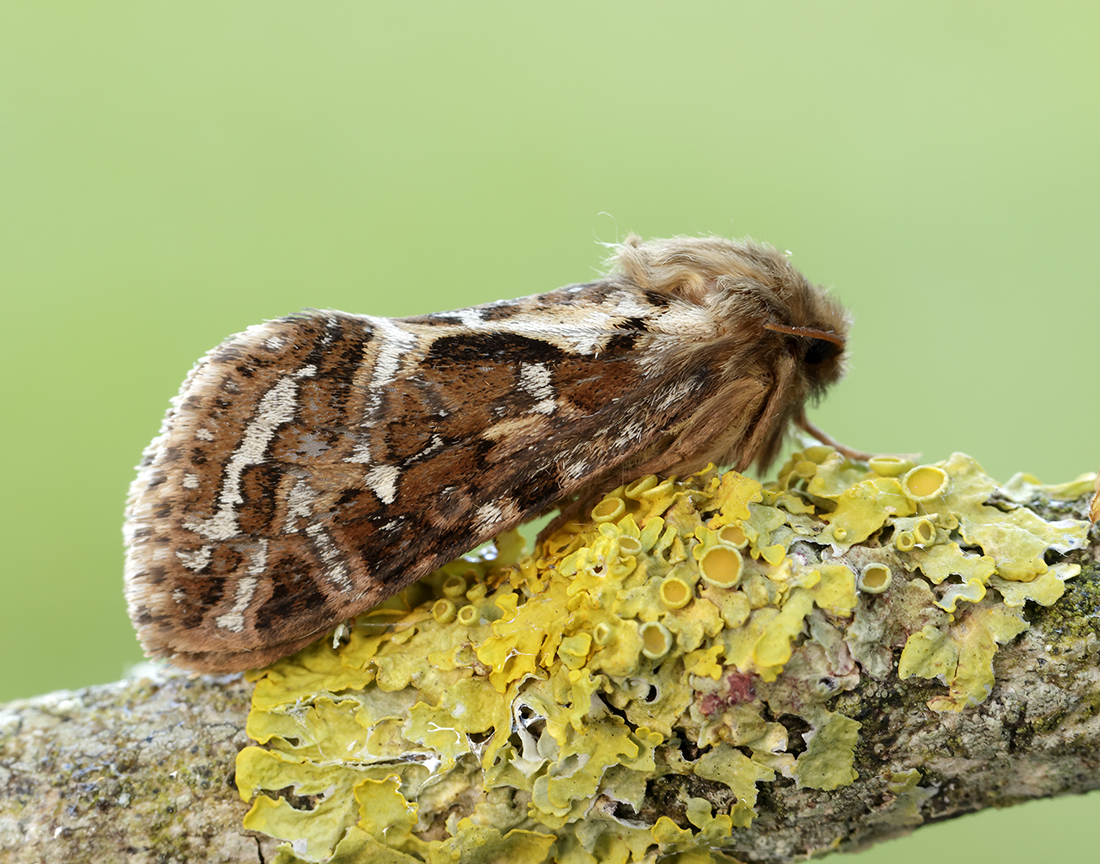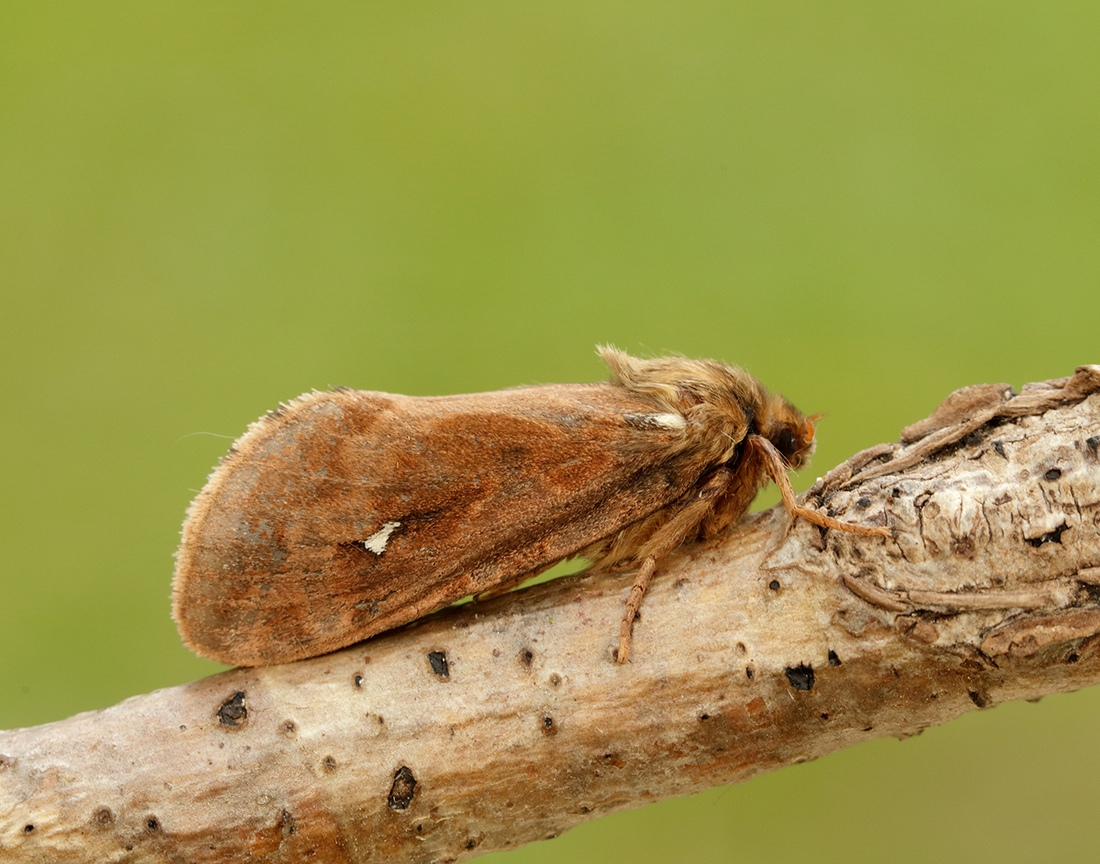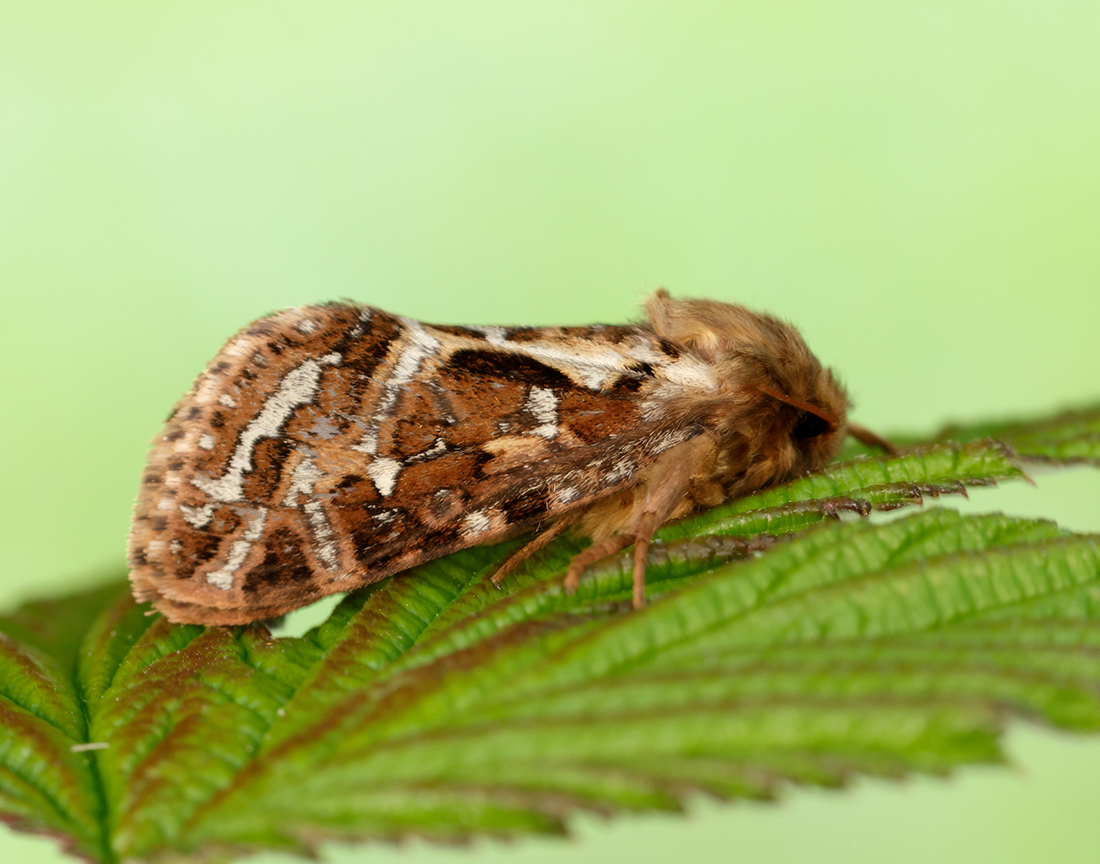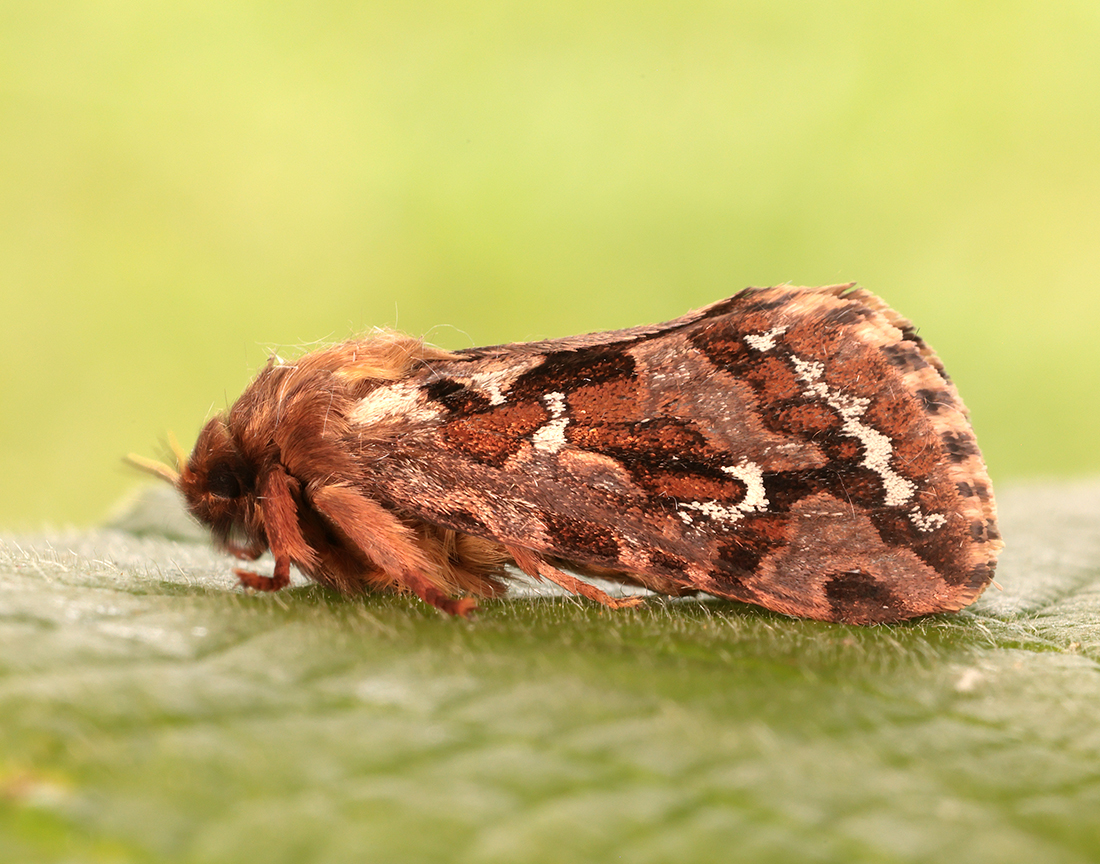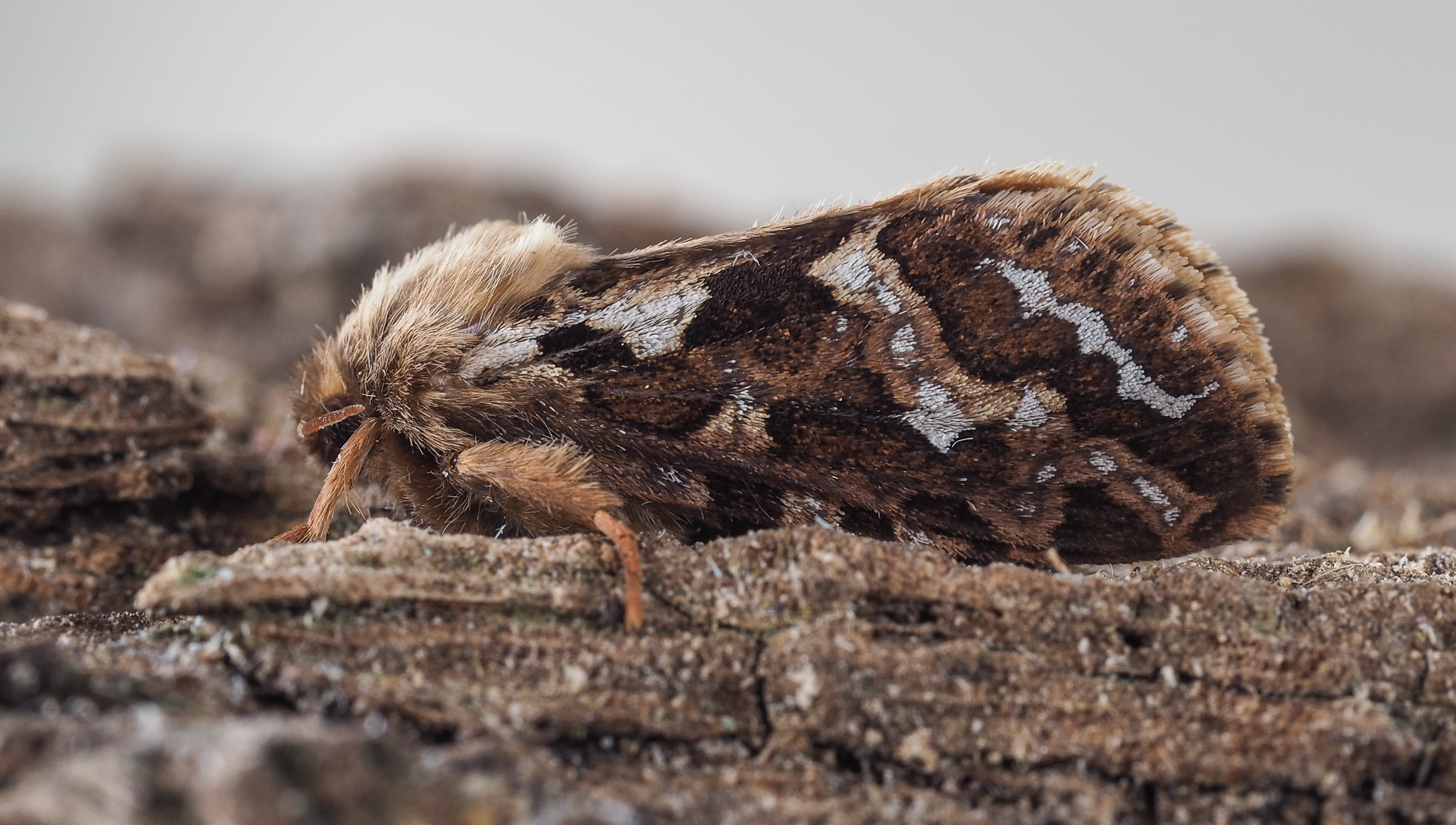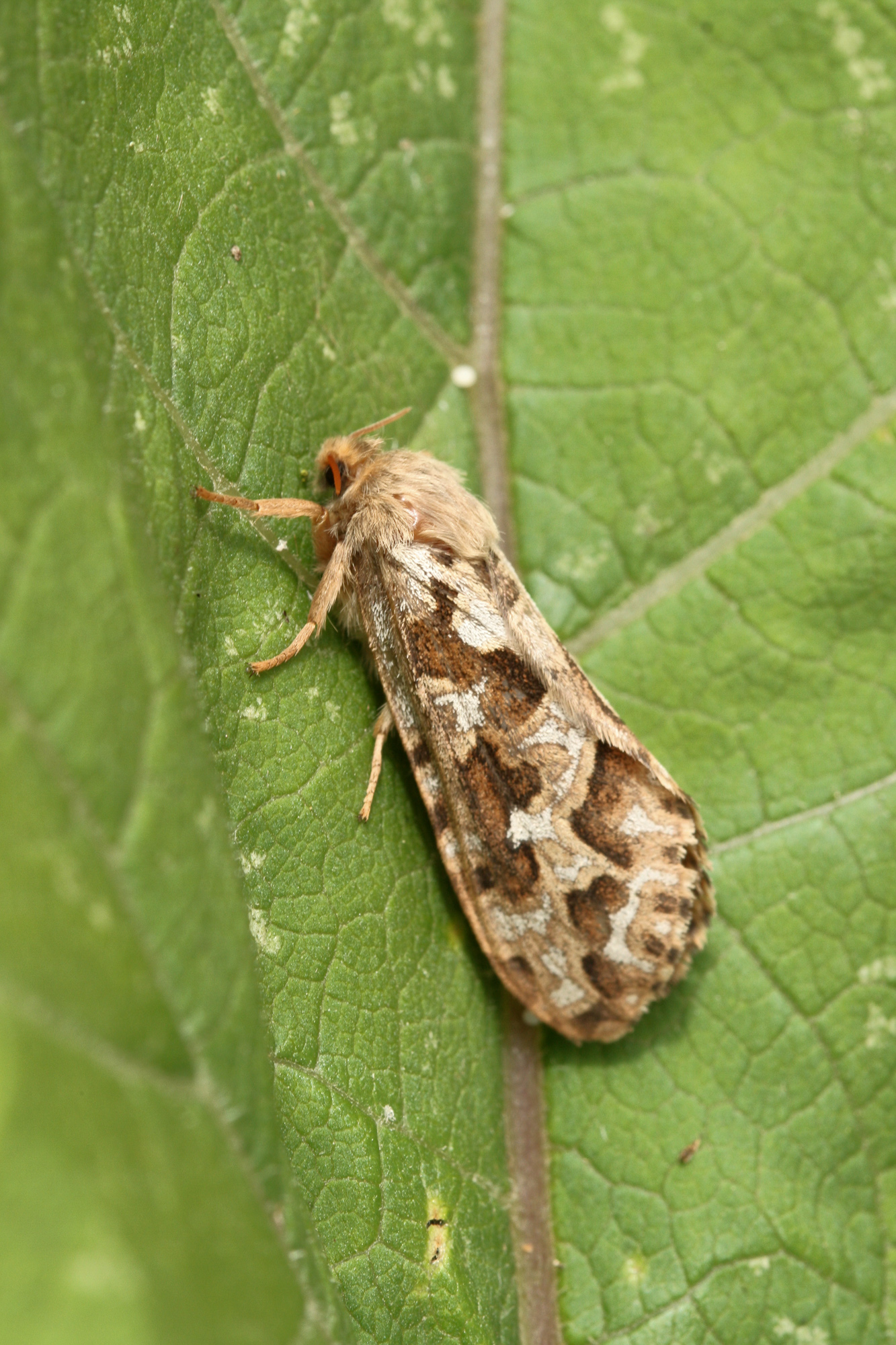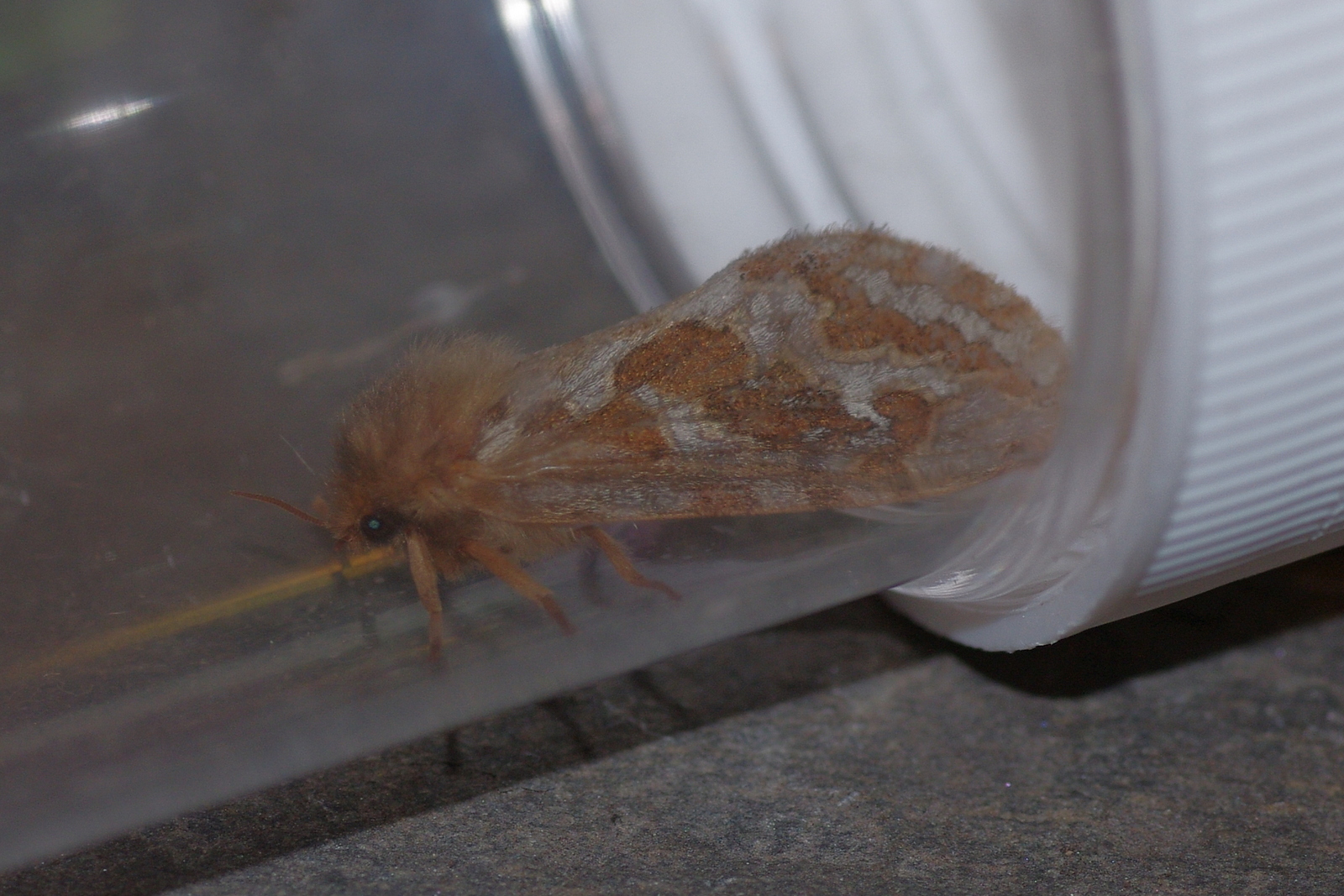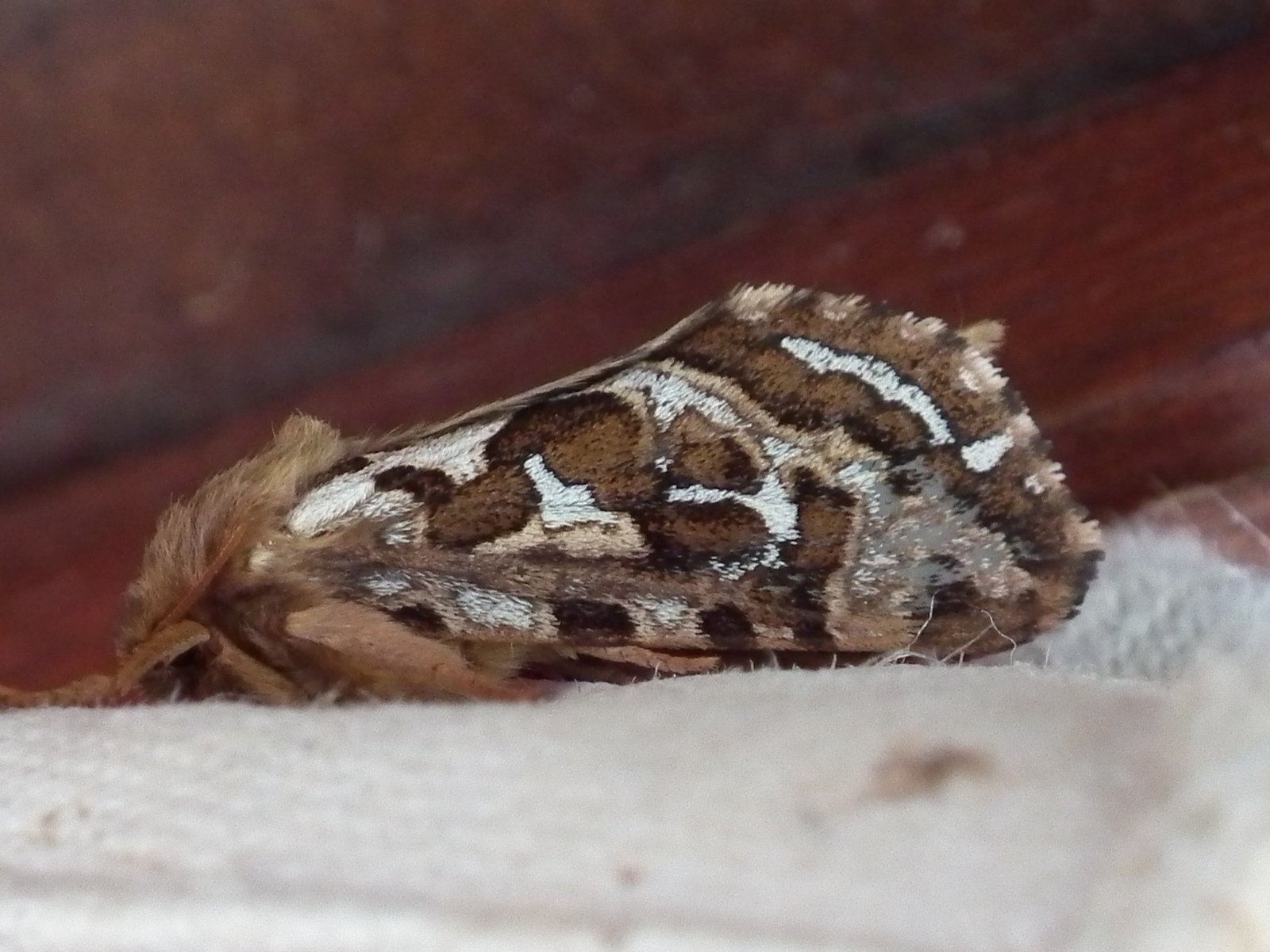

Red List: Least Concern (LC). GB Status: Common..
Identification
Usually distinctive.
Recording Method.
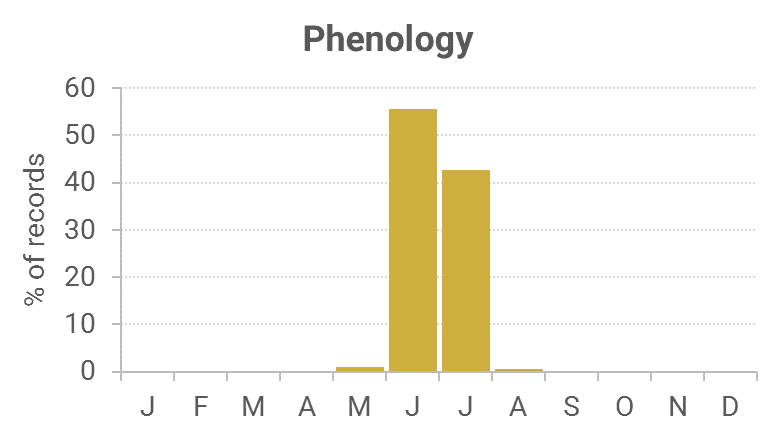
Flies at dusk. Attracted to light, sometimes in large numbers.
Life cycle
One generation. Overwinters twice as a larva. Larvae July to May. Pupates underground.
Larval foodplants
Larvae feed on the roots of Bracken, as well as other herbaceous plants.
Habitat
Moorland, rough pasture, heathland and open woodland.
History 1860-2010
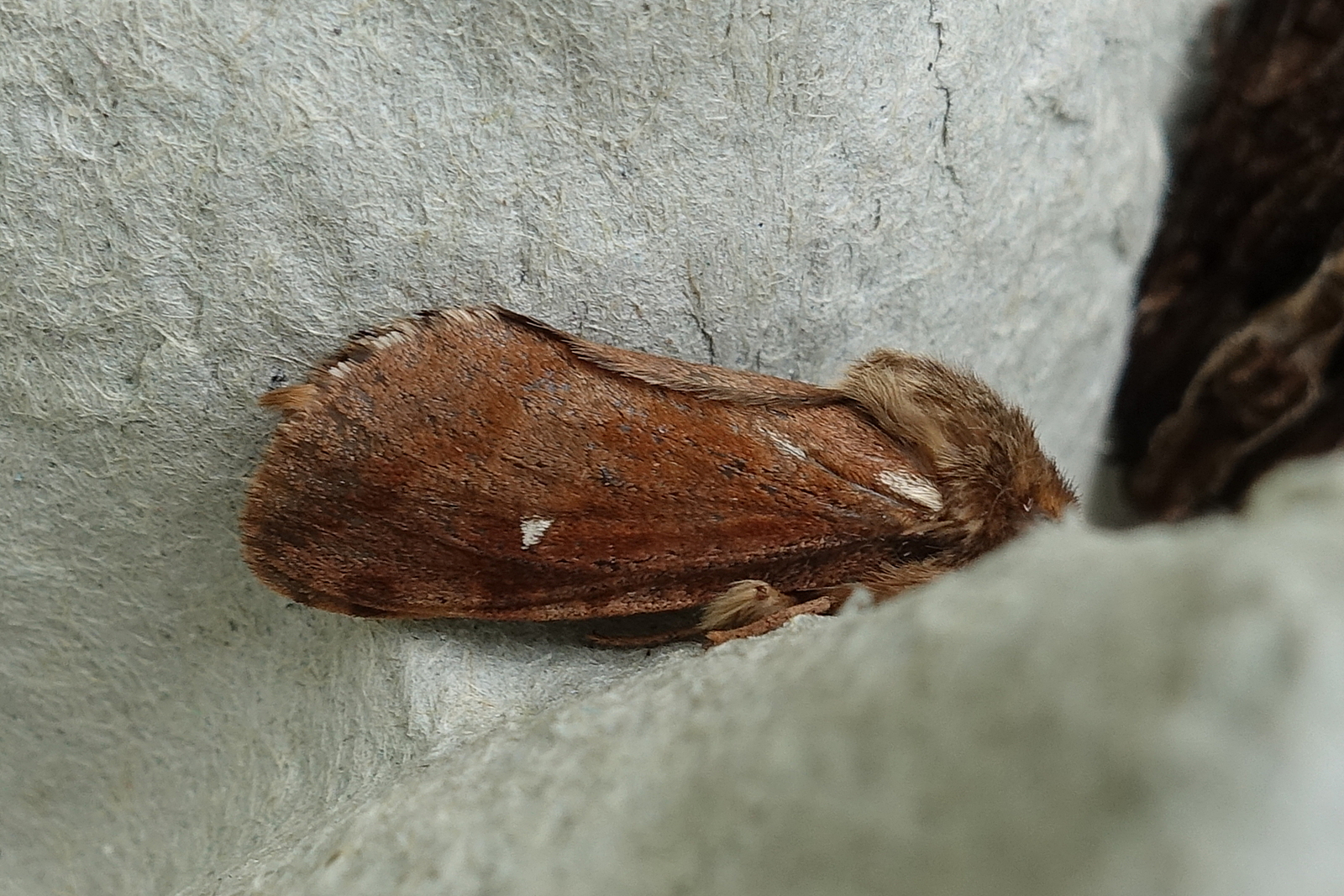
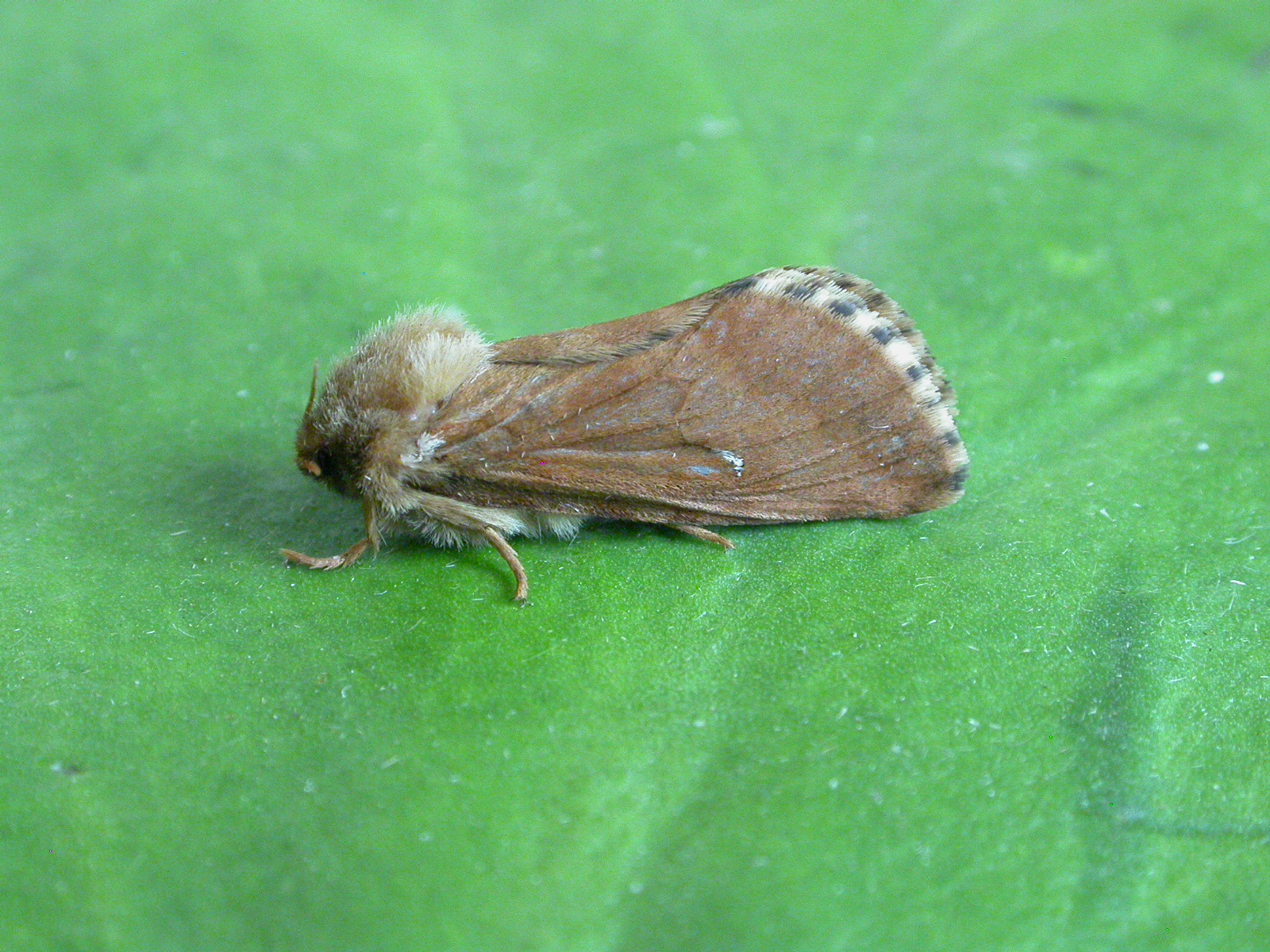
Lennon (1863) had stated it as uncommon, but had found it on Tinwald Downs (VC72). W. Douglas Robinson (1870-71) had found it abundant in June on Almorness (VC73). Francis Buchanan White of Perth (1895) in his ‘Lepidoptera’ recorded in Colvend parish (VC73) listed Hepialus valleda and var. gallicus. Gordon (1913) had stated it to be “common on roadsides, and often abundant among bracken at or just after sunset, June and July.” In 1906 on 6th and 8th June the form gallicus Lederer was taken along with the nominate type.
MOGBI (1983) had only one 10km square post 1960 record and that was for Wigtownshire. Pelham-Clinton (1983) trapped it at Barony College (VC72) during the Scottish Entomologists’ visit in July 1982. There are just over 100 records from the Rothamsted data during 1975-93.
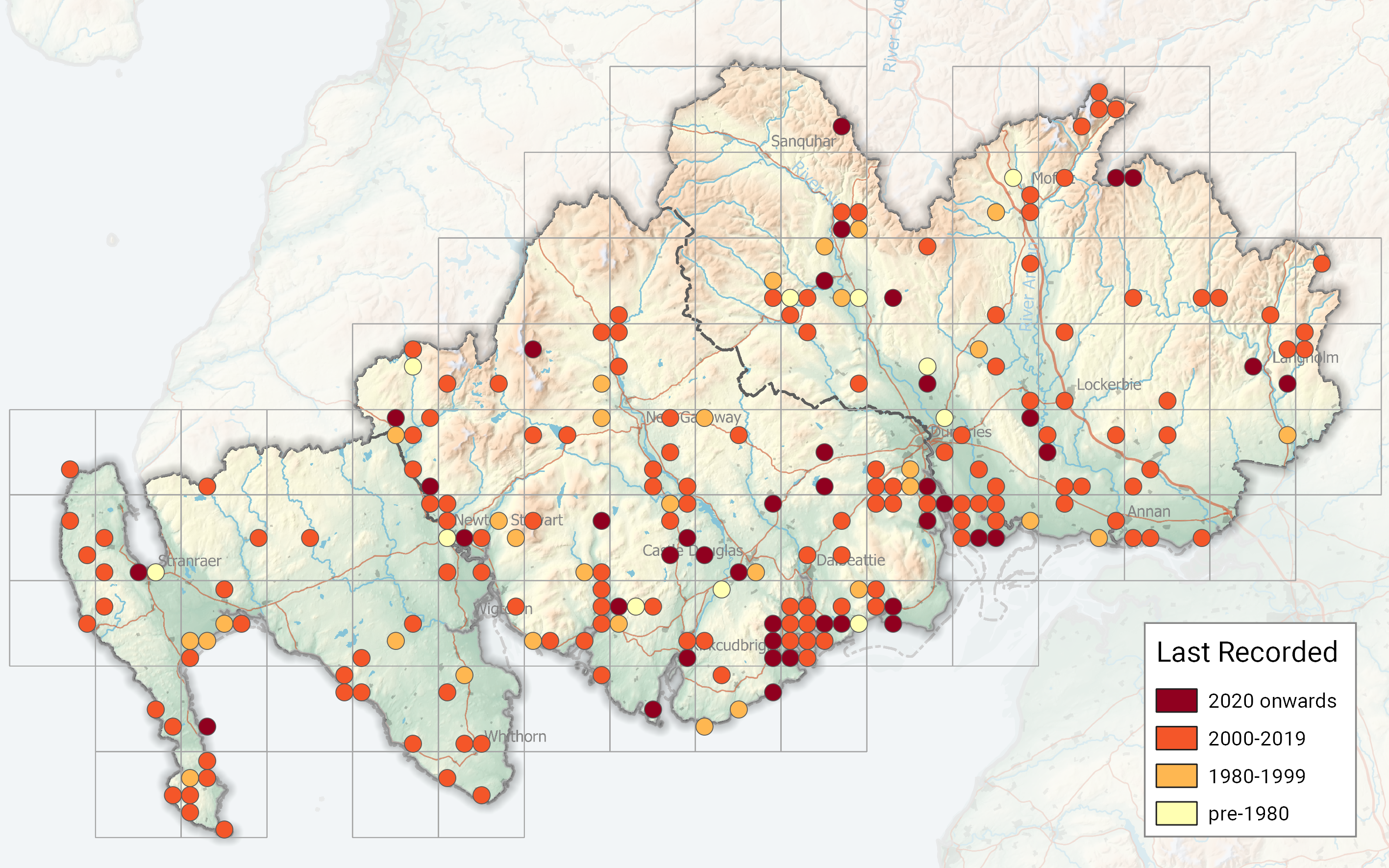
With records nearing 500, equally for all three VCs, it is the most frequent species of swift moth, both forms occurring across the region within the same localities.
The form gallicus Lederer, 1853 with over twenty records had been recorded from all three vice-counties.