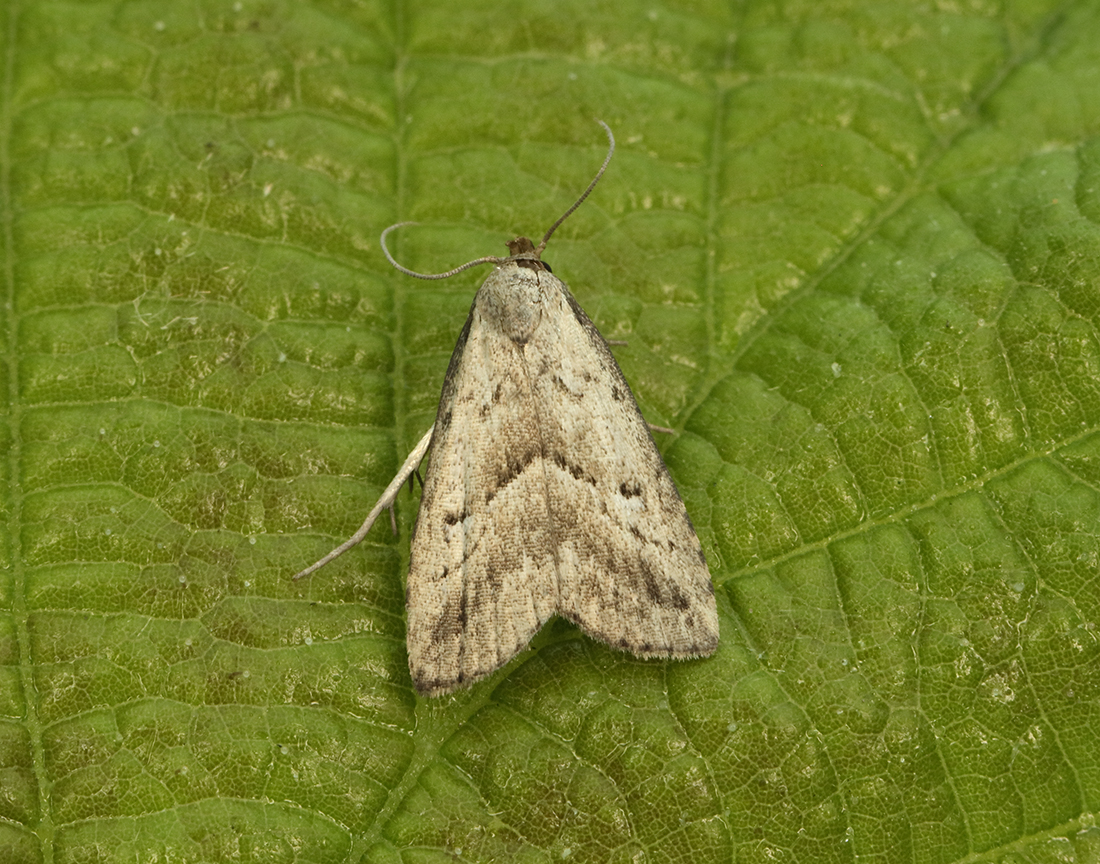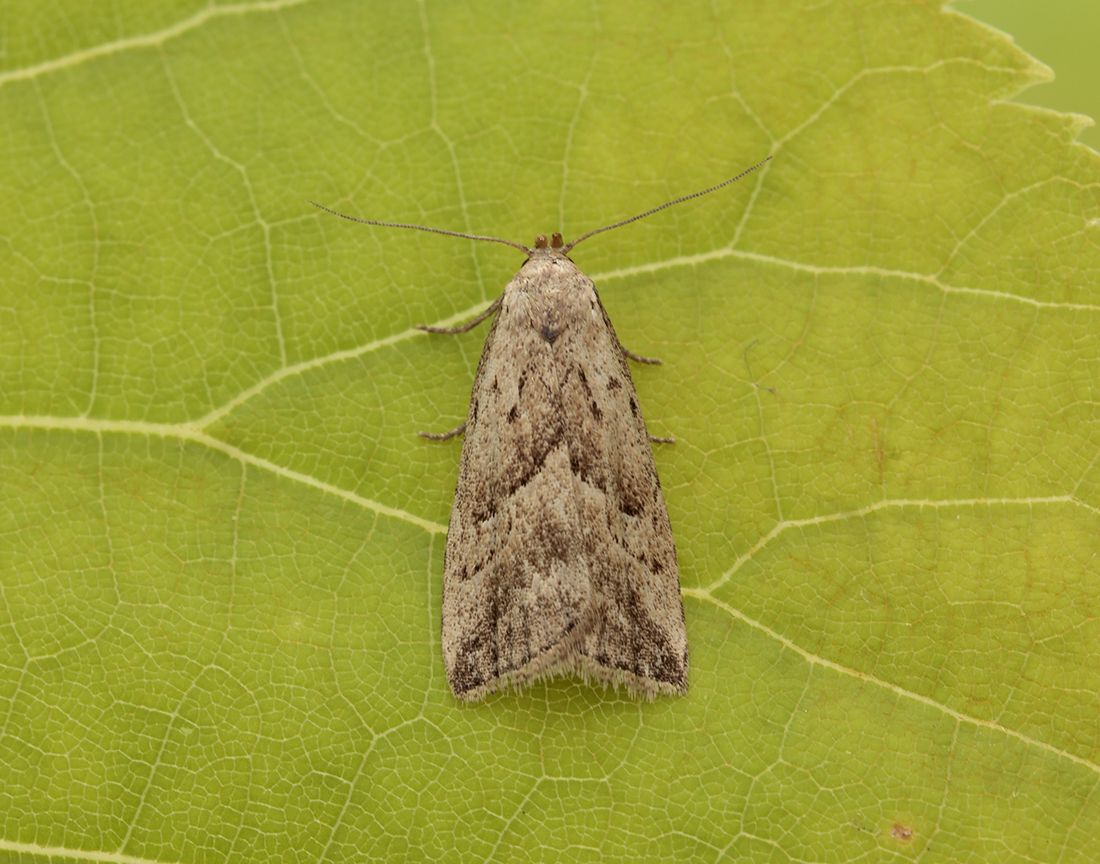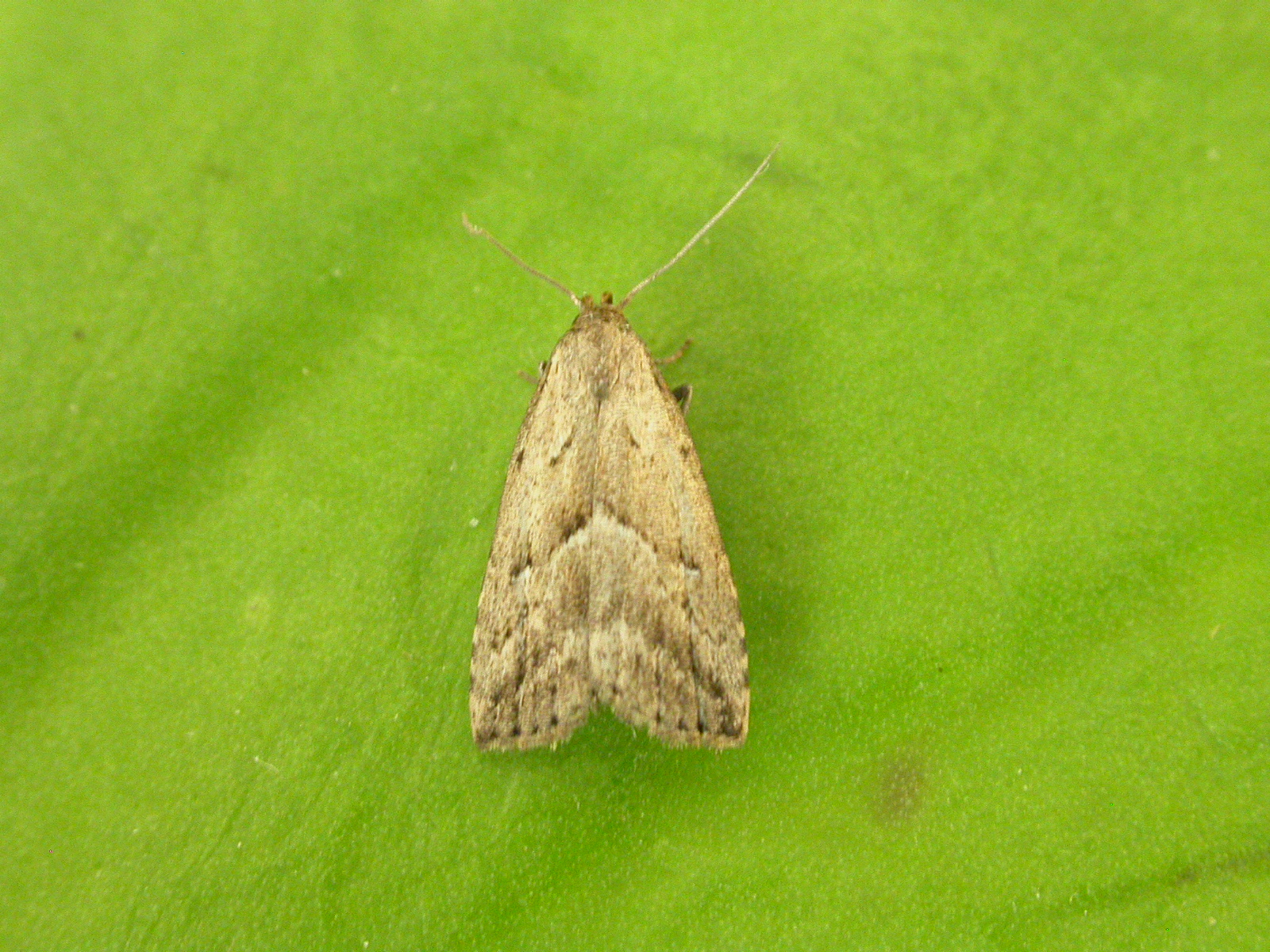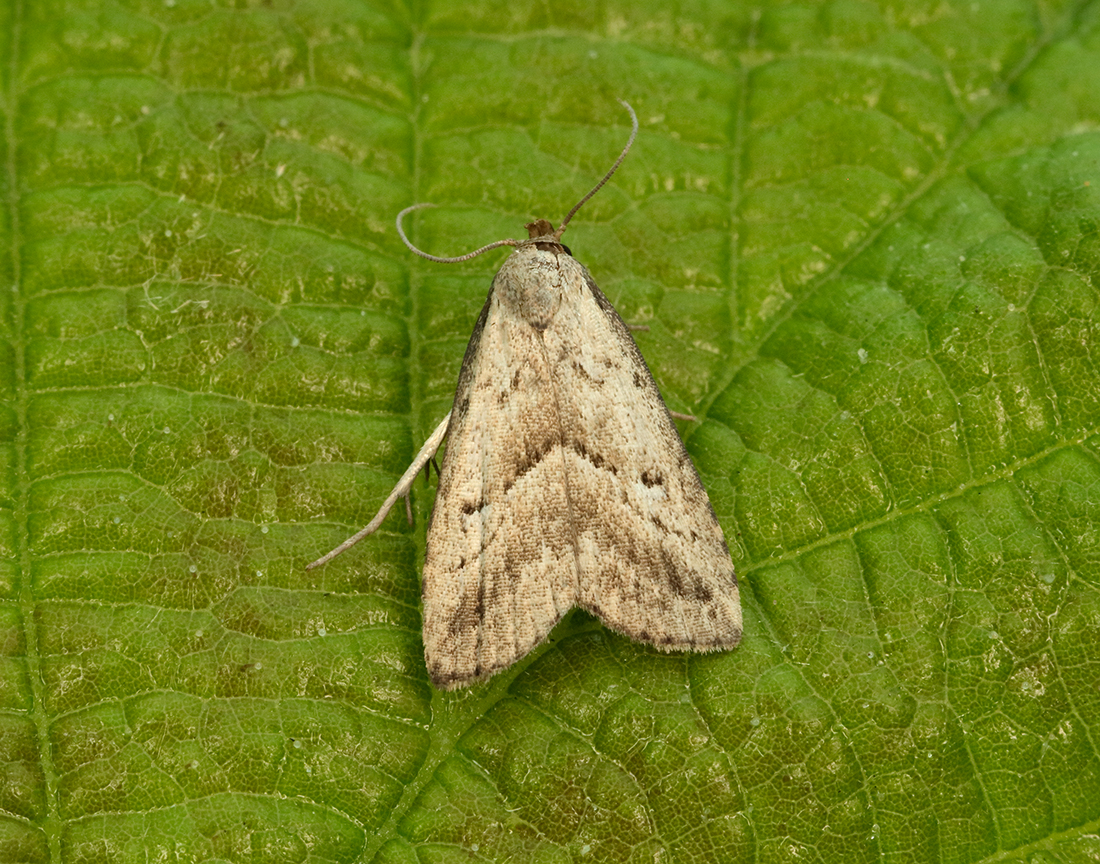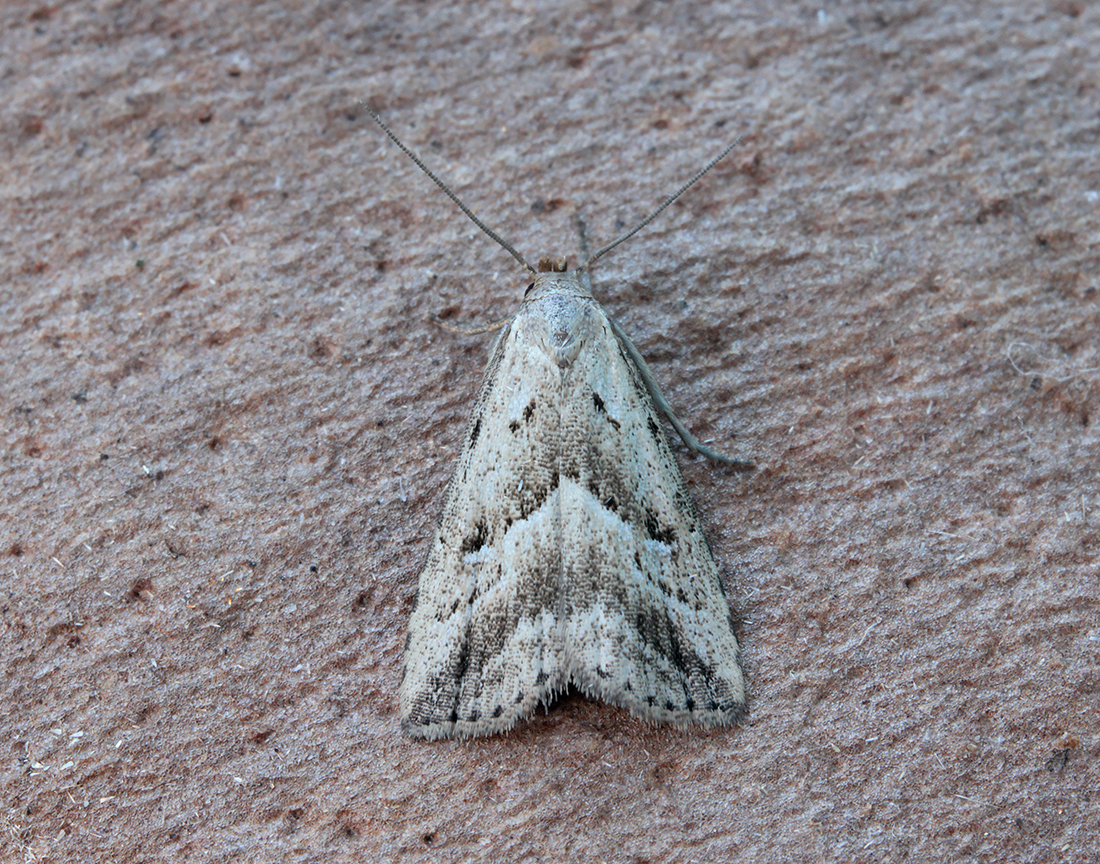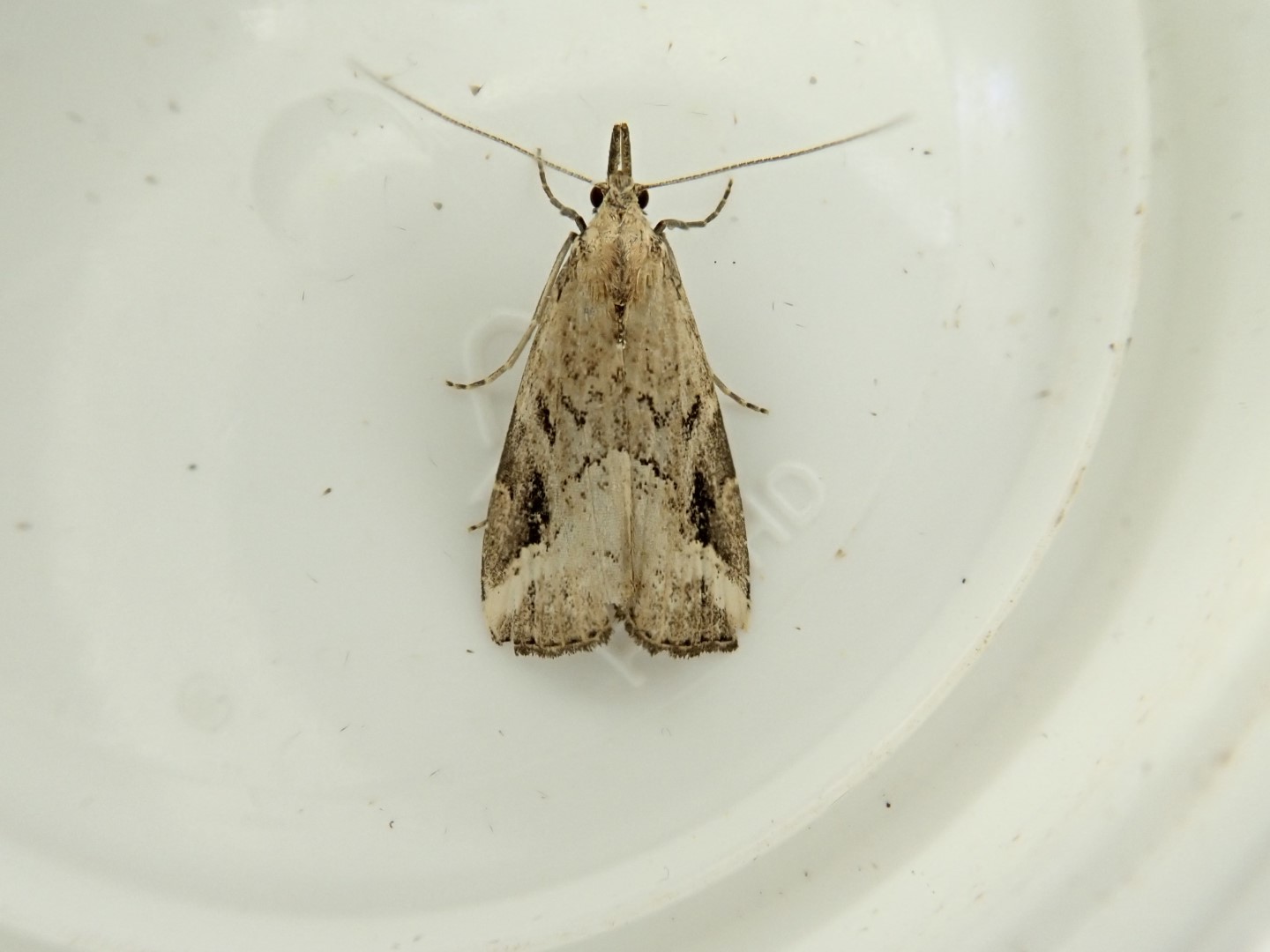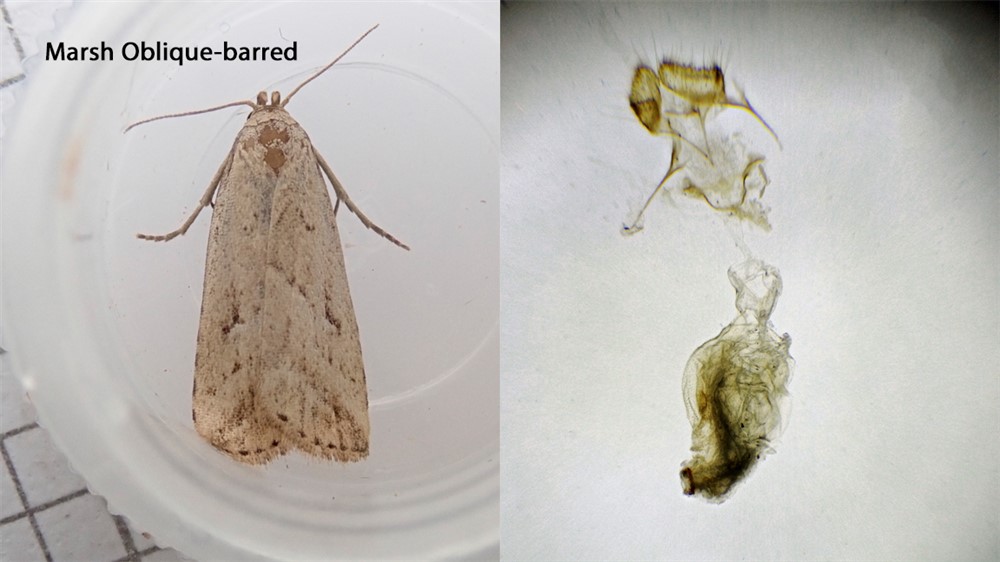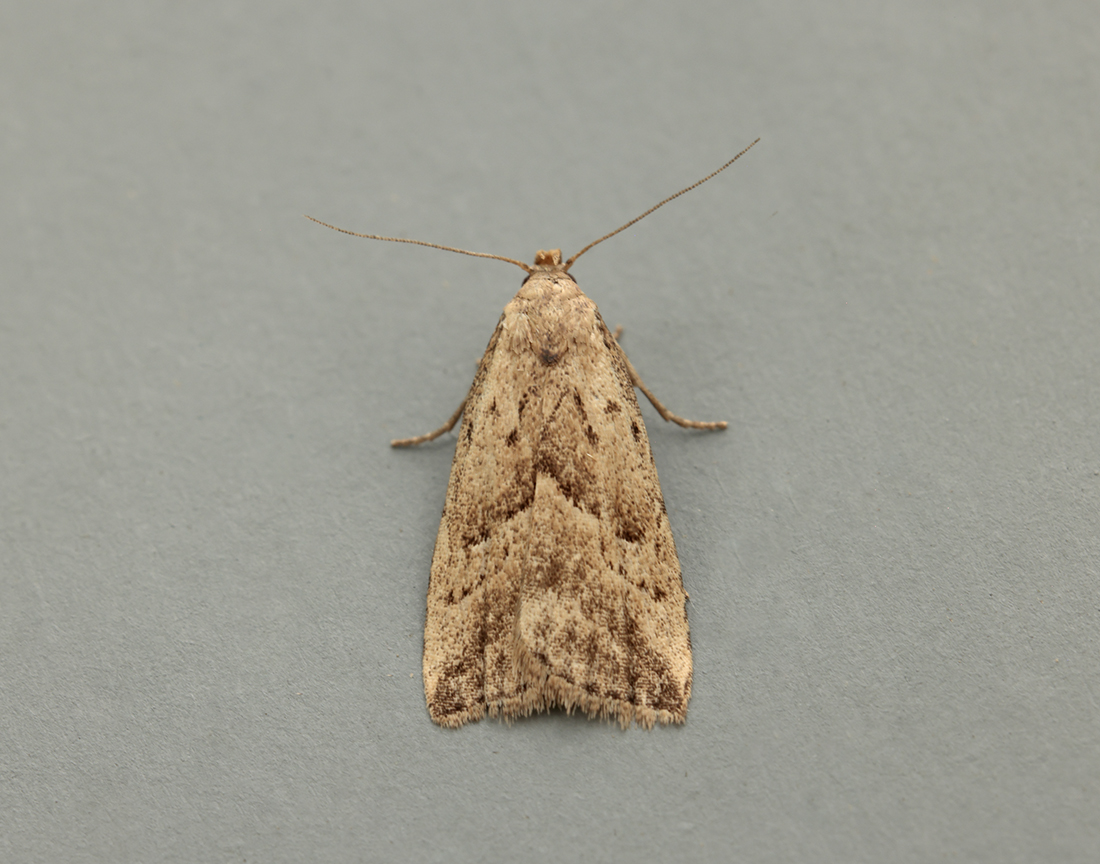

Red List: Least Concern (LC). GB Status: Common.
Identification
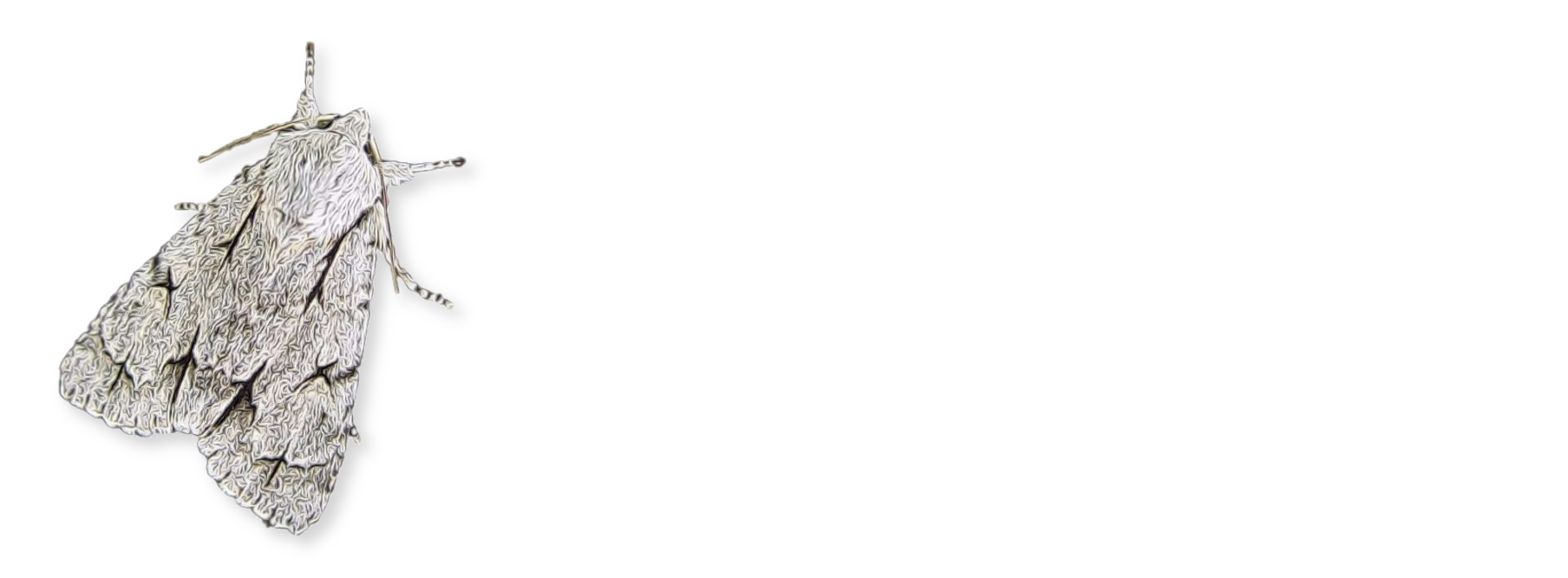
Usually distinctive.
Recording Method
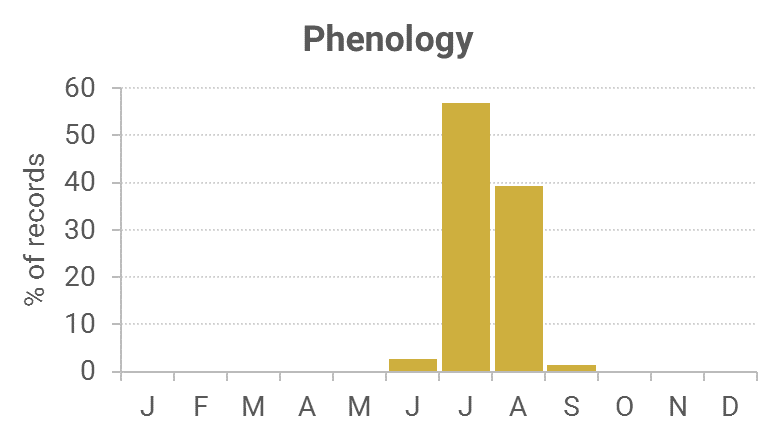
Flies late afternoon and around dusk. Attracted to light.
Life cycle
Largely unknown. One generation. Overwinters either as a larva or a pupa. Pupates from a cocoon hanging from a plant stem.
Larval foodplants
Not known in the wild..
Habitat
Wet moorland, heathland, bogs, marshes and wet grassland.
History
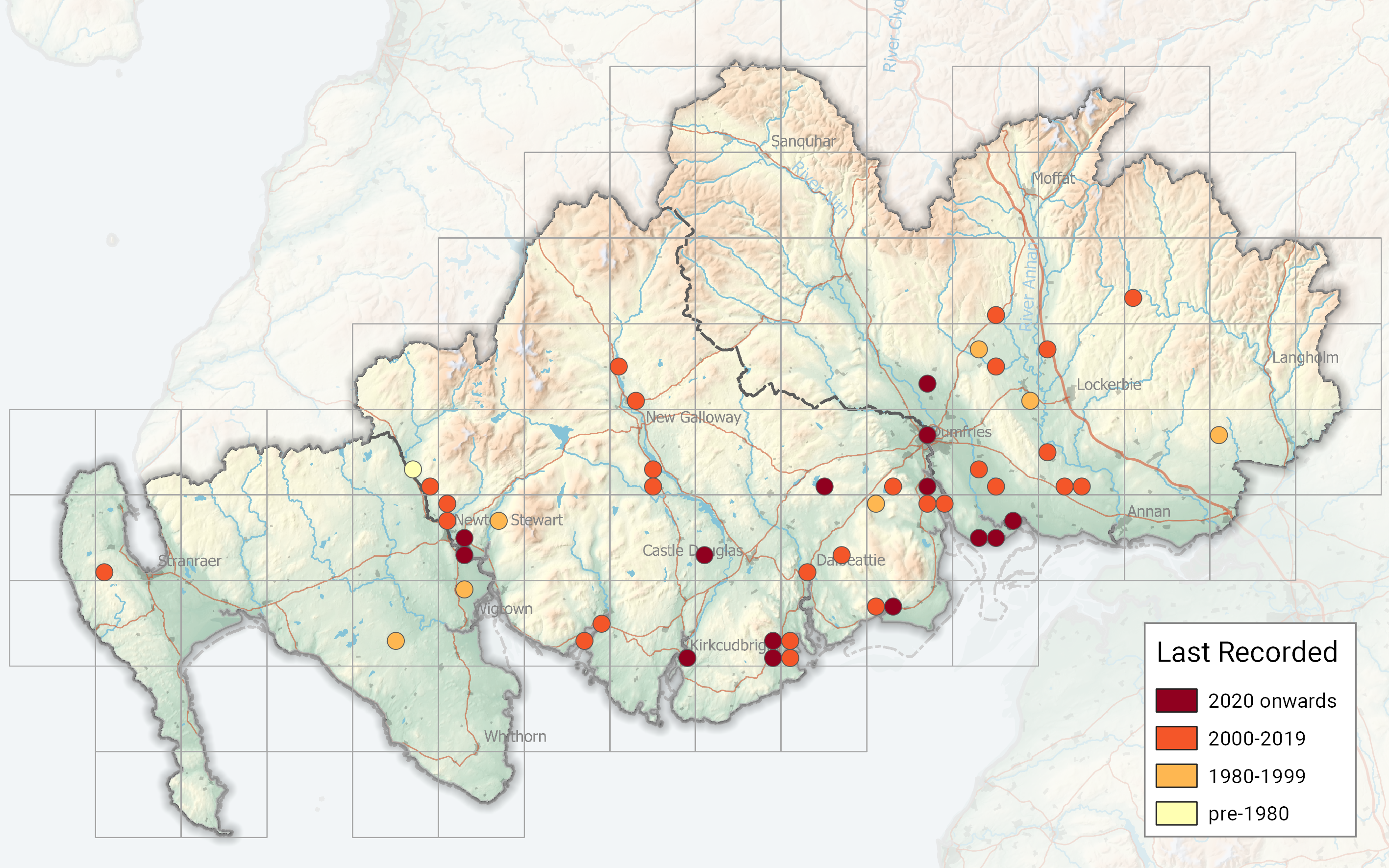
The first record of the smallest noctuid in the British Isles came in late July 1979 when one was recorded near Cardorchan Farm (VC73), followed by another in 1982 at Beeswing. It was 1992 before it appeared again, three being found at Bargaly Lodge (VC73).
Since 1997, with the advent of better field guides, it has been recorded more frequently, nearly annually, even at observers’ homes where they live next to suitable habitat. There is just one record for Wigtownshire which occurred at Carsegowan Moss in 1999; most records emanating from VCs 72 and 73.
In early August 2010 at Perchhall Loch SSSI, near Lockerbie, no less than 62 were recorded from four traps set in a fen-type habitat with scattered bushes and trees.
A lack of records suggest it is being overlooked because of its small size.