
Red List: Least Concern (LC). GB Status: Common.
Identification
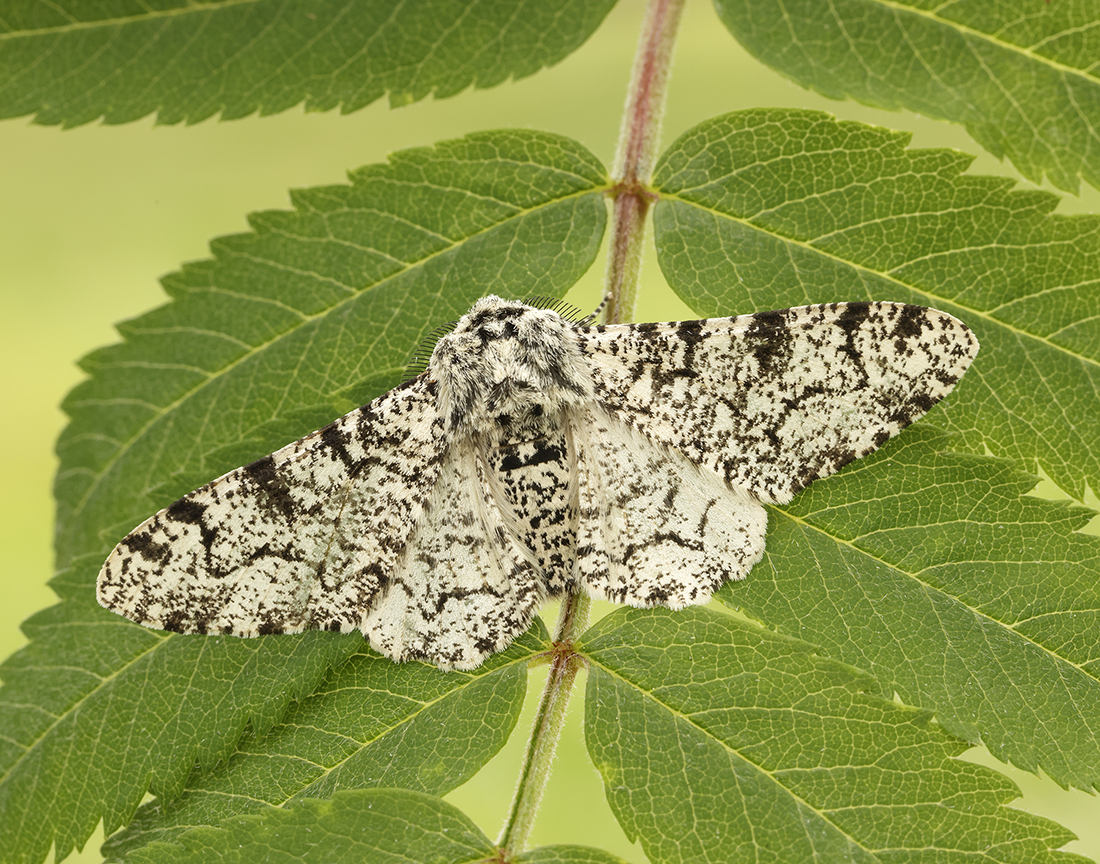
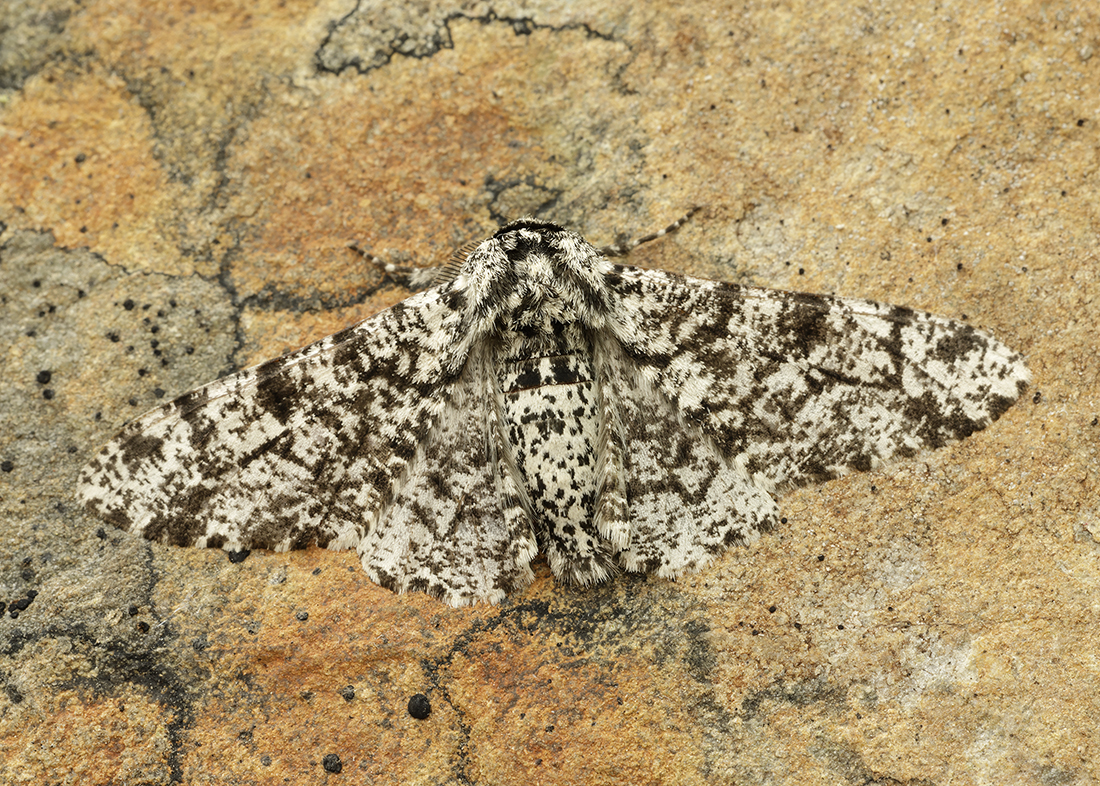
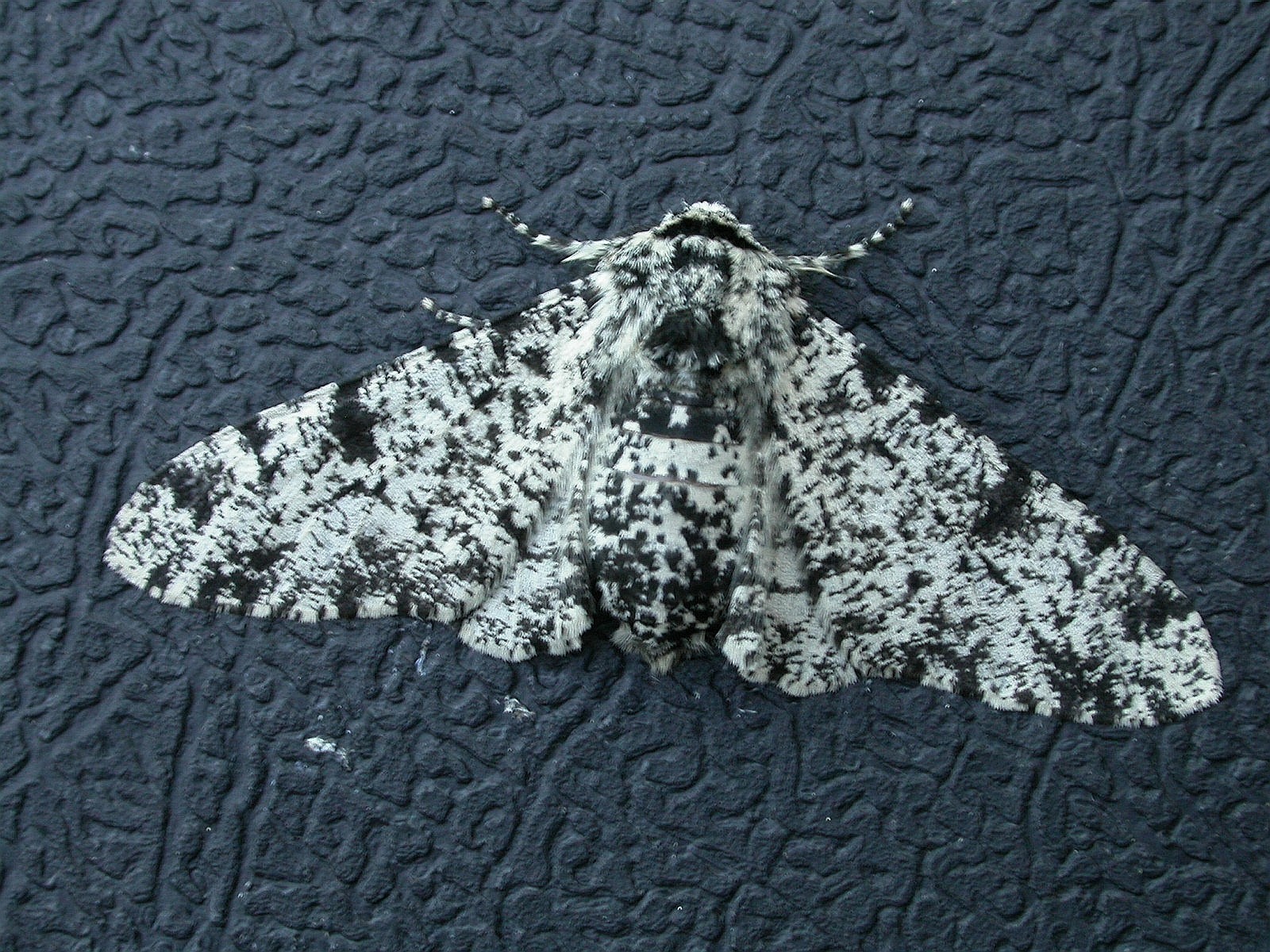
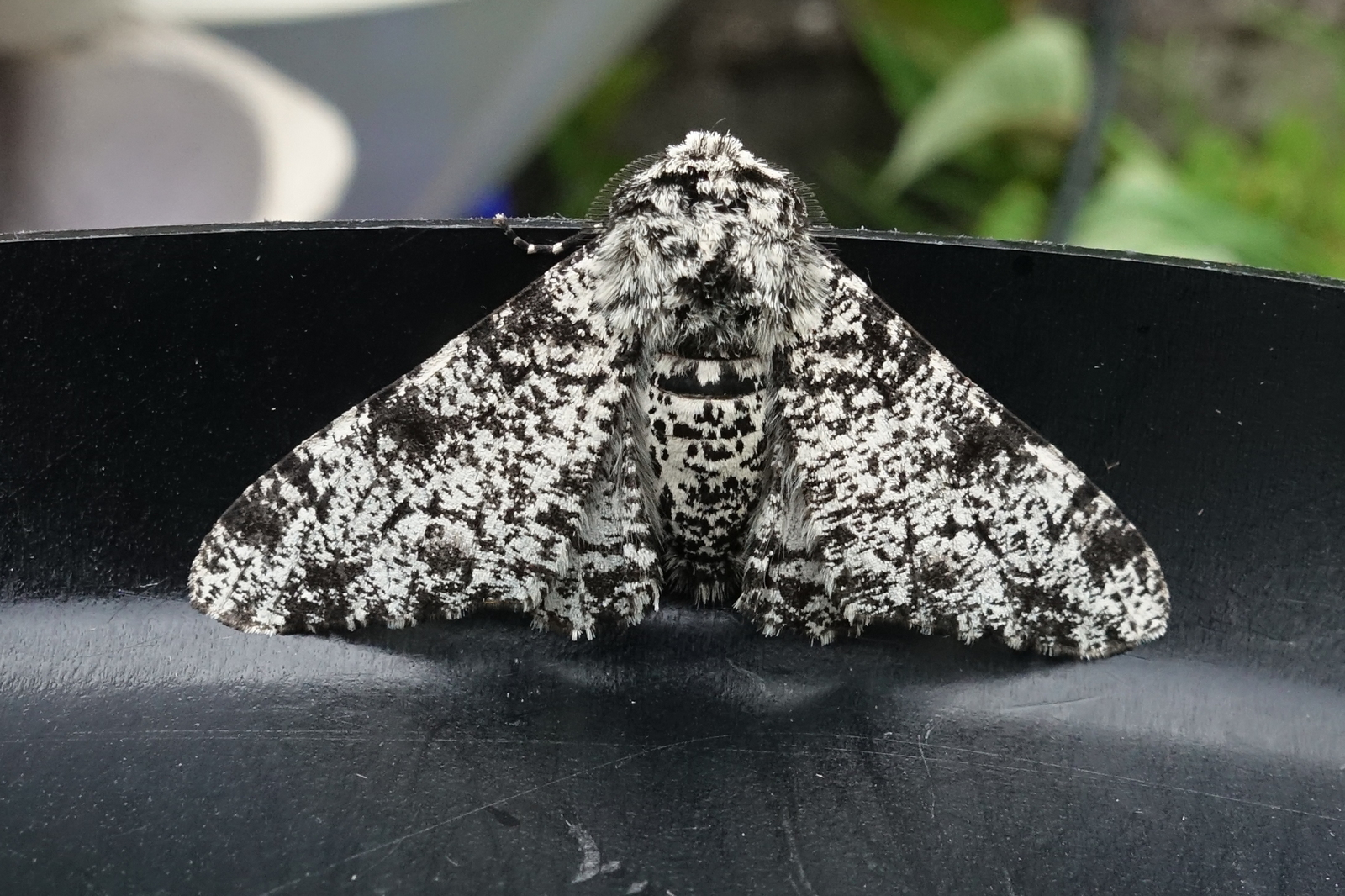
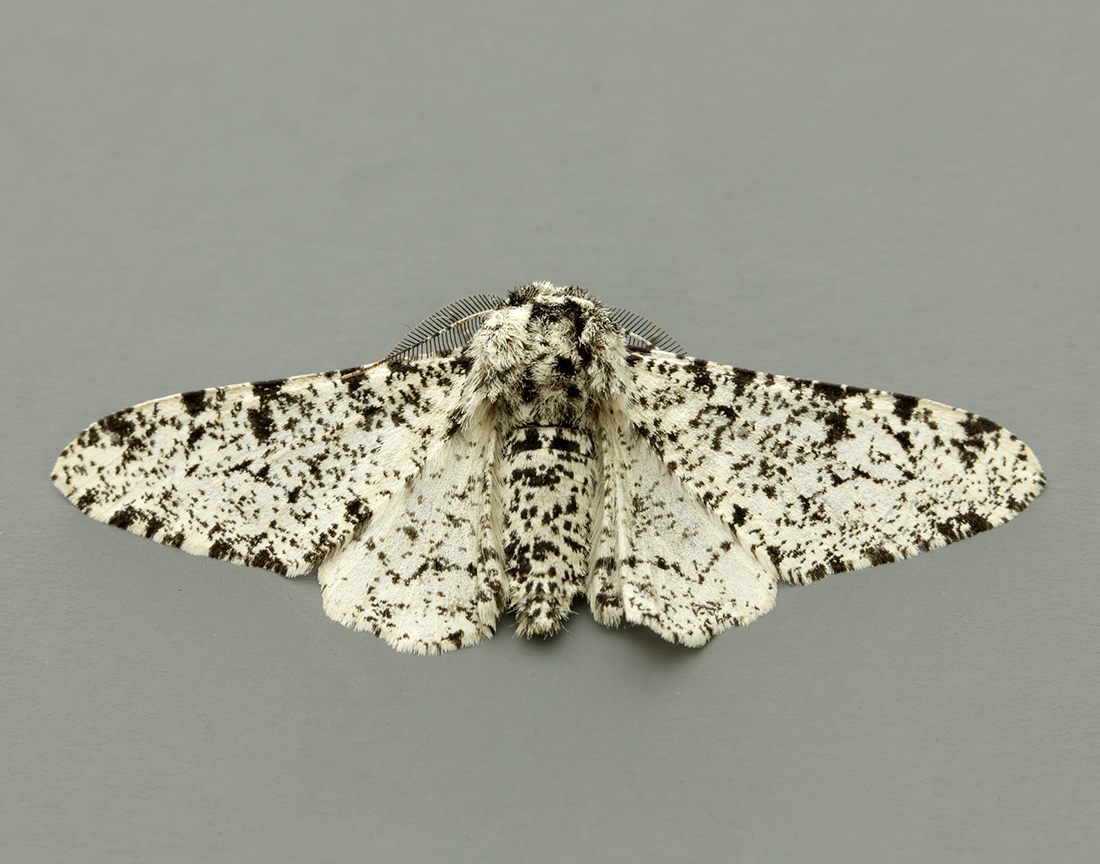
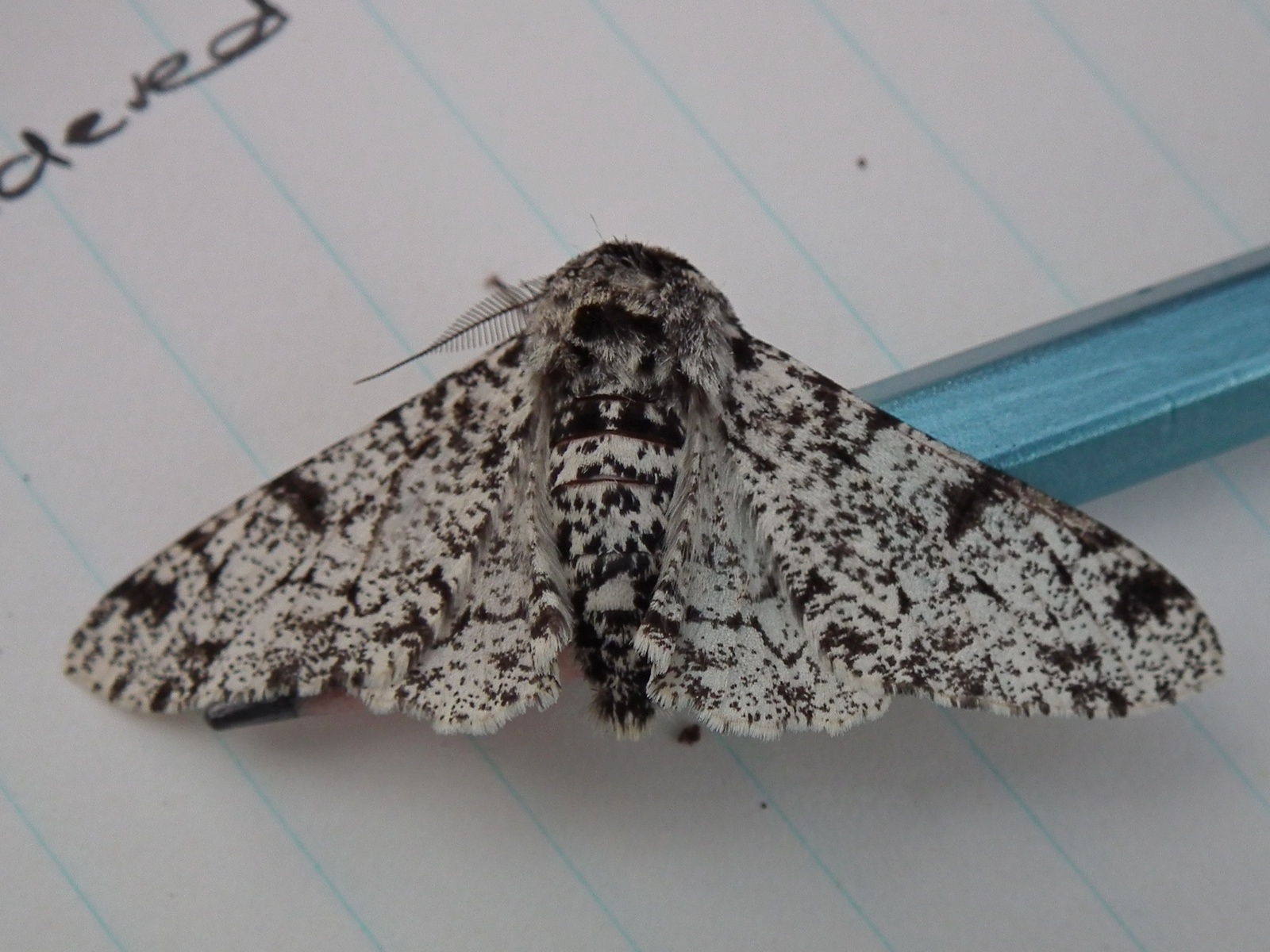
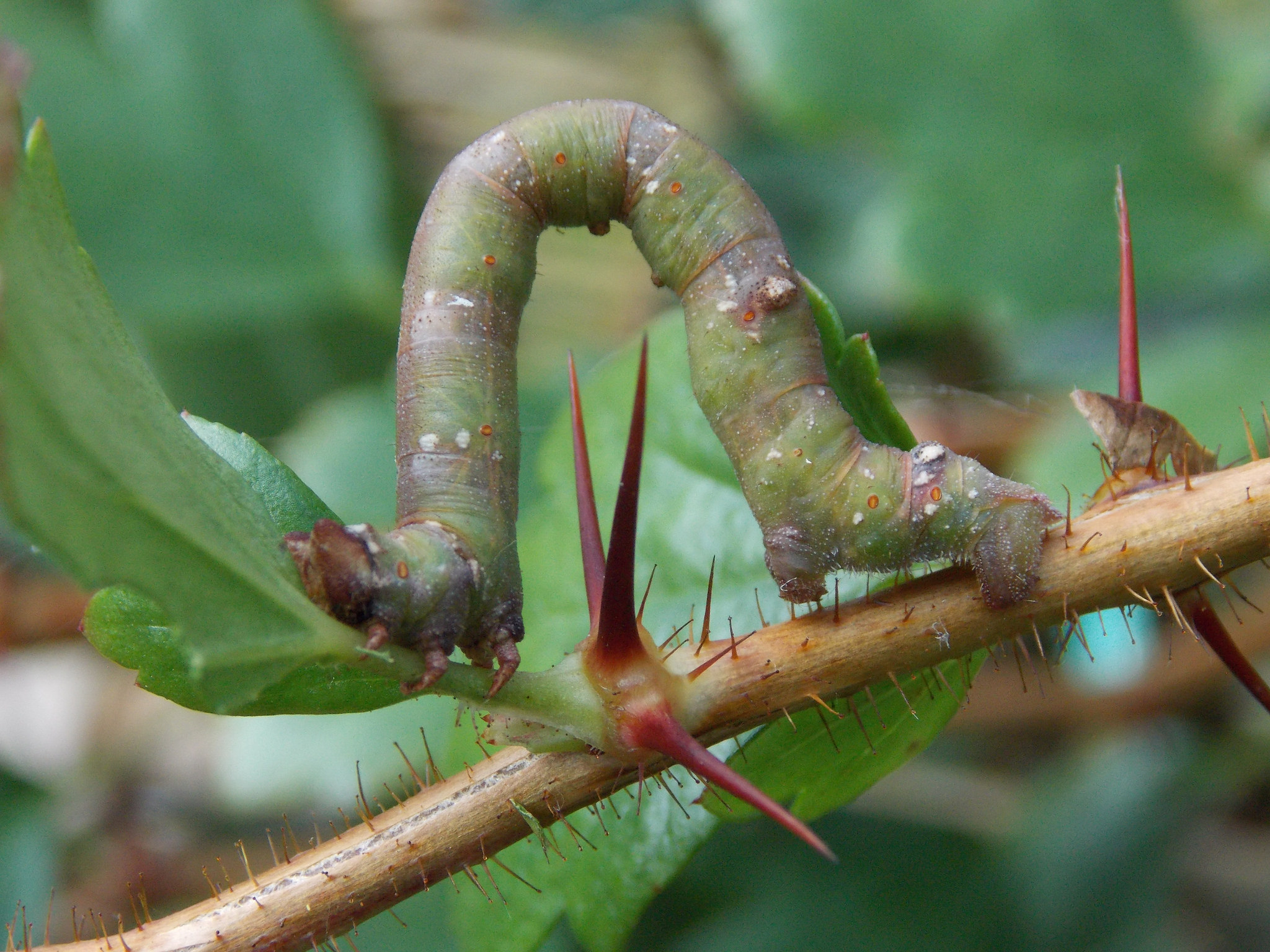
Usually distinctive..
Recording method
Attracted to light.
Life cycle
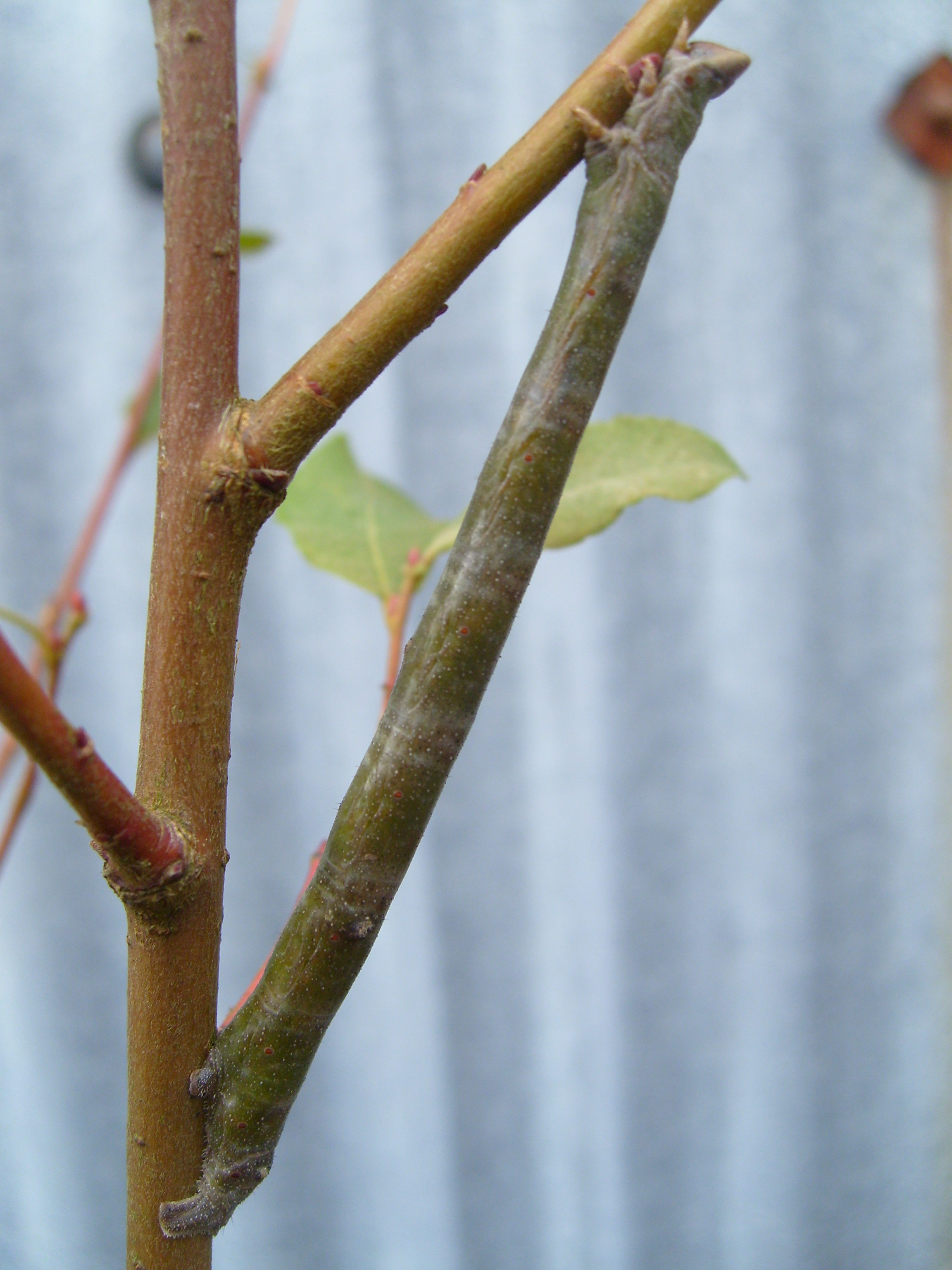
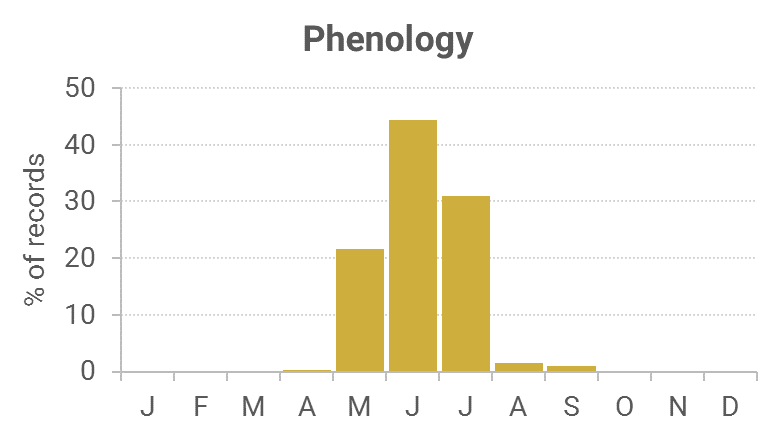
One generation. Overwinters as a pupa. Larvae early July to late September. Pupatesunderground.
Larval foodplants
A wide range of trees and some herbaceous plants.
Habitat
Woodland, scrub, hedgerows, parks and gardens.
History
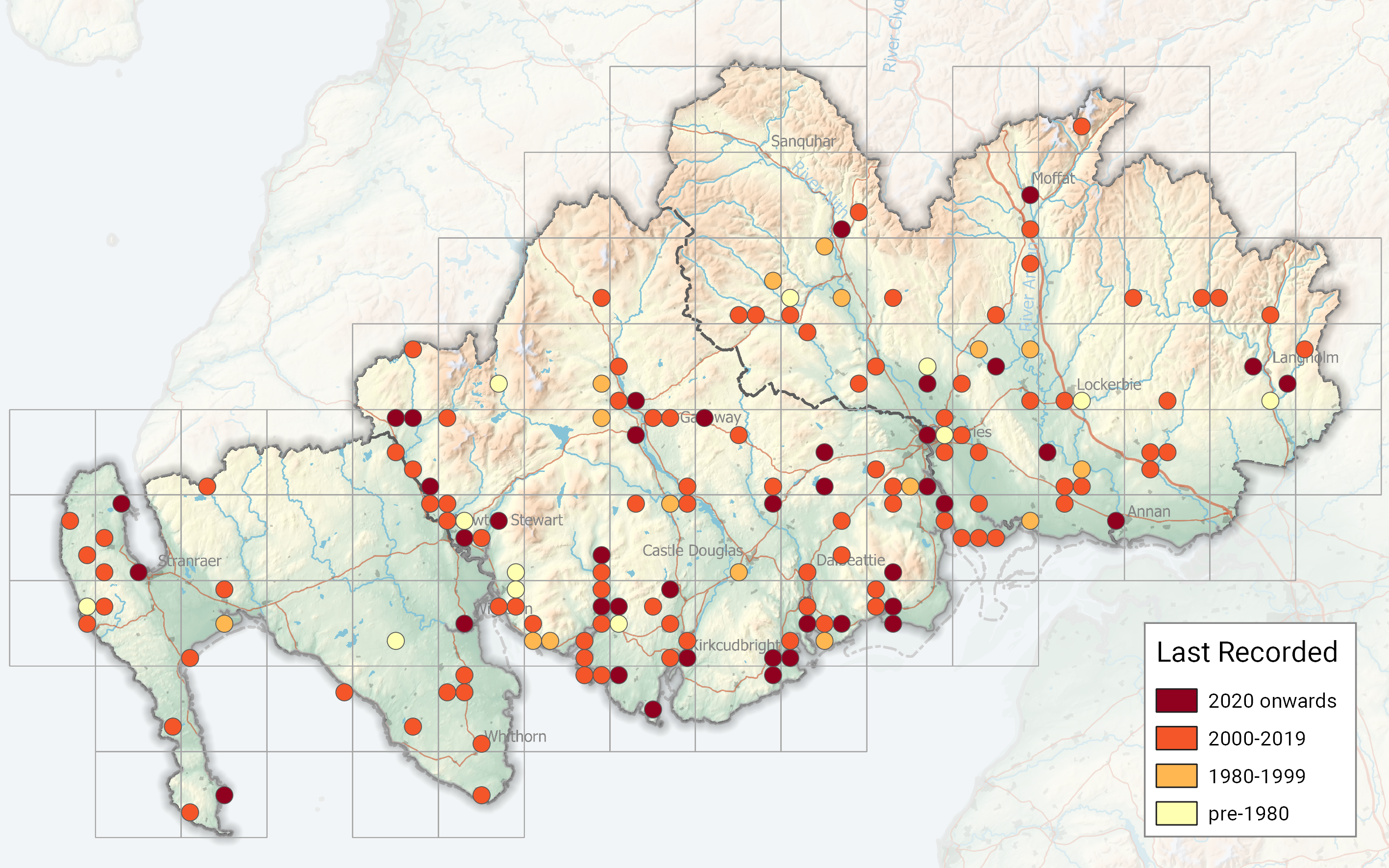
First recorded for Dumfries and Galloway in 1858 for VC72 near Moffat by Somerville who had ‘found the larvae on birch during August’, in 1892 for VC74 at Corsemalzie by Gordon who reported it was ‘not uncommon in woods’ but not until 1970 for VC73 at Silver Flowe by Hulme.
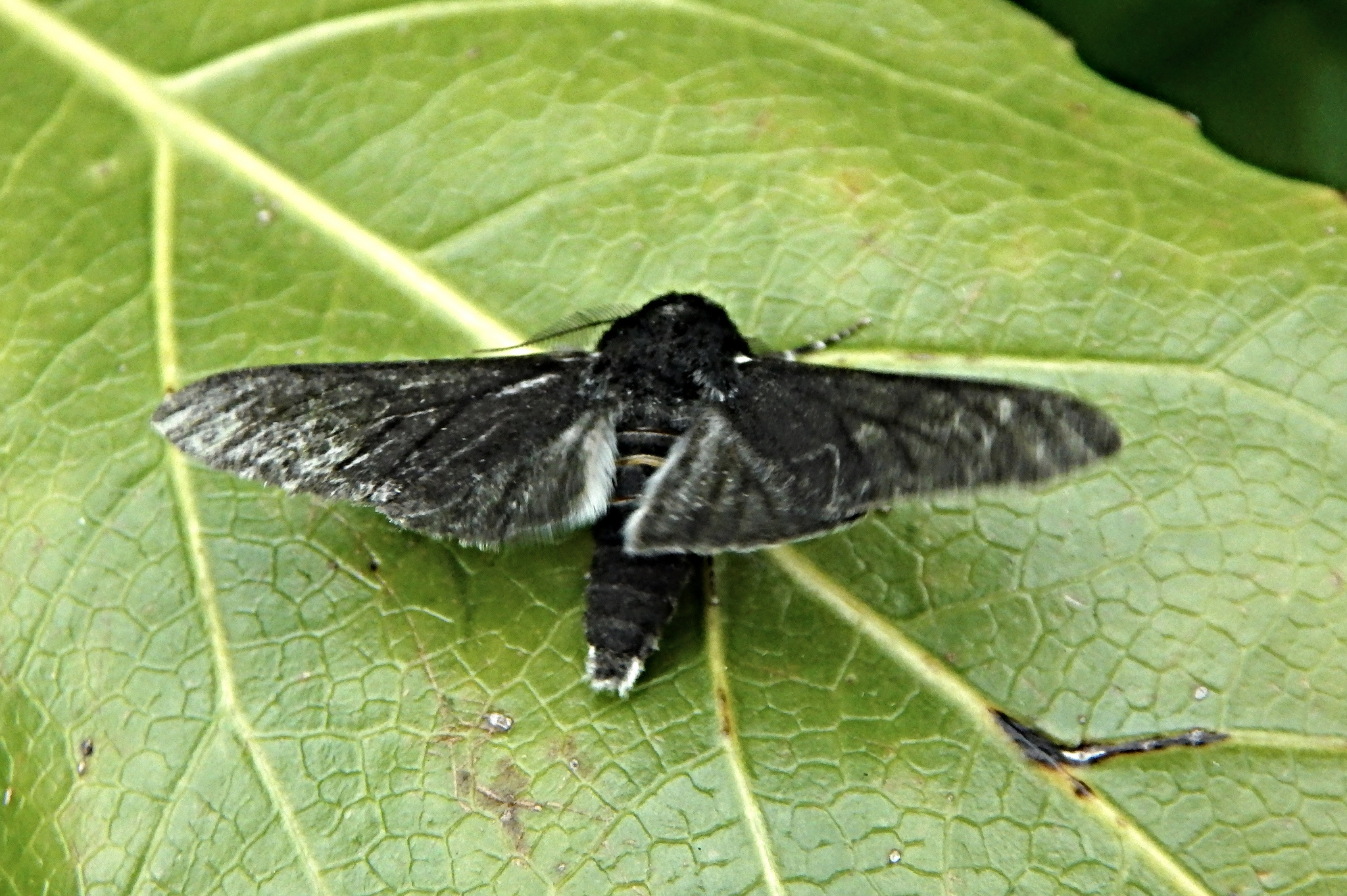
A specimen resides in the National Museums Scotland of the melanic form carbonaria Jordan which was taken at Lannhall, Tynron on 11th July 1951.