
Red List: Near Threatened (NT). GB Status: Common.
Identification
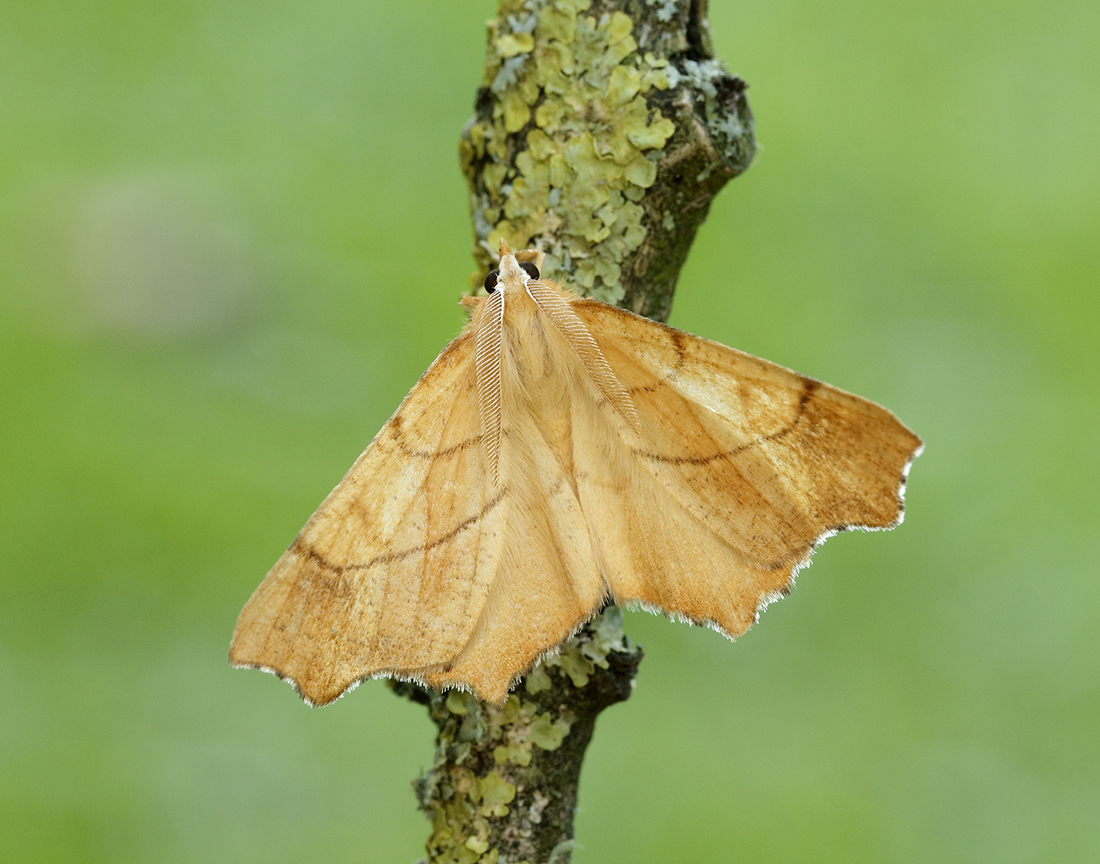
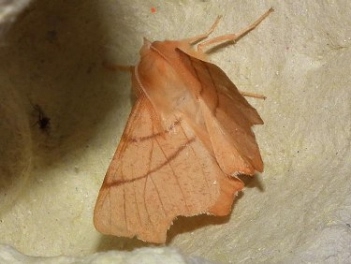
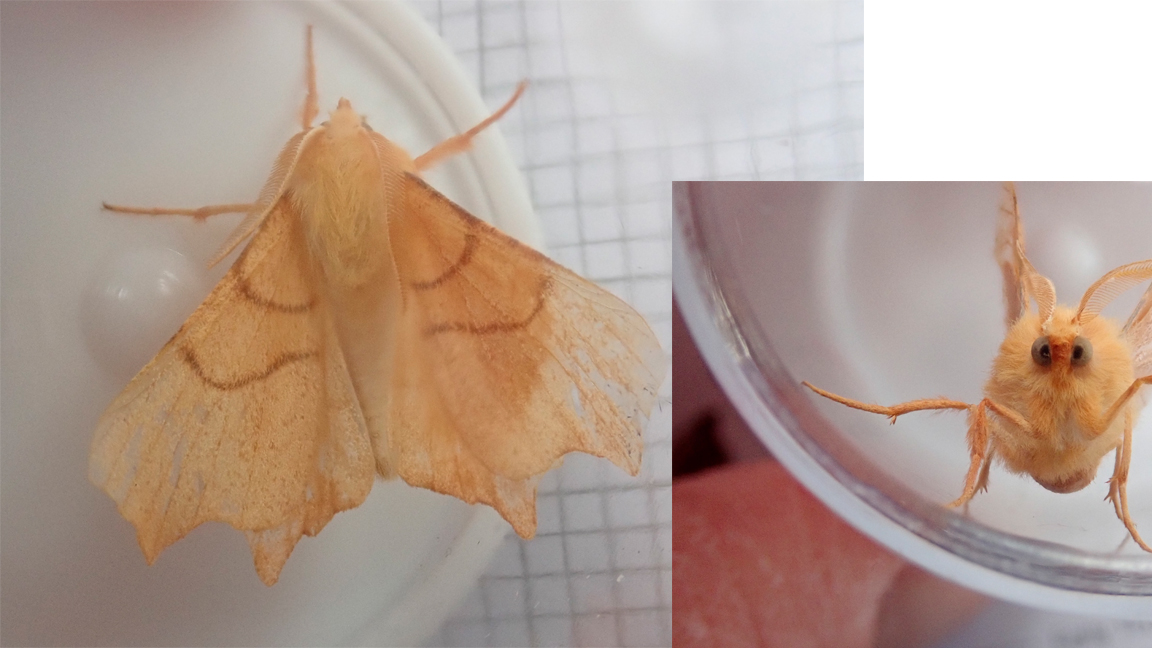
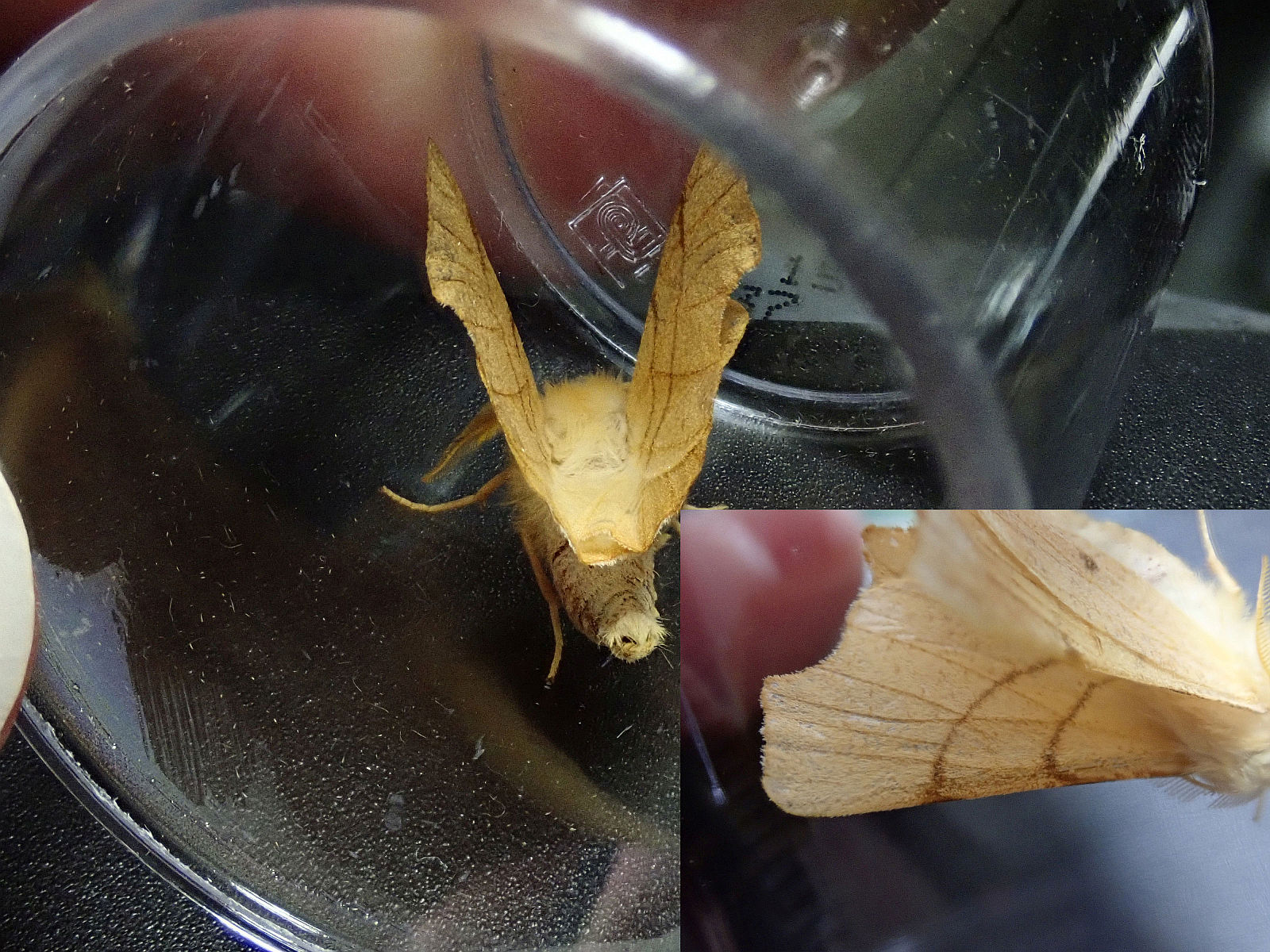
Usually distinctive. Great care required, potential confusion with August Thorn. September Thorn rests with wings raised and leg colour is uniform yellowish (August Thorn has white “socks”).
Recording method
Attracted to light.
Life cycle
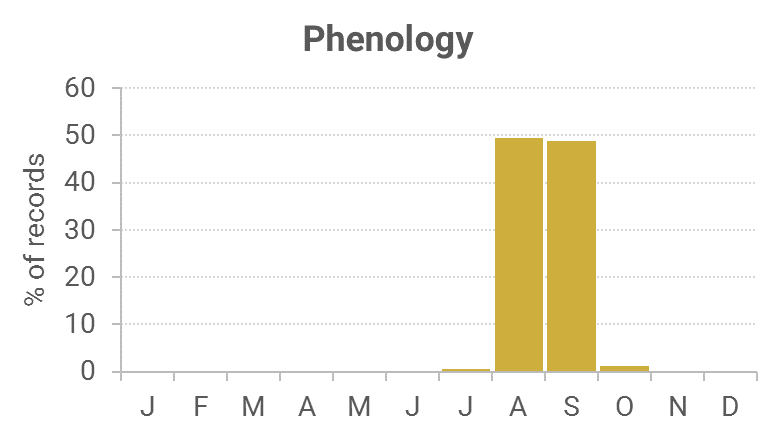
One generation. Overwinters as an egg on the foodplant. Larvae May to early July, with pupation taking place between spun leaves.
Larval foodplants
Beech, birches, limes and oaks.
Habitat
Woodland. parkland and gardens.
History
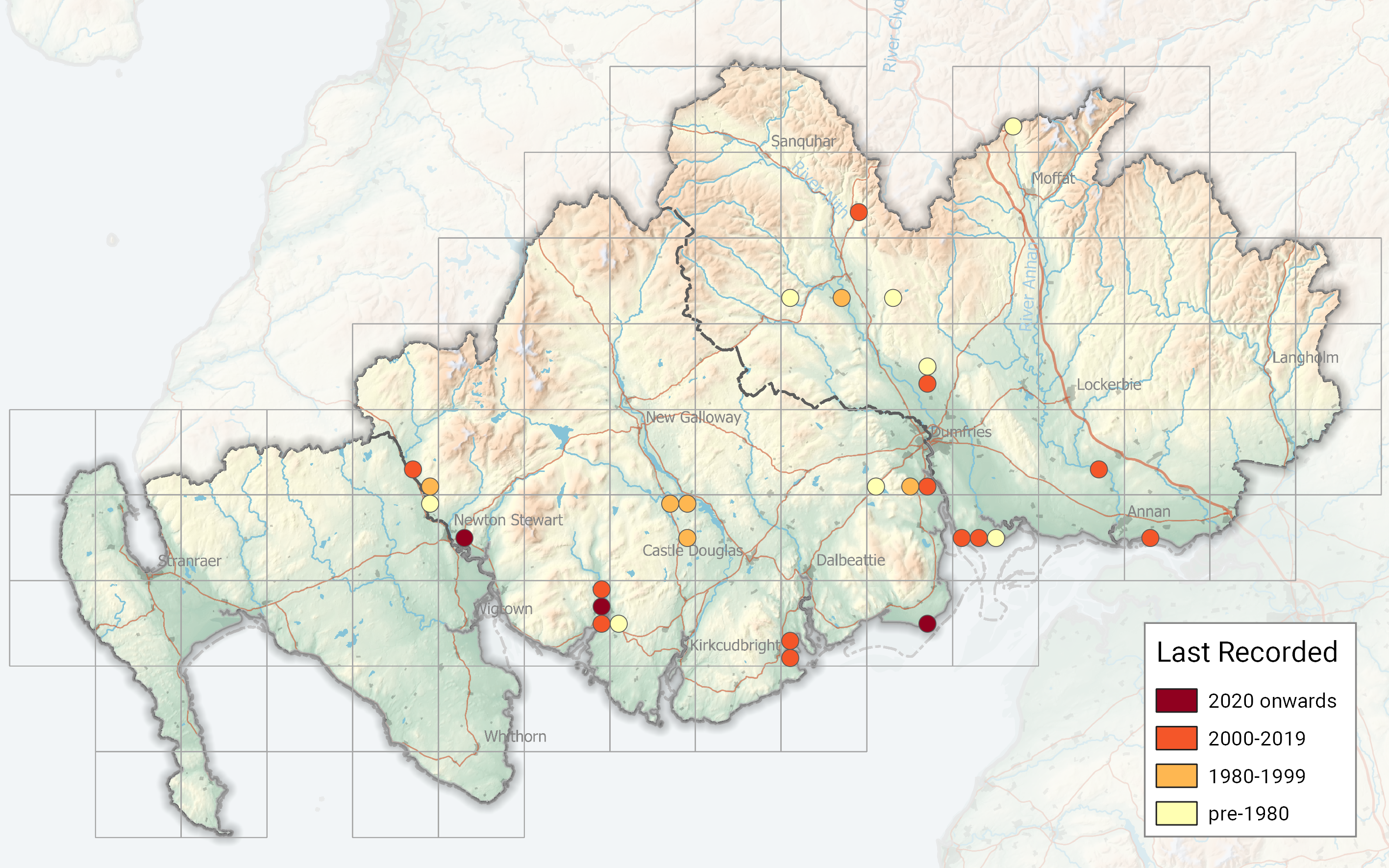
First recorded for Dumfries and Galloway in 1862 for VC73 in Mabie Forest by Lennon who stated that it was ‘not common’ , in 1932 for VC72 at Closeburn by Duncan but not until 1976 for VC74 at the Penninghame House Rothamsted moth trap.