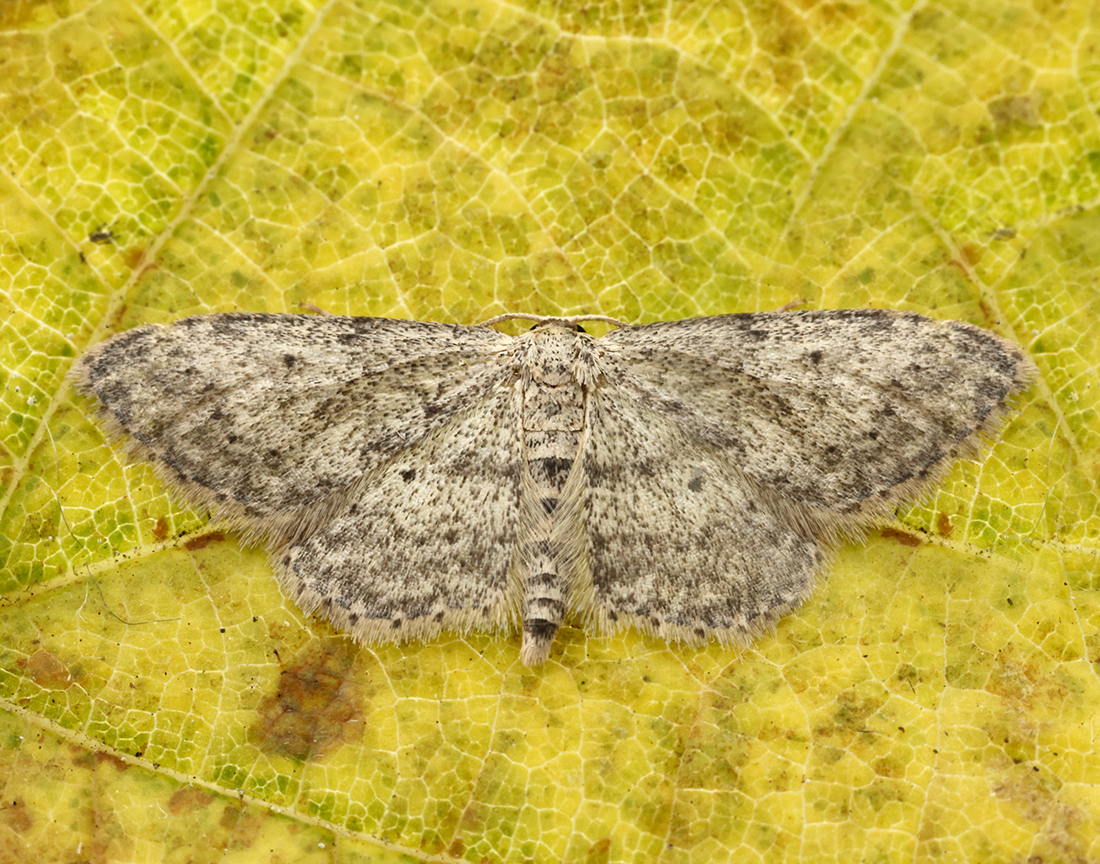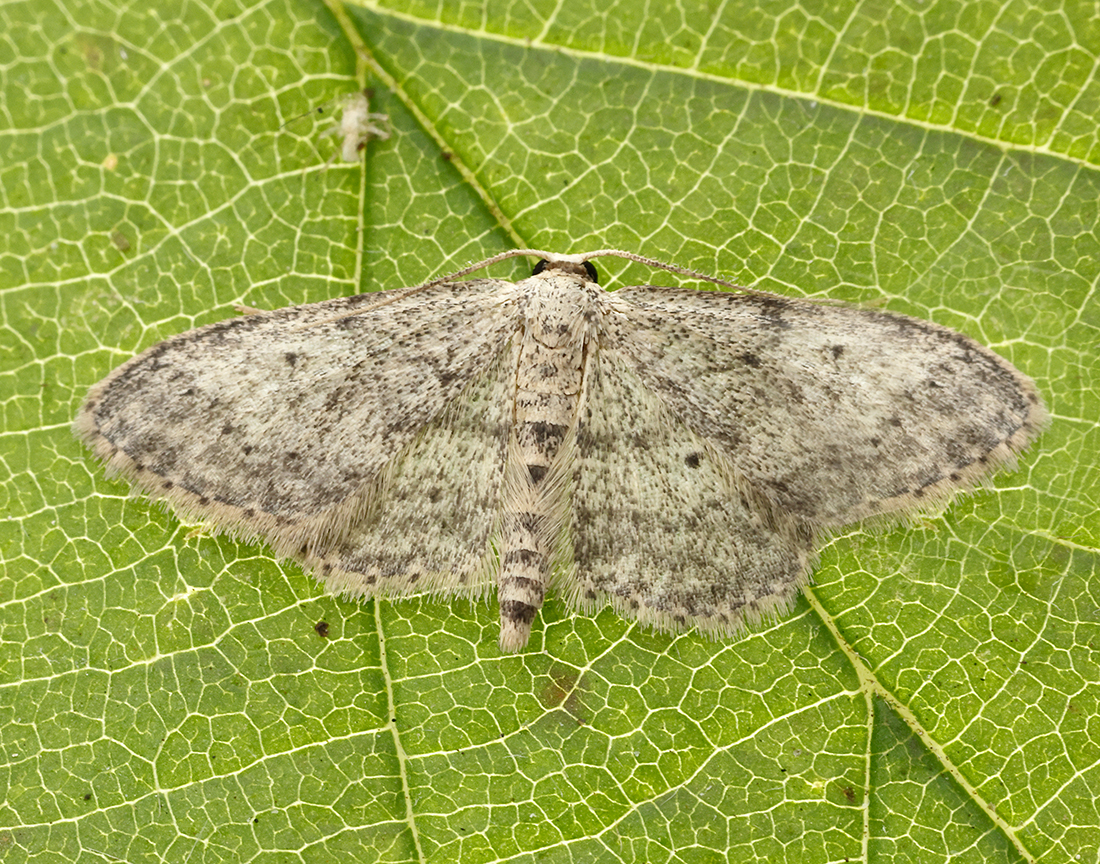

Red List: Least Concern (LC). GB Status: Common.
Identification
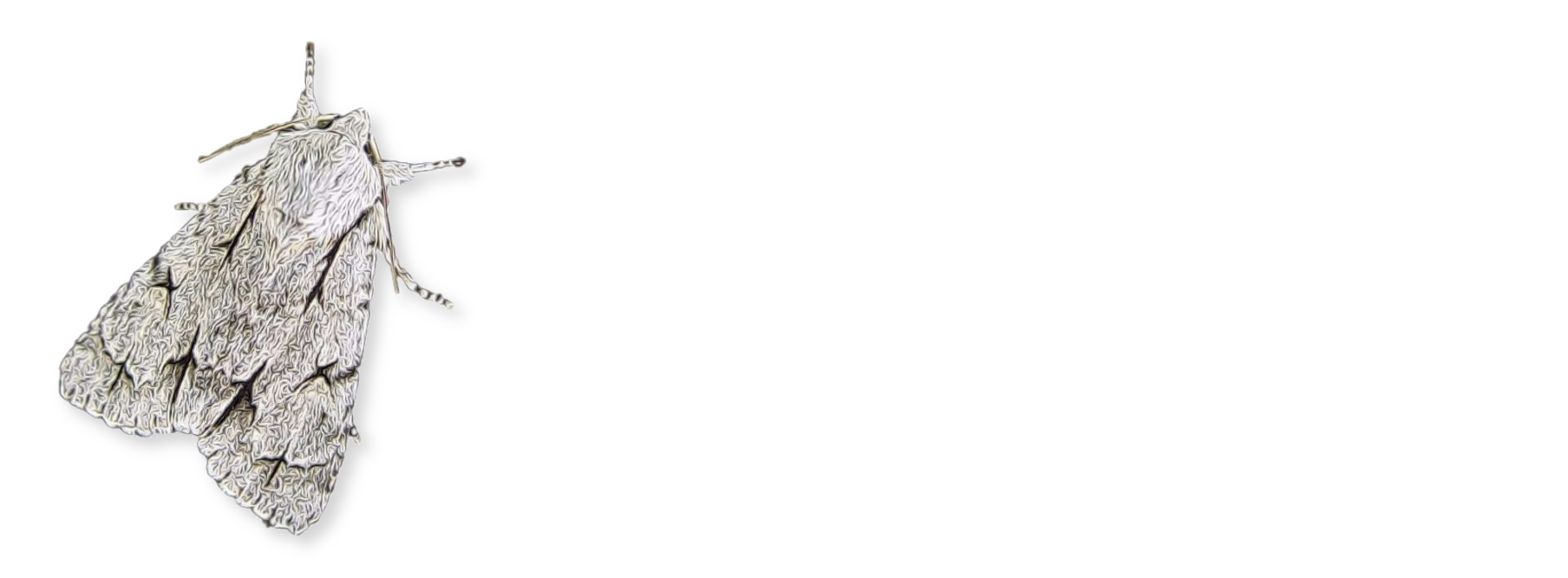
Usually distinctive.
Recording method
Attracted to light.
Life cycle
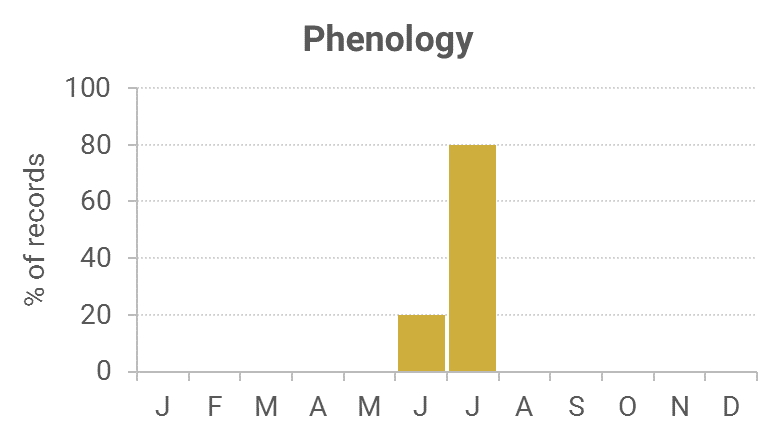
One generation with partial second brood. Overwinters as a larva. Larvae September to May. Pupates in a cocoon underground.
Larval foodplants
Larval foodplants poorly known, but possibly plant debris and withered leaves.
Habitat
Occurs in a variety of grassy, rough habitats including gardens.
History
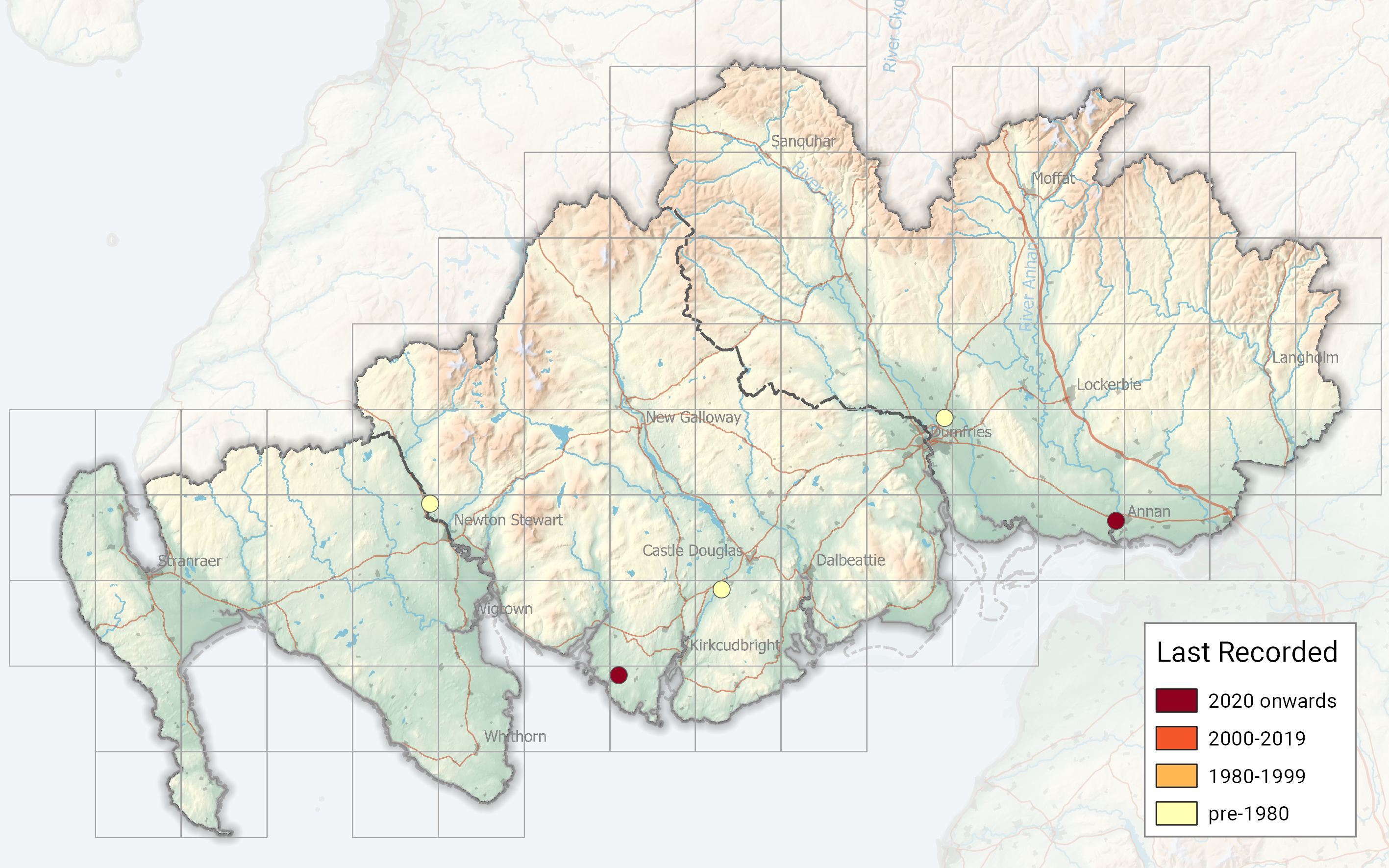
The first Dumfries and Galloway record was for Dumfriesshire in 1863 when Lennon had stated is was ‘not common’, but that it occurred on Tinwald Downs, Dumfries (VC72).
The next records came over a hundred years later, for VC74 on 23rd June 1976 at Penninghame House, Newton Stewart and for VC73 on 4th July 1976 at Bridge of Dee, near Castle Douglas (both from Rothamsted moth traps).