
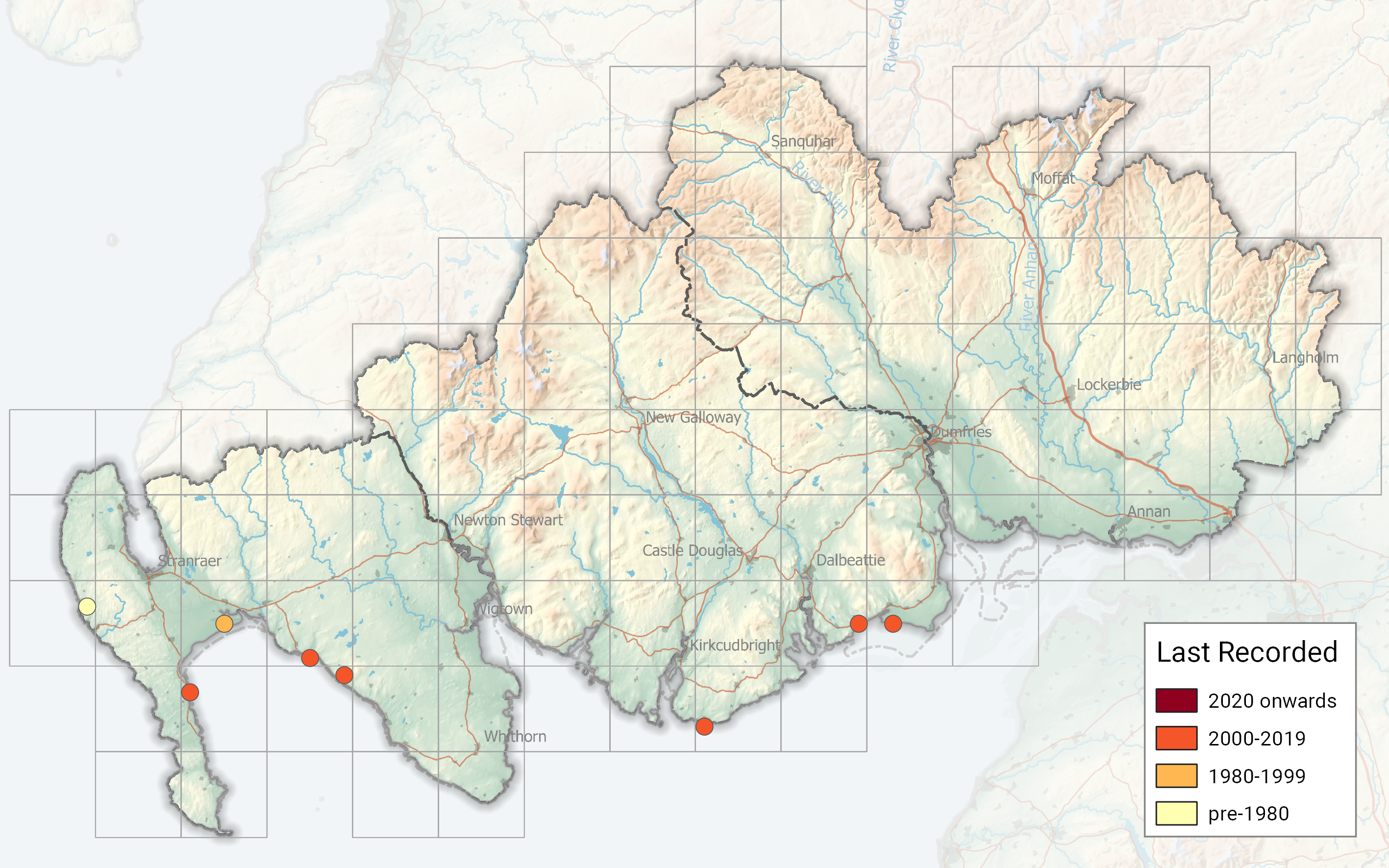
Red List: Least Concern (LC). GB Status: Nationally Scarce B (Nb).
Photo required for record acceptance due to rarity status.
Identification
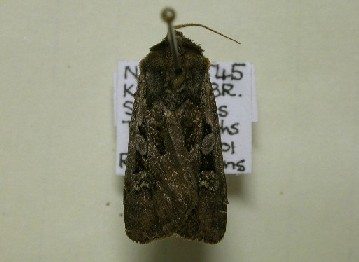
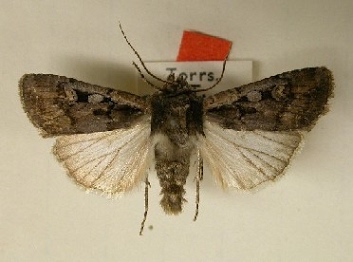
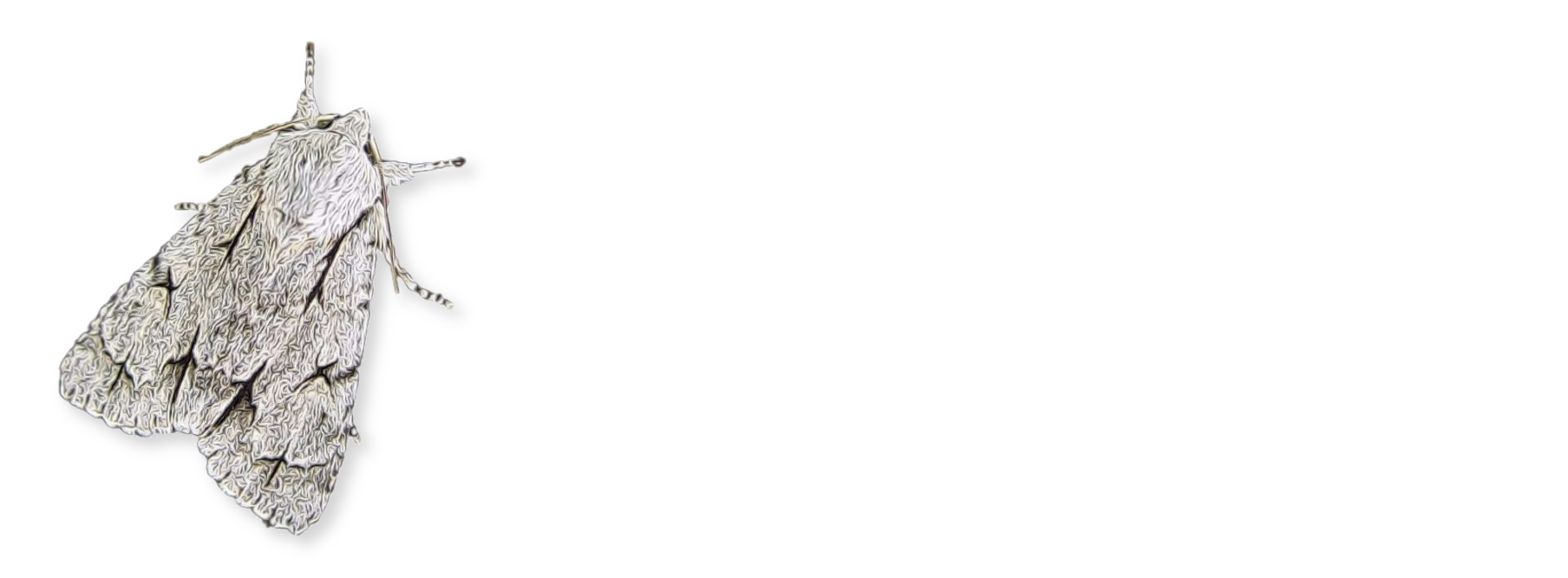
Usually distinctive. Great care required, potential confusion with White-line Dart.
Recording Method.
Attracted to light, also comes to sugar and flowers.
Life cycle
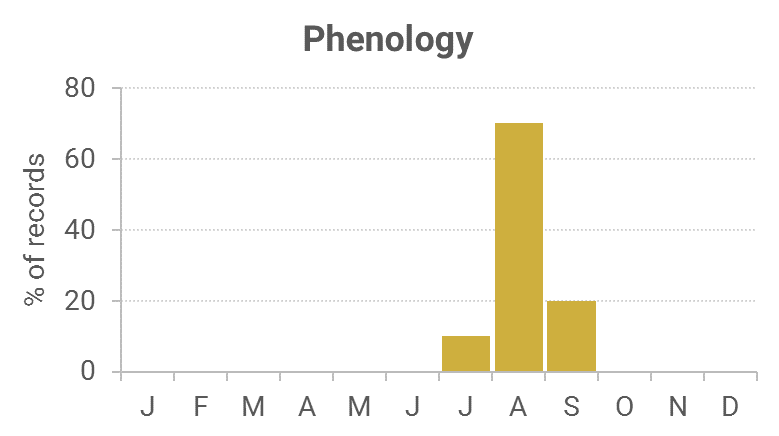
One generation. Probably overwinters as an egg. Larvae February to March. Pupates underground.
Larval foodplants
Various low-growing plants, but not known fully in the wild.
Habitat
Rocky and hilly coastal sites.
History
Lennon (1863) had stated that it was very rare, but that it had occurred at Tinwald Downs (VC72). As this is a coastal species, this record is doubtful. However, Evans (1915) during 1914 had received three specimens caught on three separate occasions, in aid of his moth migration survey, from D. A. Mowat, keeper at Killantringan Lighthouse (VC74). How reliable these records are is unknown but at least they are coastal.
Since then, Sir Arthur Duncan caught one at Torrs Warren in 1984, with another found at Torrs Heughs, Sandyhills, on 11th August 2001. A further two were caught at Mullock Bay, Dundrennan, on 22nd August 2003, and two more were caught at Mersehead RSPB on 18th August 2006, all of these were verified by K. P. Bland.