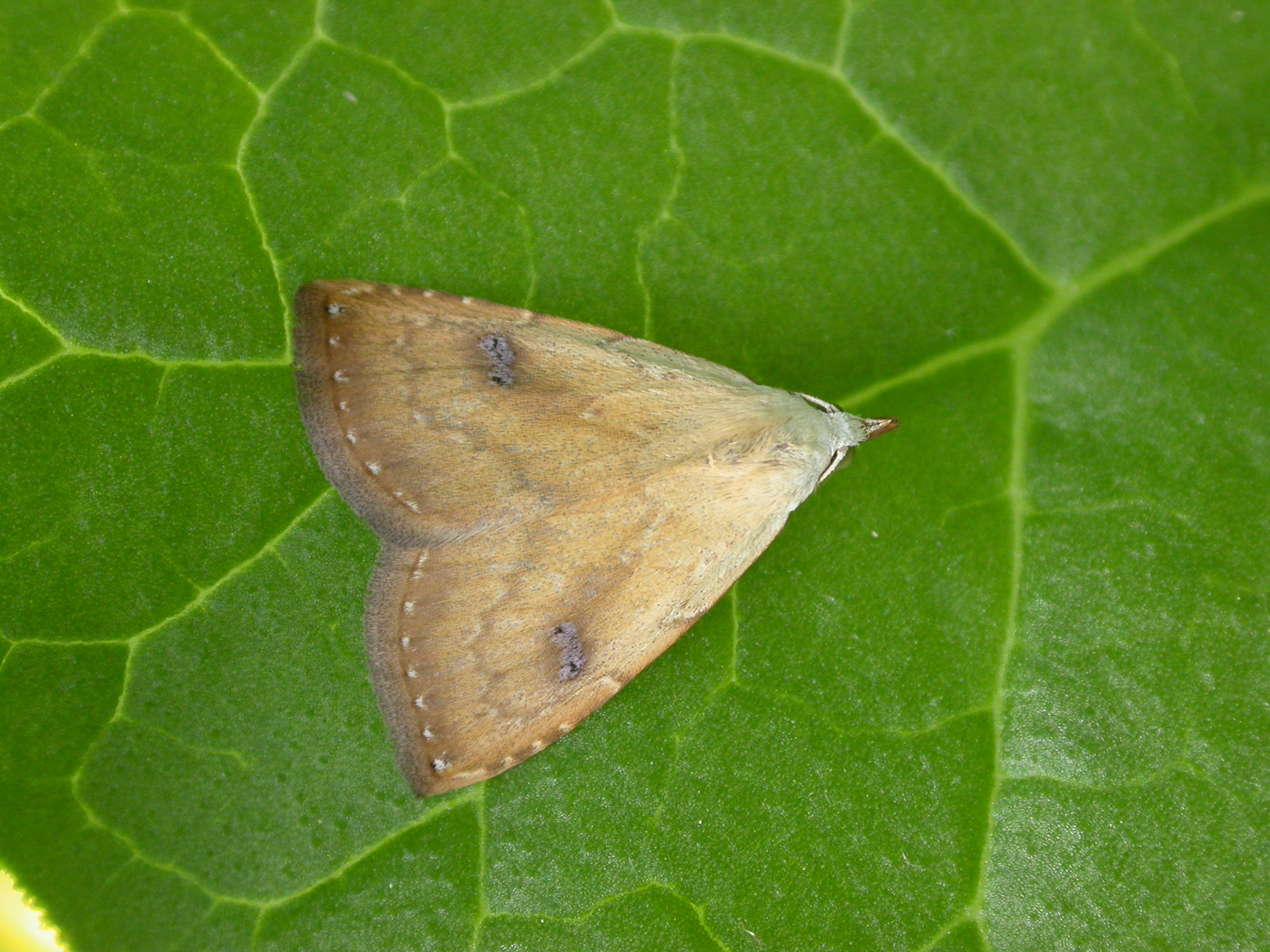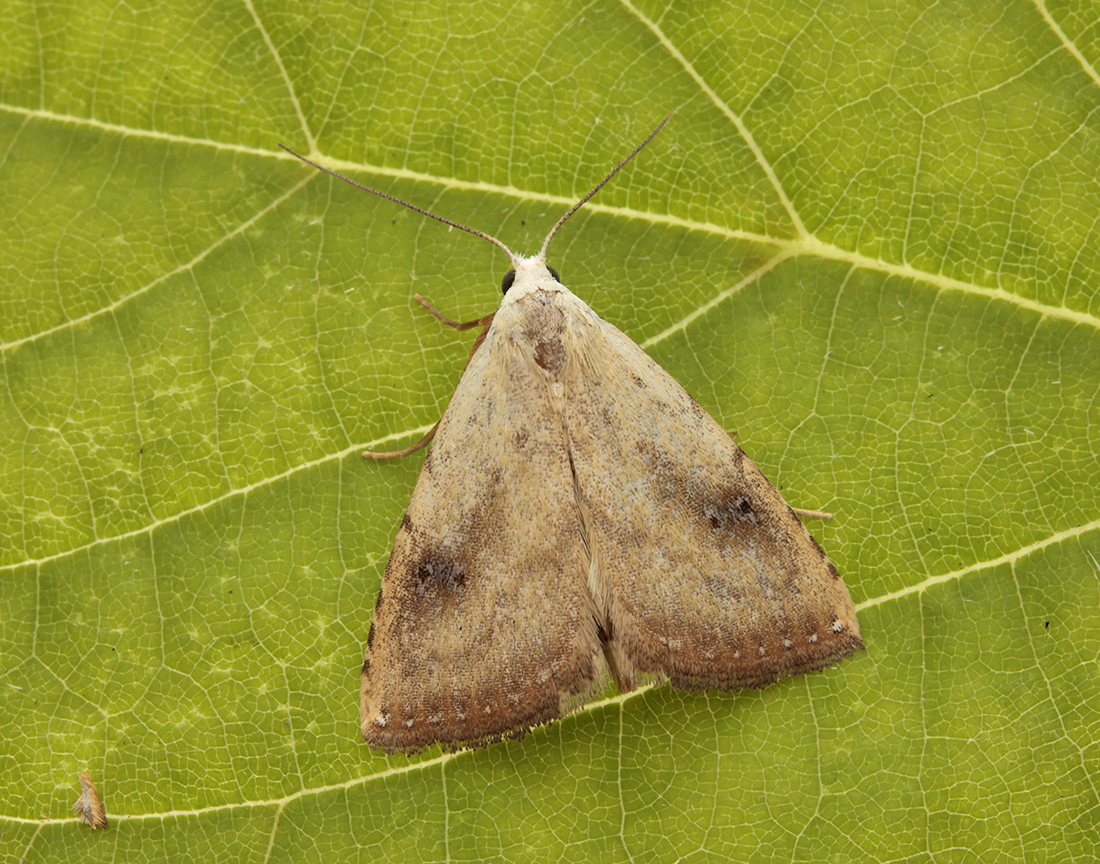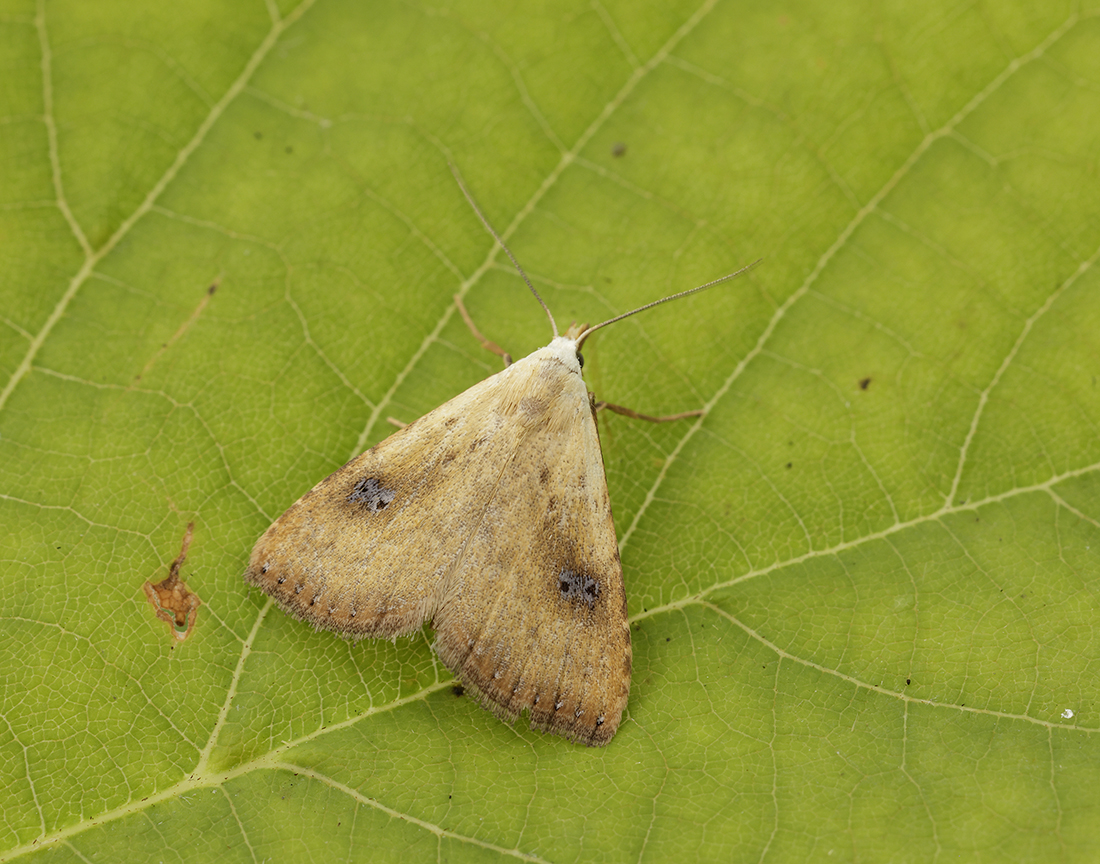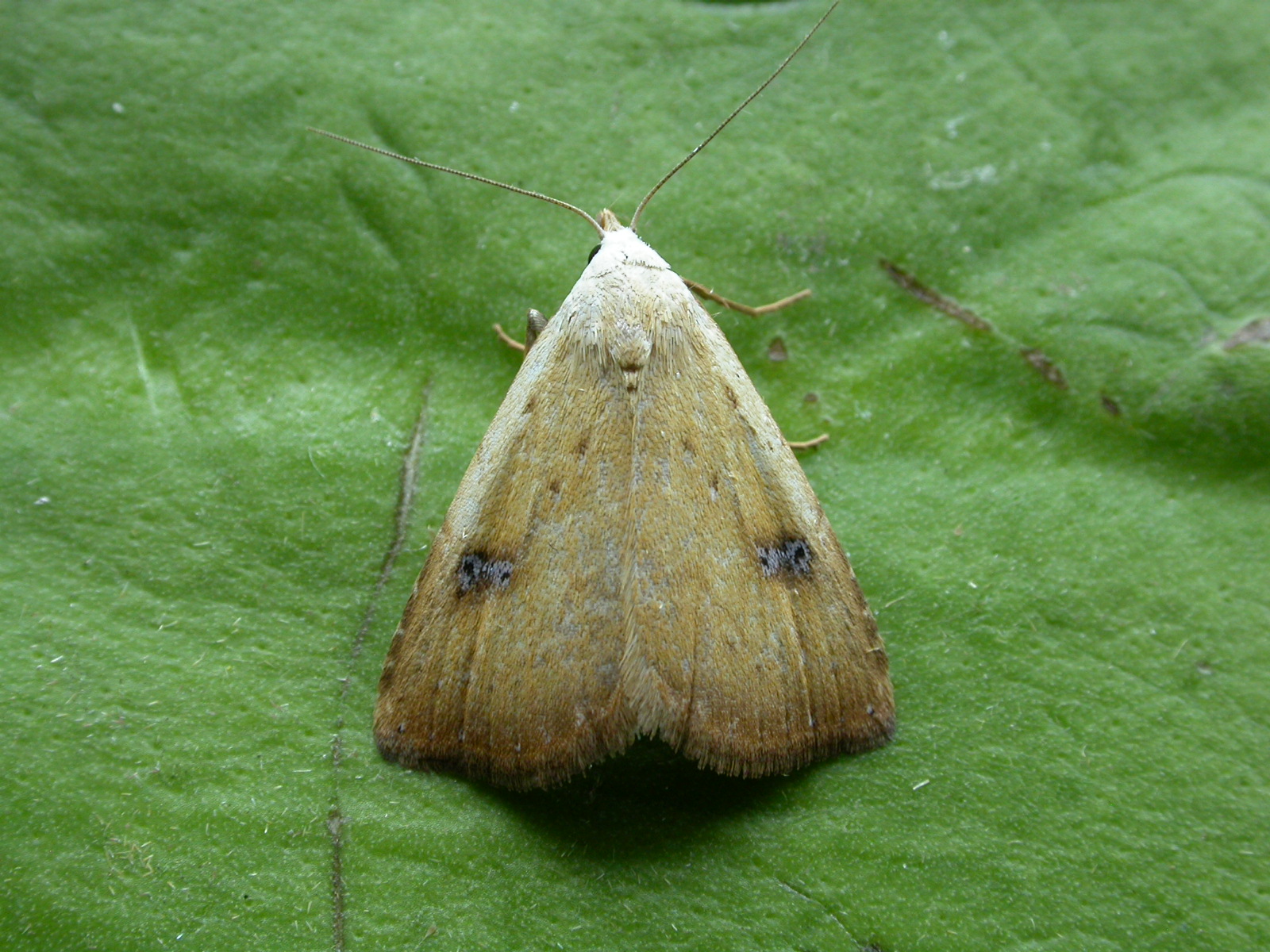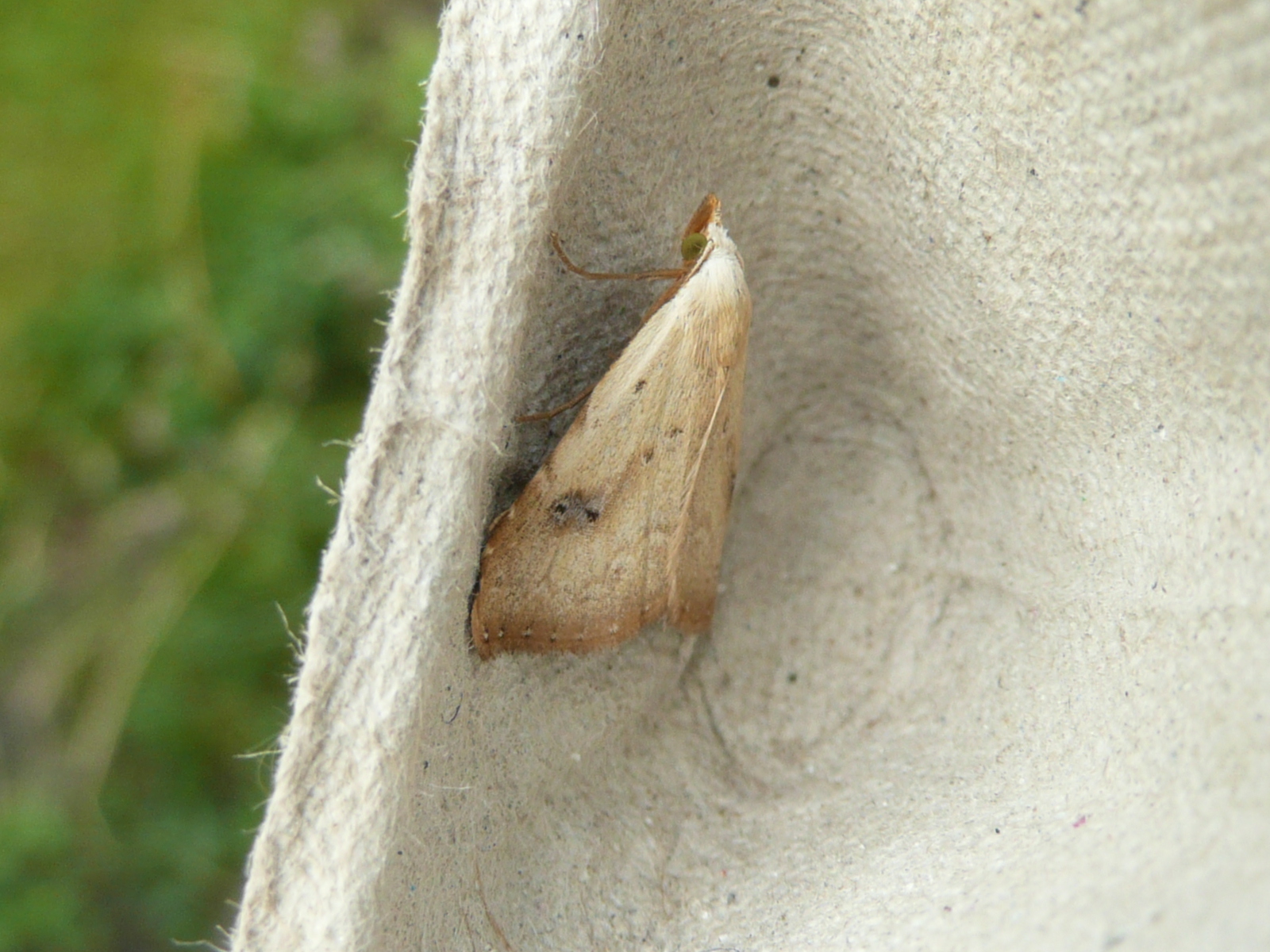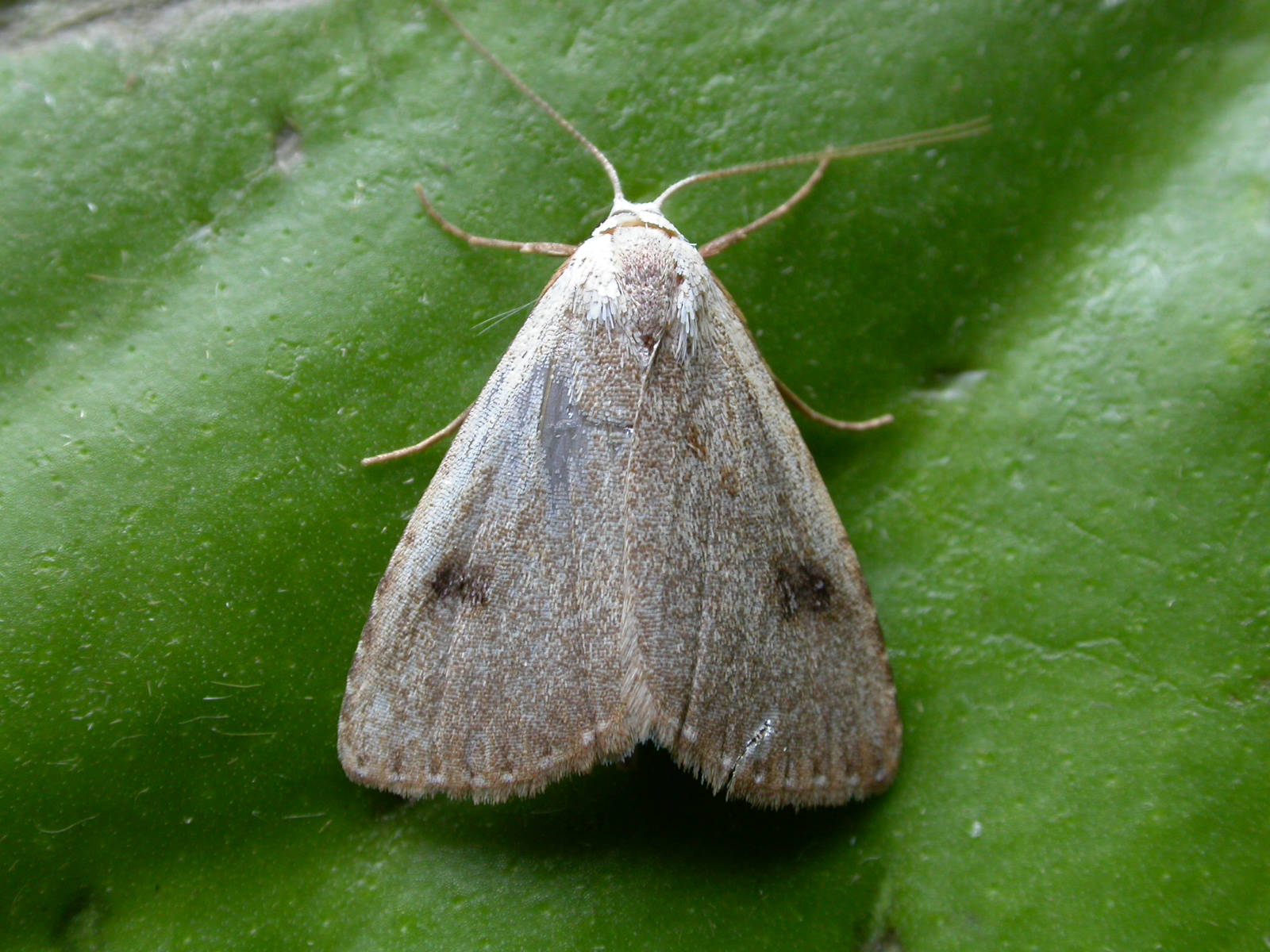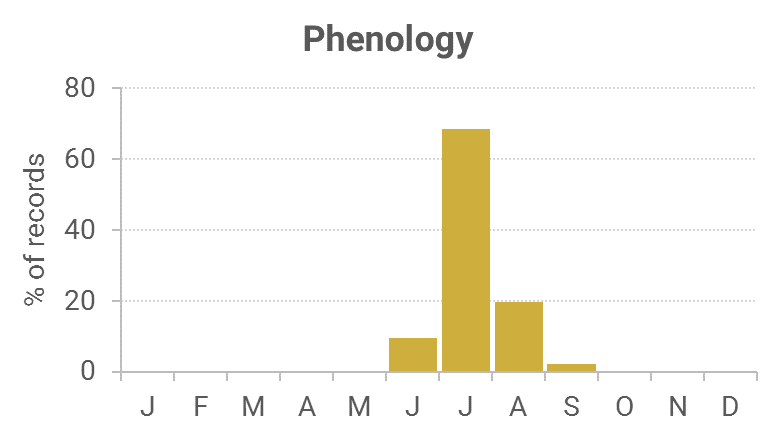

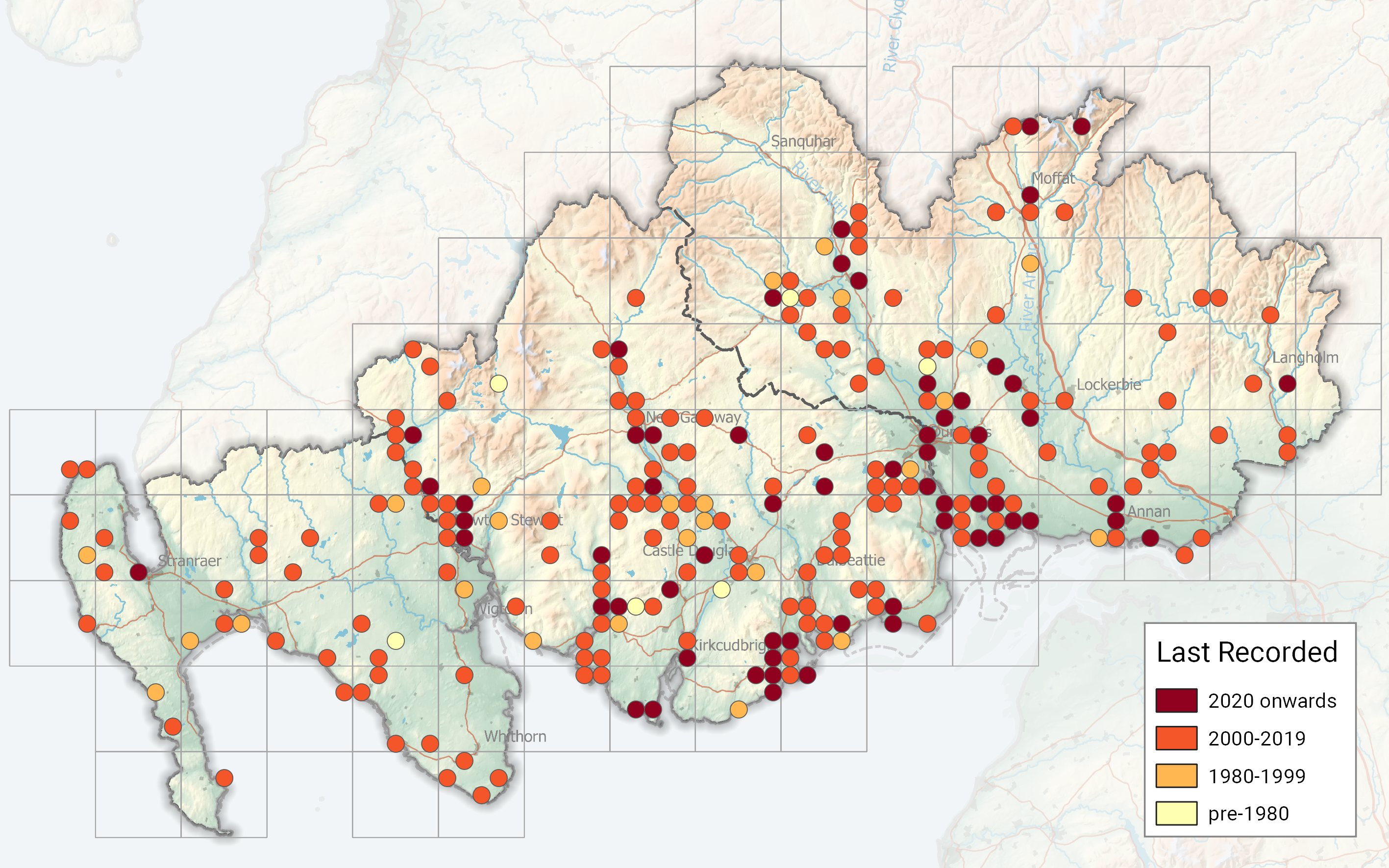
Red List: Least Concern (LC). GB Status: Common.
Identification
Usually distinctive.
Recording Method
Attracted to light.
Life cycle
One prolonged generation but possibly becoming double brooded here. Overwinters as a small larva. Larvae August to May. Pupates in a cocoon attached to grasses.
Larval foodplants
Grasses.
Habitat
Chiefly in tall damp grassland, fens, marshes, moorland, heathland and wetter woodland areas.
History
Gordon (1919) had two specimens to record, one taken among rushes at the side of Kennel Wood, Corsemalzie (VC74) on 9th July 1906, the other near the Malzie Burn, Corsemalzie, 26th July 1906.
Archibald Russell (1944) listed it as occurring near Gatehouse of Fleet (VC73) during the years 1942-43. Sir Arthur Duncan (1909-84) during his lifetime had found it at Closeburn and Tynron (VC72).
During 1974-93 all seven Rothamsted stations provided three hundred and fifty records, proving it widespread.
From 1992 to 2010 the regular trapped sites at Kirkton, Kirkcudbright, Cally Woods, Mersehead RSPB, Forest Moor, Durisdeer and Carsfad at Dalry provided a good number of records with the rest from widely scattered sites across the region.