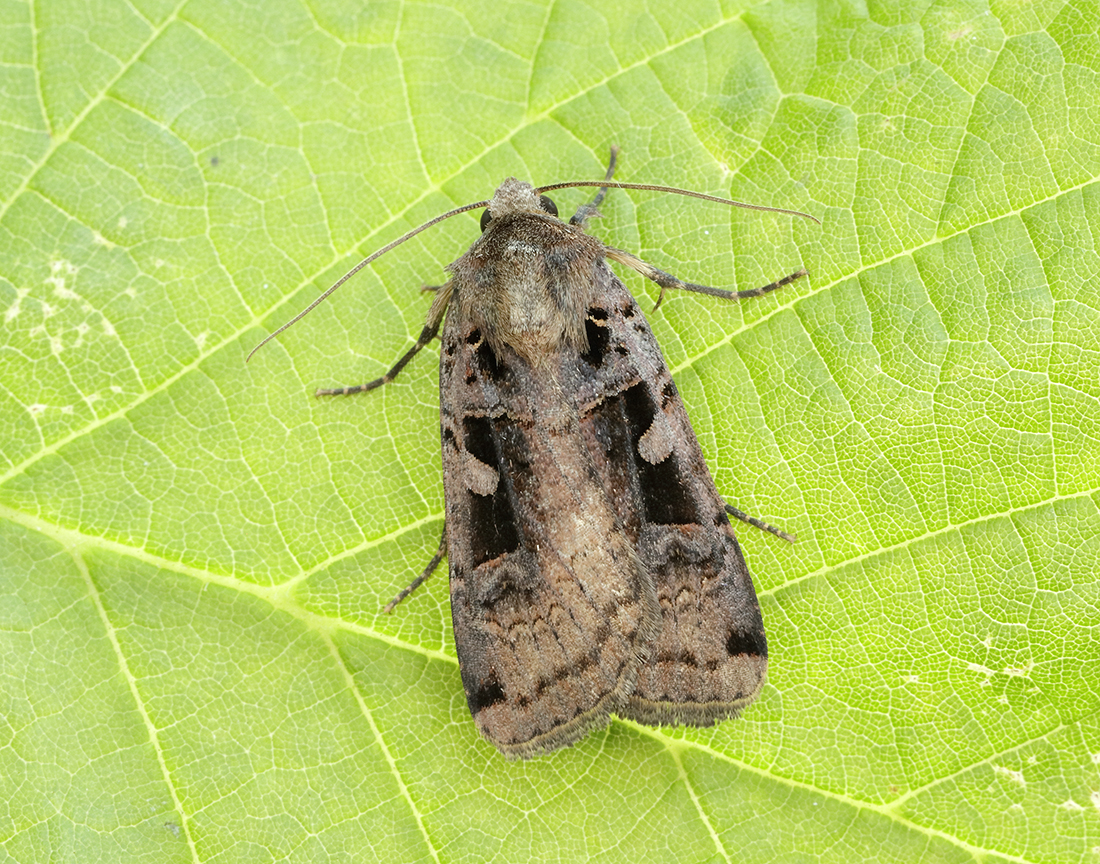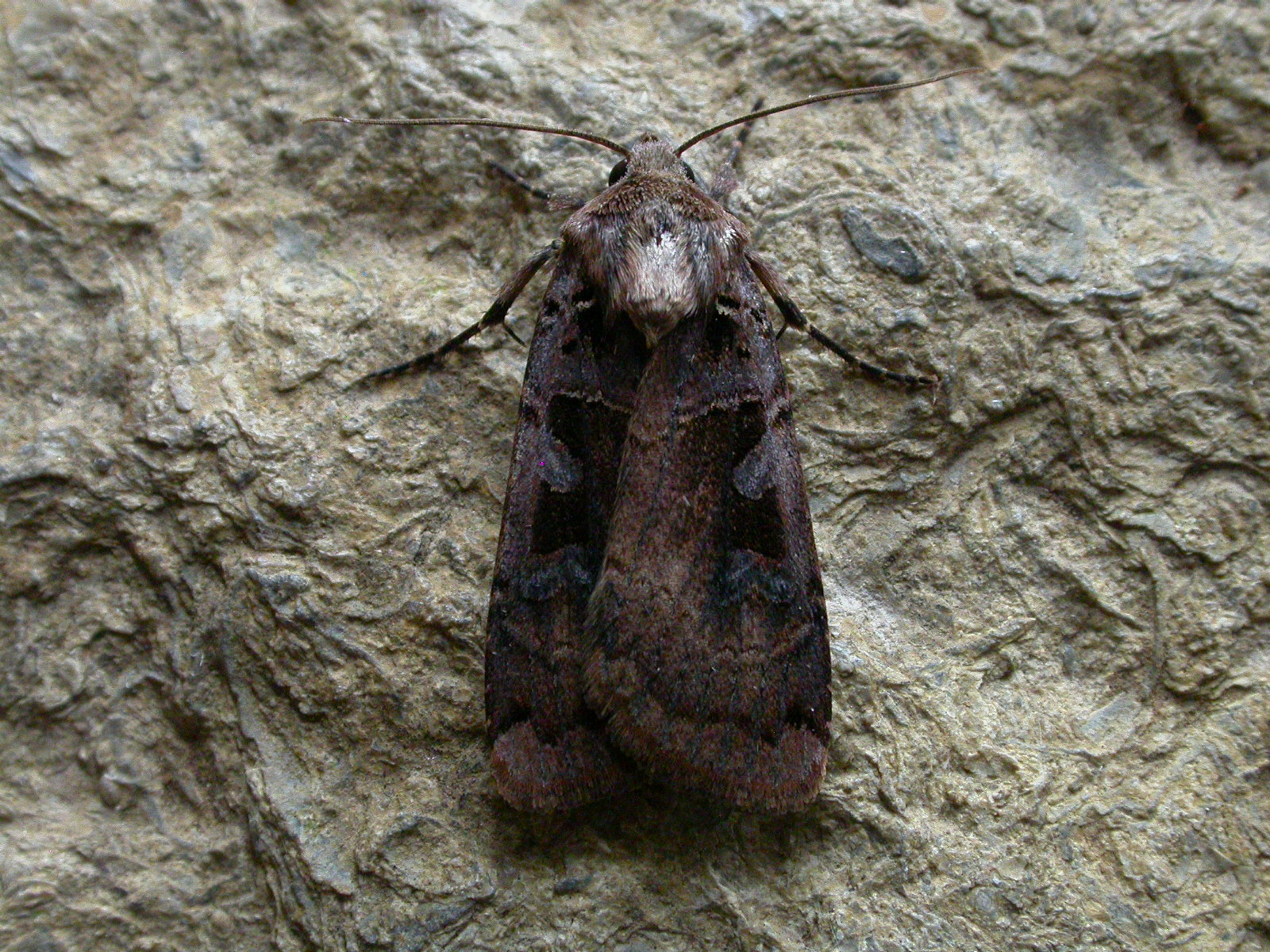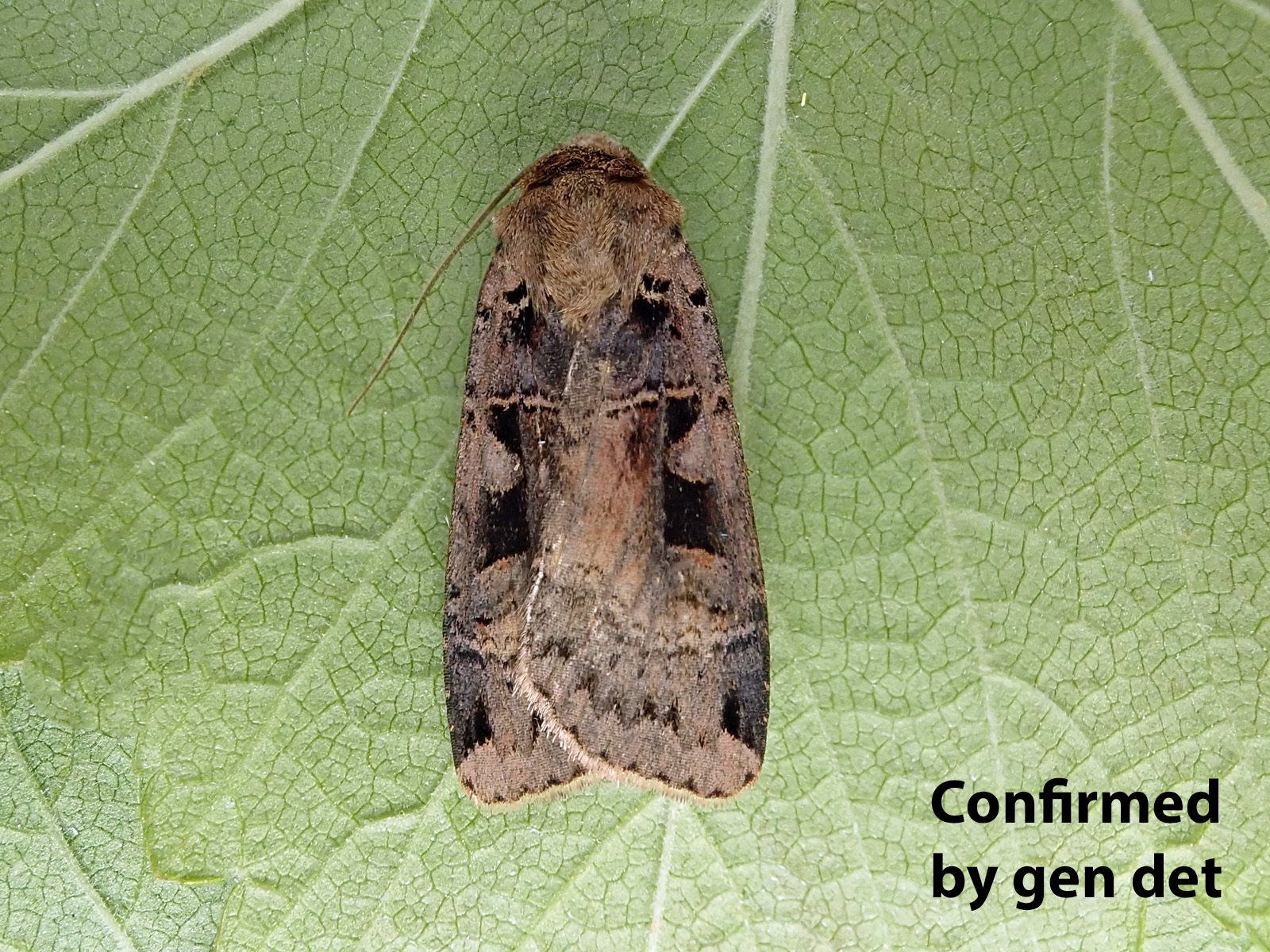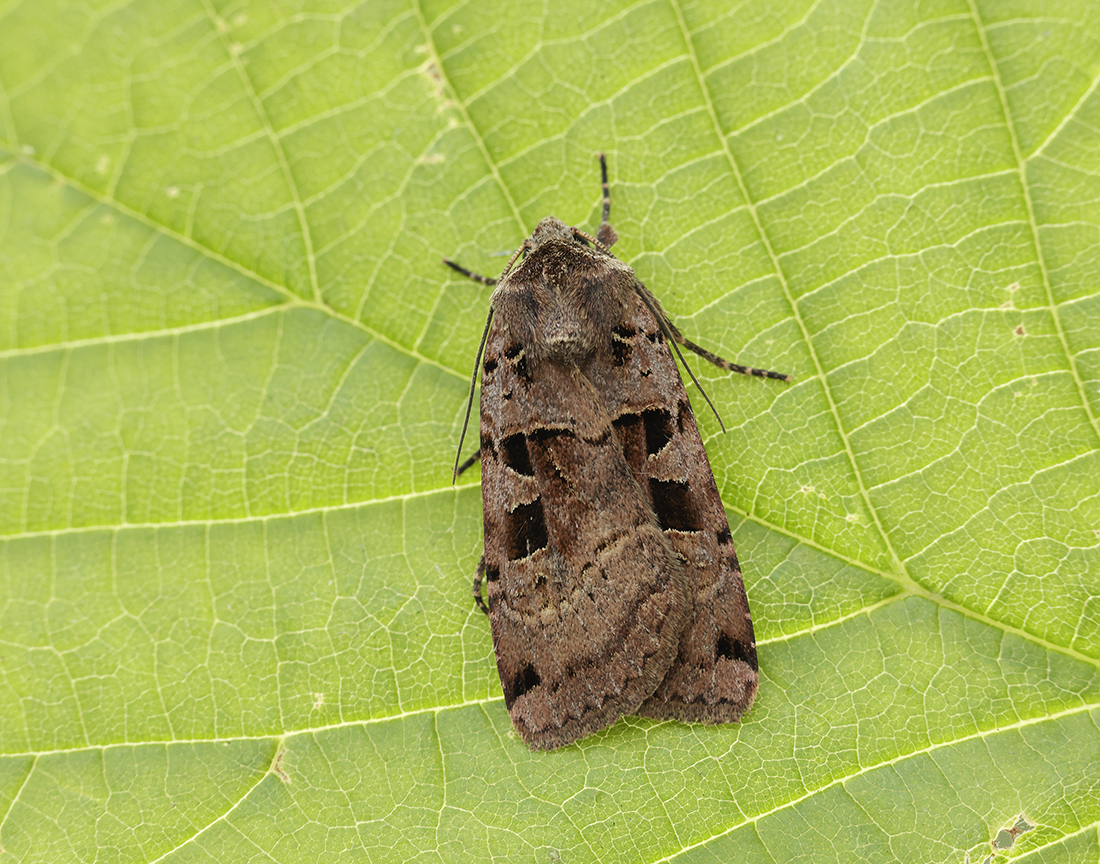

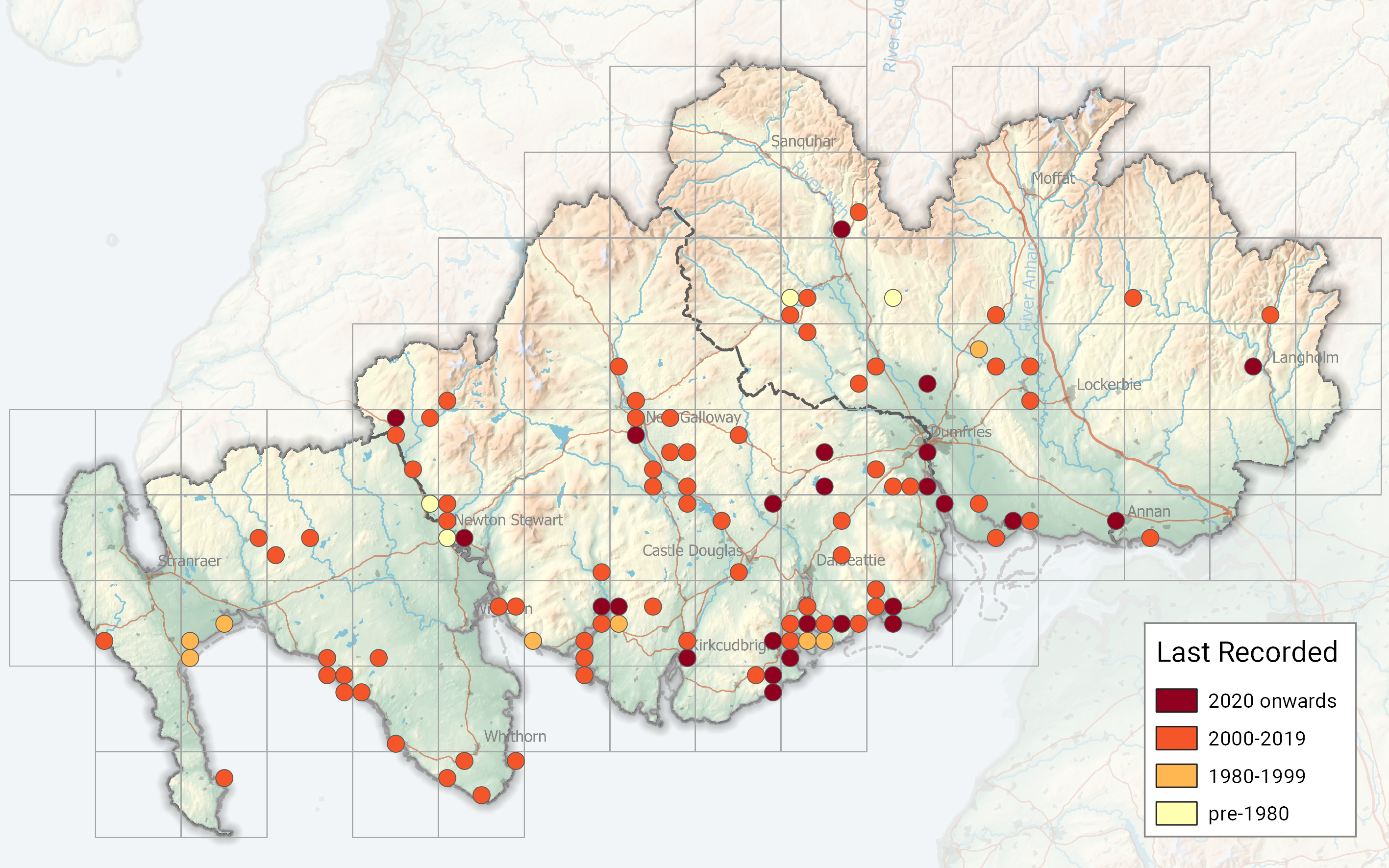
Red List: Least Concern (LC). GB Status: Common.
Identification
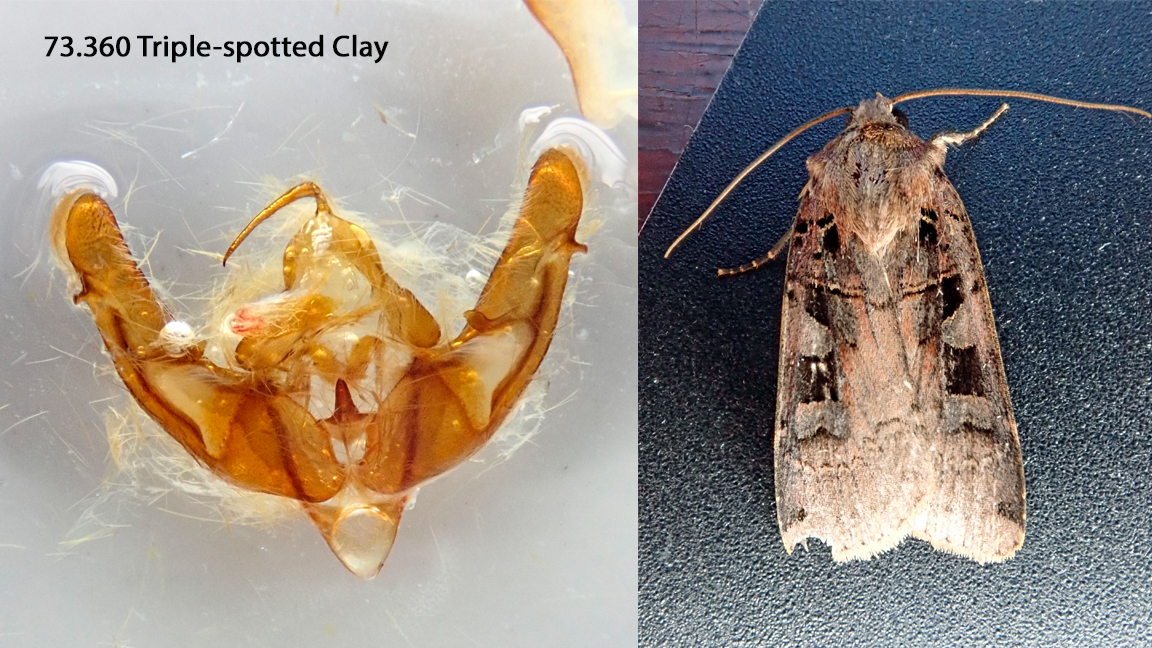
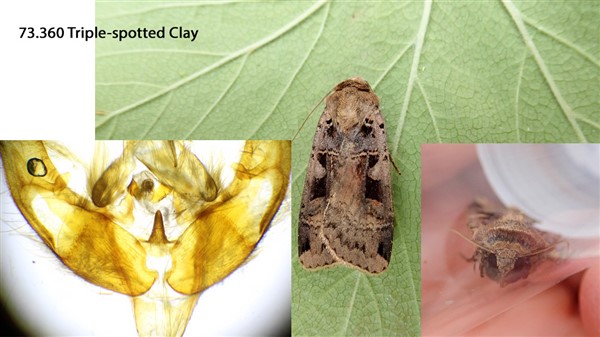
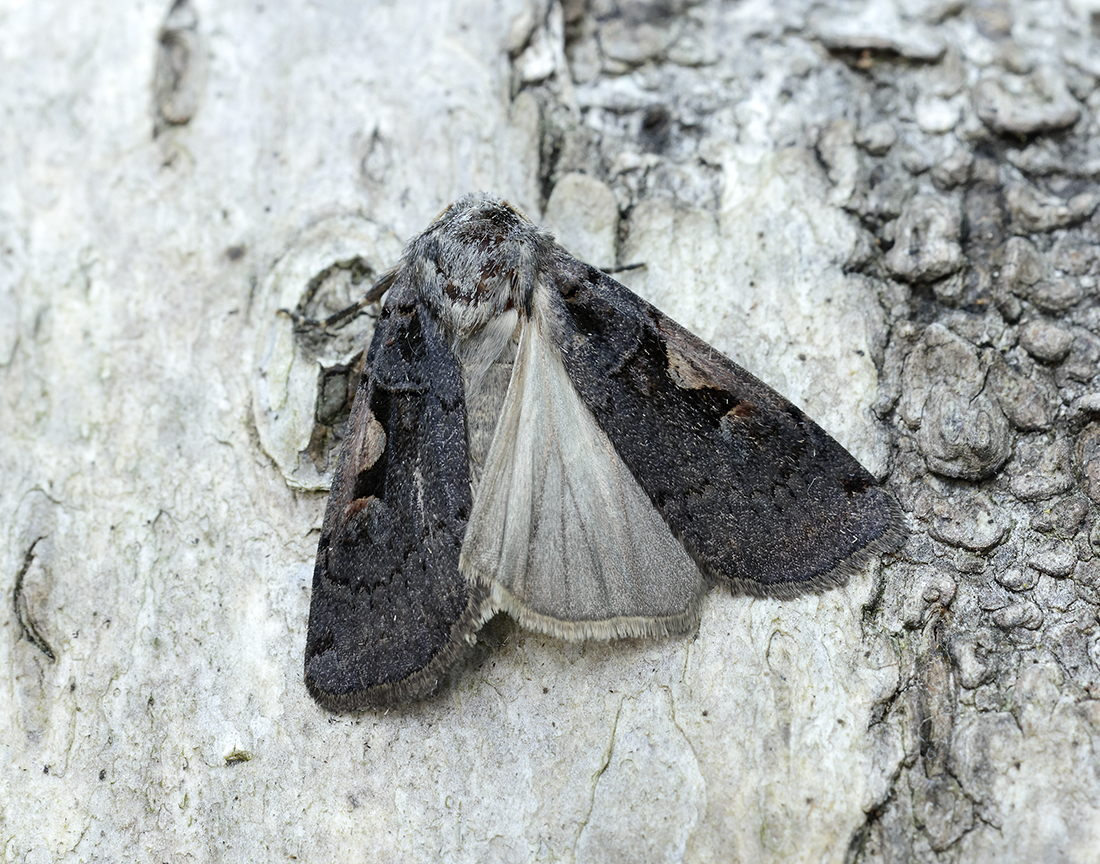
Usually distinctive. Care required, potential confusion with very similar Double Square-spot. More information here and here.
Recording Method.
Attracted to light. Also feeds at sugar and flowers.
Life cycle
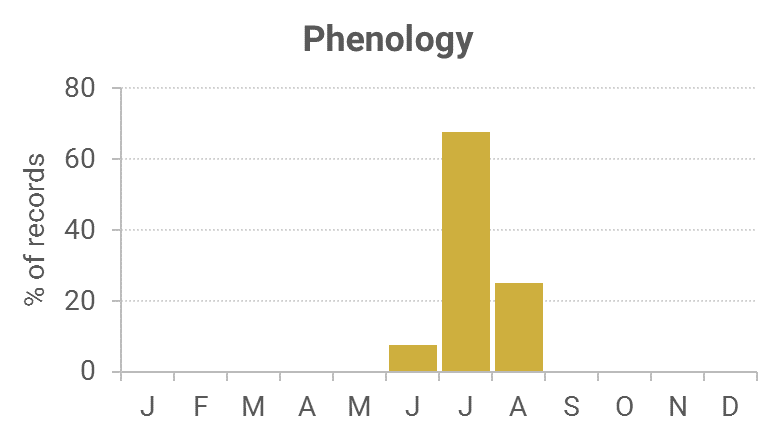
One generation. Overwinters as a larva. Larvae August to May. Pupates on or just below ground level.
Larval foodplants
Primrose, Dogwood, sallows and birches.
Habitat
Damp and open broadleaved woodland, also parks and gardens.
History
It was first found on the 24th June 1949 in Mabie Forest by David Cunningham. Further records followed shortly after from Sir Arthur Duncan from Closeburn, Tynron, Colvend and Southerness.
During 1974-93 five of the seven Rothamsted stations recorded 135 records between them, Bridge of Dee and Waterside Mains not recording it.
From 1988 to 2010 the regular trapped sites at Carsfad at Dalry and Cally Woods recorded nearly a third of the 130 records, with the rest coming from scattered sites across the region.