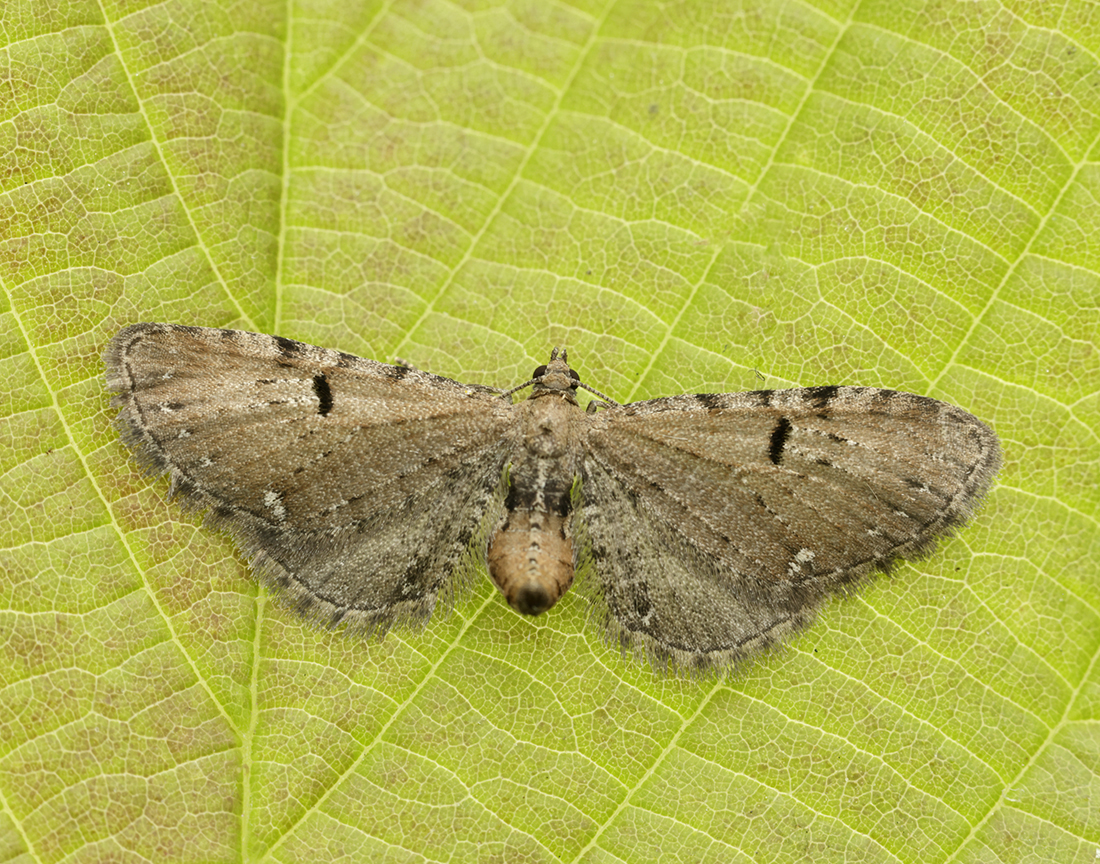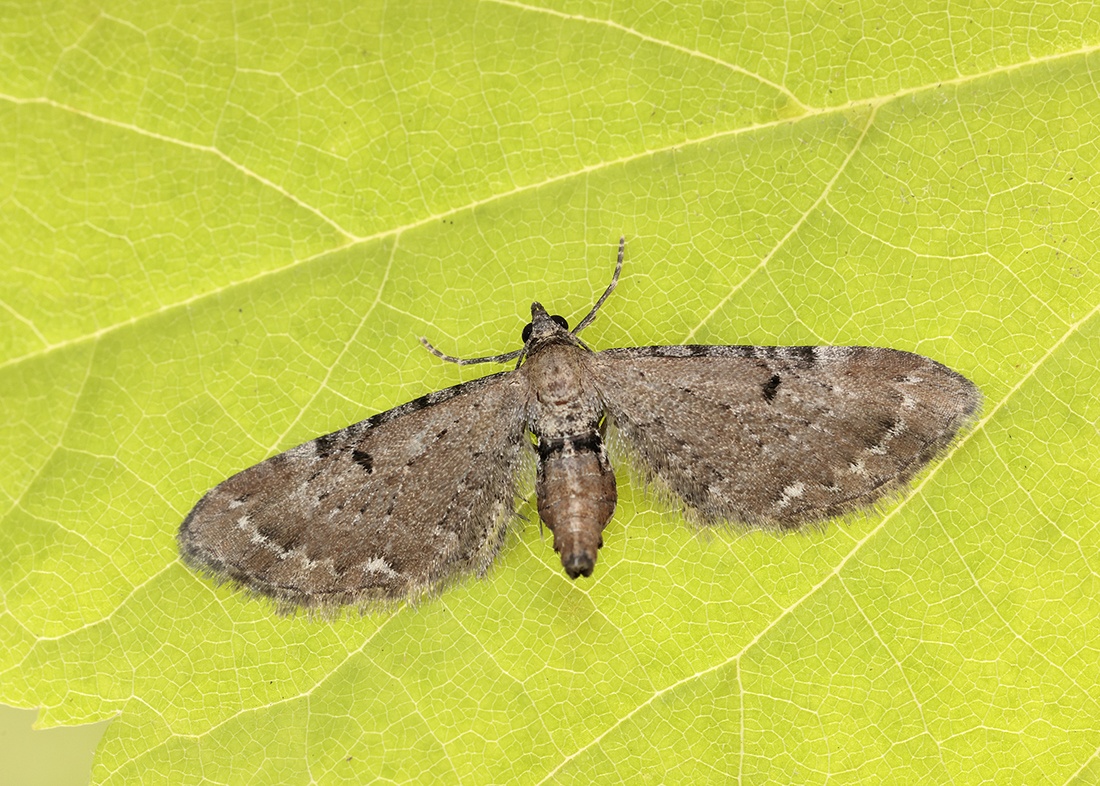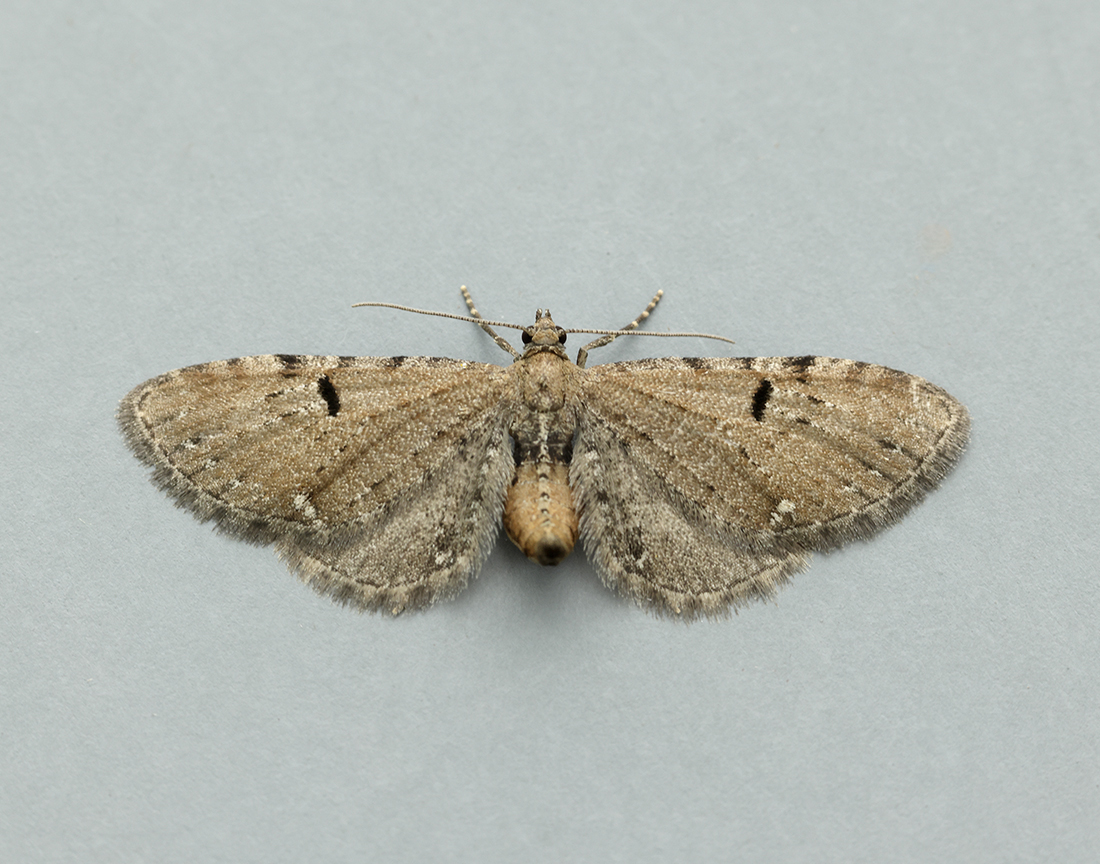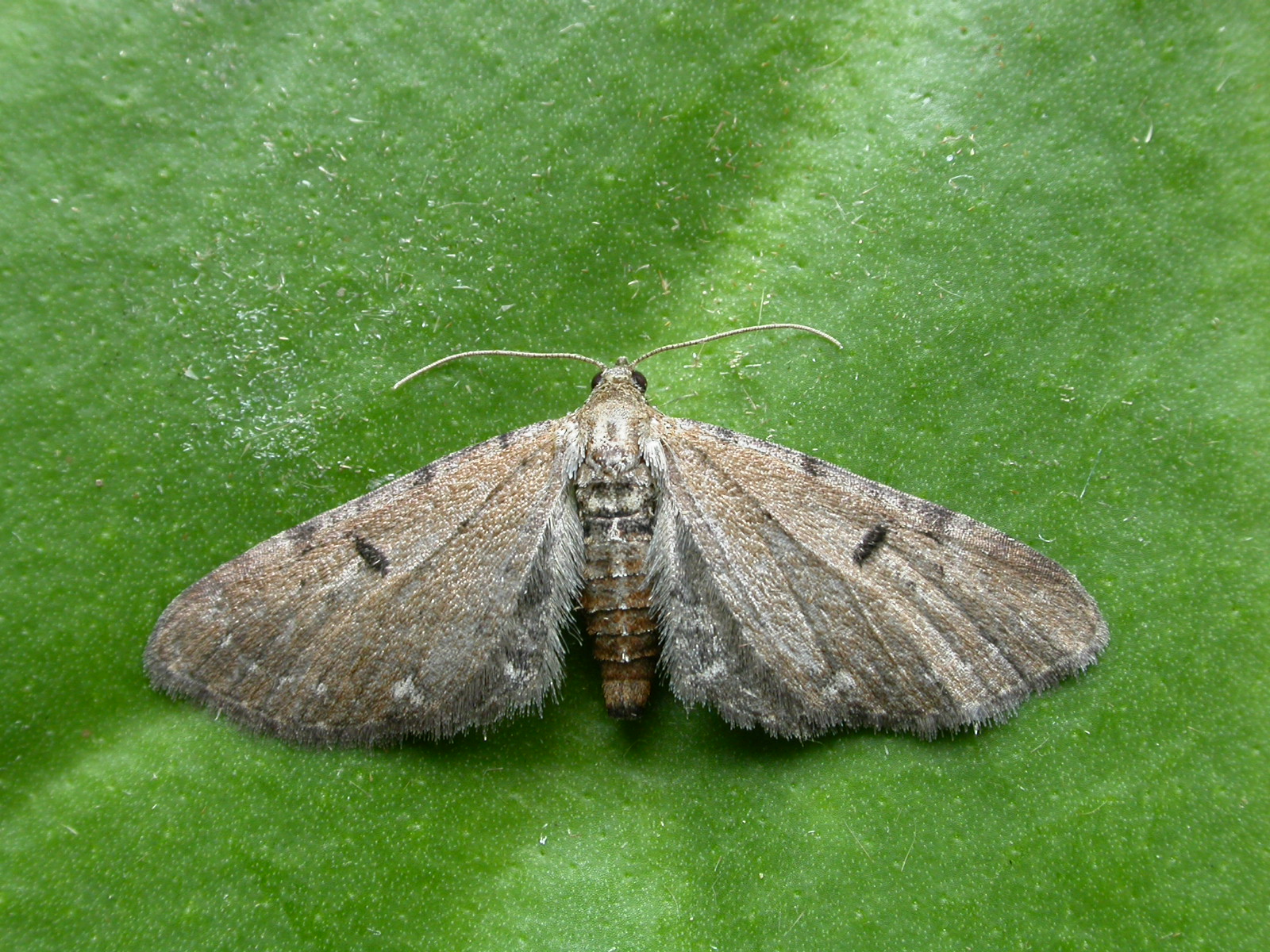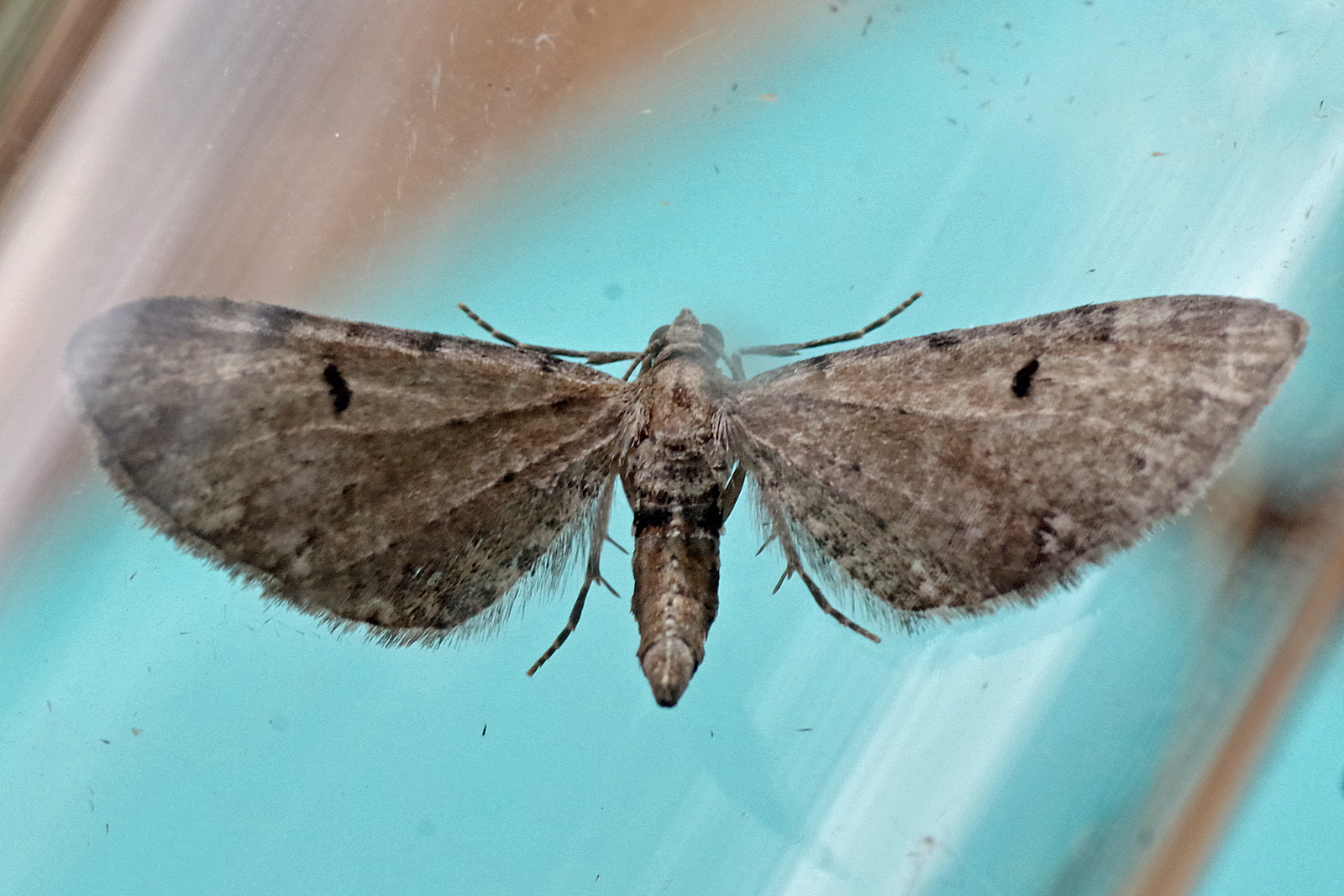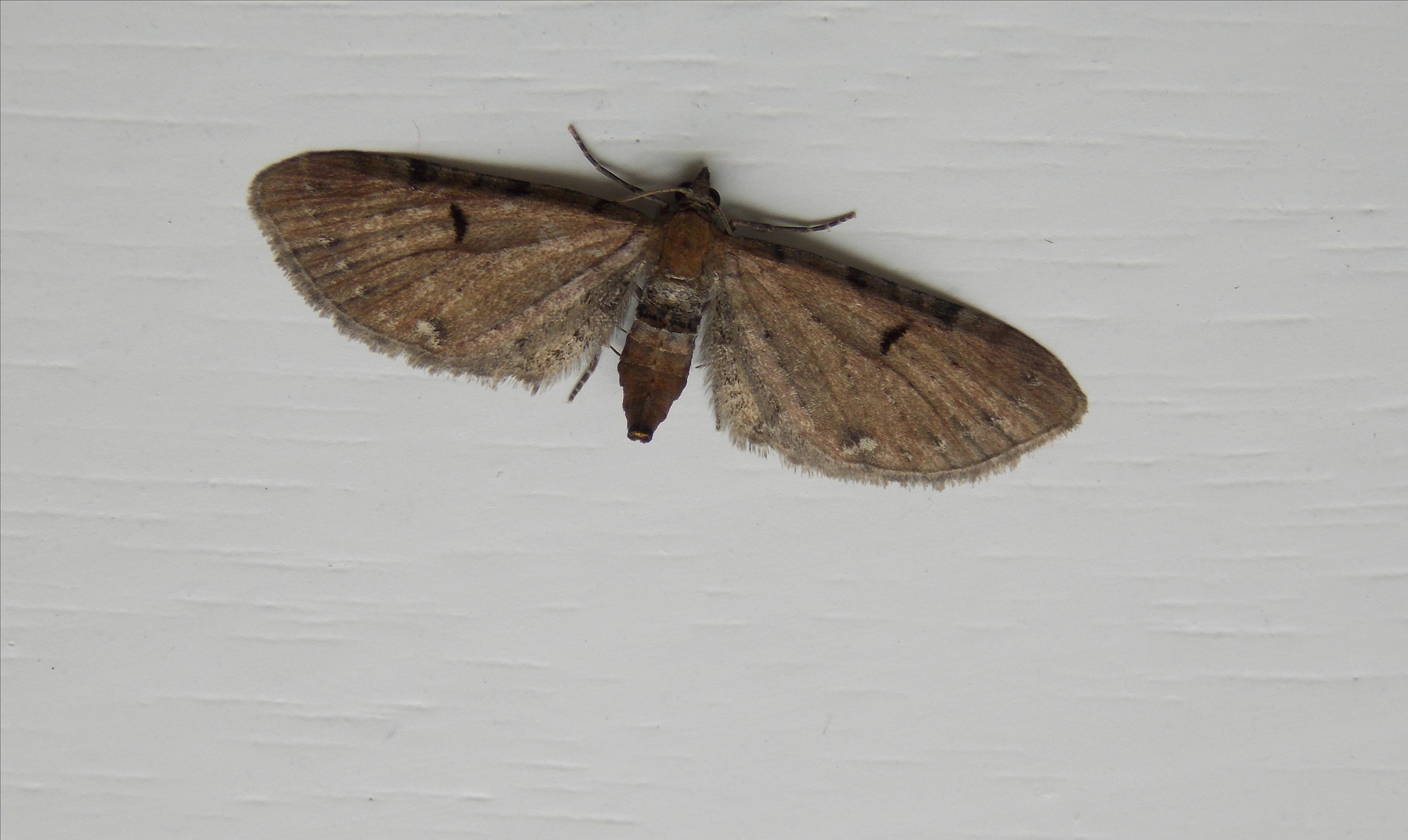

Red List: Least Concern (LC). GB Status: Common.
Identification
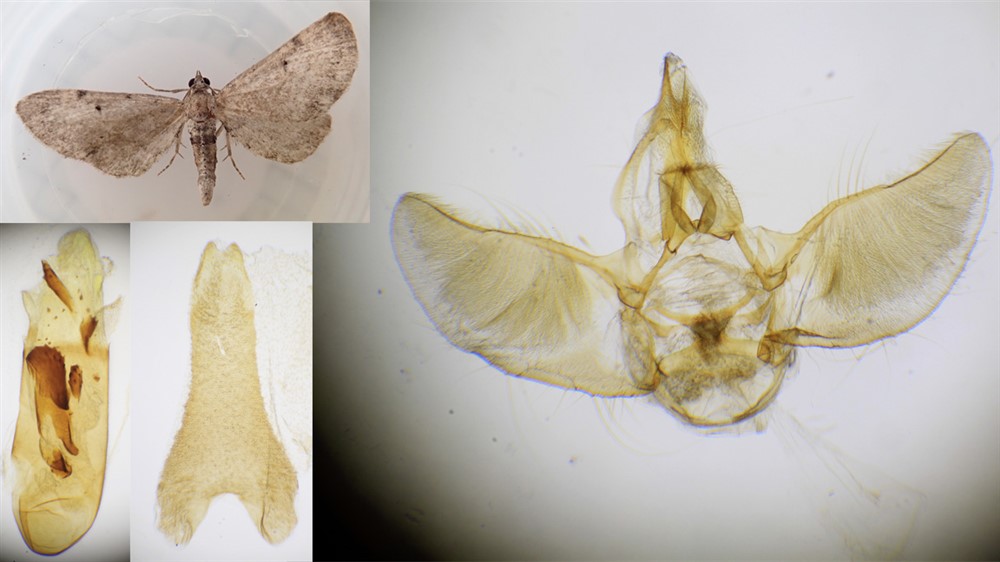
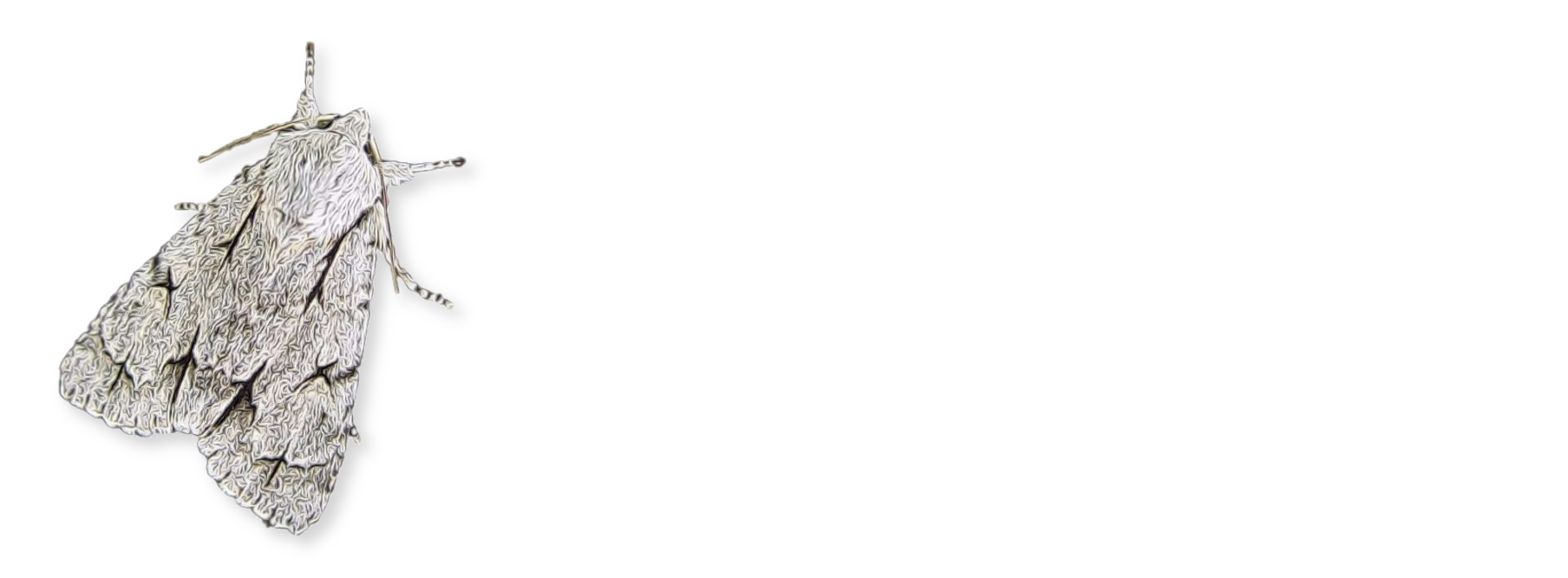
Usually distinctive. Care required, potential confusion with Currant Pug.
Recording method
Attracted to light.
Life cycle
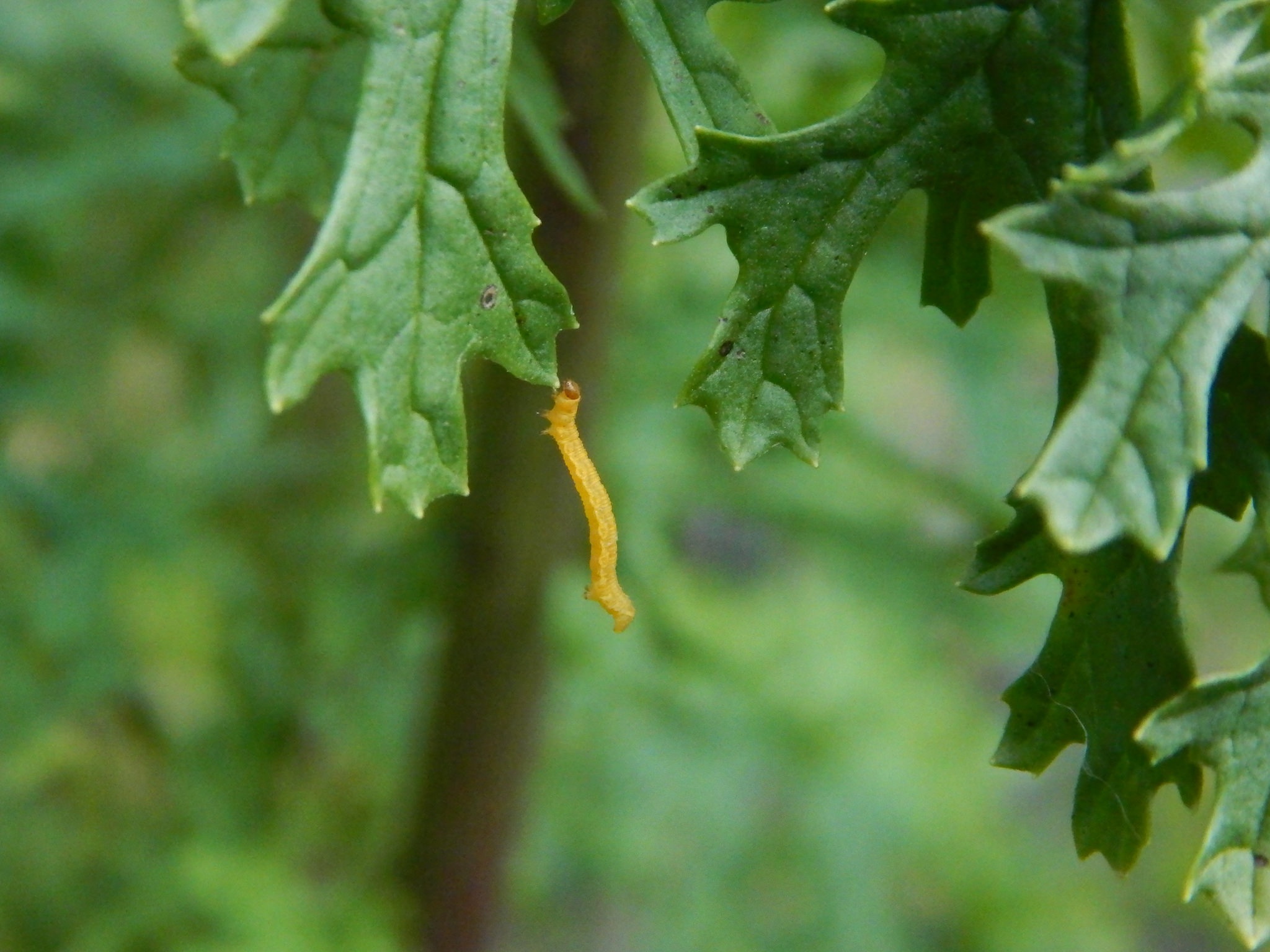
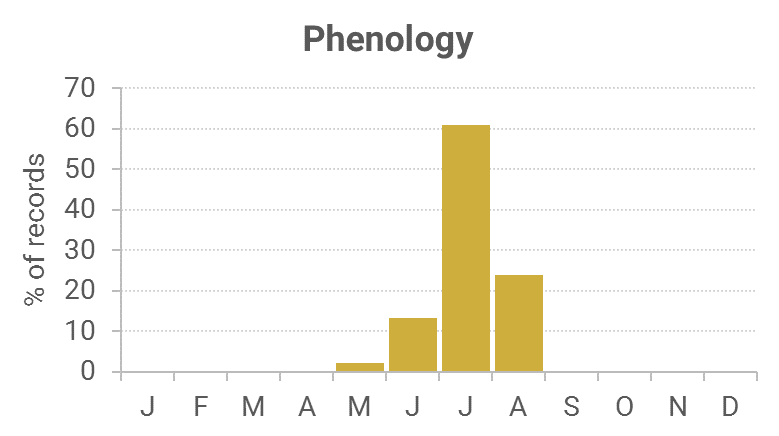
One generation. Overwinters as a pupa. Larvae late July to October. Pupates in loose earth.
Larval foodplants
Feeds on the flowers of many plants in the family Asteraceae includingRagworts, Wormwood, Sea Aster, Sea Wormwood, Michaelmas-daisy and Goldenrod.
Habitat
A wide variety of habitats including gardens, woodland, lowland and upland sites, saltmarshes and coastal sites.
History
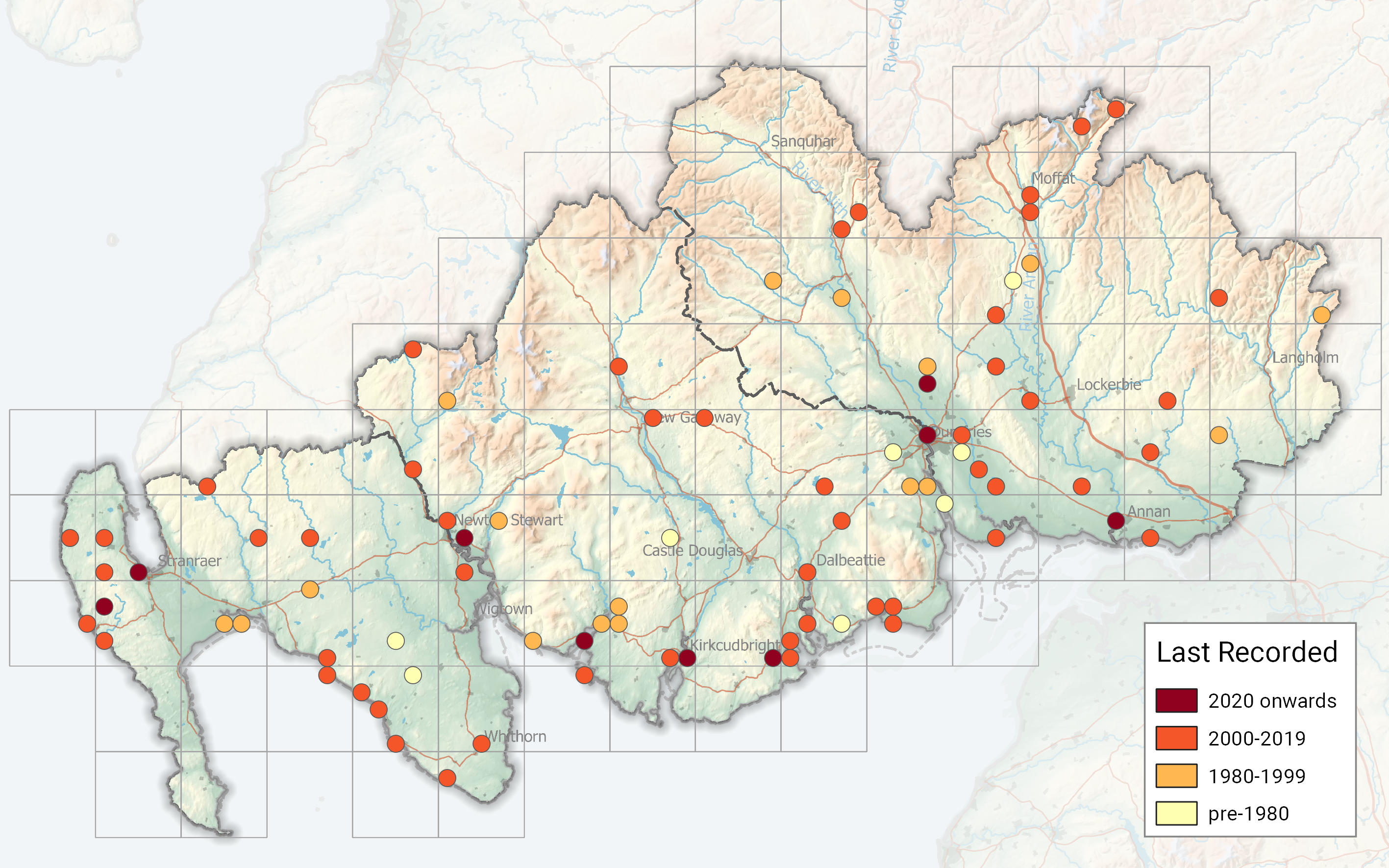
First recorded for Dumfries and Galloway in 1820 for VC72 at Raehills by Little who said it was ‘rare’, in 1862 for VC73 at Glen Mills by Lennon who said it was ‘not very common’ and in 1890 for VC74 near Monreith by Garroway.