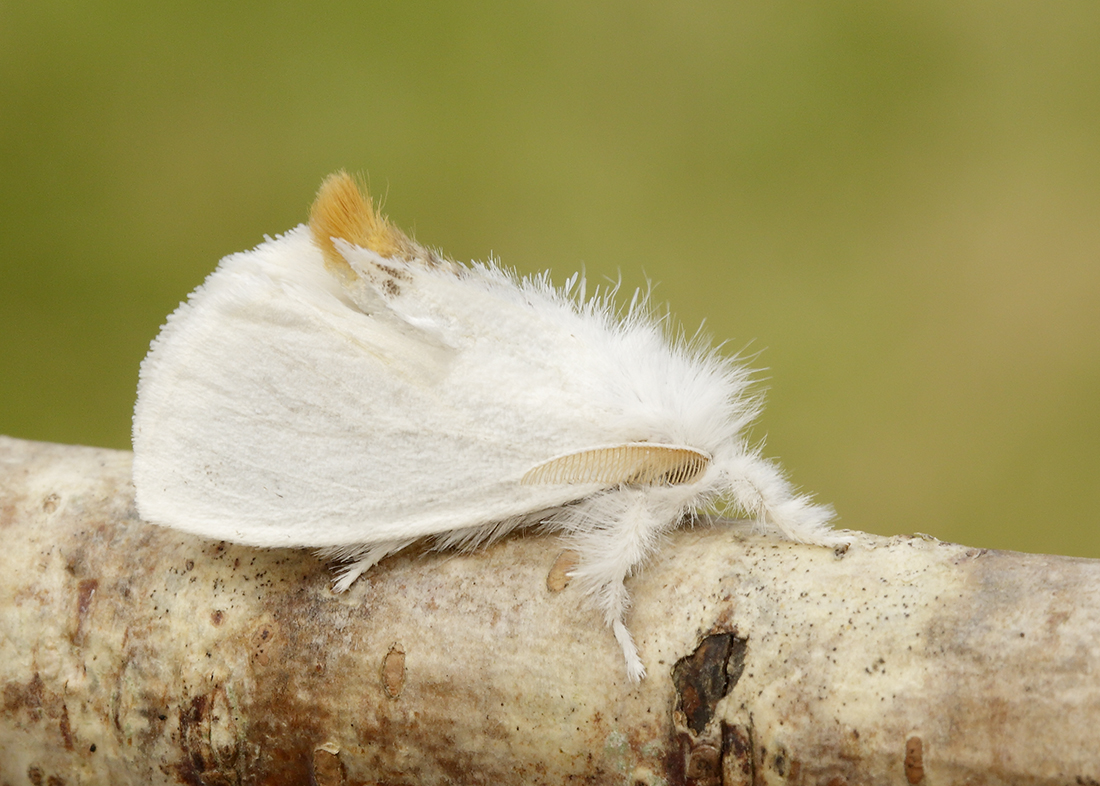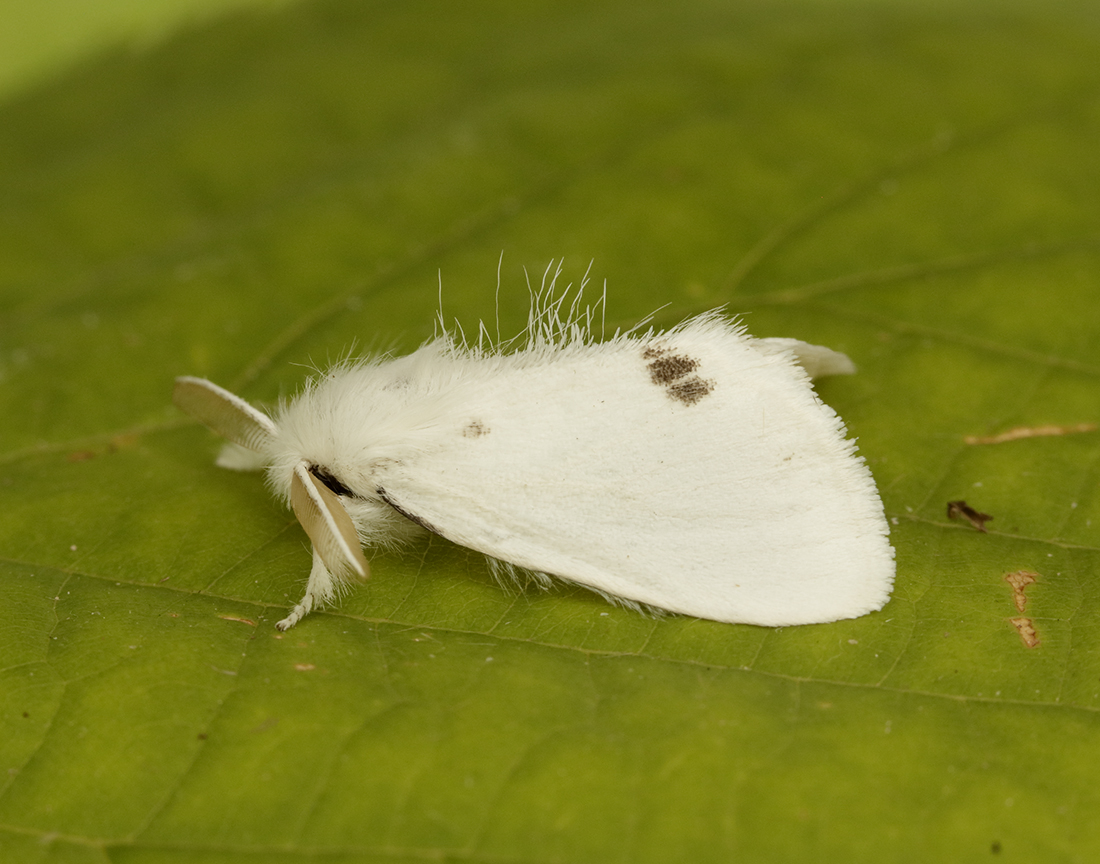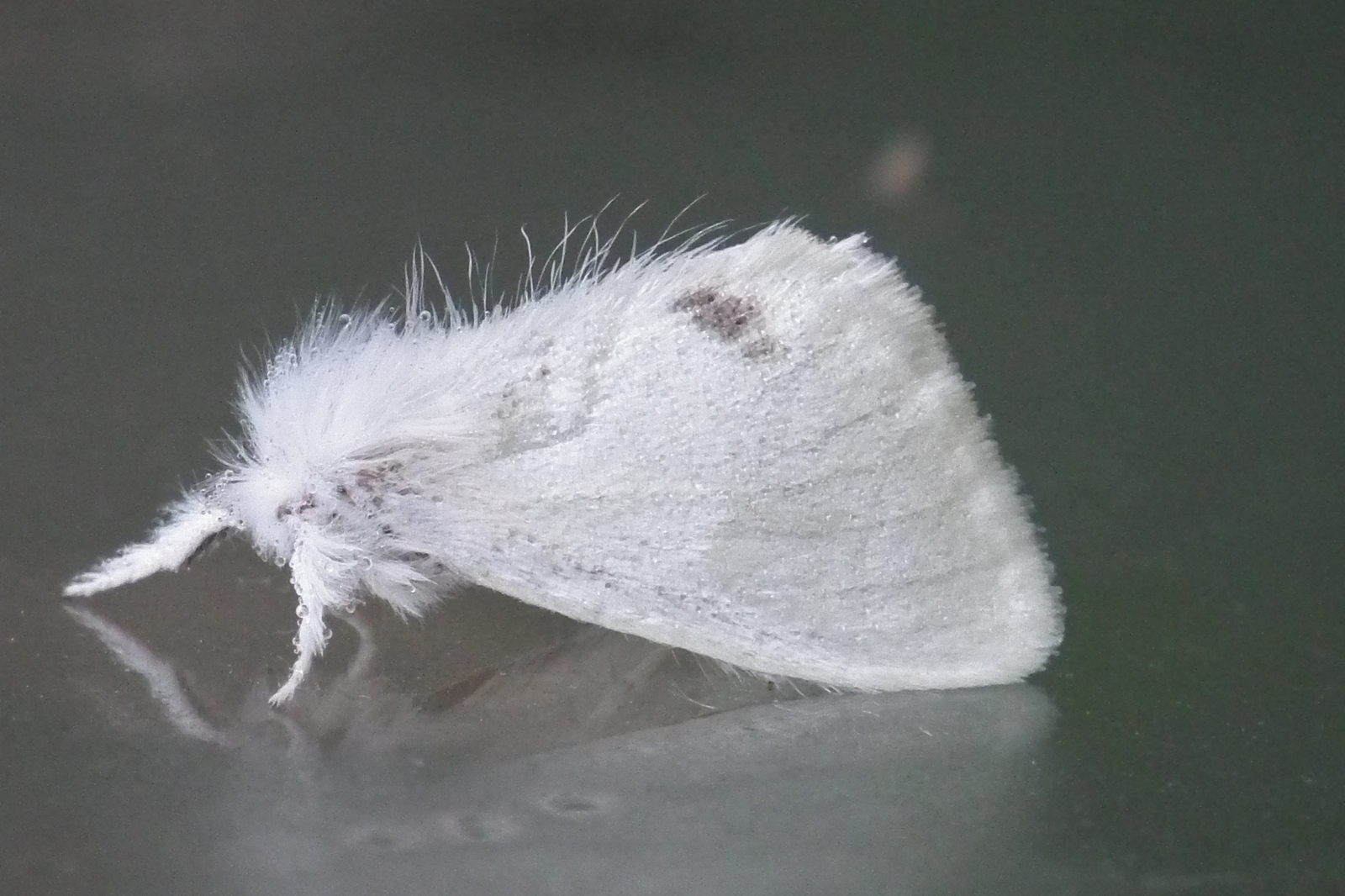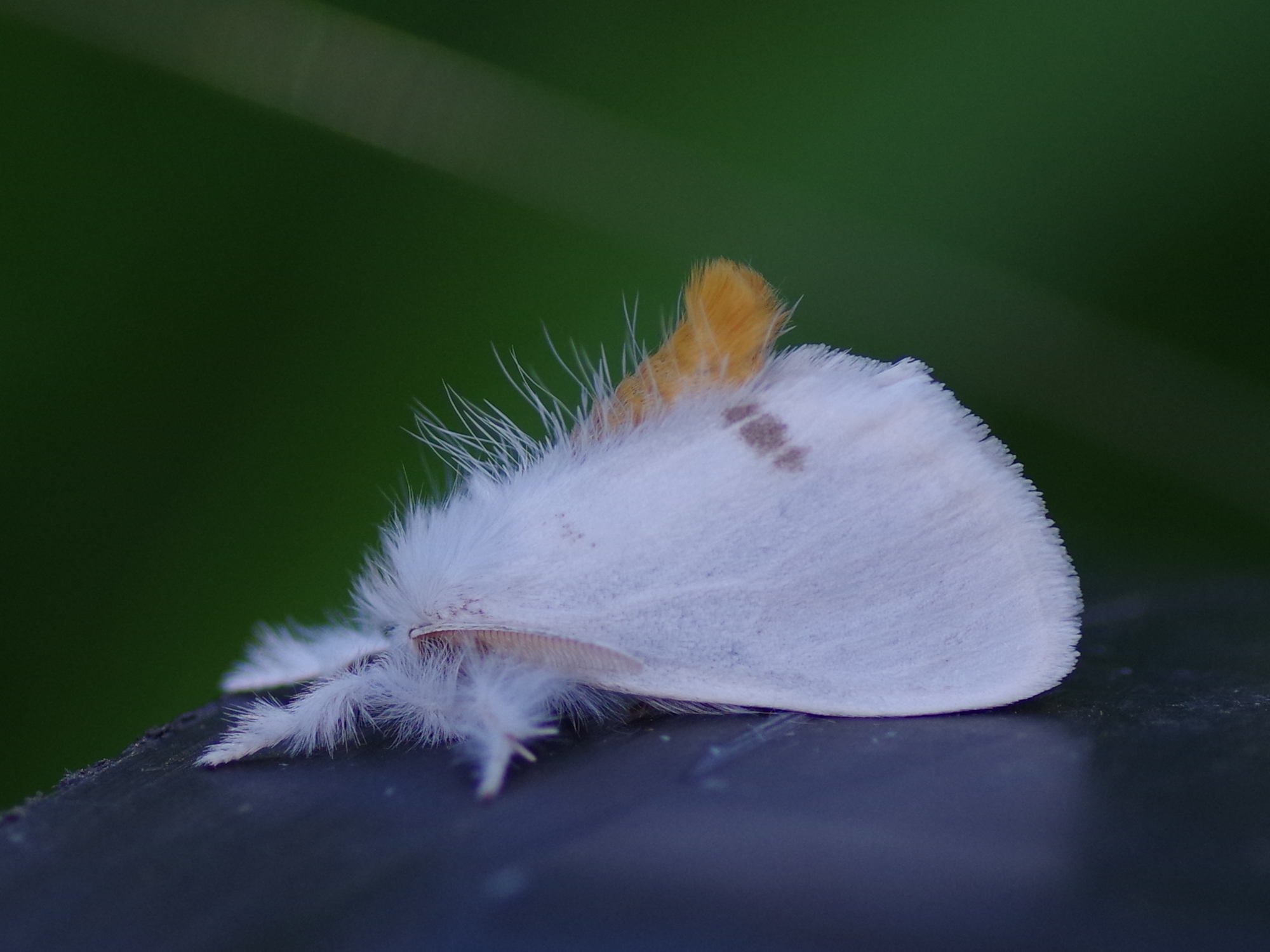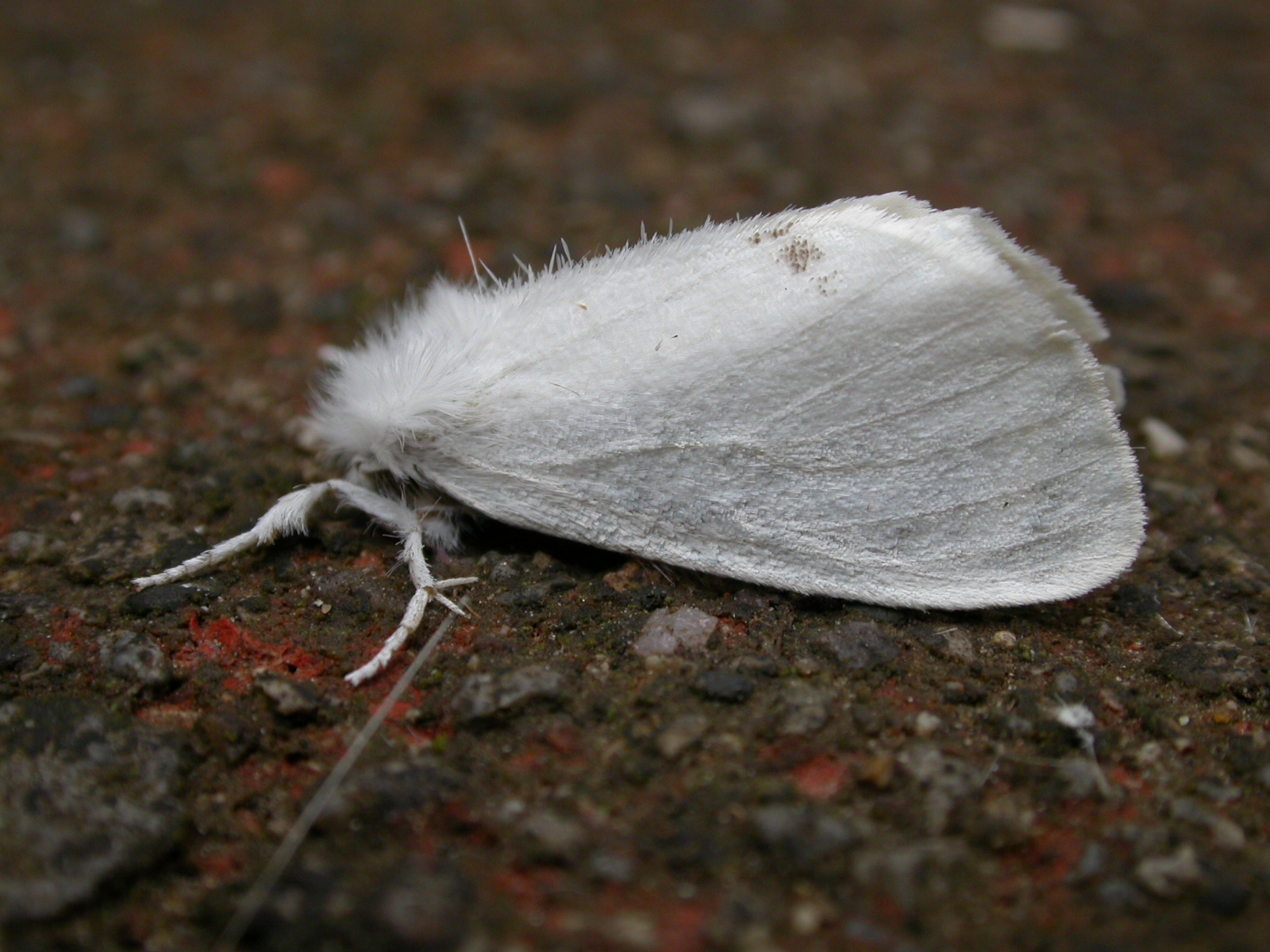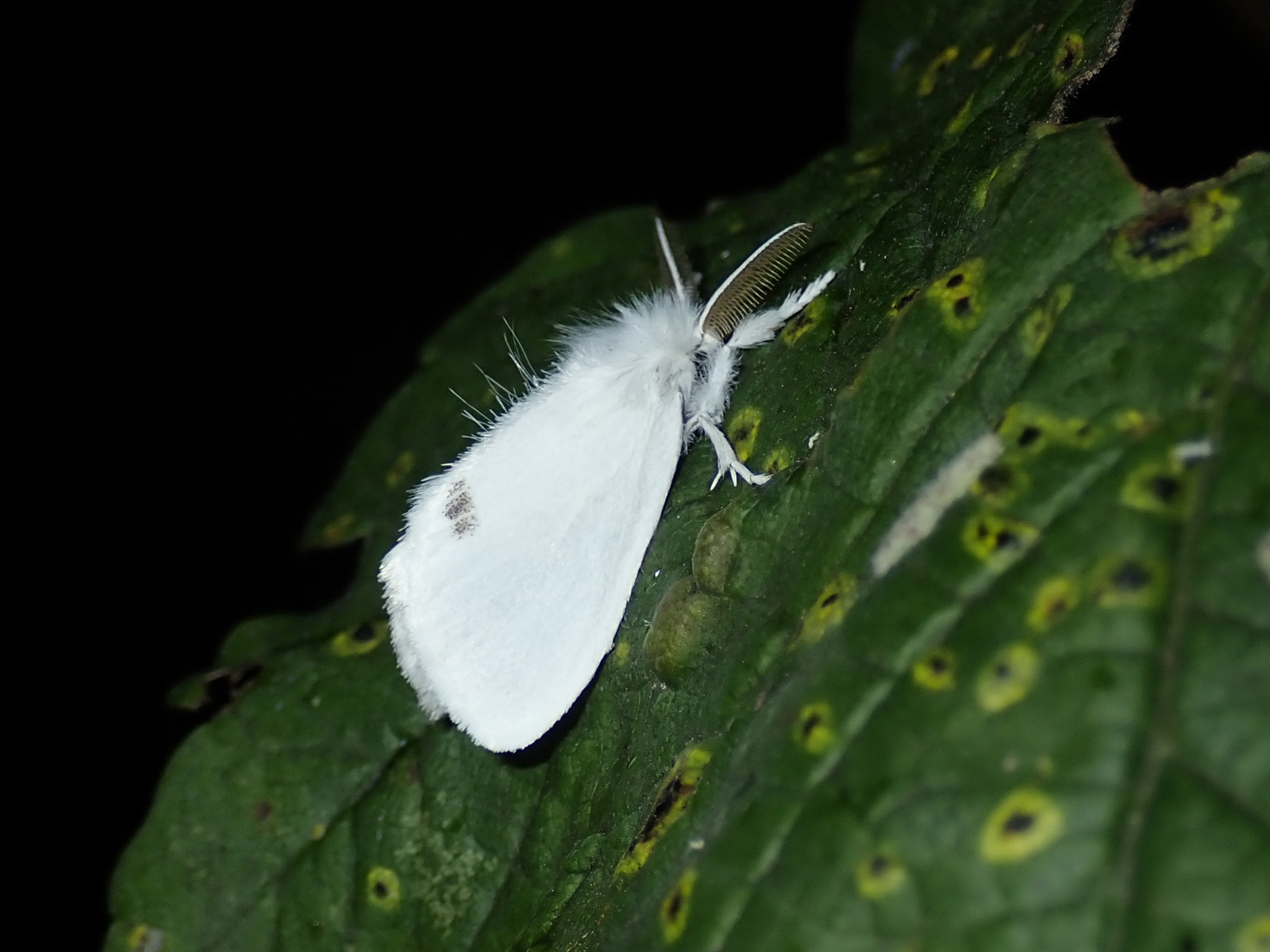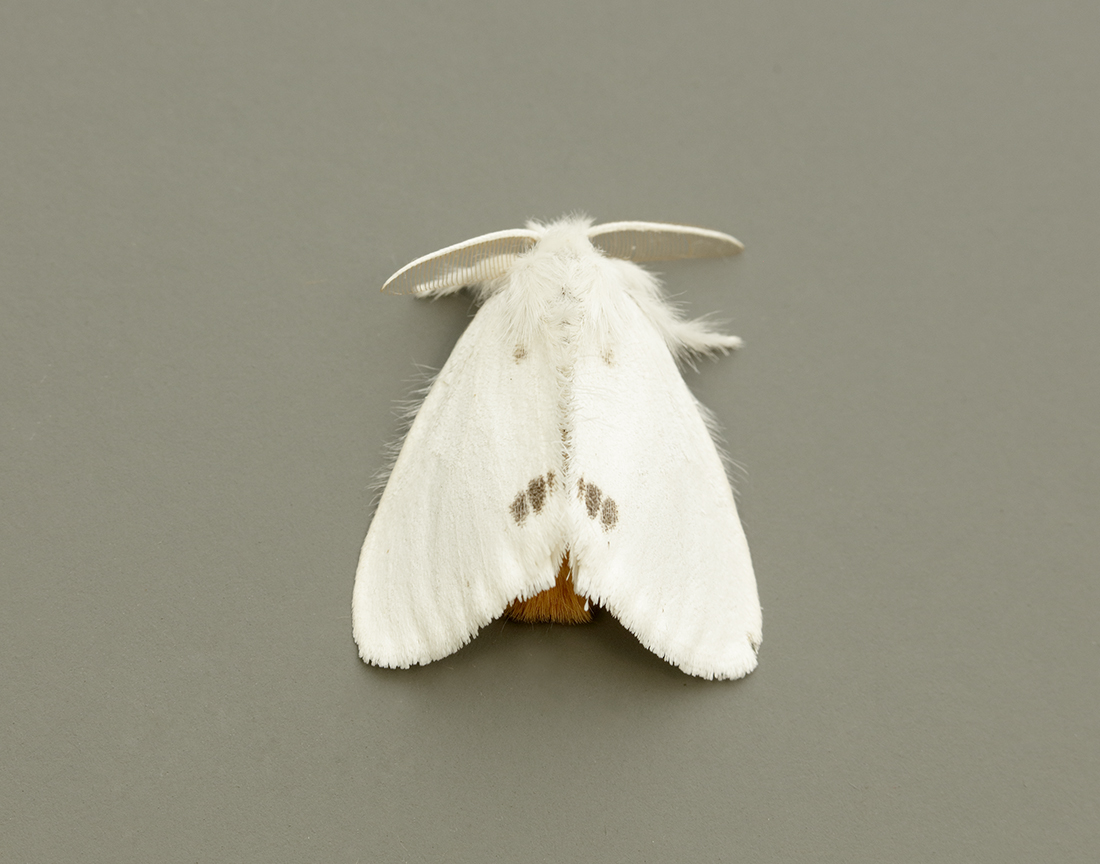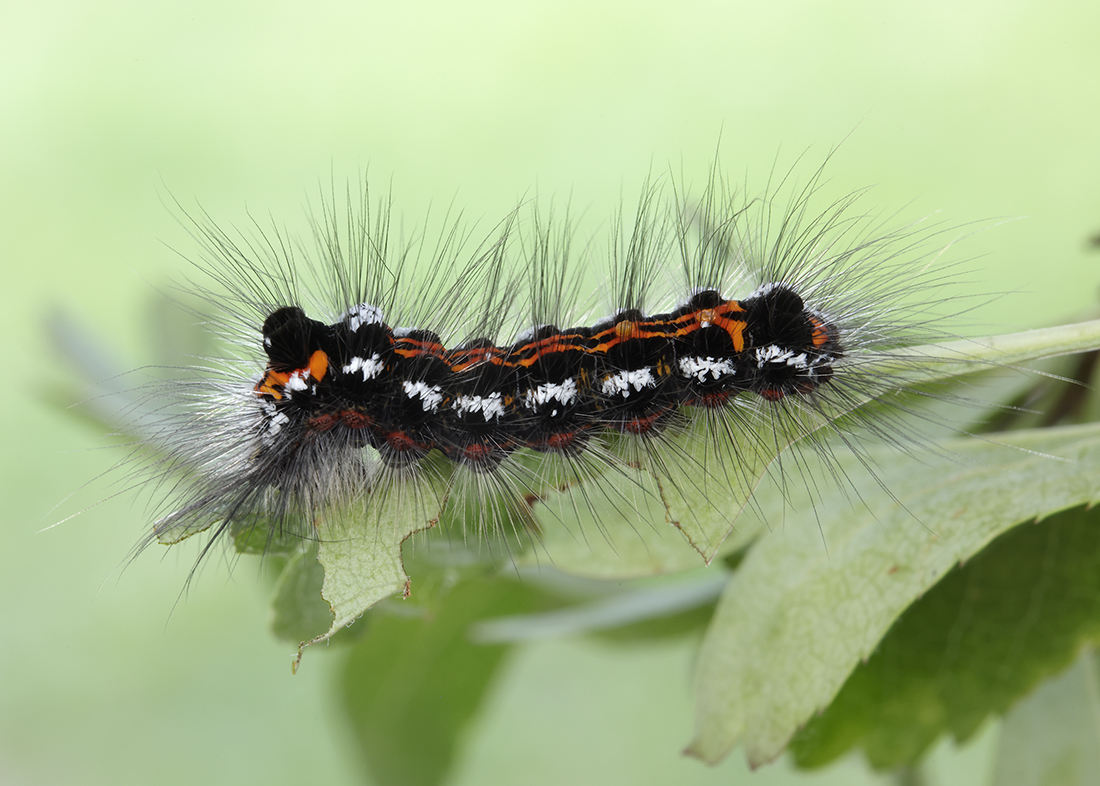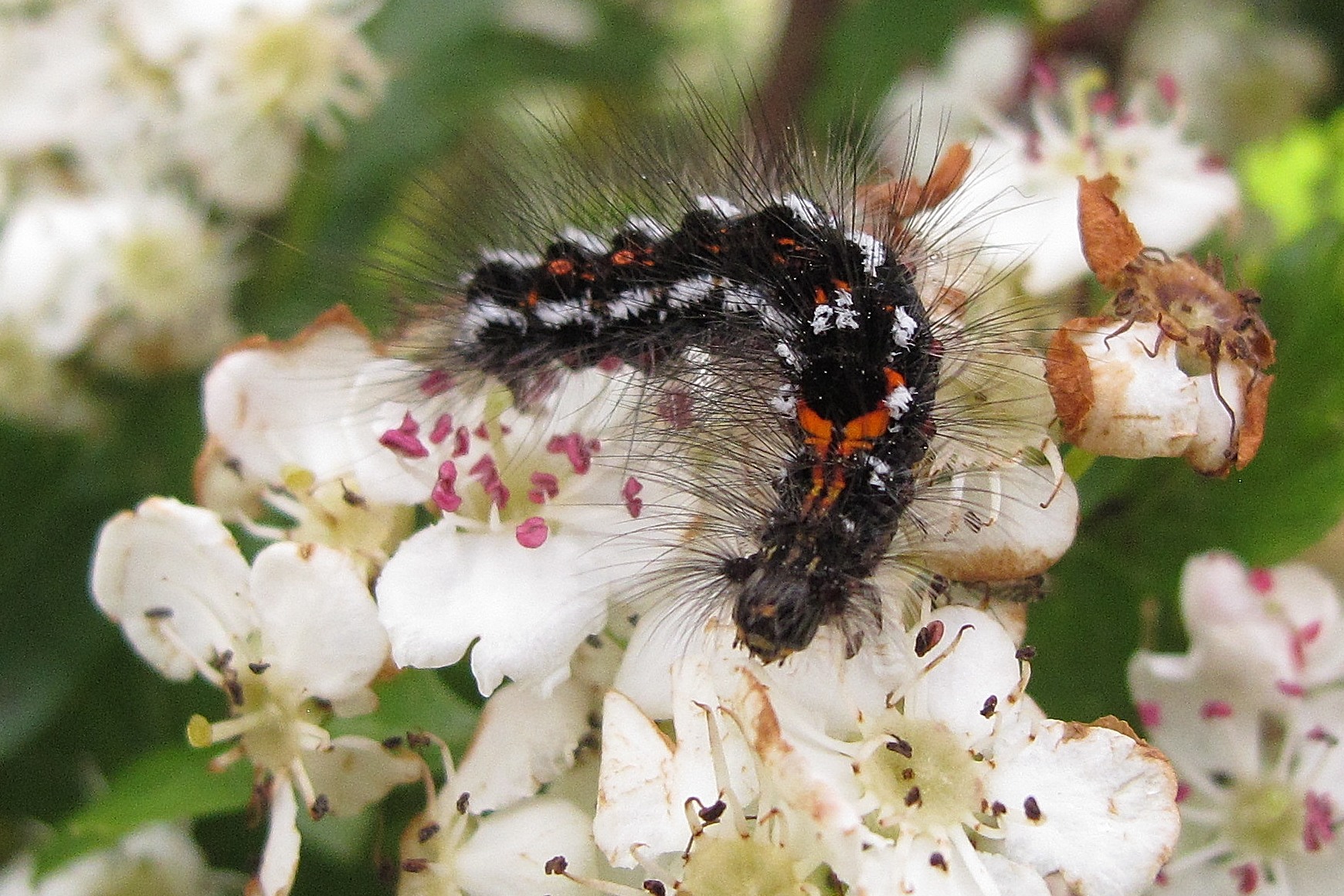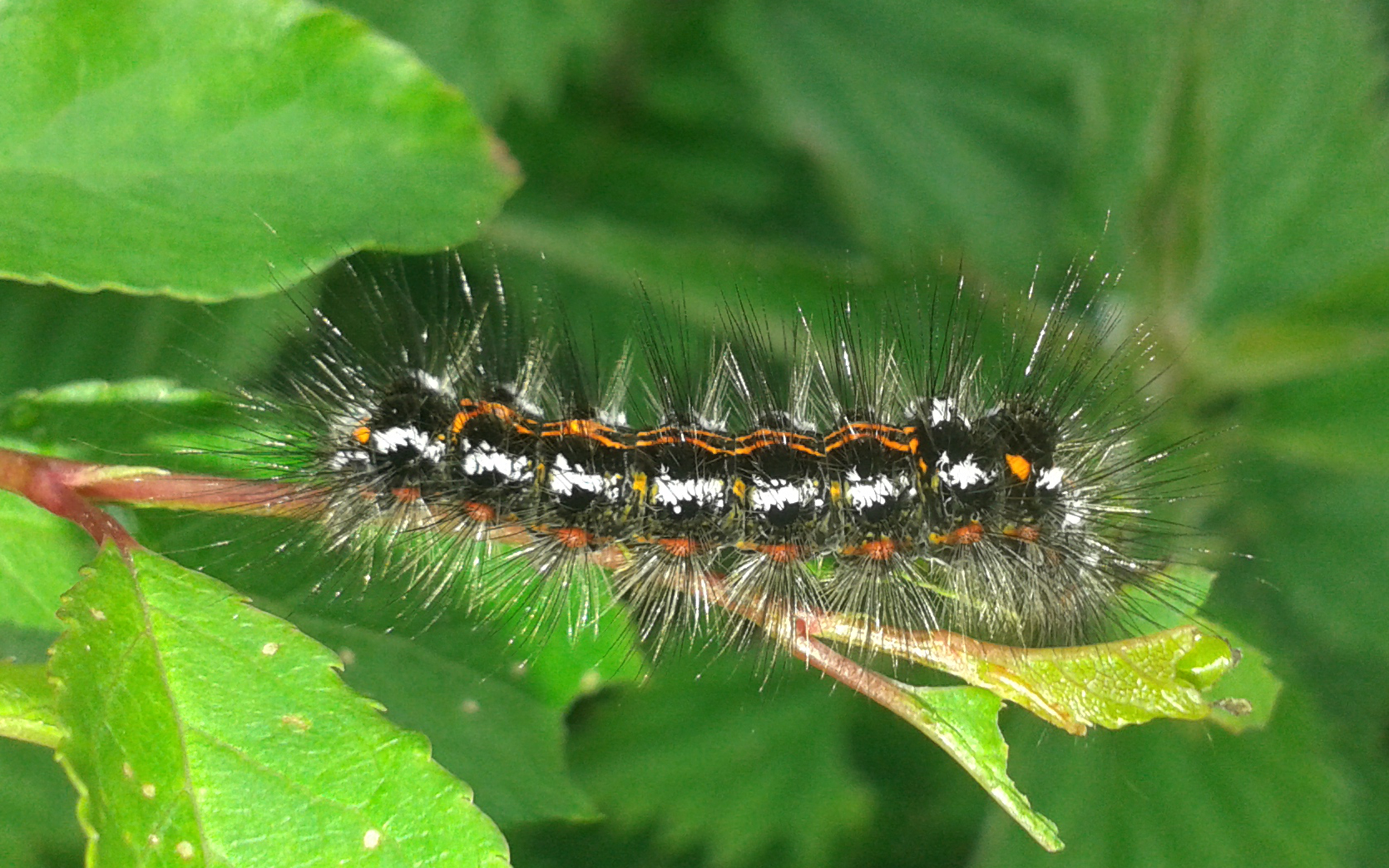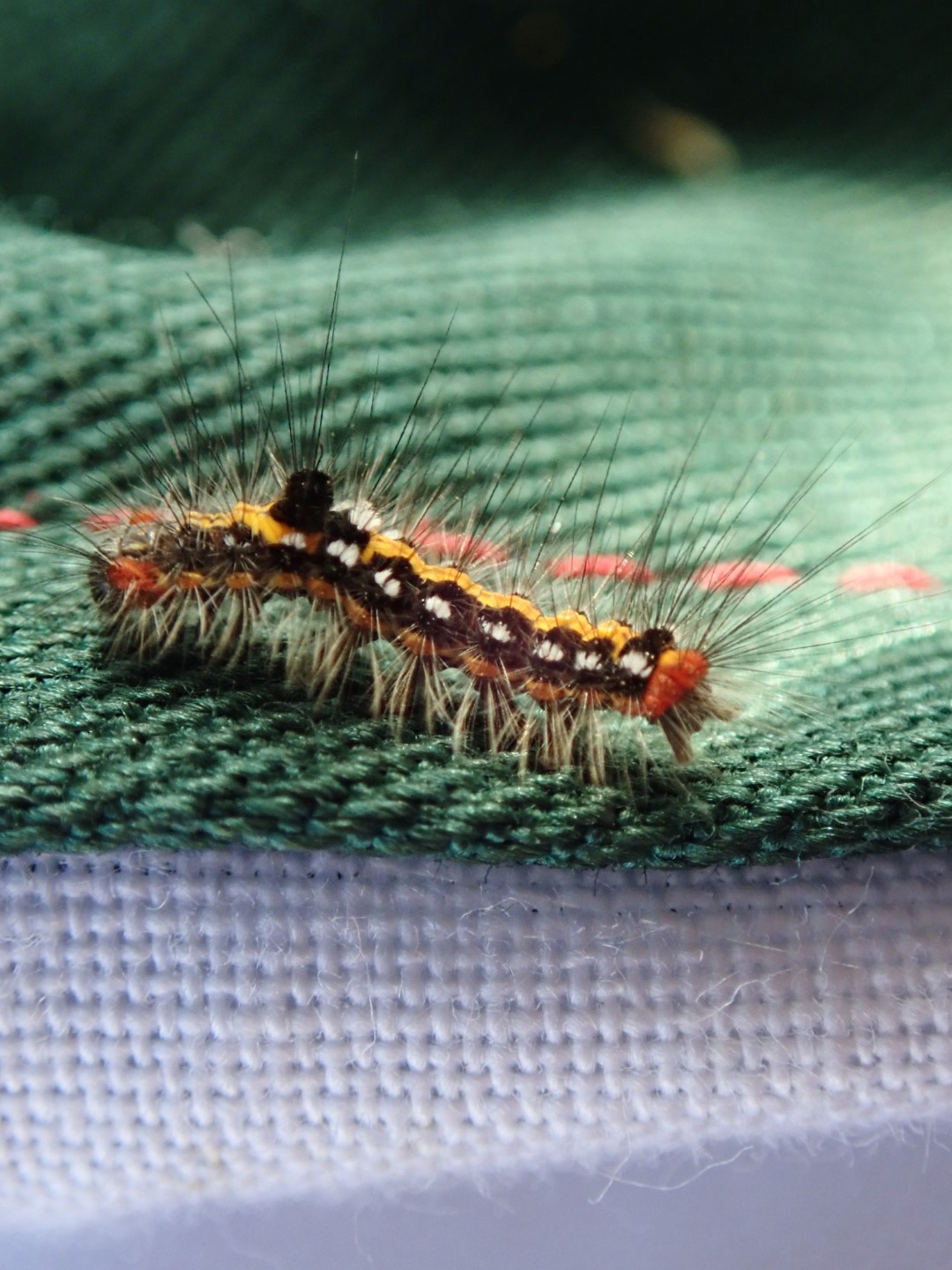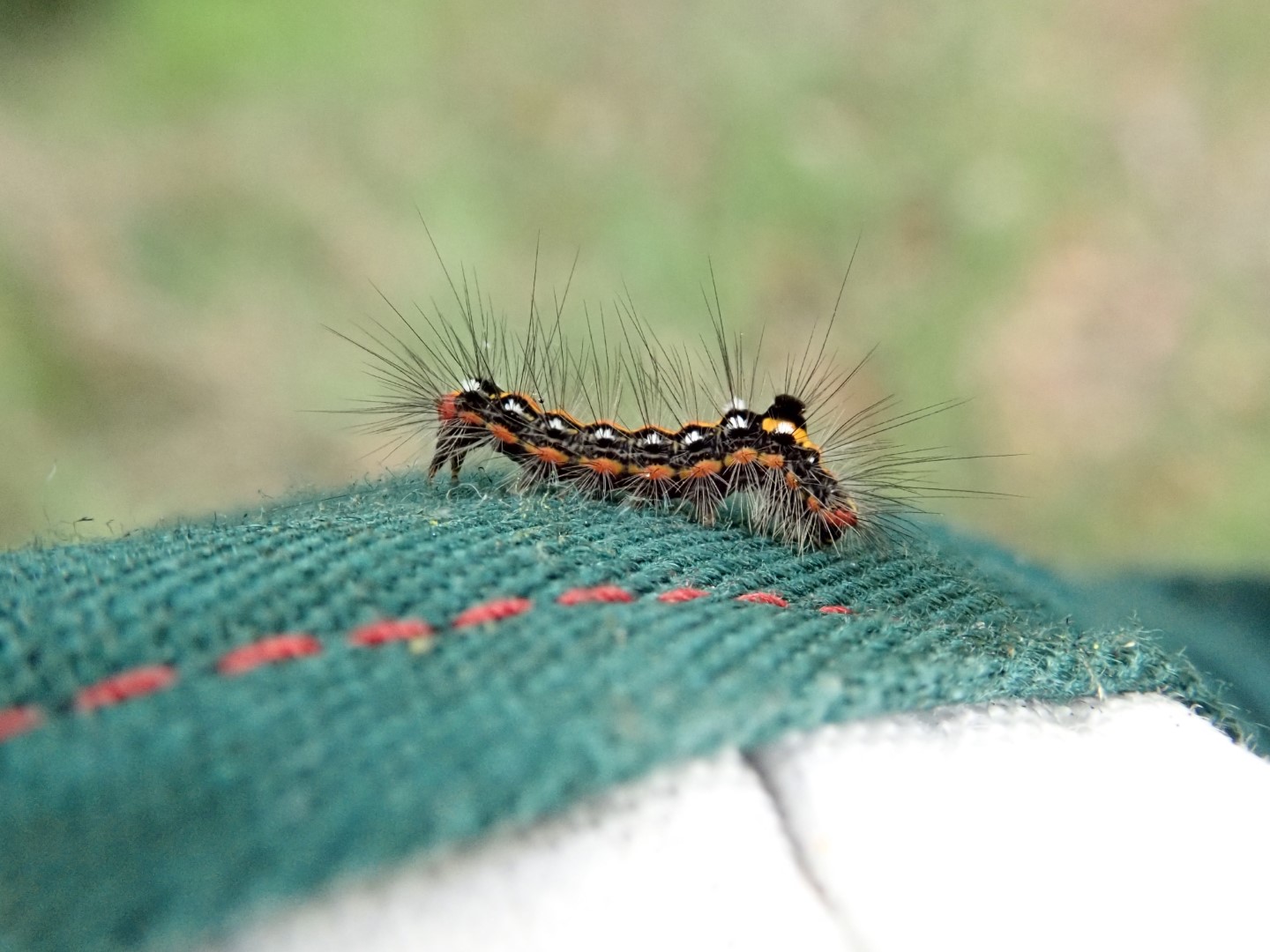

Red List: Least Concern (LC). GB Status: Common.
Identification
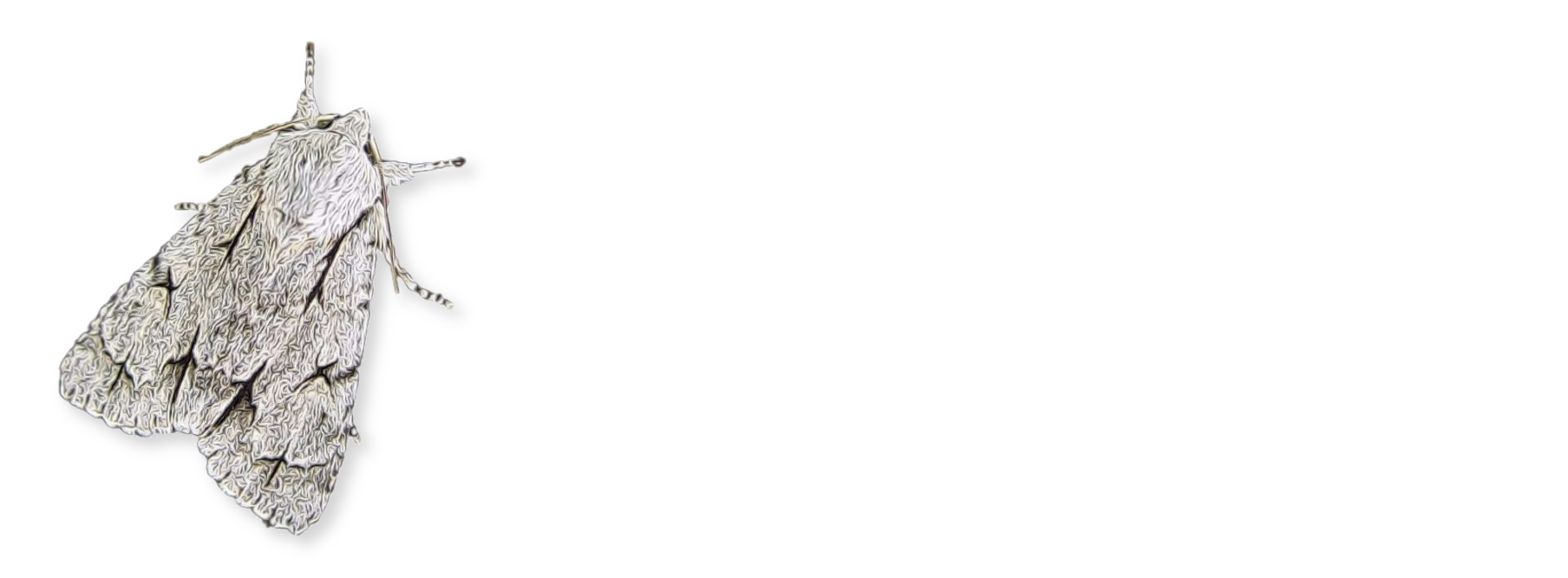
Usually distinctive.
Recording Method
Attracted to light.
Life cycle
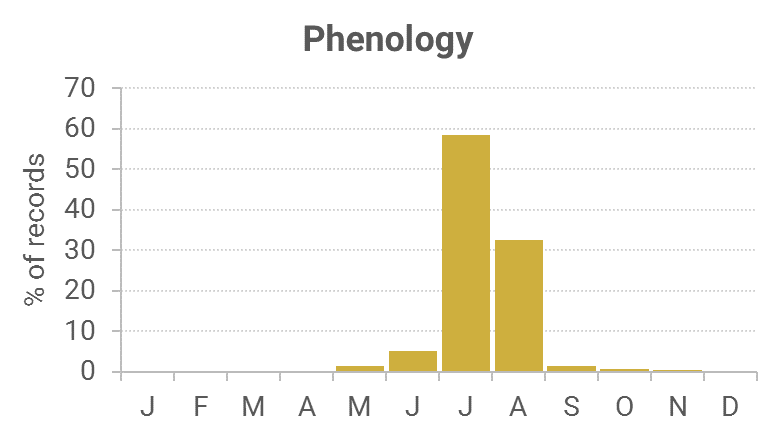
One generation. Overwinters as a small larva. Larvae August to June. Pupates in a cocoon on or below the foodplant.
Larval foodplants
Hawthorns, Blackthorn, birches, Hazel, oaks, sallows and elms.
Habitat
Gardens, hedgerows and woodland.
History
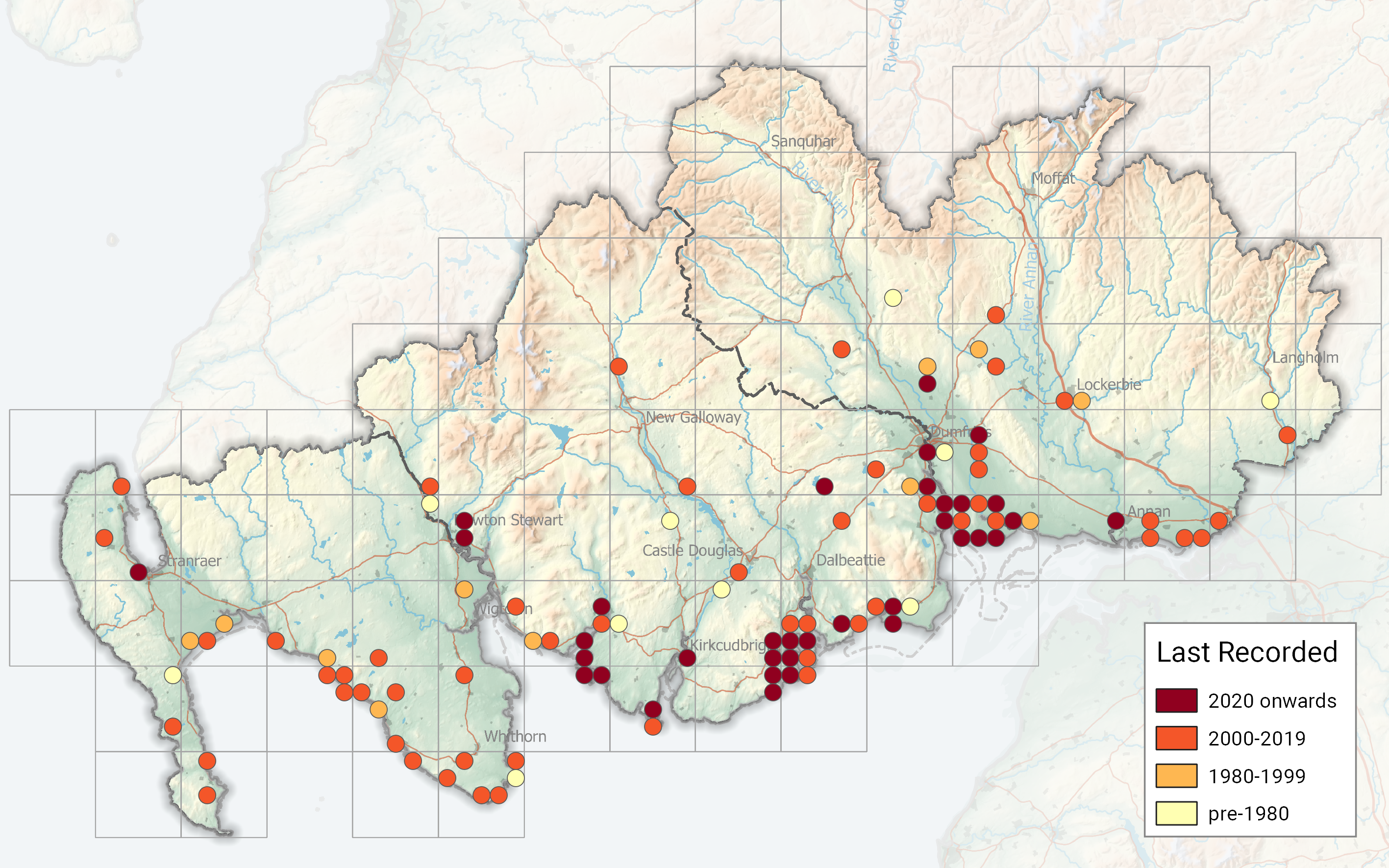
The first for Scotland was of a record at Rockcliffe (VC73) in 1870 by Francis Buchanan-White of Perth. The only other known Scottish occurrences were from Aberdeen,1872, South Ayrshire, 1900, Southwick and Mainsriddle (VC73) in June and July, 1946, while in August 1947, David Cunningham saw good numbers of the Yellow-tail flying at dusk on the Isle of Whithorn, Wigtownshire.
The first for Dumfriesshire came in 1951 when one was trapped in late July at Closeburn. Further VC72 records were from Castlehill, Dumfries and Lockerbie (Sir Arthur Duncan – BRC data).
During 1974-78 it was trapped regularly at Gatehouse of Fleet and Caerlaverock Rothamsted stations.
From 1993 to 2010, Old Torr/Auchencairn area (VC73), Caerlaverock (VC72) and Claymoddie (VC74) produced a number of records, with other widespread sites also adding to our knowledge.