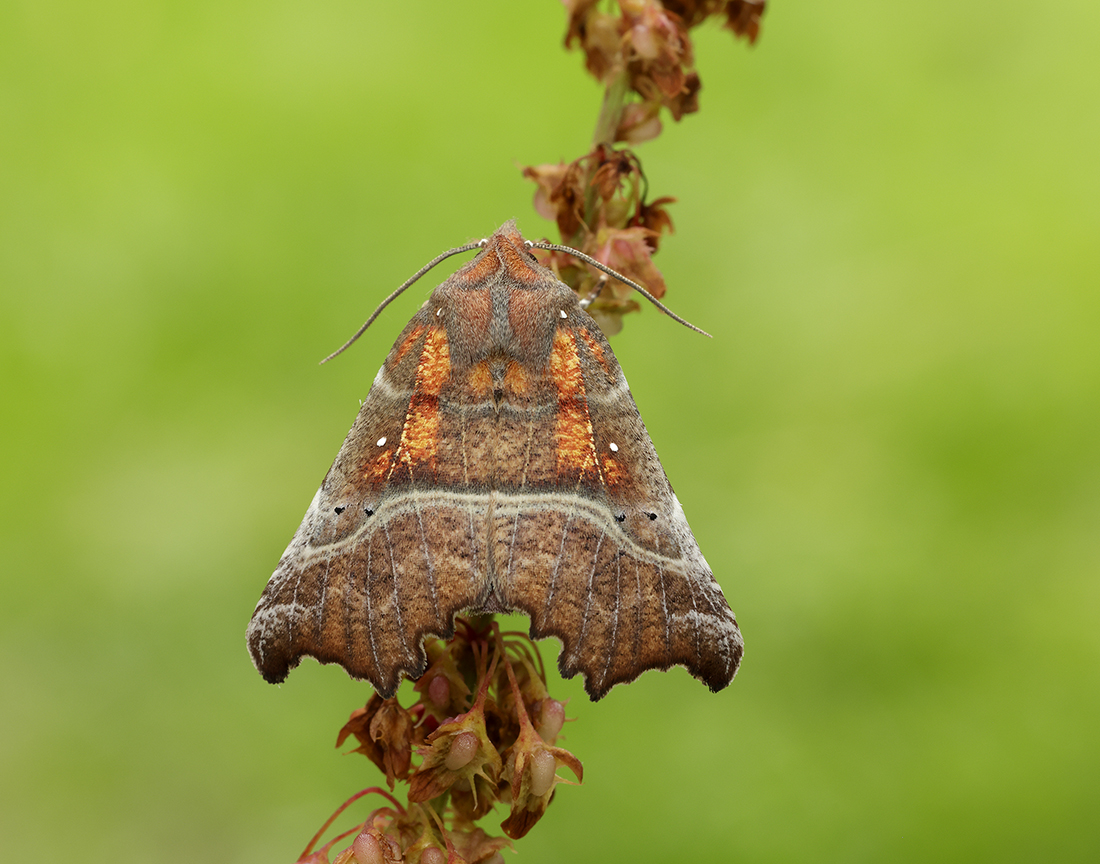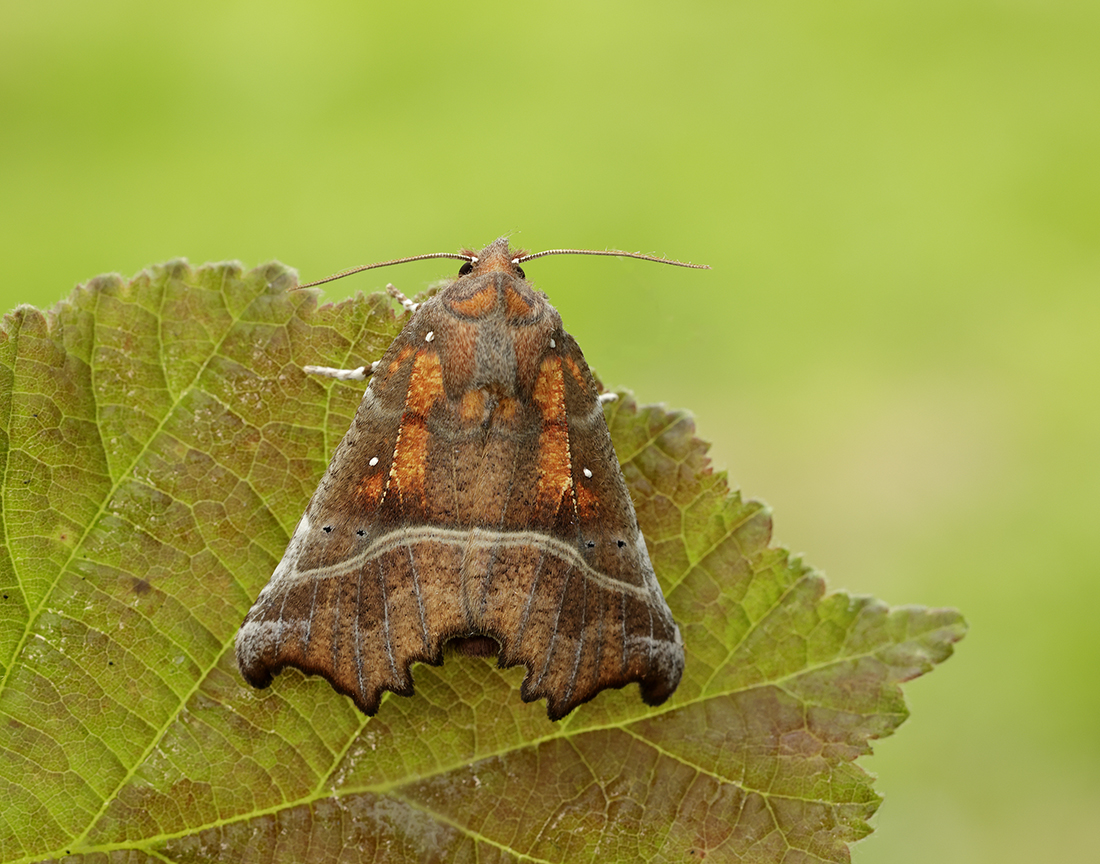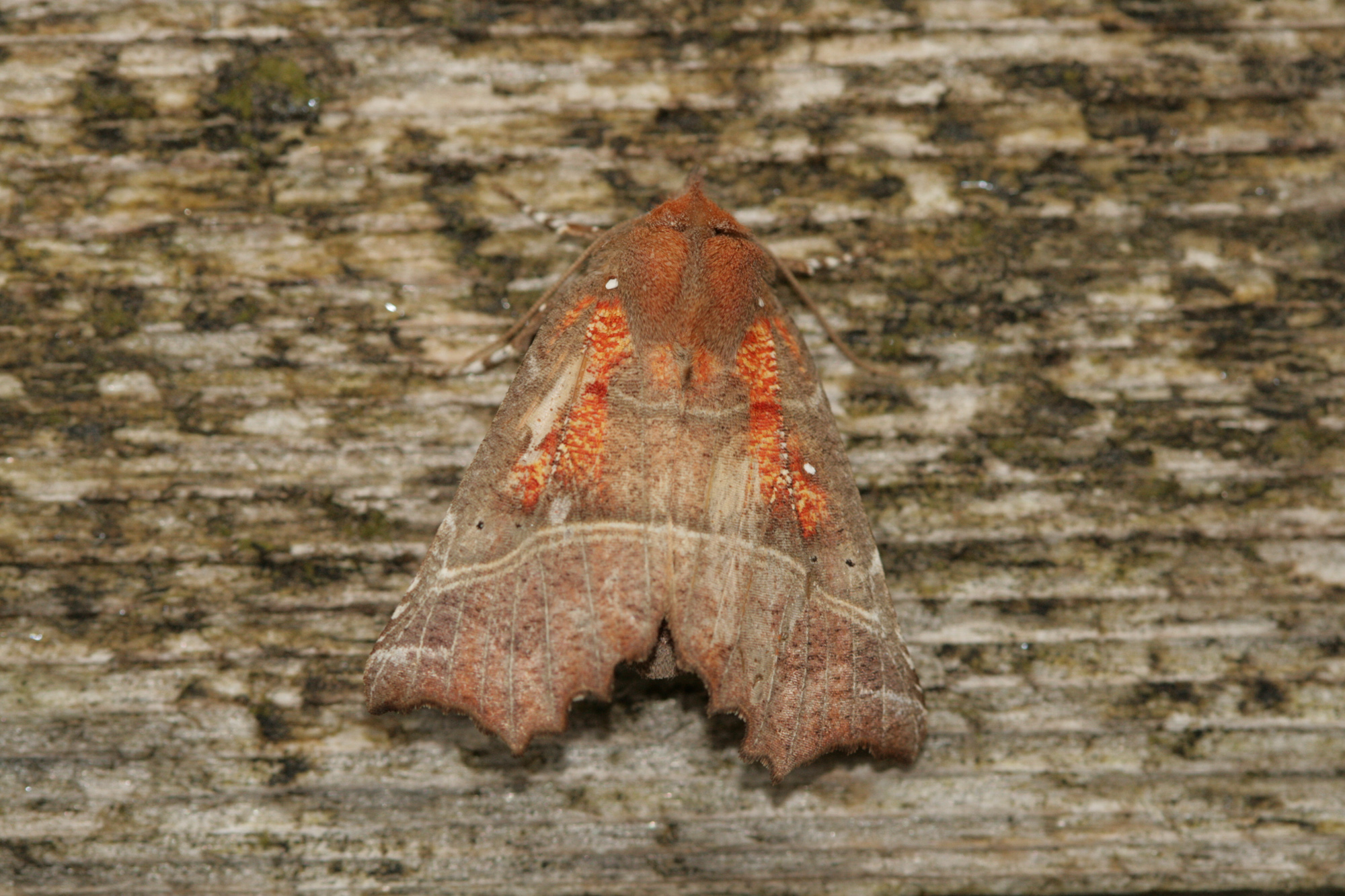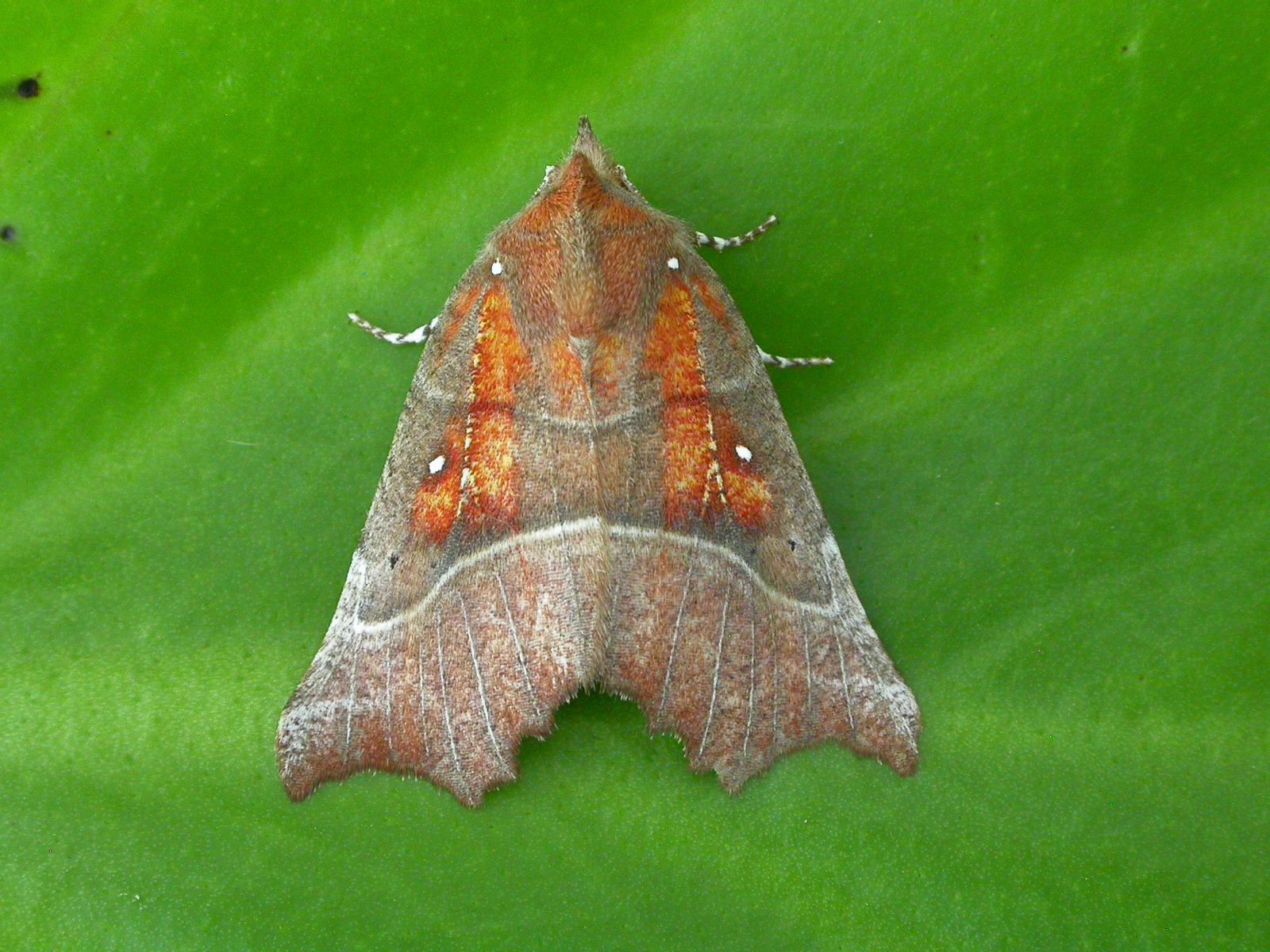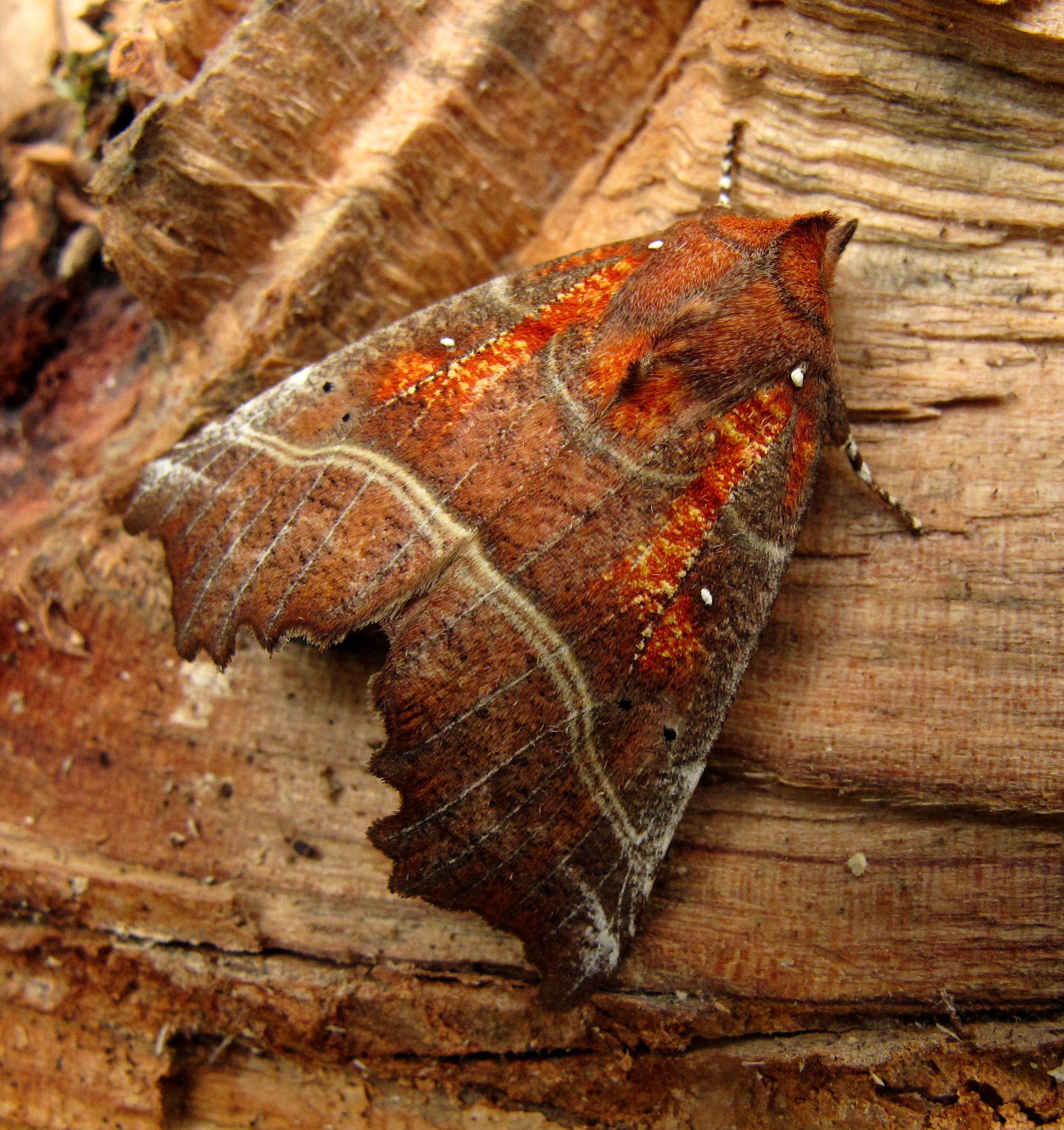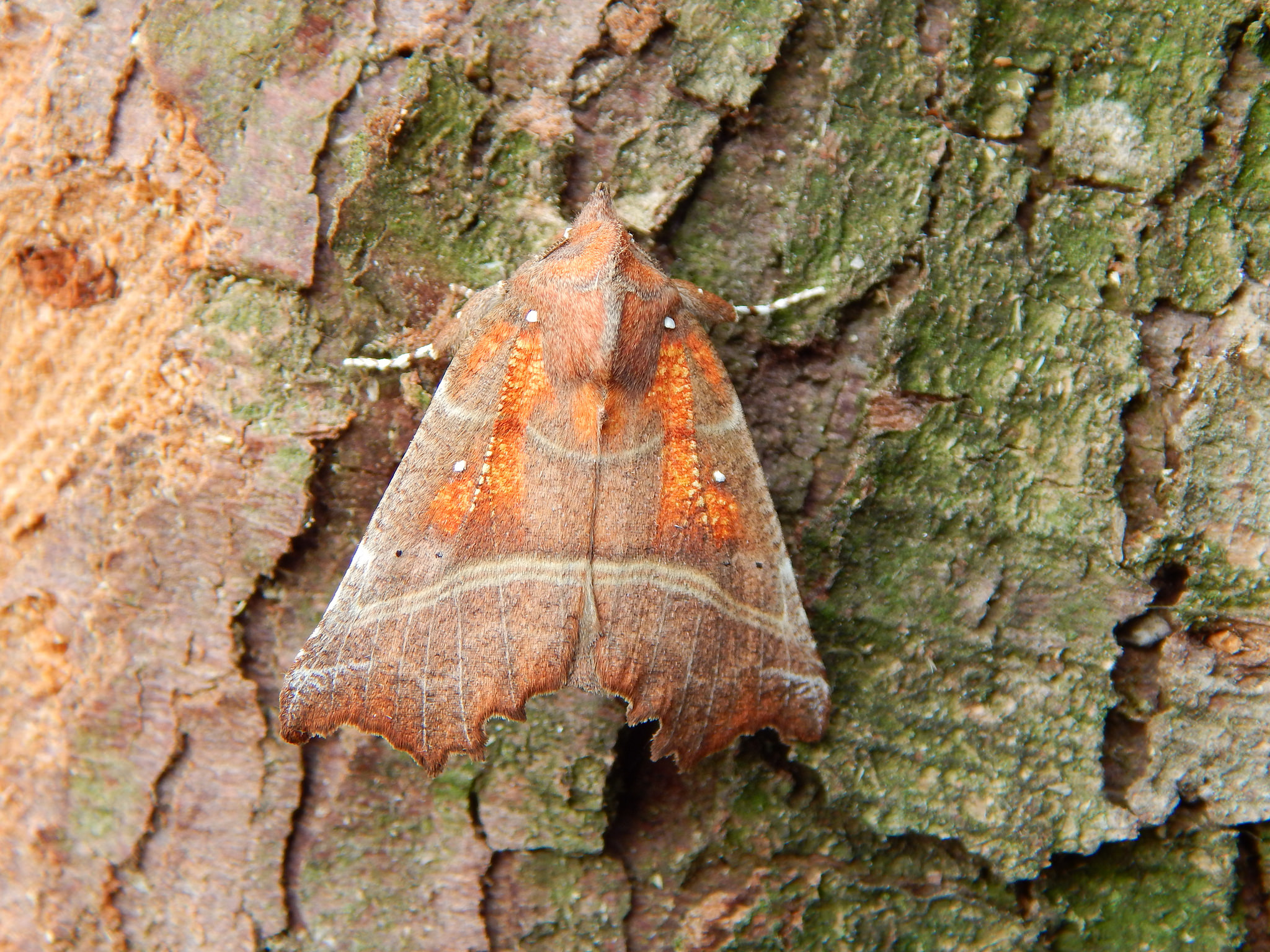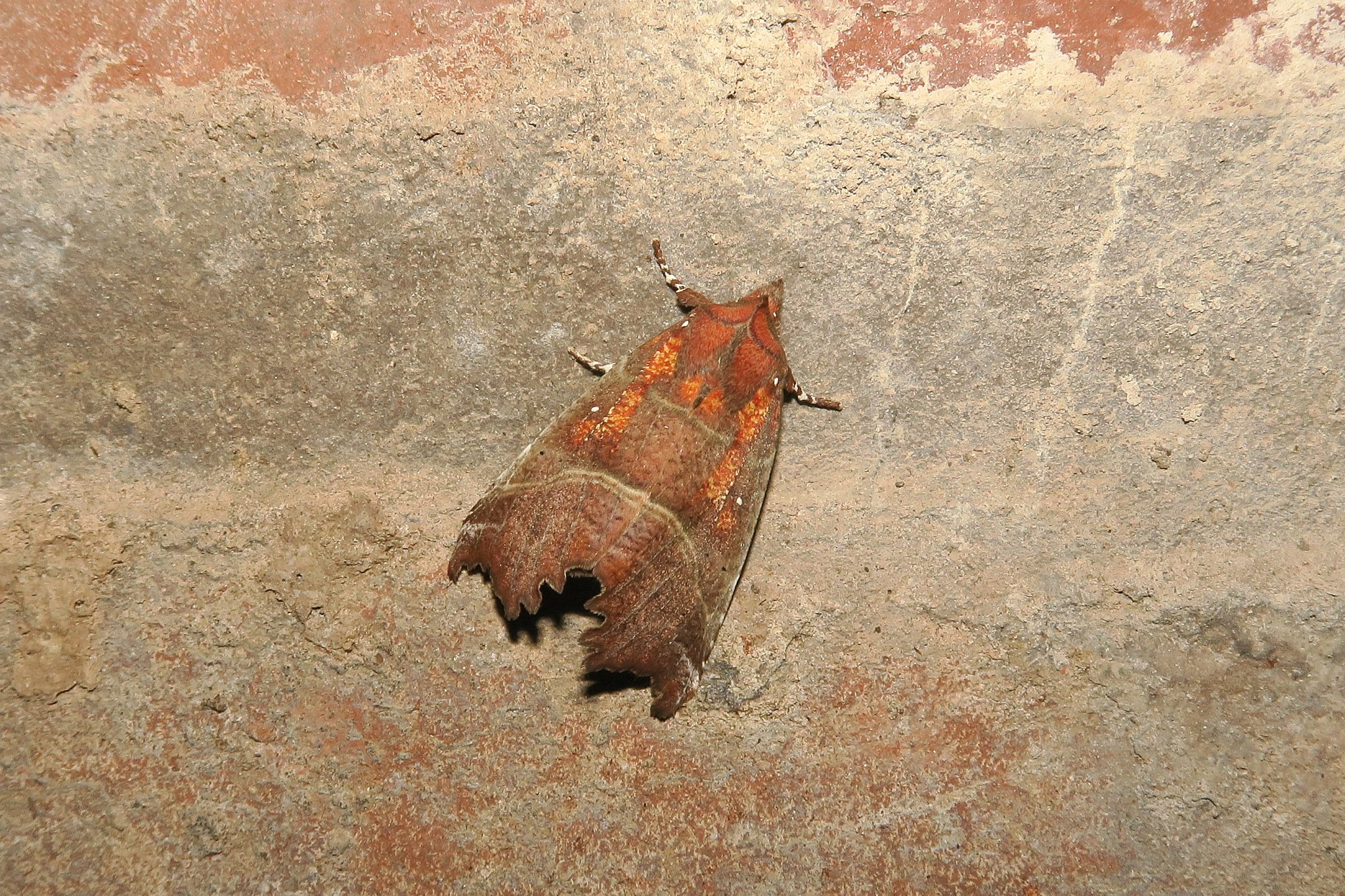

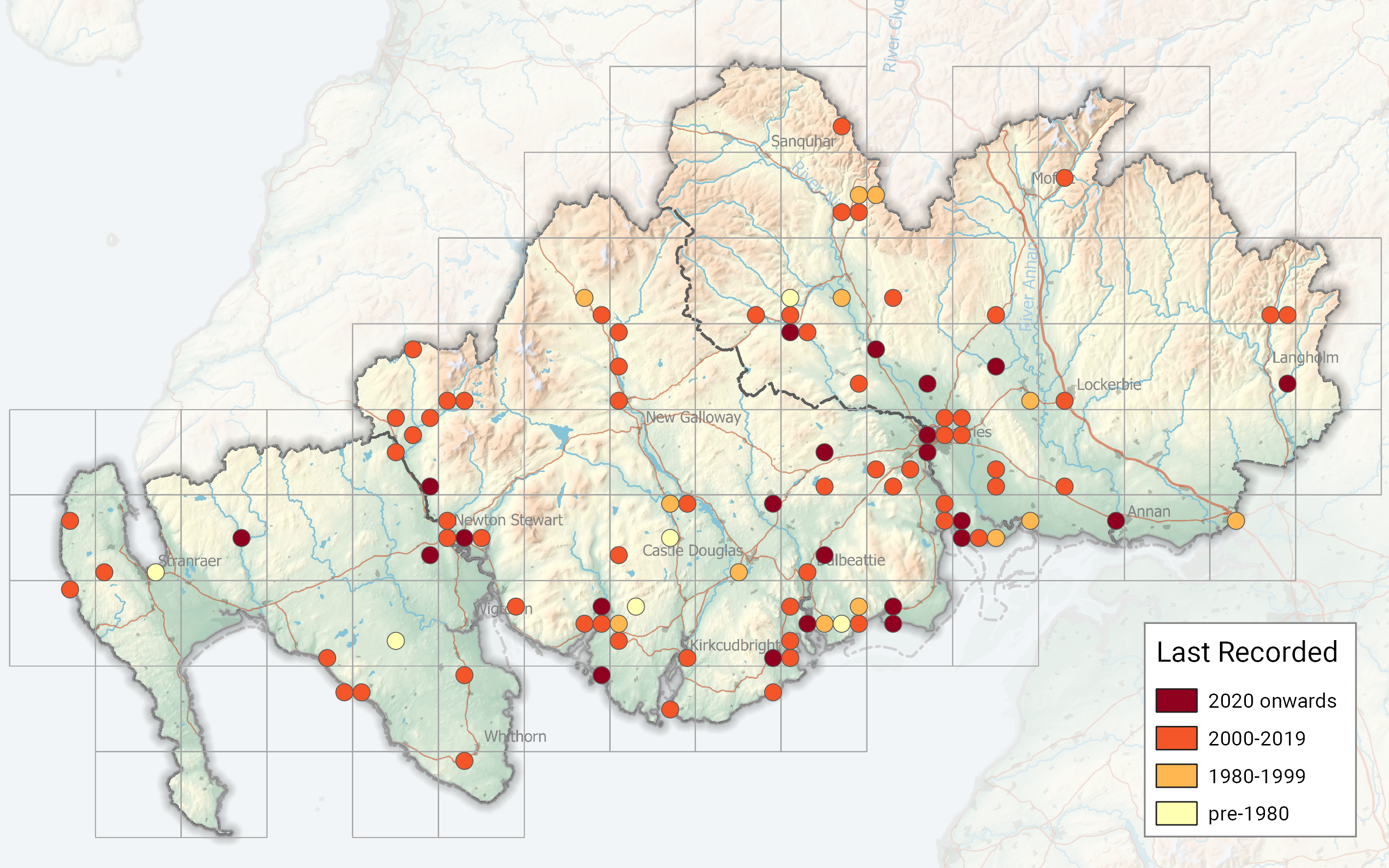
Red List: Least Concern (LC). GB Status: Common.
See also Moth of the Week (01/11/2019)
Identification
Usually distinctive..
Recording Method
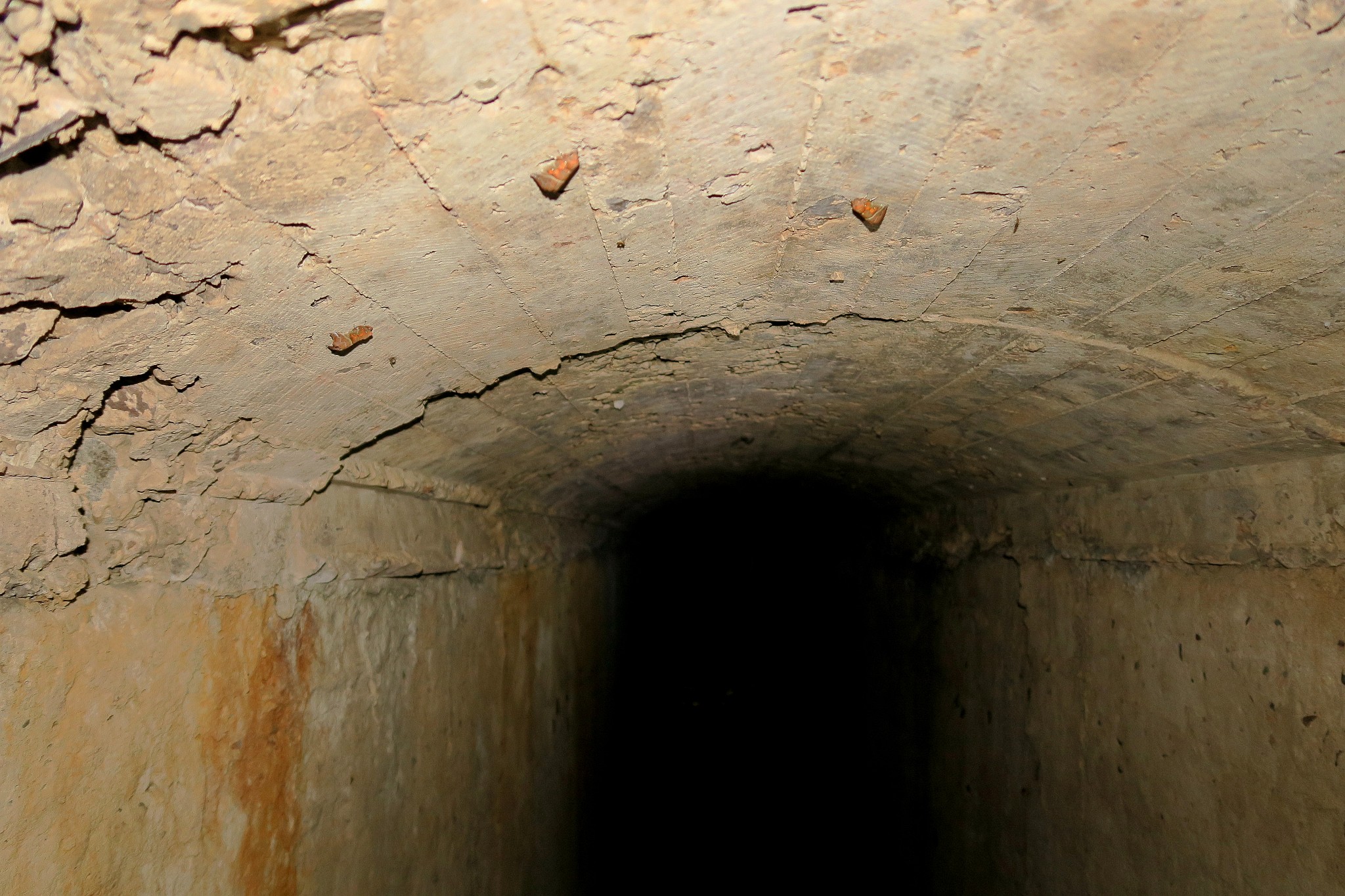
Attracted to light. Can also be surveyed at suitable winter hibernation sites.
Life cycle
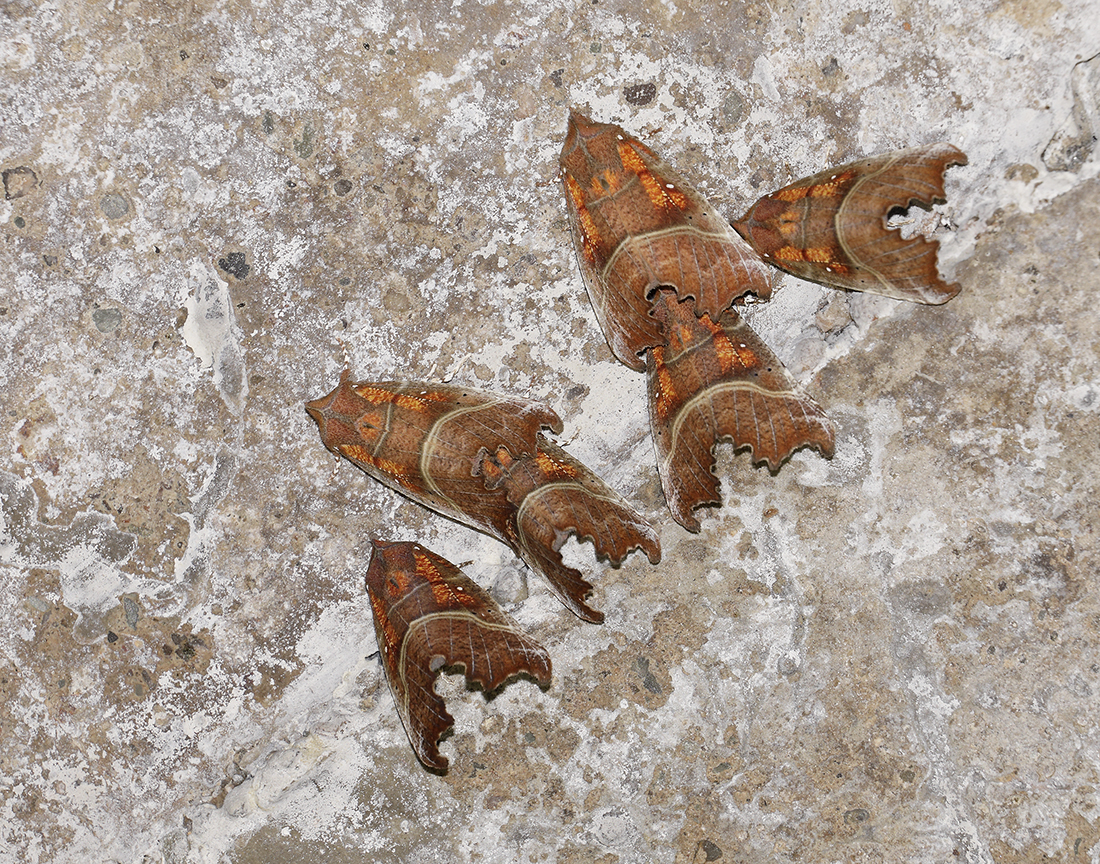
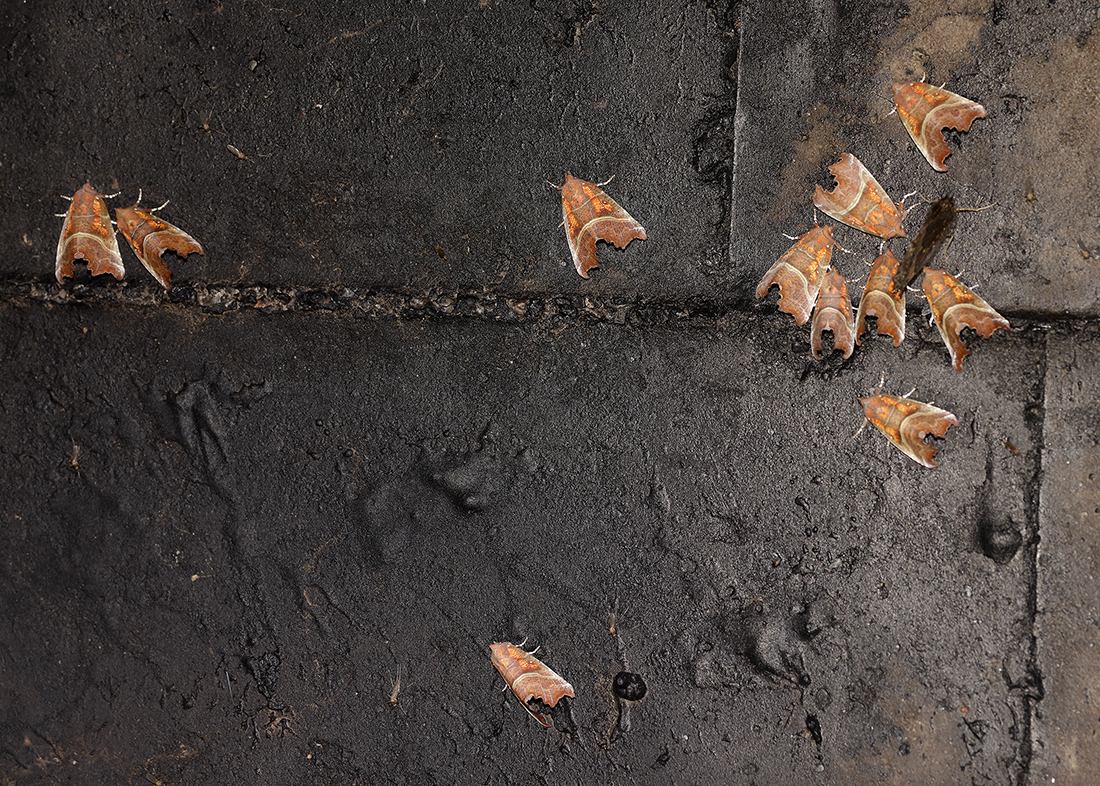
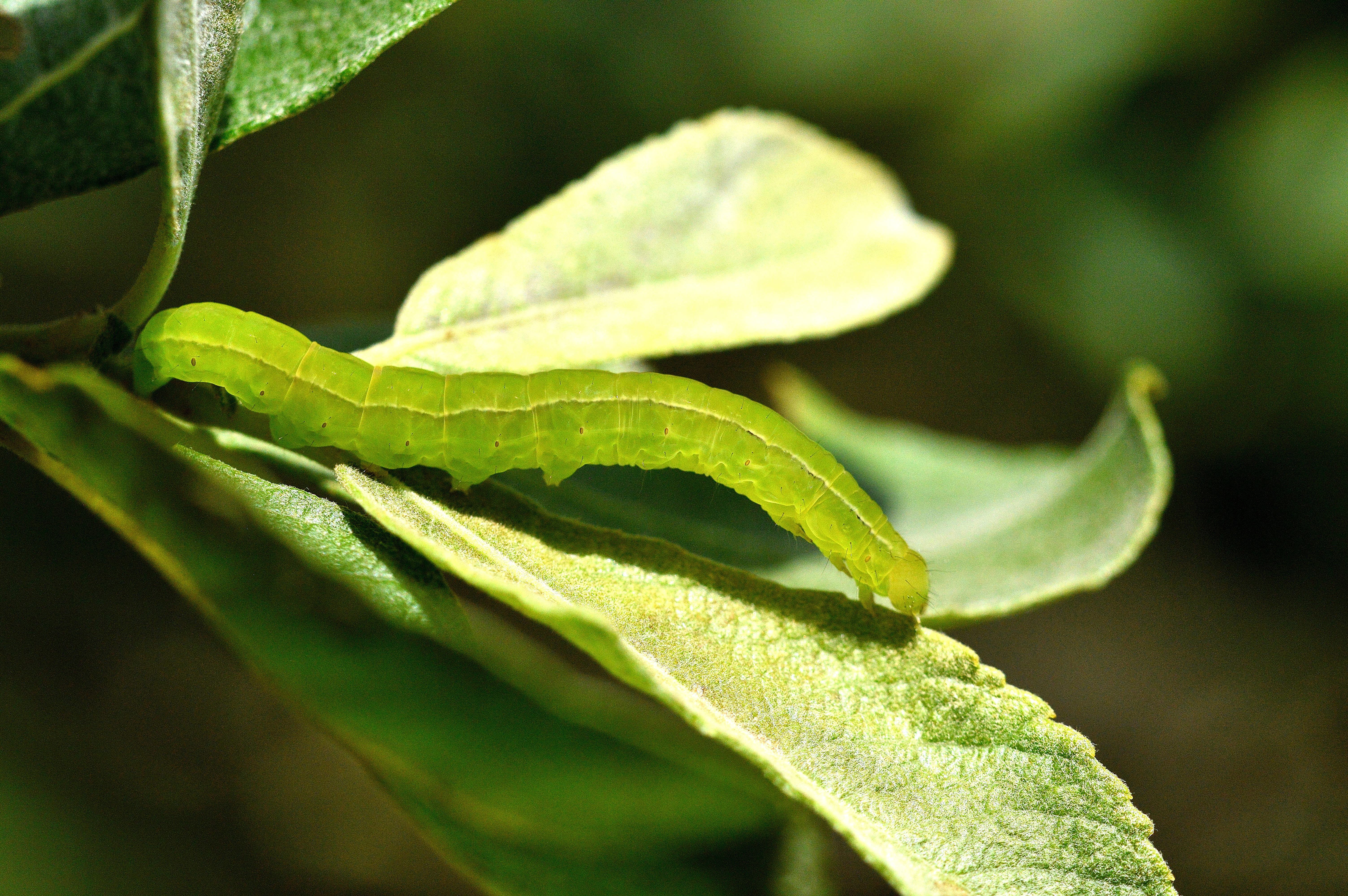
One generation. Overwinters and hibernates as an adult in caves, mines, tree hollows and other dark outbuildings, sometimes in numbers. Larvae May to August. Pupates in a cocoon spun between leaves.
Larval foodplants
Willows, Aspen and other poplars.
Habitat
Woodland, hedgerows, scrub, fens, heathland, parks and gardens.
History
Lennon (1863) stated that it was very common in his ‘List of Lepidoptera taken near Dumfries.’ Gordon (1913) had found it common at sugar in woods at Corsemalzie. Earliest date was 12th September 1897. Sir Arthur Duncan (1909-84) during his lifetime had found it at Closeburn and Tynron (VC72). Archibald Russell (1944) listed it as occurring near Gatehouse of Fleet (VC73) during the years 1942-43.
By the mid-1970s T. H. Ford had found it at Sandyhills, then, during 1976-80 there were a few records from the Waterside Mains Rothamsted station, with a single at the Gatehouse of Fleet station in 1980. During 1981-85 there were five records added from the Hensol Estate.
From 1992 to 2010 the regular trapped sites at Kirkton, Durisdeer and Cally Woods produced a moderate number of records, with the rest from widely scattered sites across the region.