
Identification
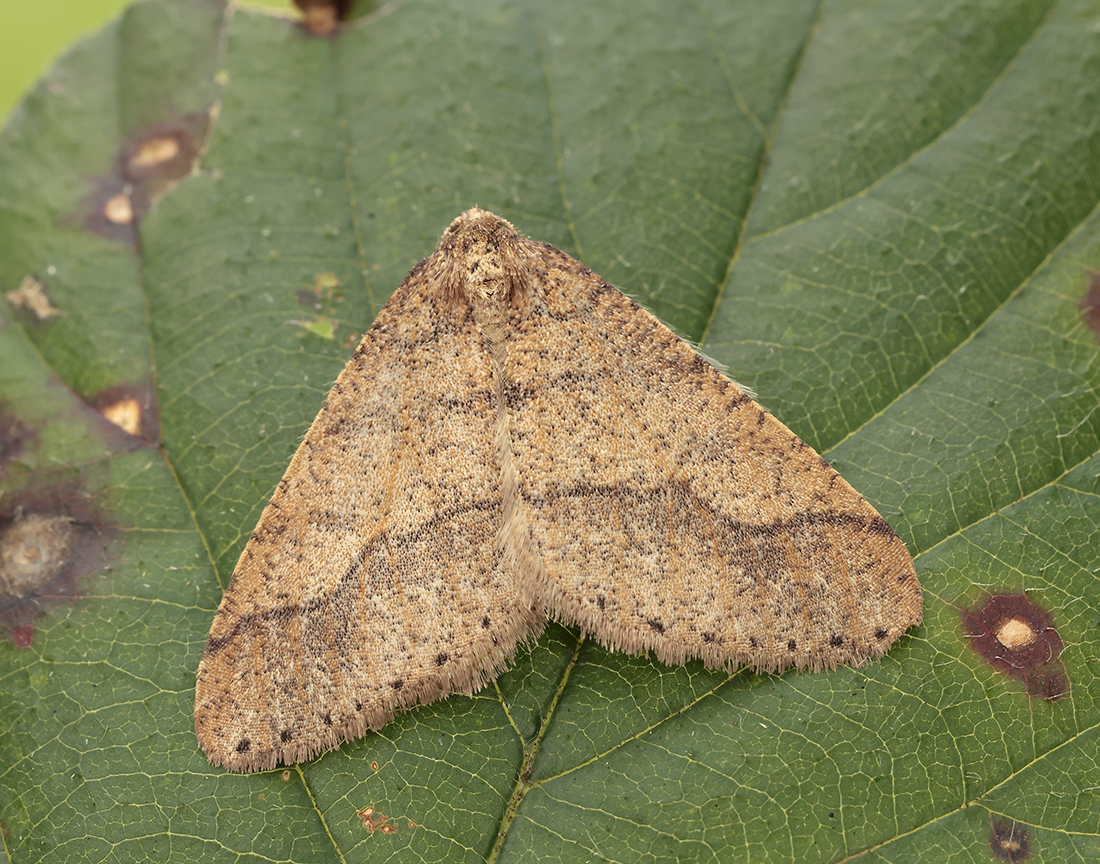
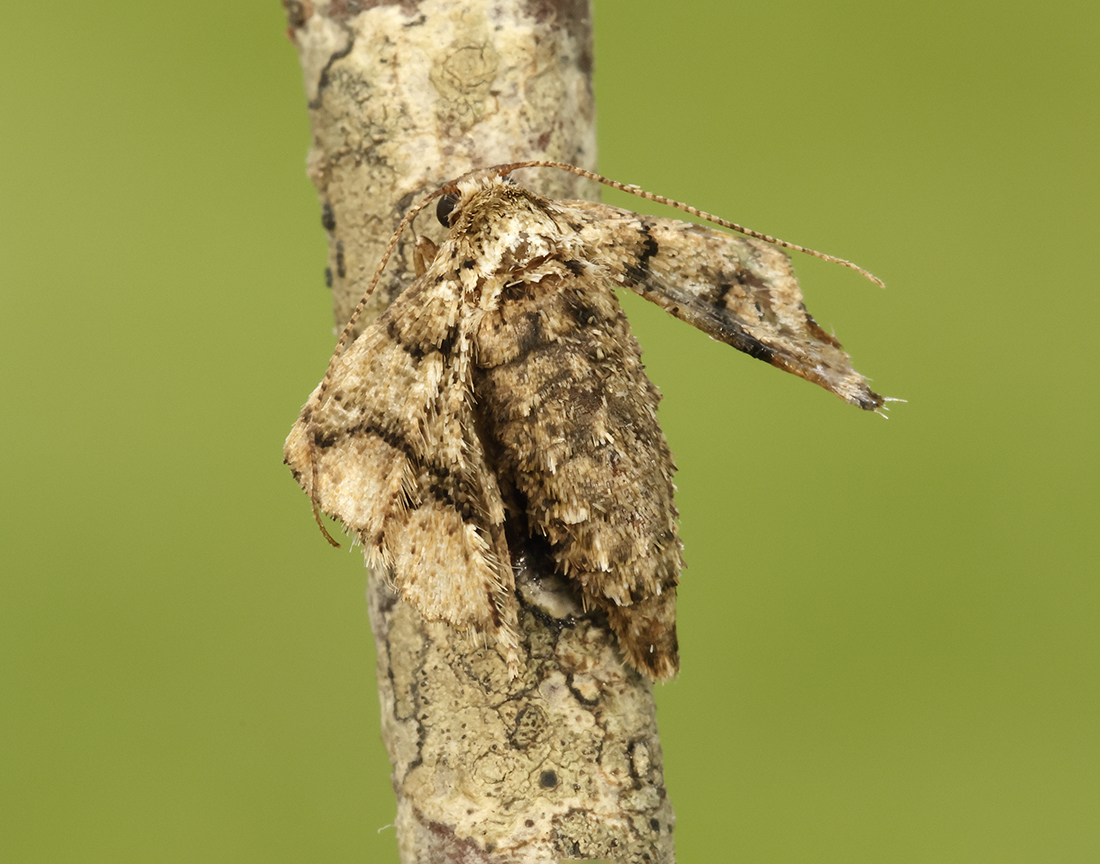
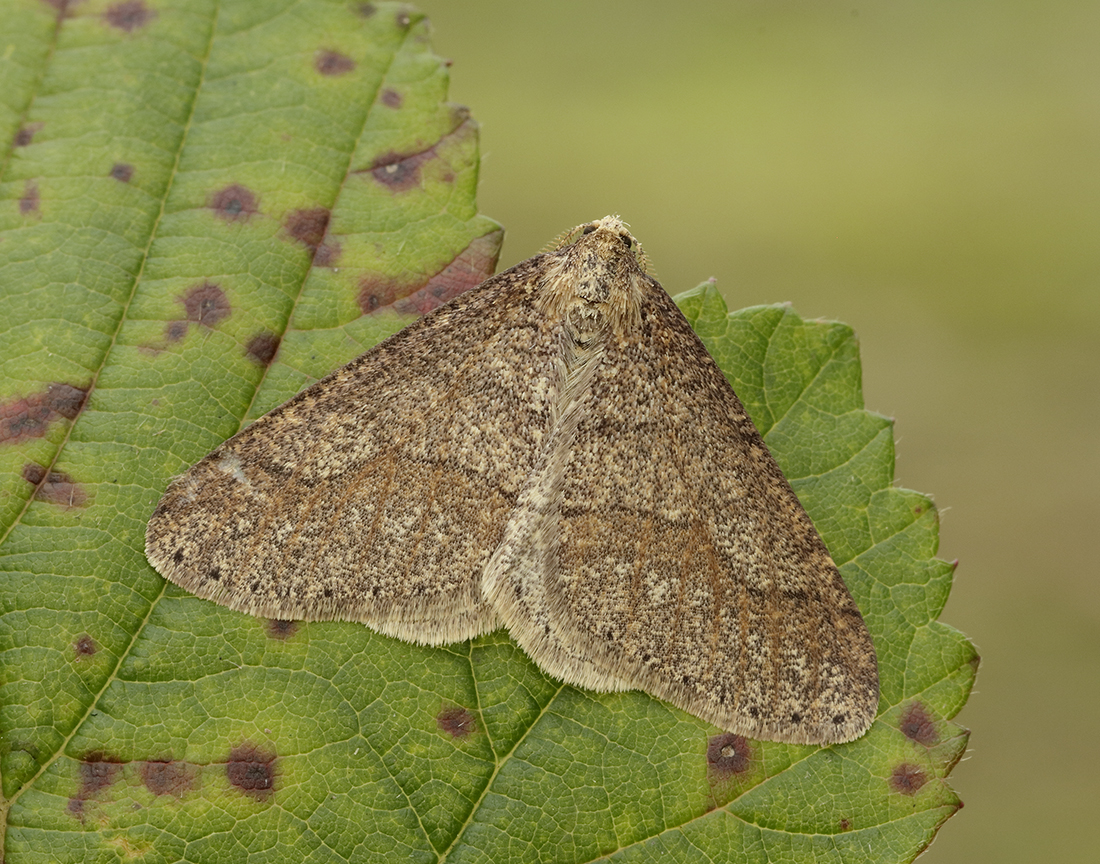
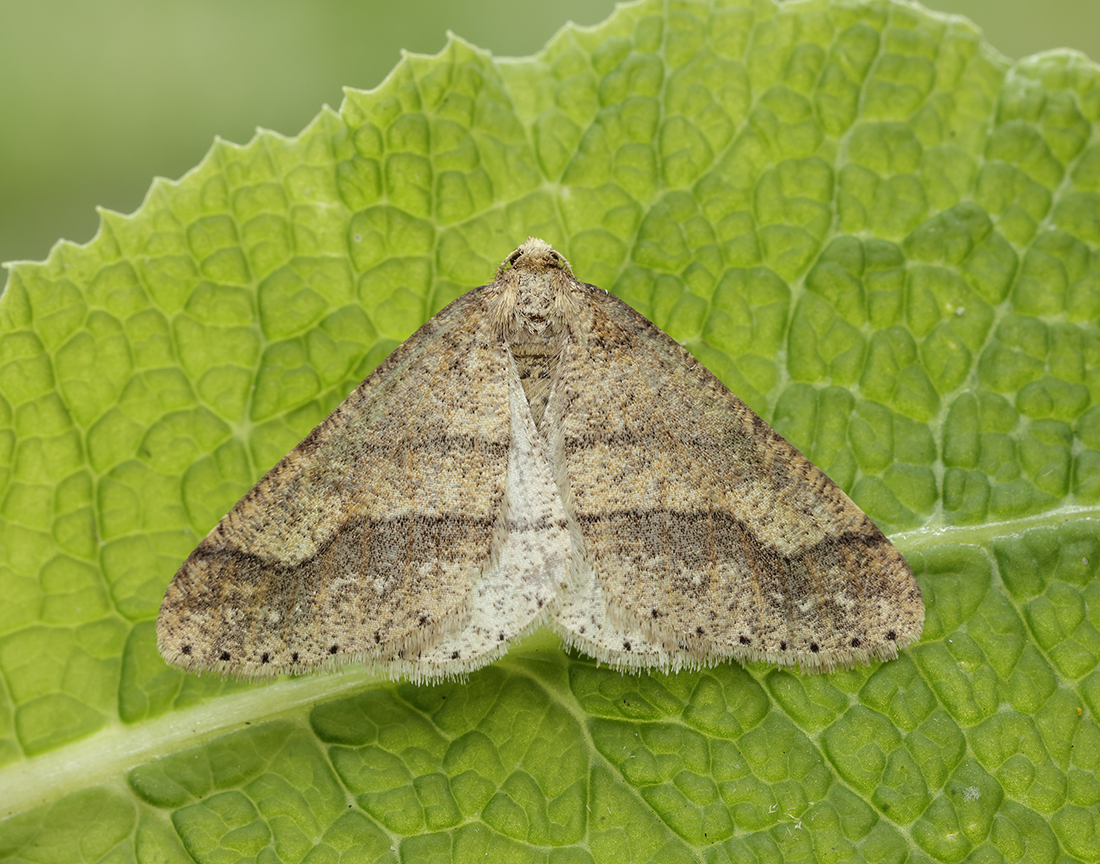
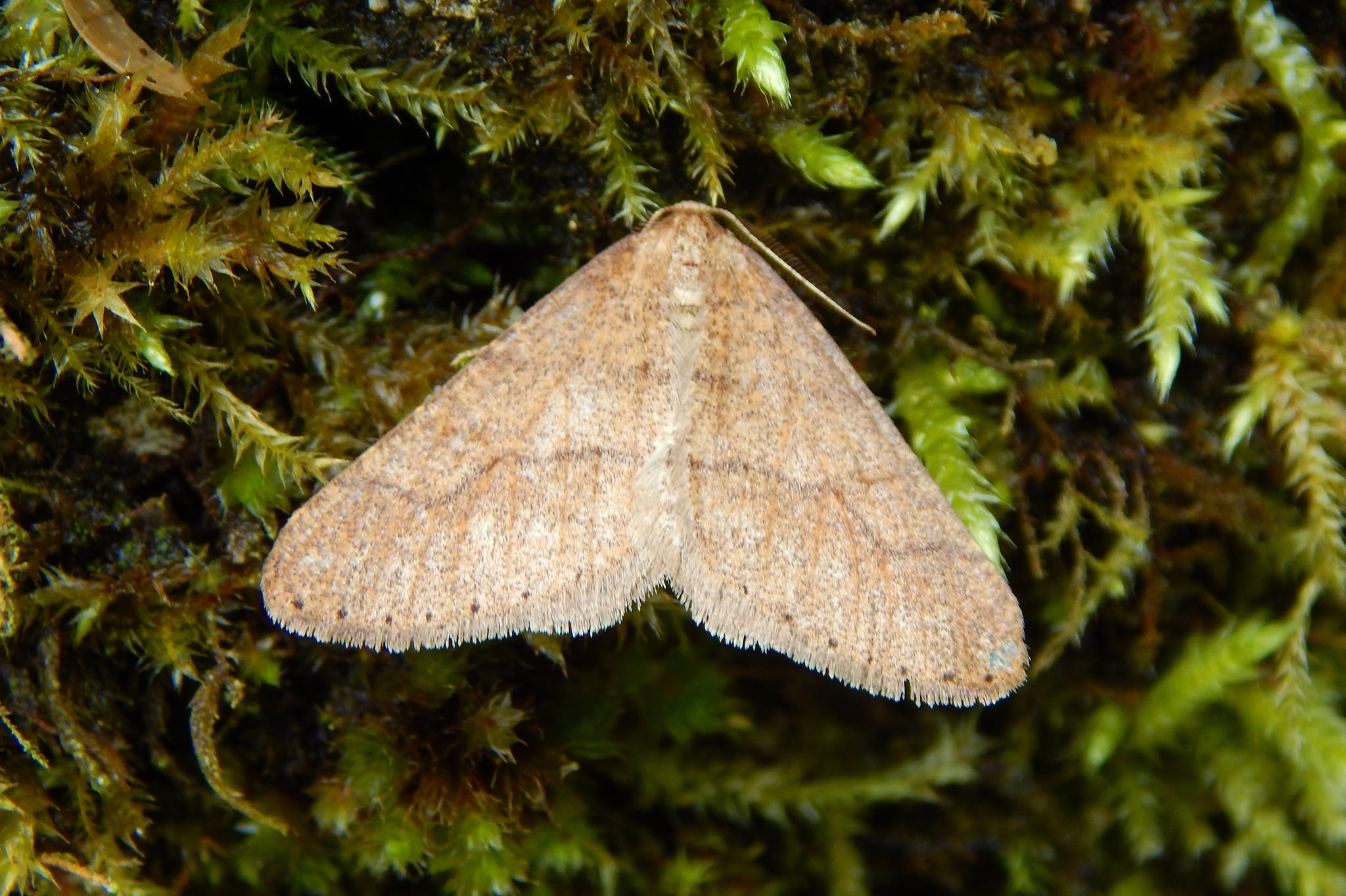
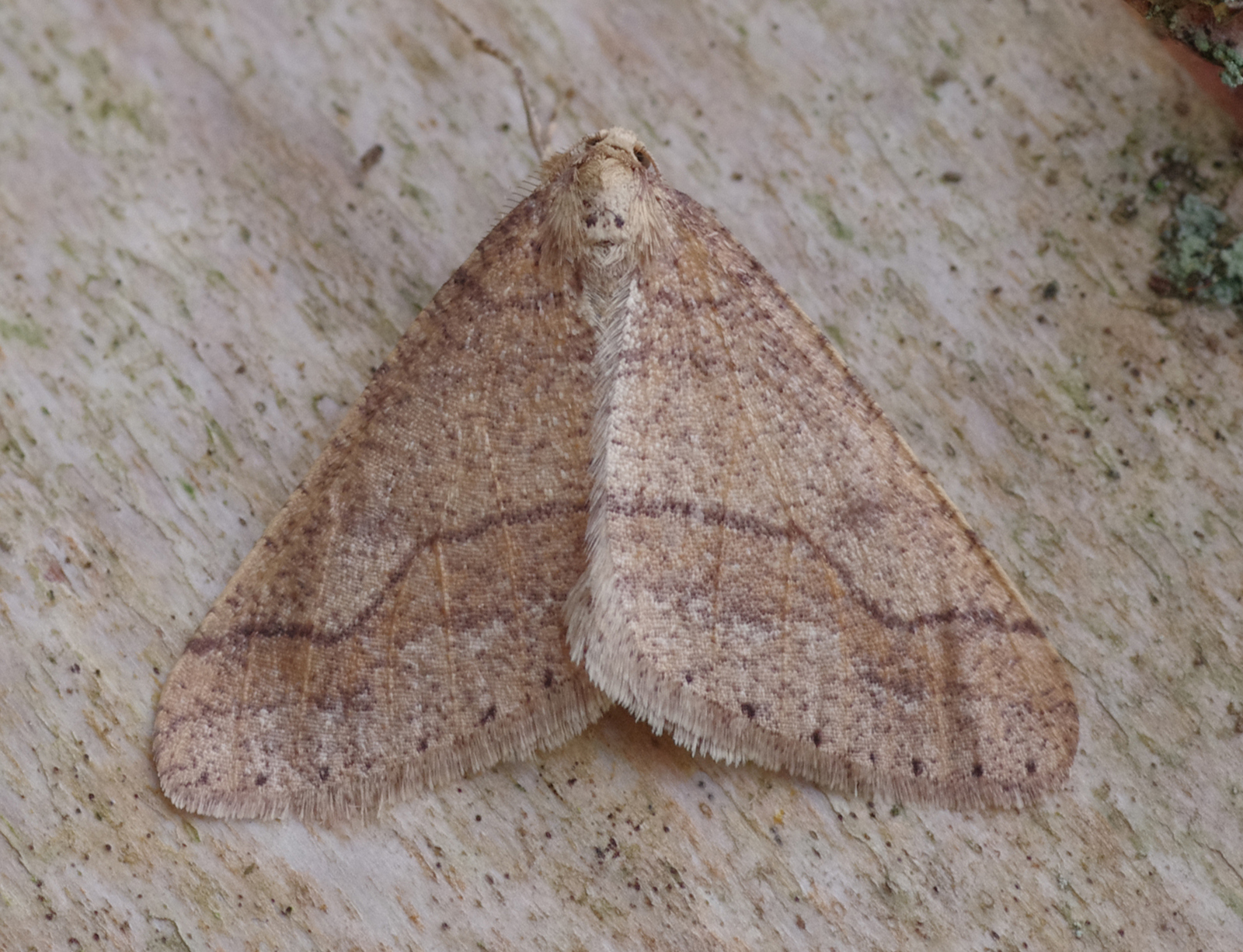
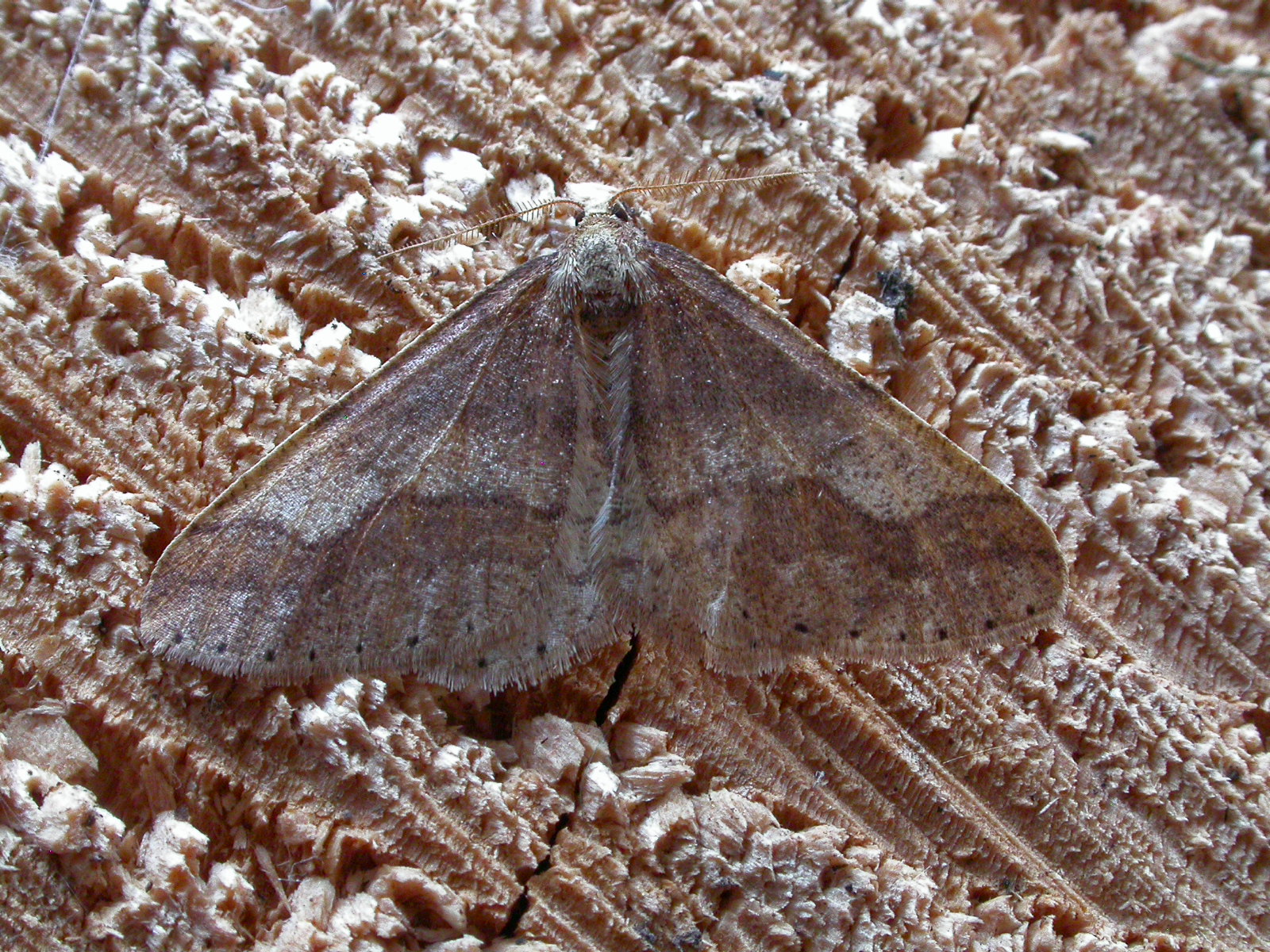
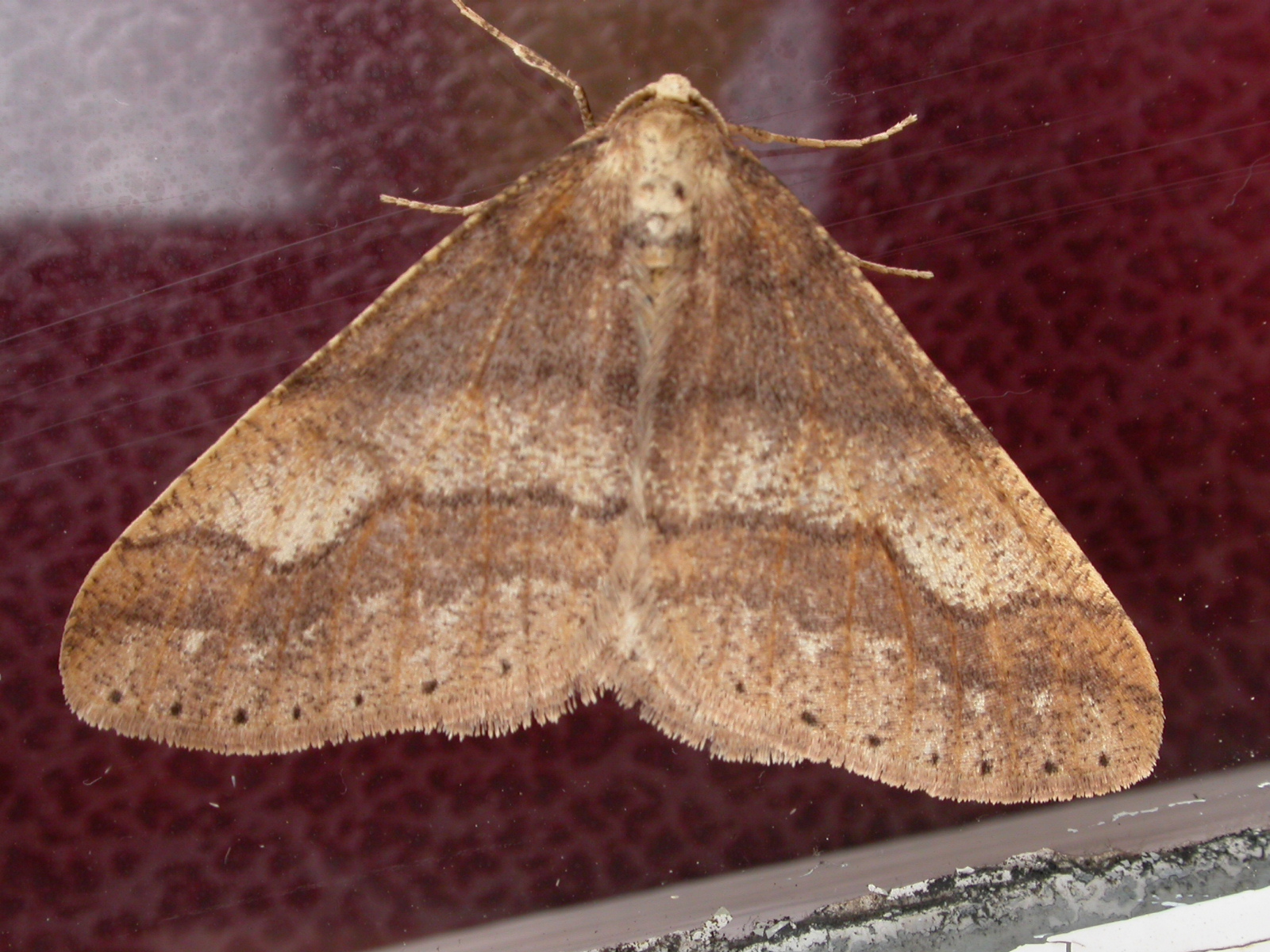
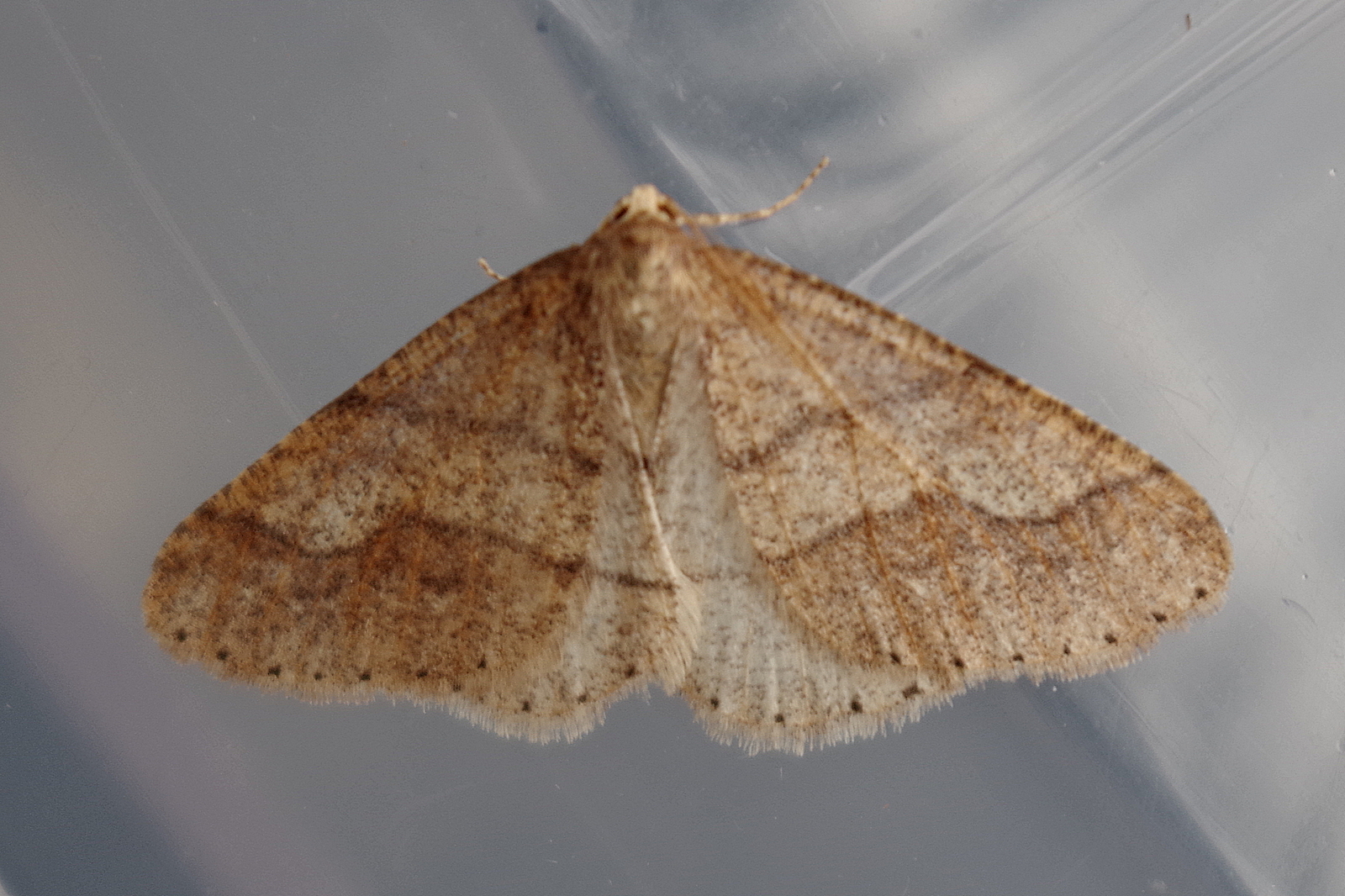
Usually distinctive. Female has vestigial wings and is flightless.
Recording method
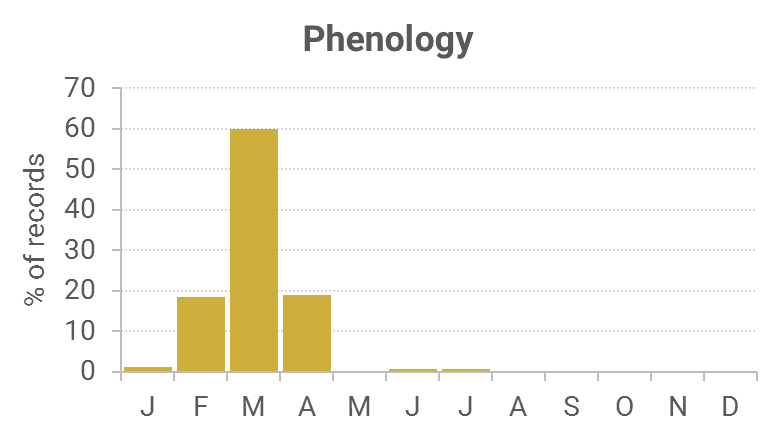
Females can be found at night on tree trunks. Males attracted to light.
Life cycle
One generation. Overwinters as a pupa. Larvae April to mid-June. Pupates underground.
Larval foodplants
A wide variety of broadleaved trees and shrubs.
Habitat
Mainly woodland, but also scrub, hedgerows, gardens, heathland and moorland.
History
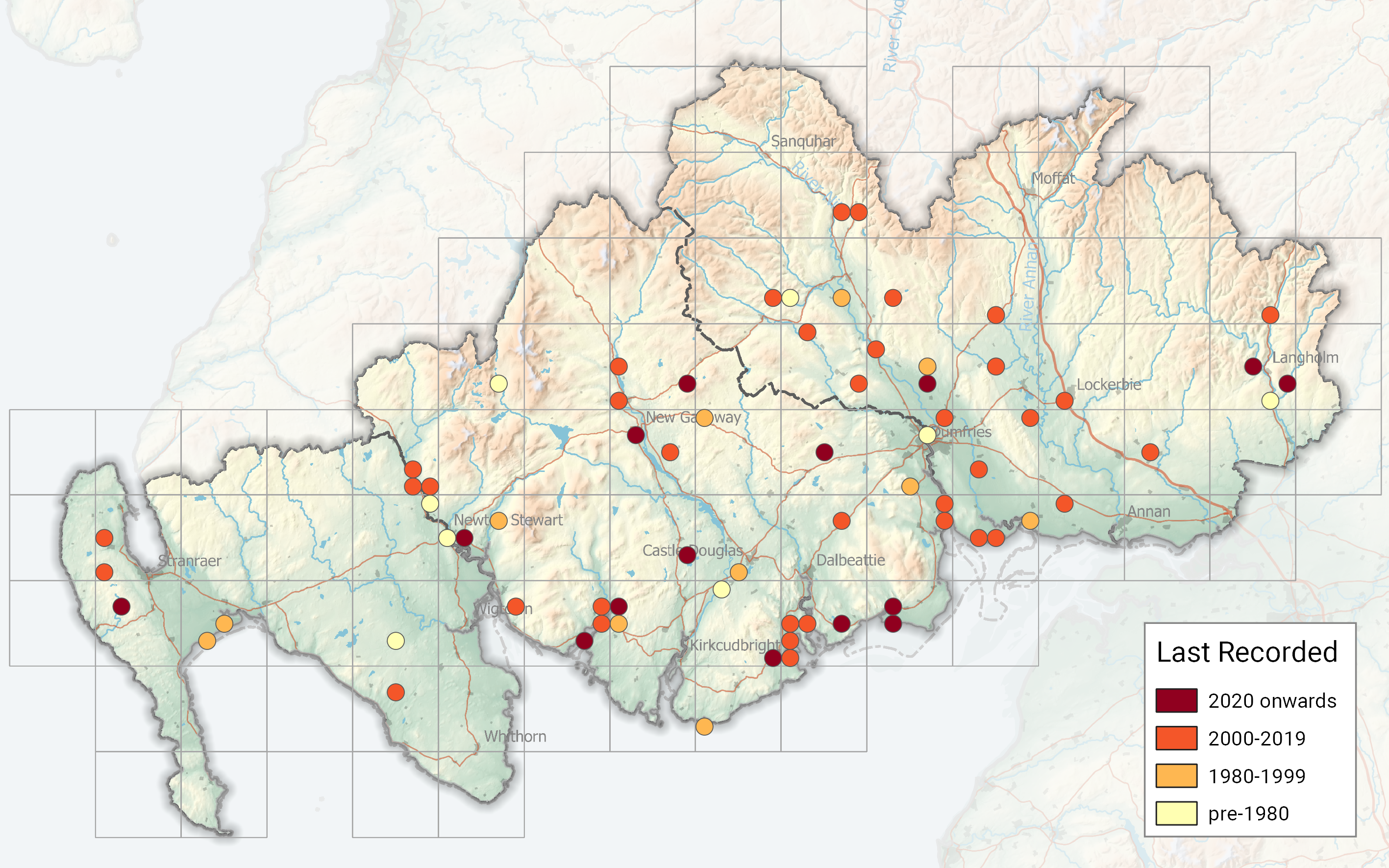
First recorded for Dumfries and Galloway in 1862 for VC72 near Dumfries by Lennon who stated it was ‘common around the Dumfries area’, in 1862 for VC73 in Mabie Forest by Lennon and in 1902 for VC74 at Corsemalzie by Gordon who found it ‘common at light and at rest on tree trunks’.