
Red List: Least Concern (LC). GB Status: Common.
Identification
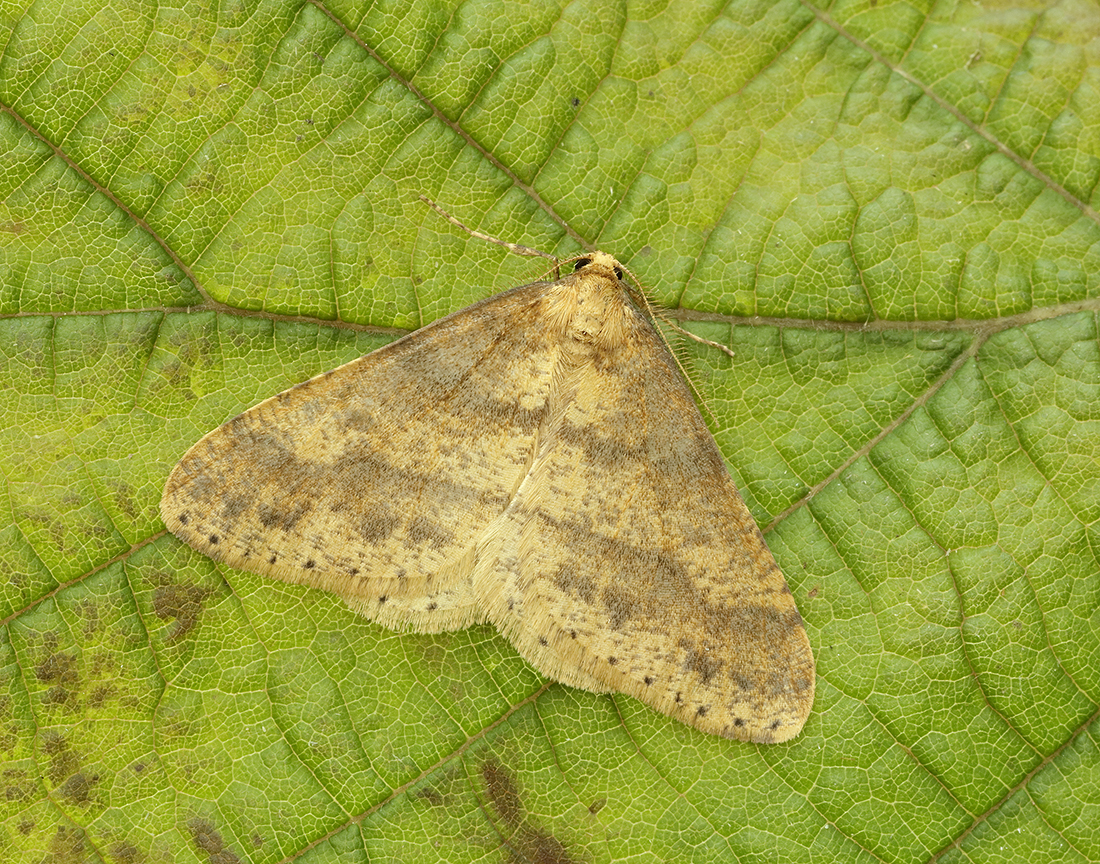
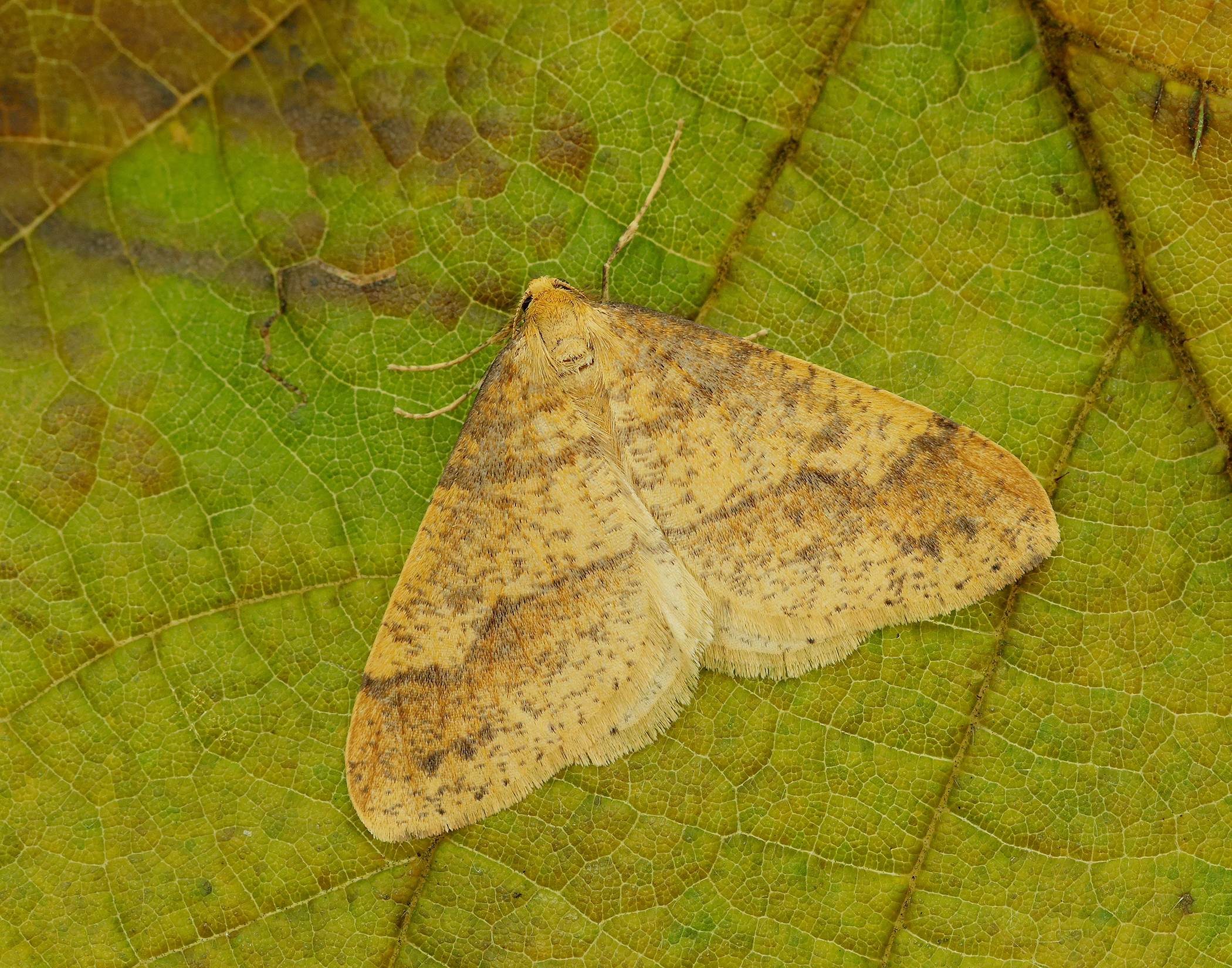
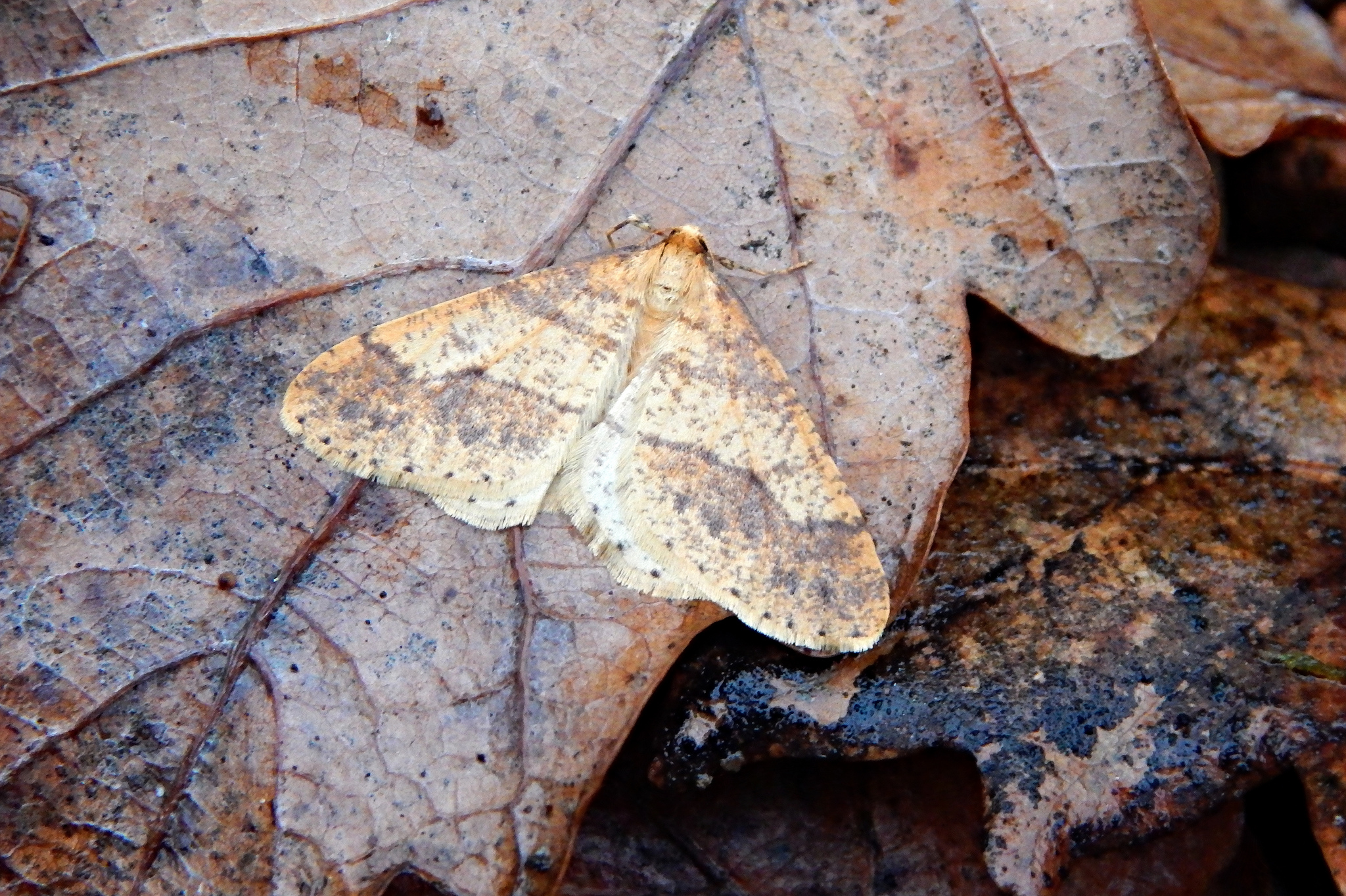
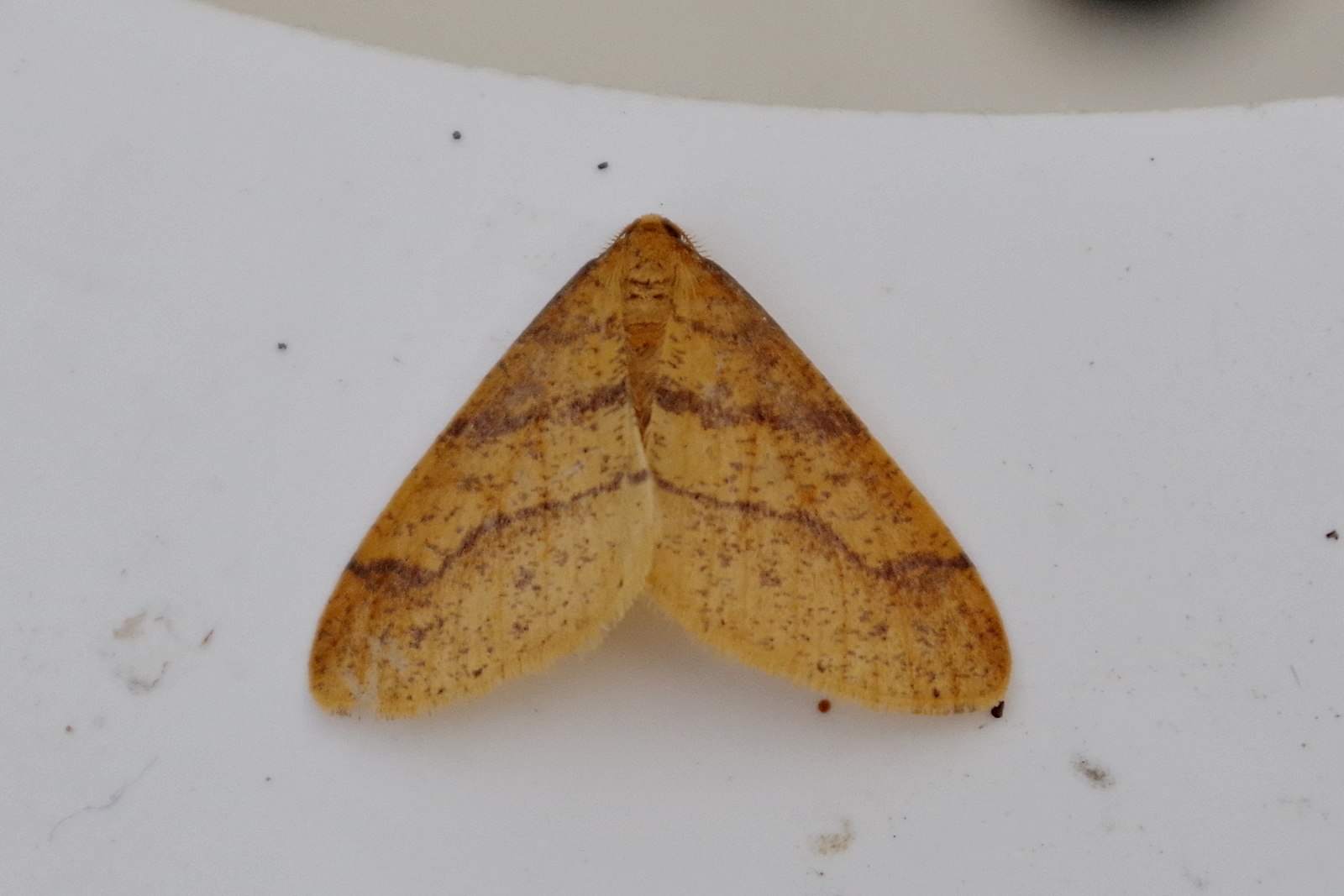
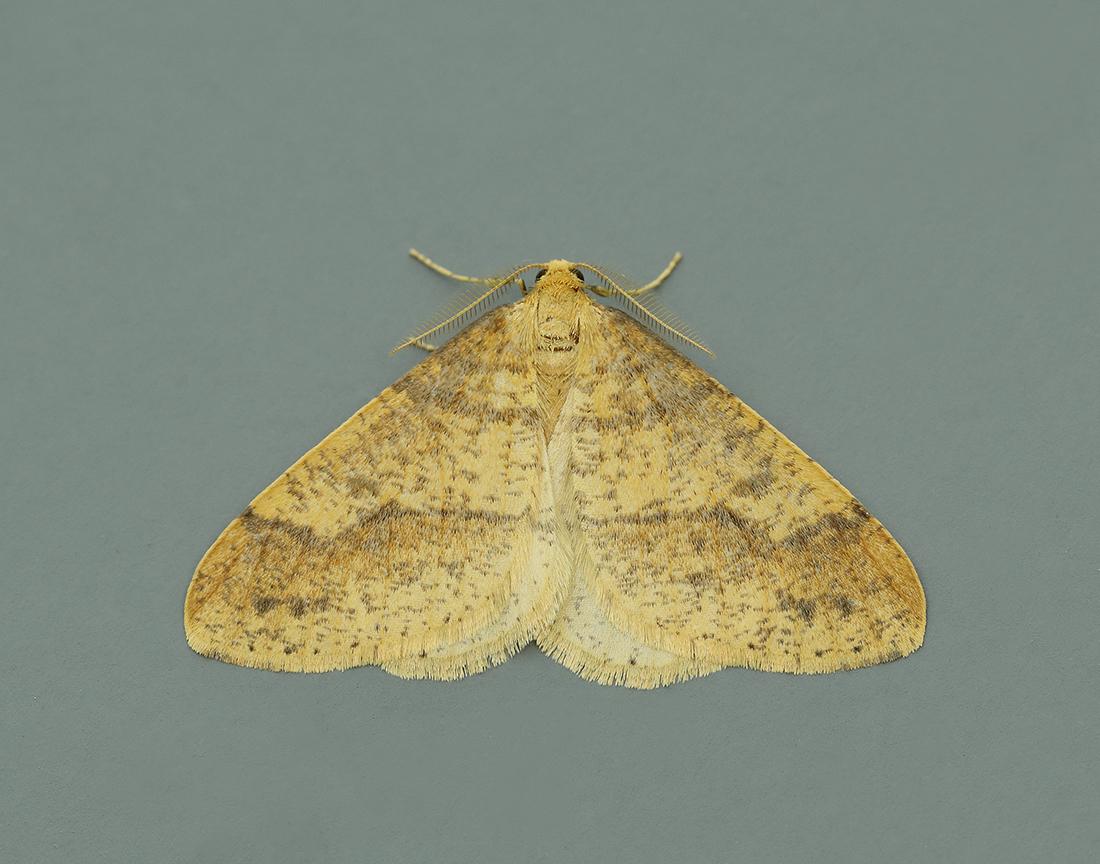
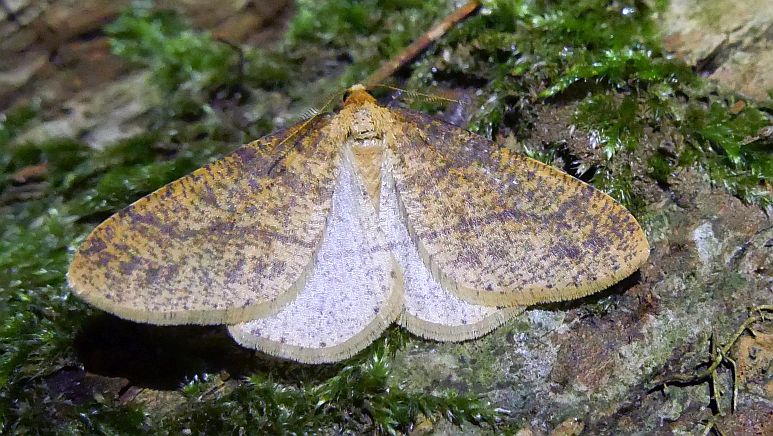
Usually distinctive. Female has vestigial wings and is flightless.
Recording method
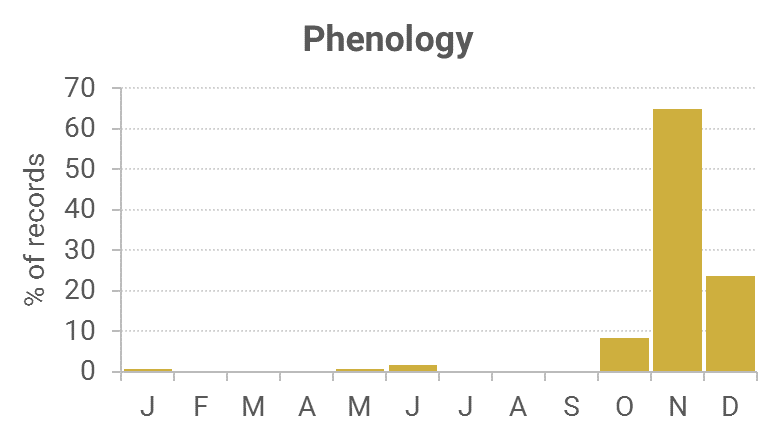
Females can be found at night on tree trunks. Males attracted to light.
Life cycle
One generation. Overwinters as an egg on the foodplant. Larvae April to the mid-June.
Larval foodplants
Hawthorns, Pedunculate Oak, birches, limes, Blackthorn, elms, limes, sallows and Hornbeam.
Habitat
Mature woodland with broadleaved trees.
History
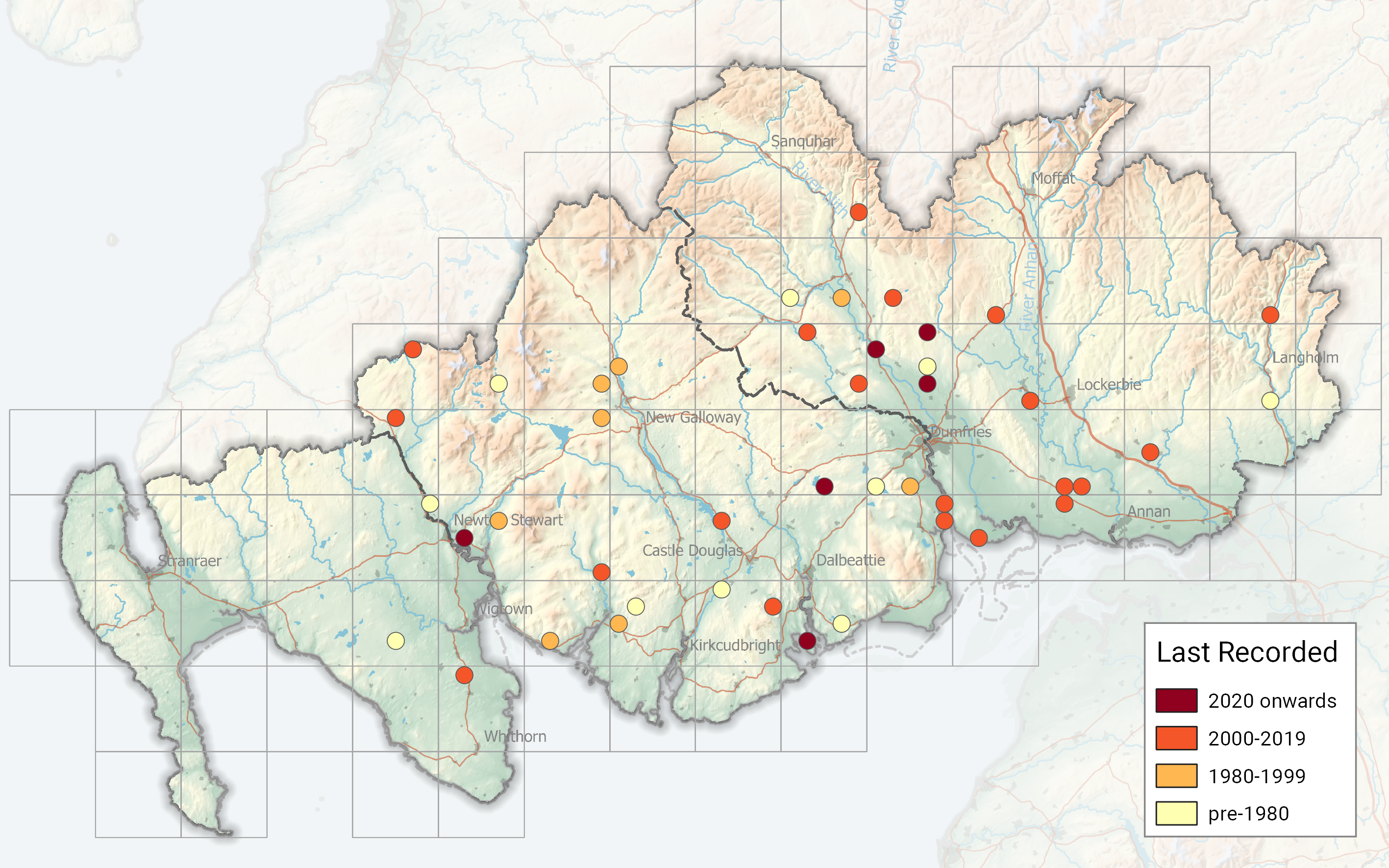
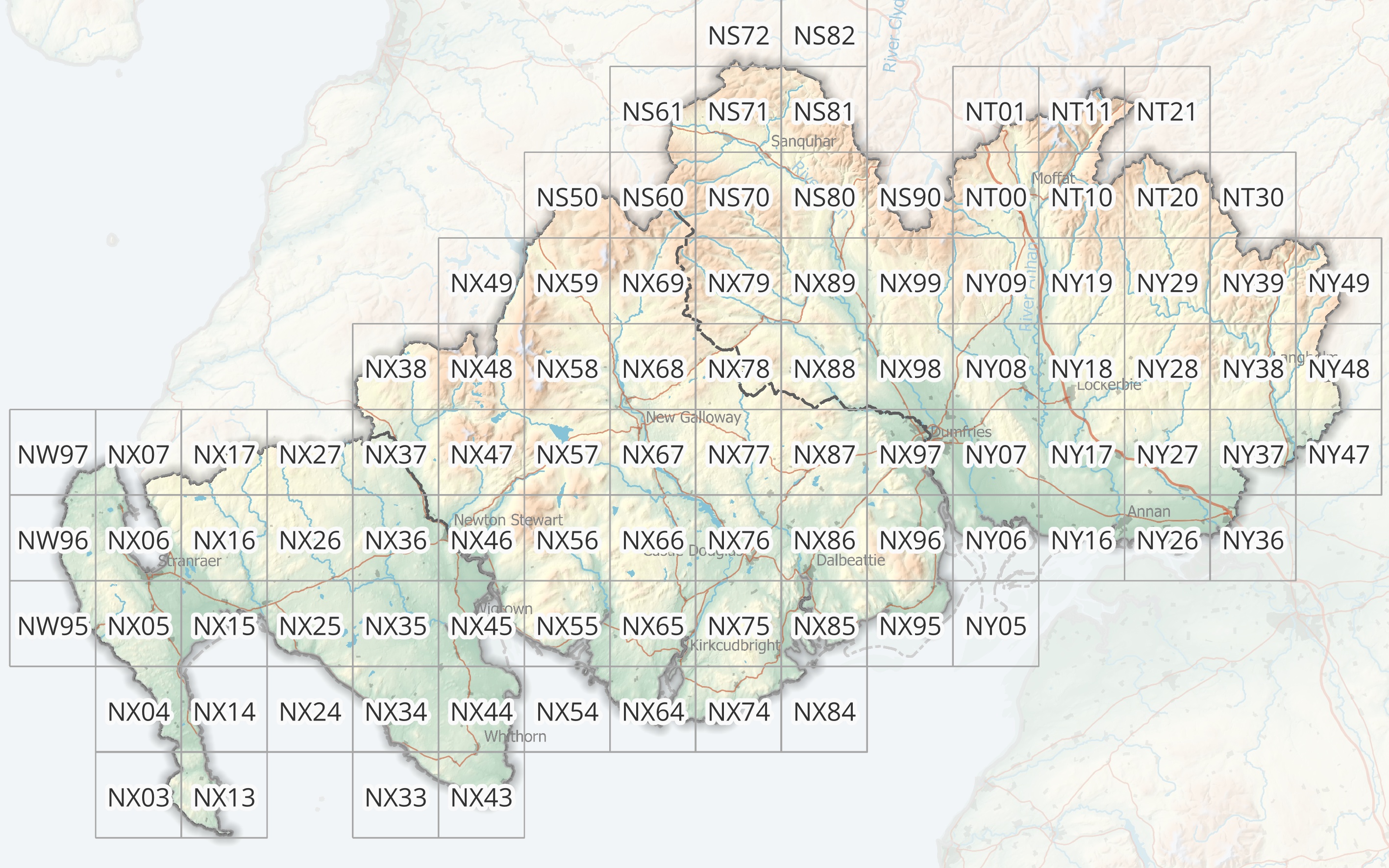
First recorded for Dumfries and Galloway in 1862 in Mabie Forest by Lennon, in 1910 for VC74 at Corsemalzie by Gordon who found it to be ‘not uncommon at light, along woodsides at dusk and at rest on hedges’, and in 1951 for VC72 at Tynron by Duncan.