
Red List: Near Threatened (NT). GB Status: Common.
Identification
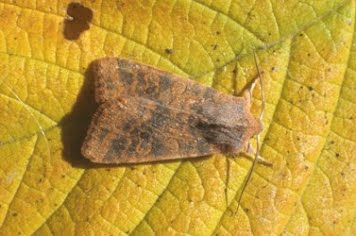
usually distinctive.
Recording Method.
Attracted to light, also comes to sugar and flowers.
Life cycle
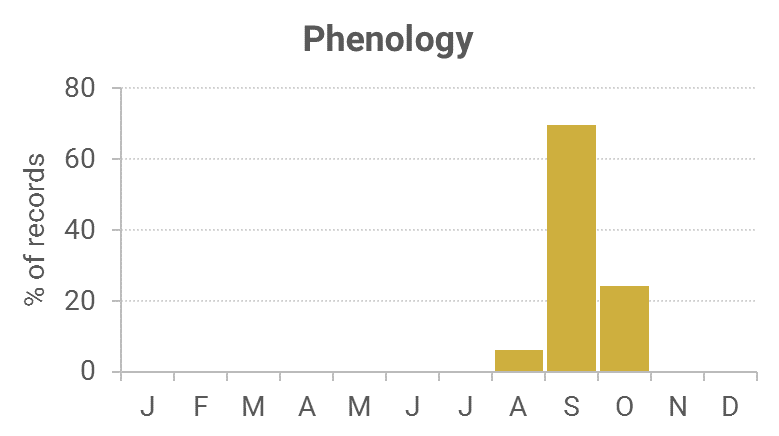
One generation. Overwinters as an egg. Larvae April to early June.
Larval foodplants
Flower buds, ripening seeds and leaves of Wych Elm and sometimes English Elm.
Habitat
Broadleaved woodland, parks and hedgerows with elms.
History
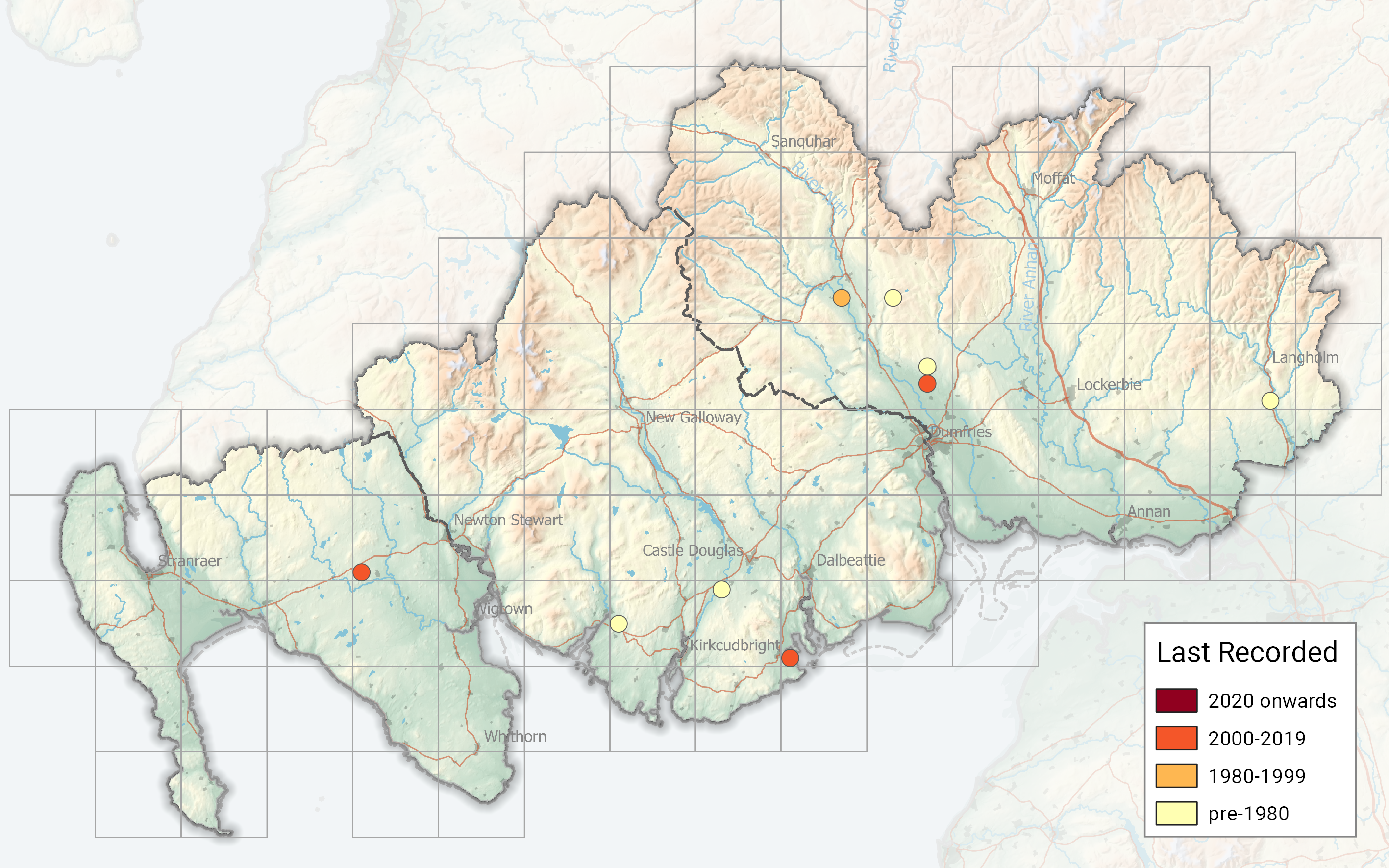
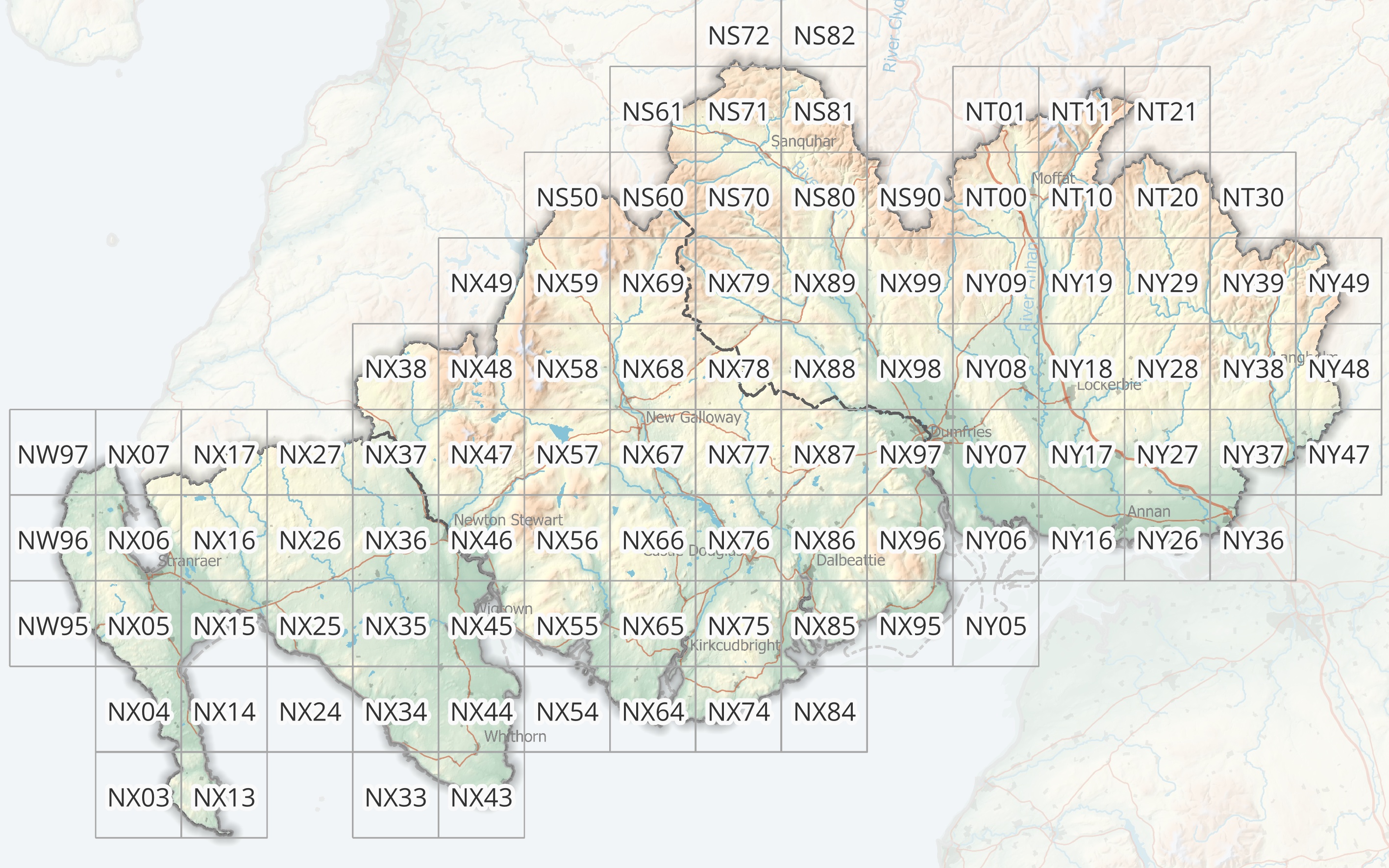
The first record was when Sir Arthur Duncan (1909-84) had found it at Closeburn, Dumfriesshire. In 1973 two were trapped at Irvine House, Auchenrivock in mid-August.
Then, from 1976-82, there were 17 records from the Waterside Mains at Keir Rothamsted station, with singles from the Gatehouse of Fleet and Bridge of Dee stations during the same period. With regular trapping at Kirkton, forty records were accumulated during 1992-2000. Since then it has been trapped at Auchencairn (VC73) in October, 2006, while the first for Wigtownshire occurred at Kirkcowan, in August, 2009.