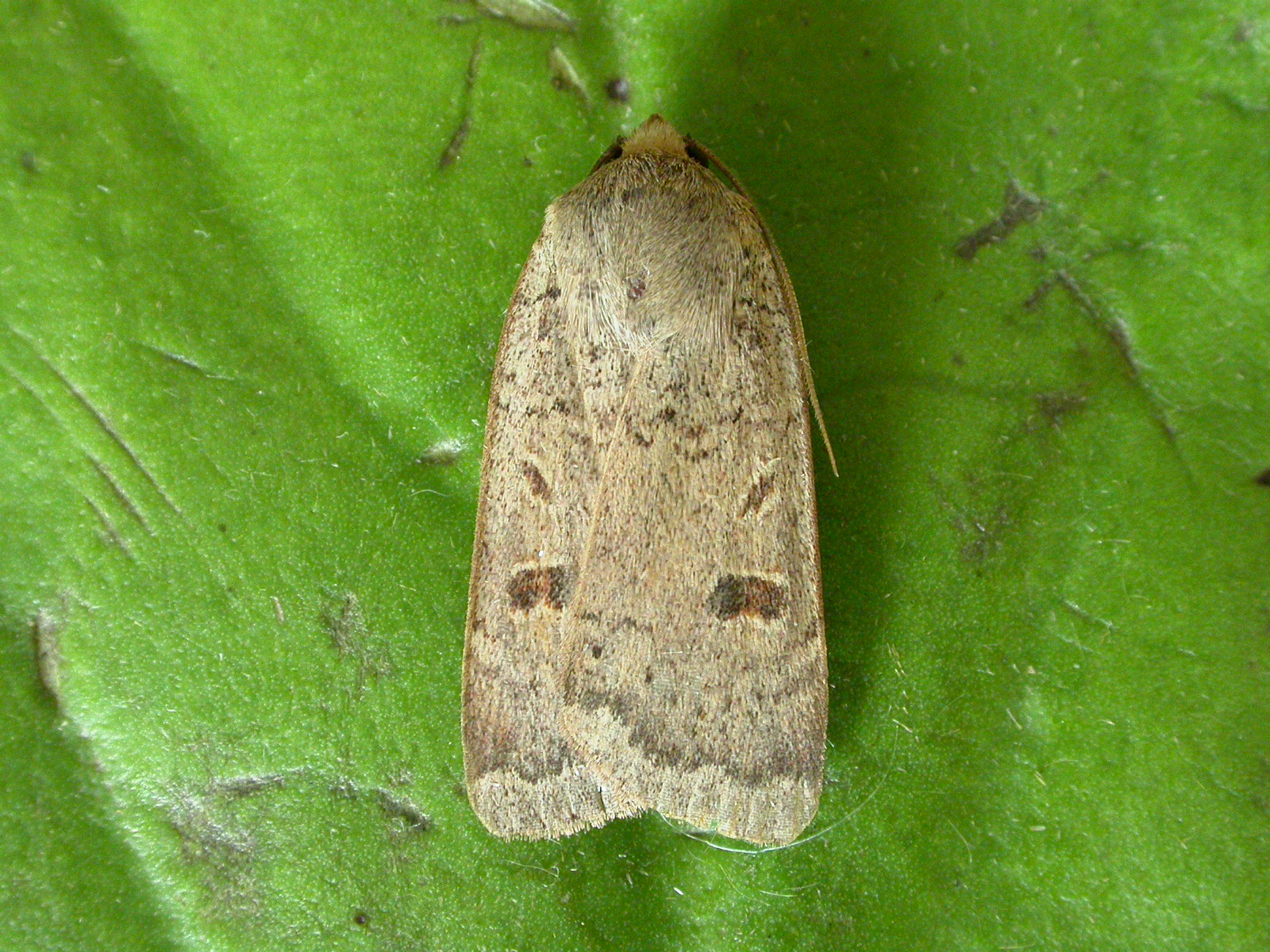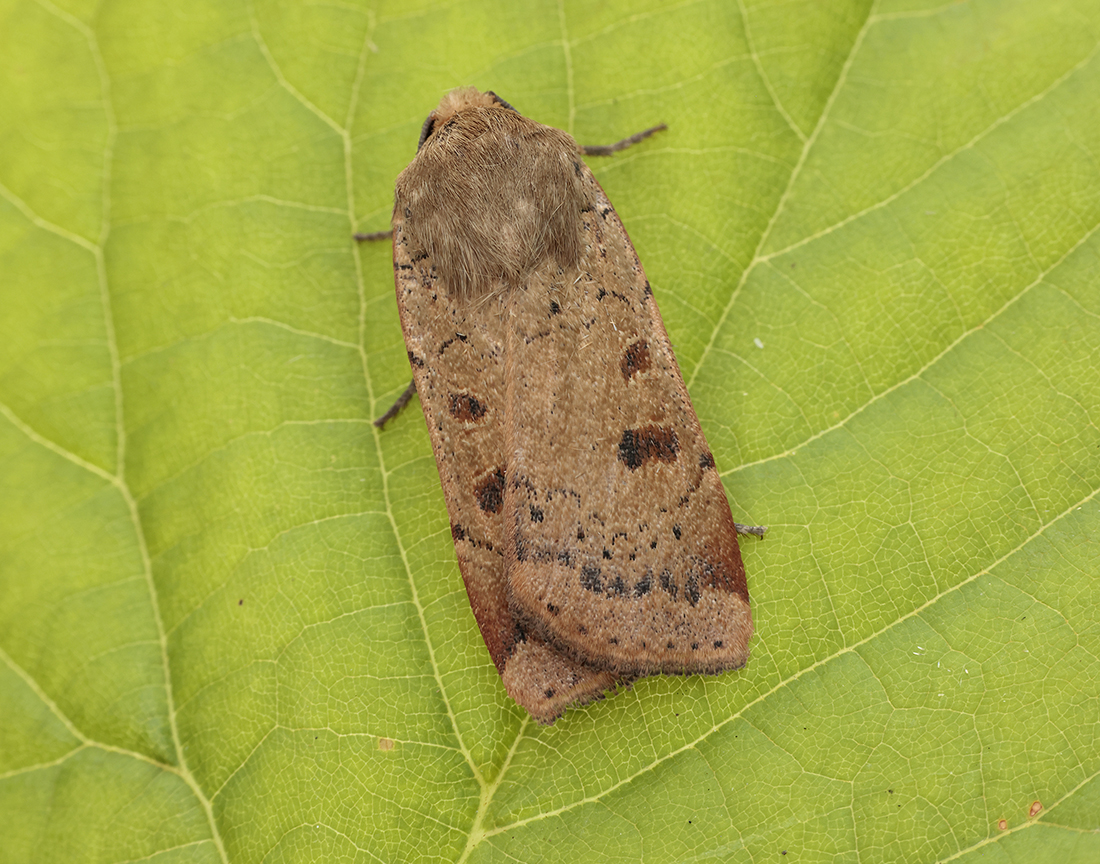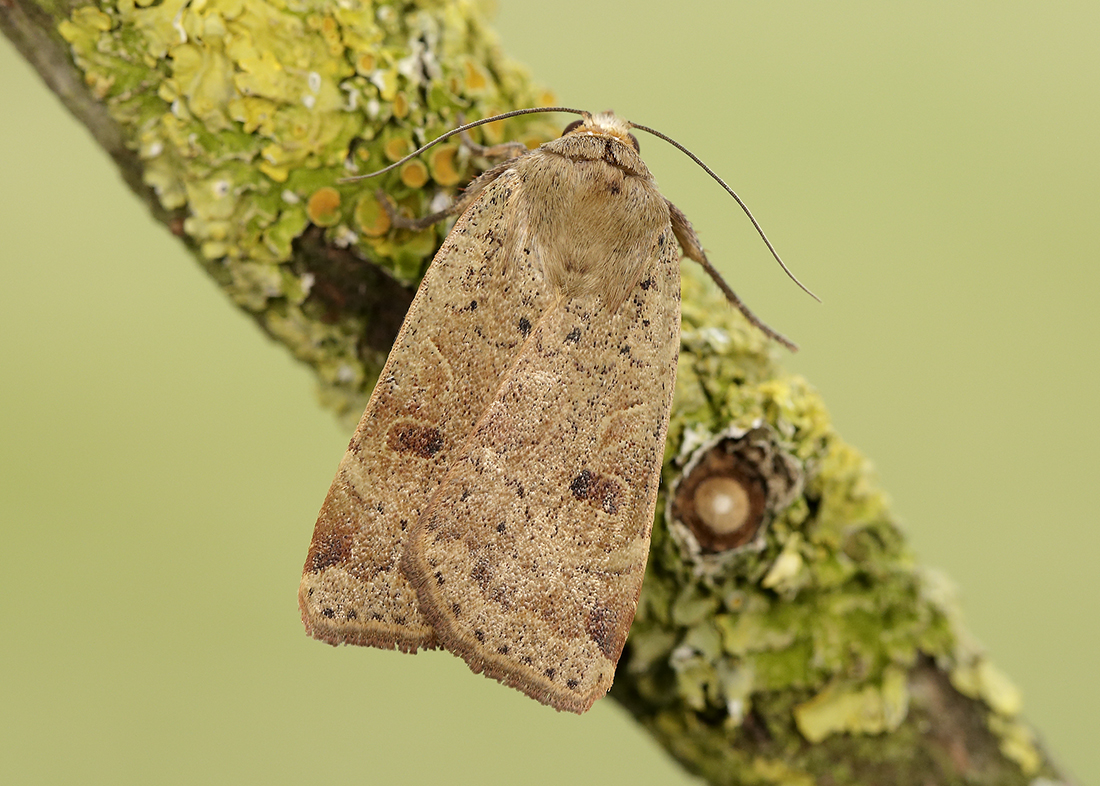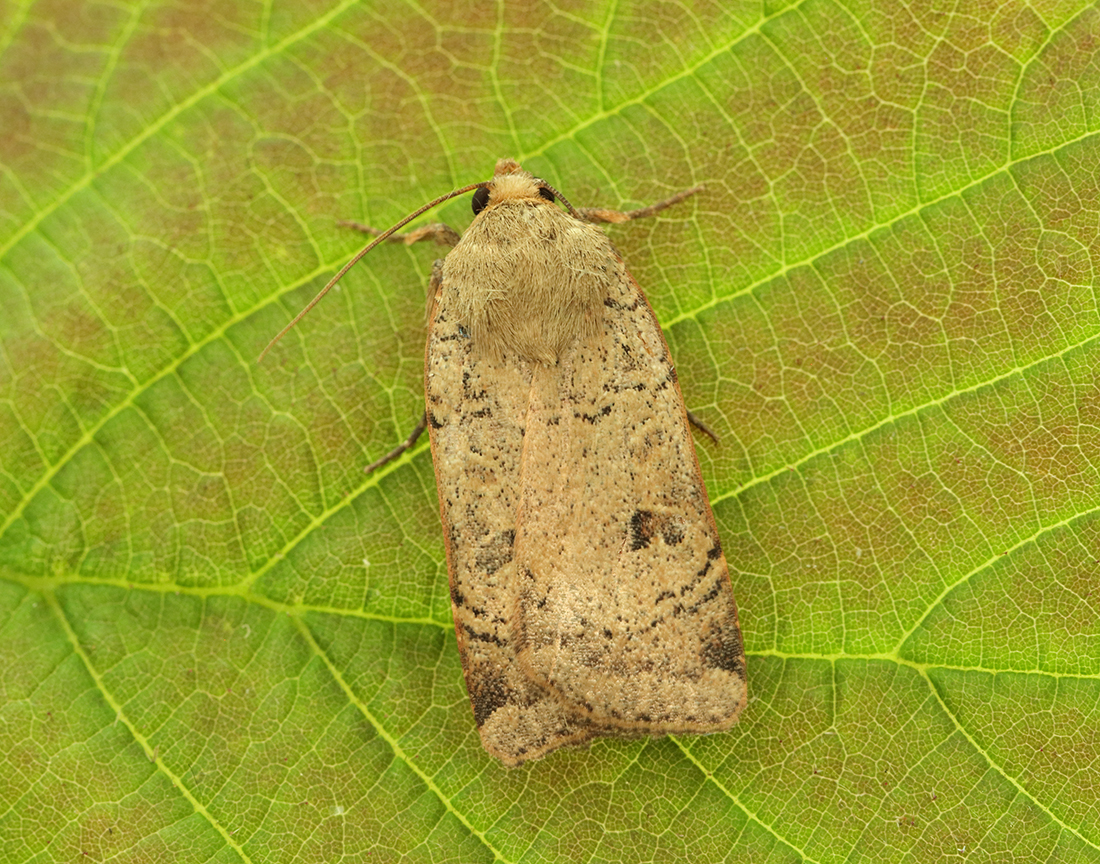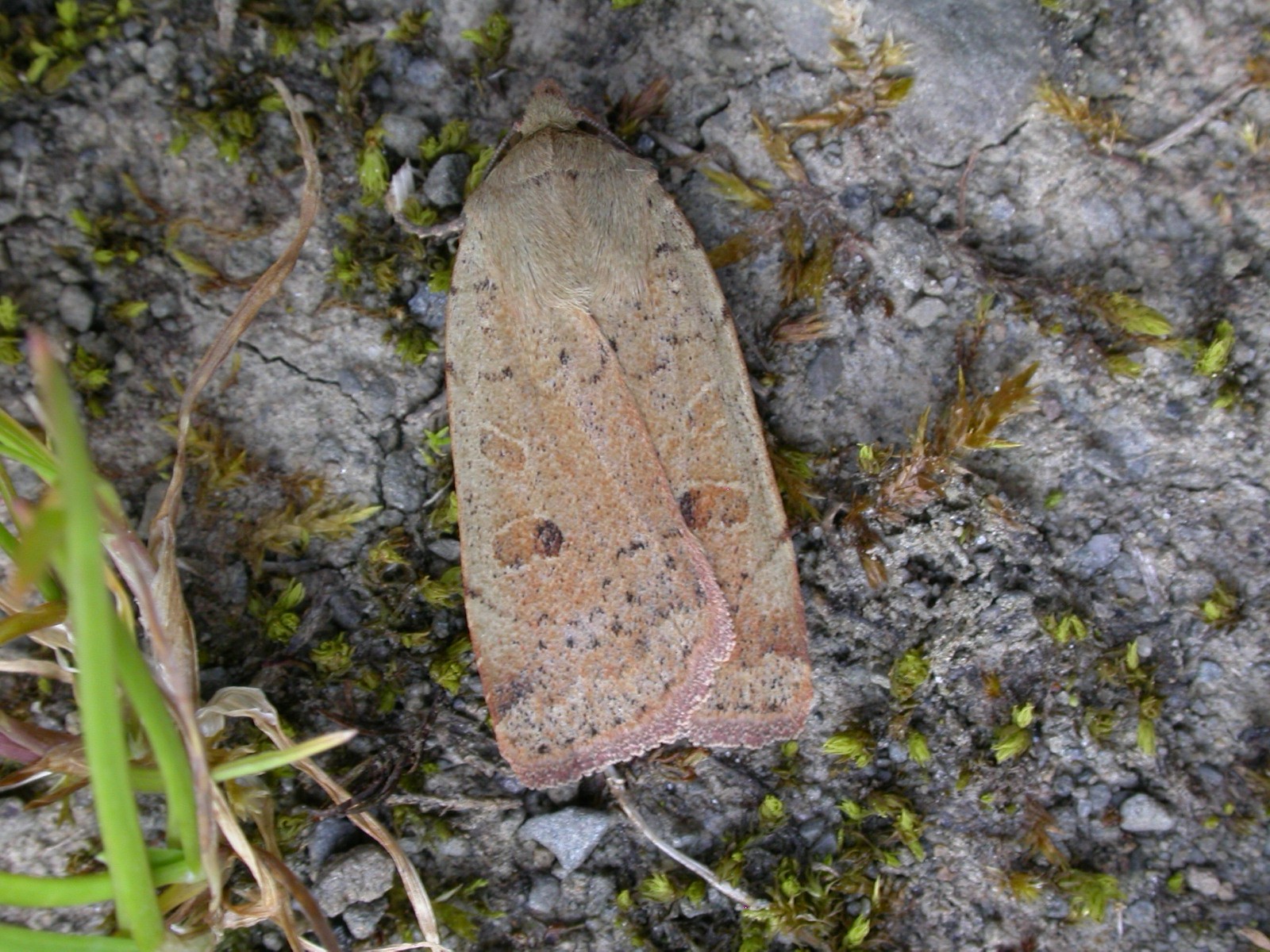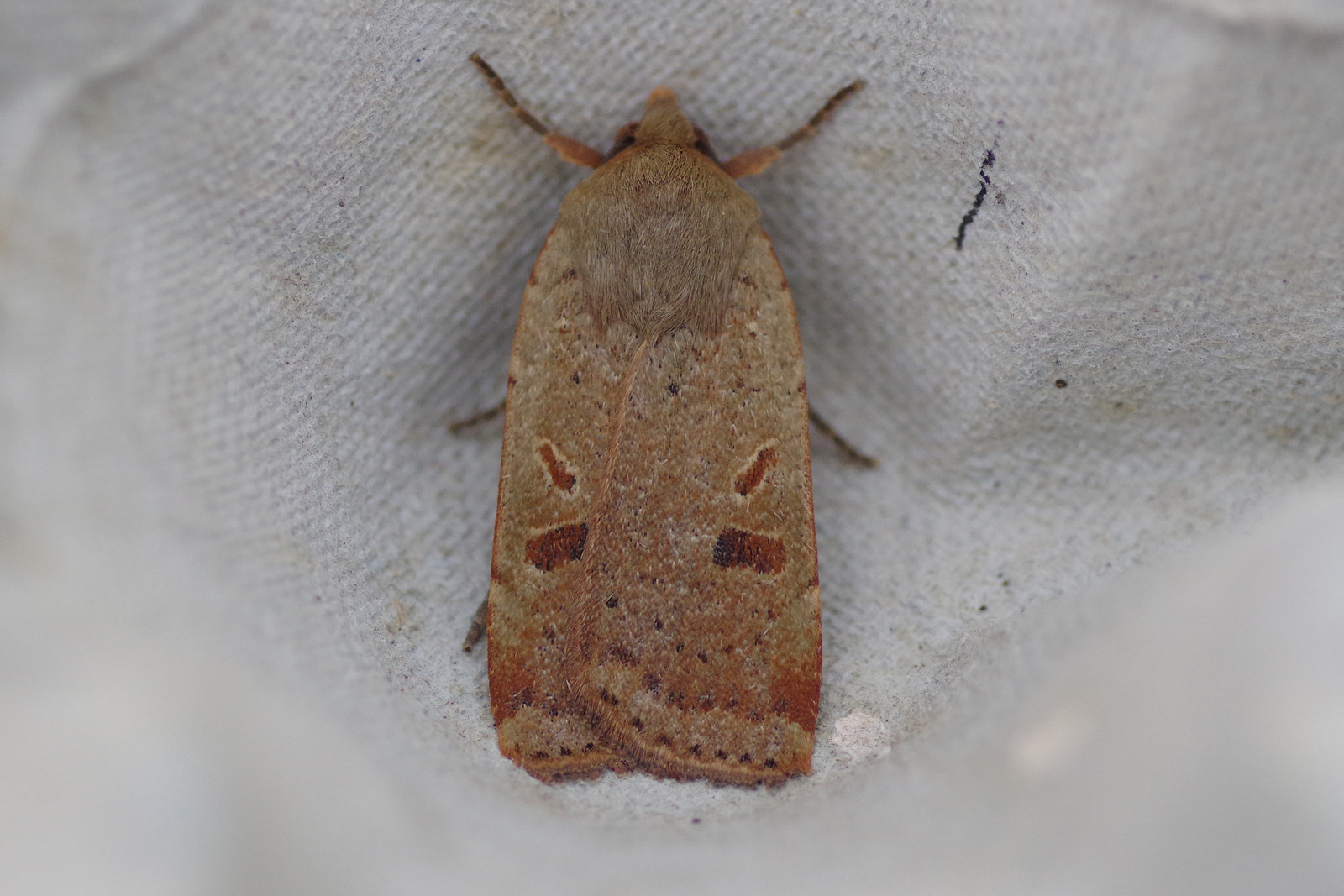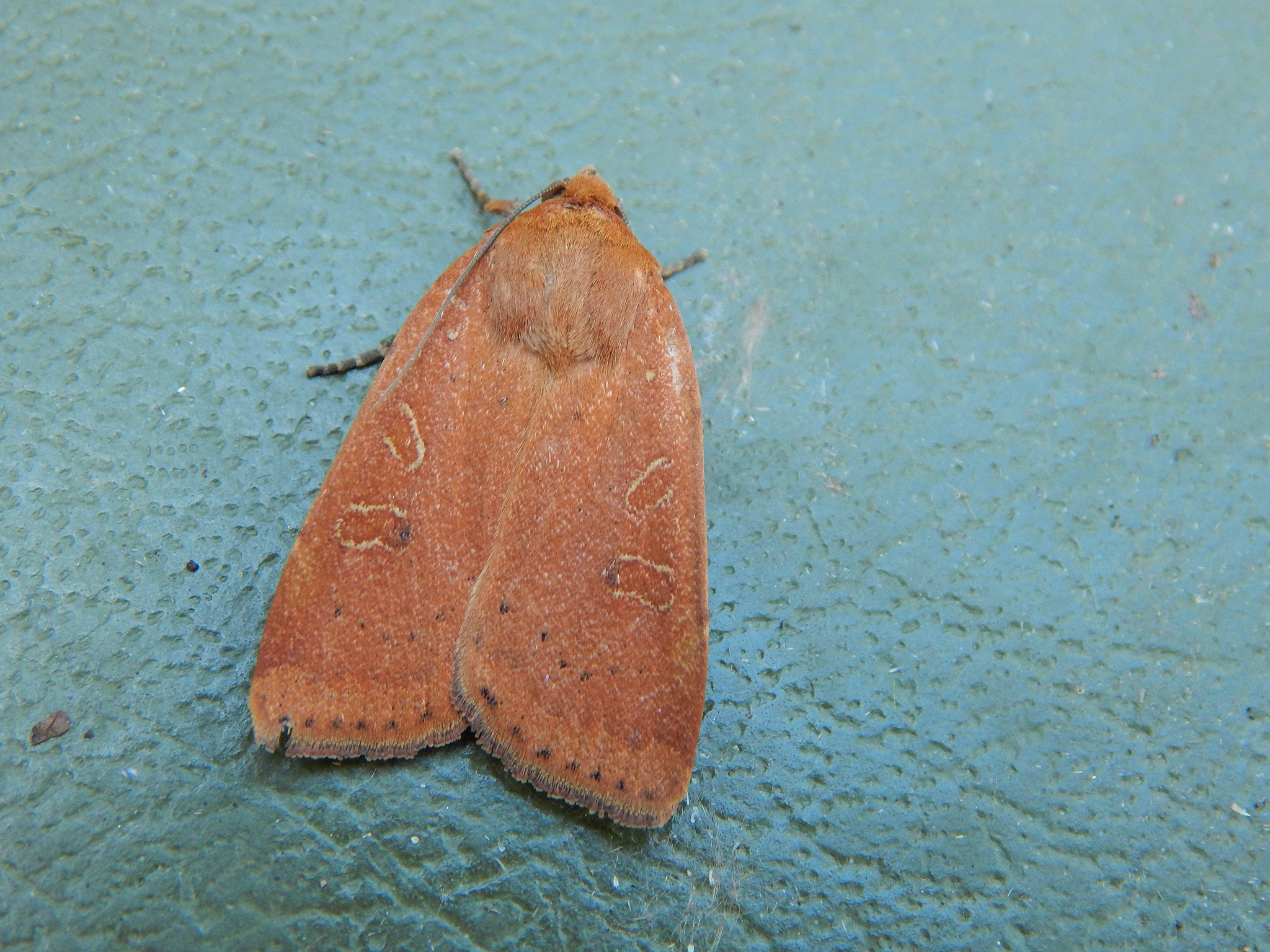

Red List: Least Concern (LC). GB Status: Common.
Identification
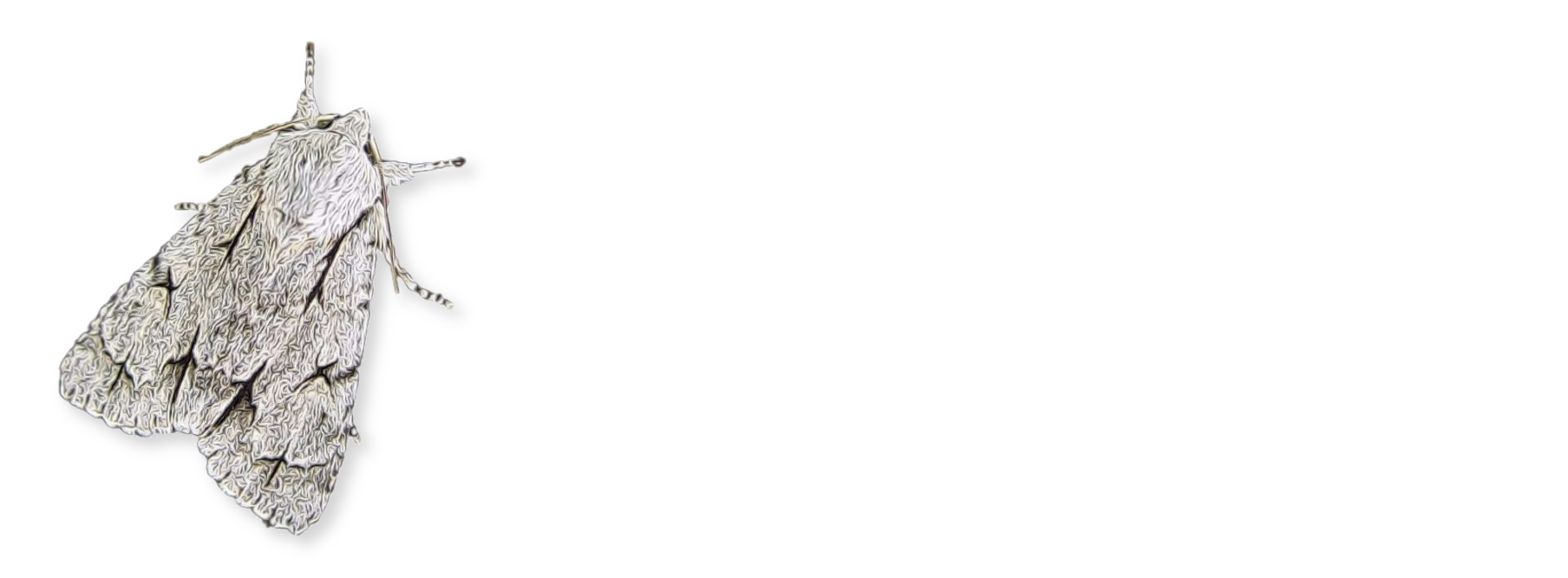
Usually distinctive. Care required, potential confusion with Least Yellow Underwing.
Recording Method.
Attracted to light, also comes to sugar and flowers.
Life cycle
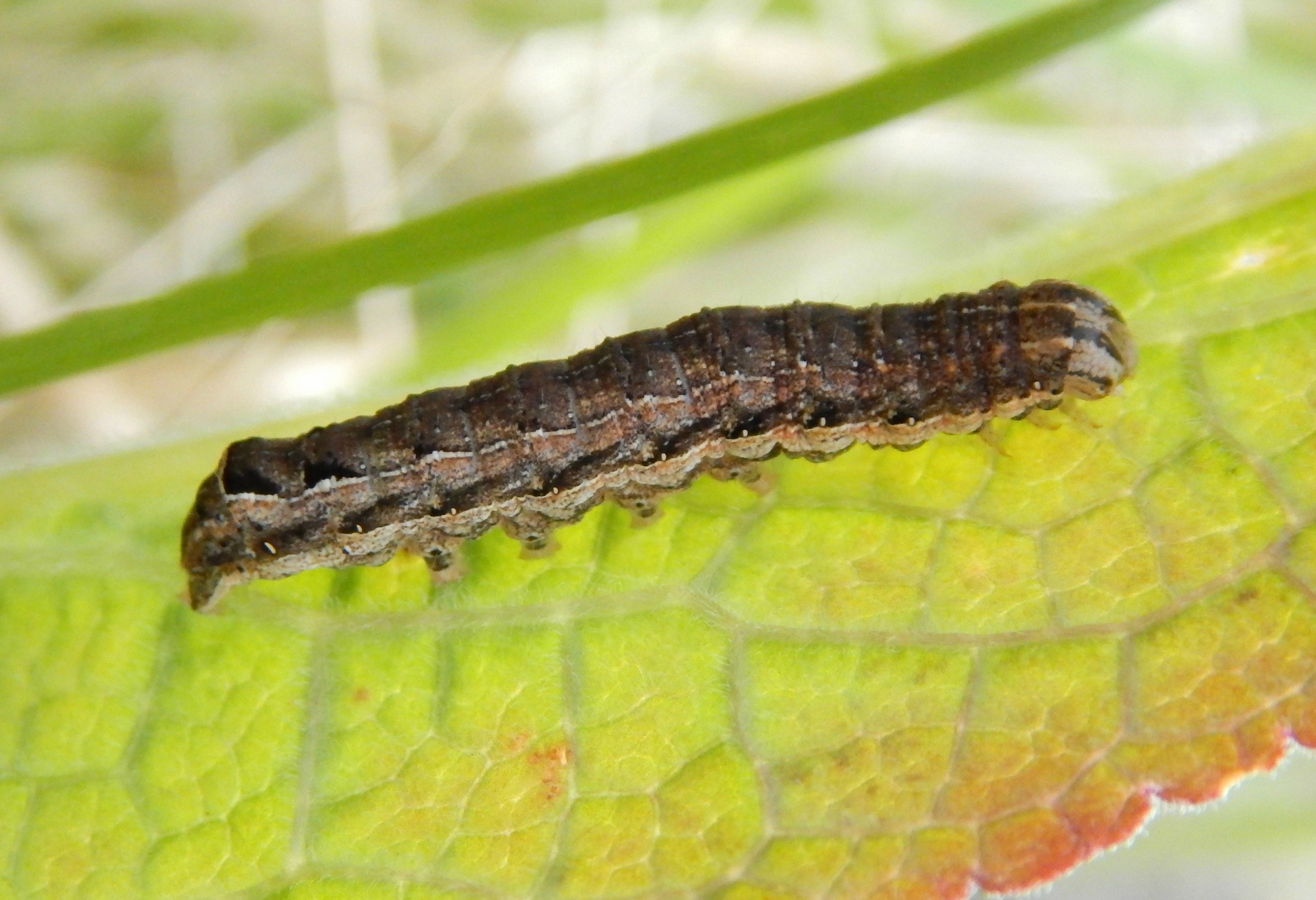
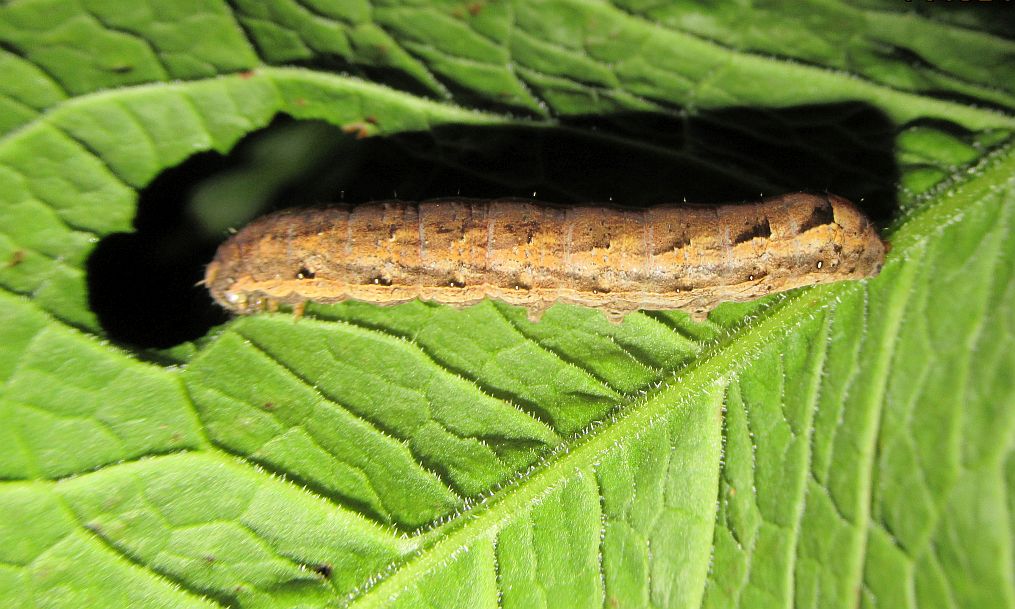
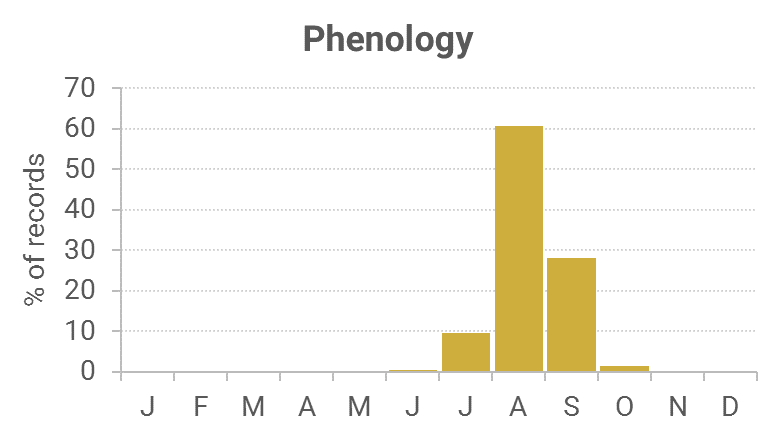
One generation. Overwinters as a small larva. Larvae August to May. Pupates underground.
Larval foodplants
A wide variety of herbaceous plants including Common Nettle, docks and Foxglove. In spring also feeds on Hawthorn, brambles, sallows and Broom.
Habitat
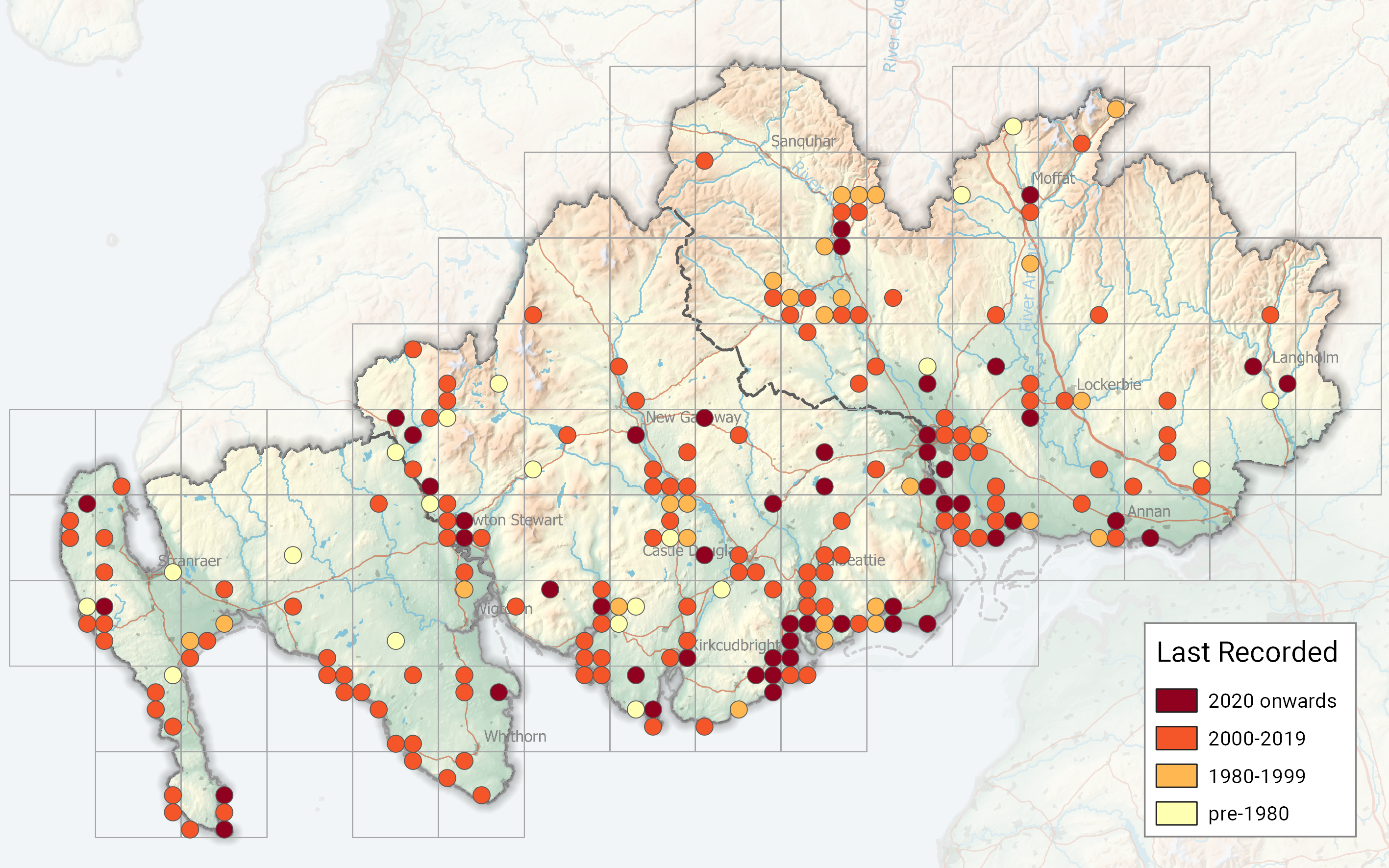
Ubiquitous, present in a wide range of habitats.
History
Gordon (1913) had found it common everywhere in Wigtownshire and very variable in colour. His early and latest dates were 10th July 1897 and 25th September 1897 respectively. K. J. Morton of Edinburgh (1900) whilst on a visit in July 1899 to Wigtownshire had found this species in the Monreith area. William Evans received specimens from Mowat, the Killantringan lighthouse keeper during 1913-14 to aid his insect migration studies.
Sir Arthur Duncan (1909-84) during his lifetime had found it at Closeburn, Tynron and Castlehill, Dumfries (all VC72). Archibald Russell (1944) listed it as occurring near Gatehouse of Fleet (VC73) during the years 1942-43.
During 1976-92 there were eighty records from the Rothamsted stations, then, from 1992 to 2010 there were seven hundred records mainly from the regular trapped sites at Kirkton, Durisdeer, Cally Woods, Mersehead RSPB, Kirkland and Old Torr, with many records from other widespread sites across the region.