
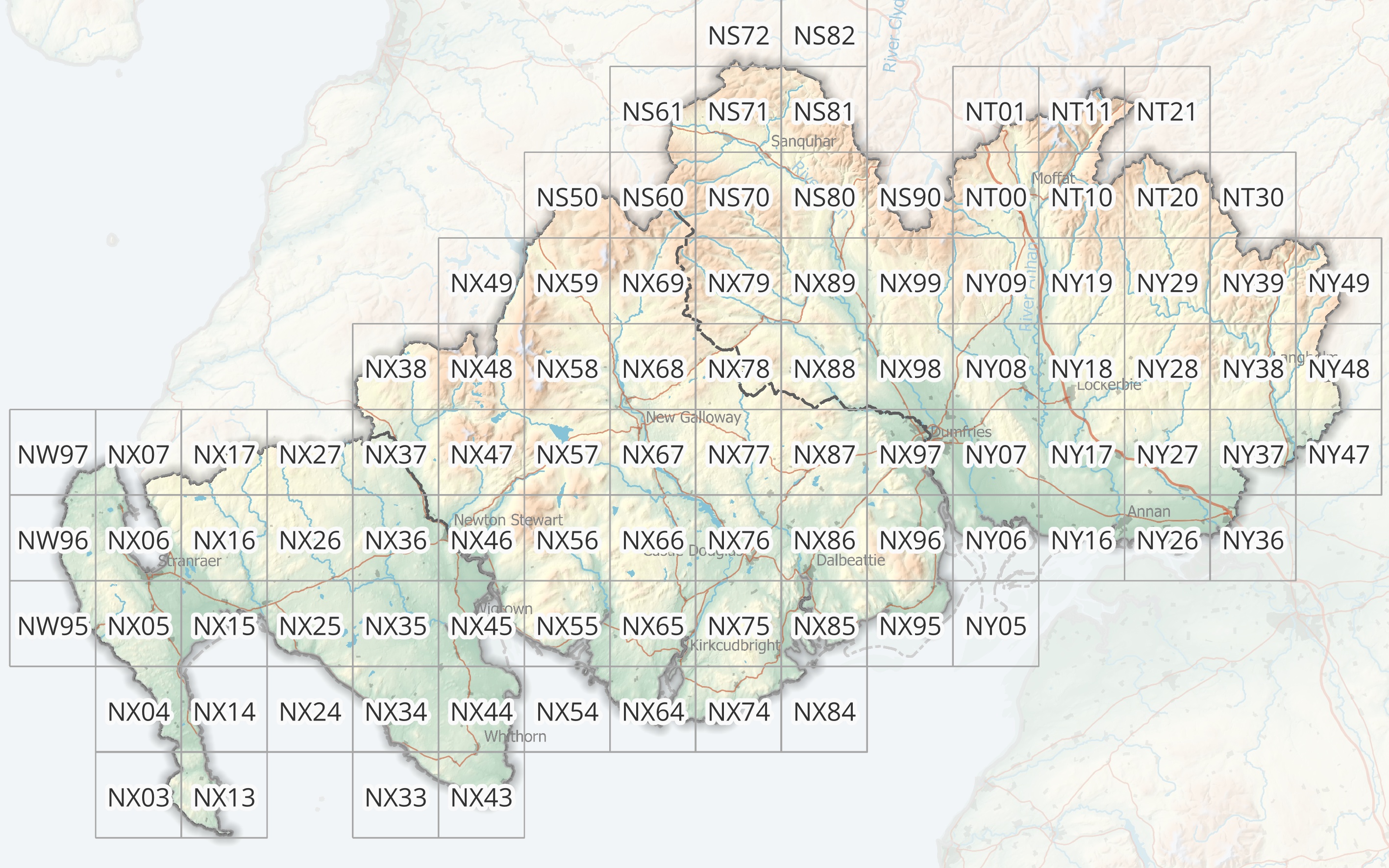
Red List: Least Concern (LC). GB Status: Common.
Identification
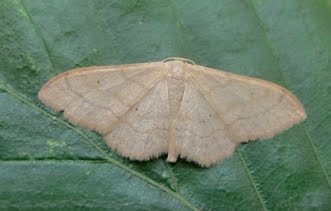
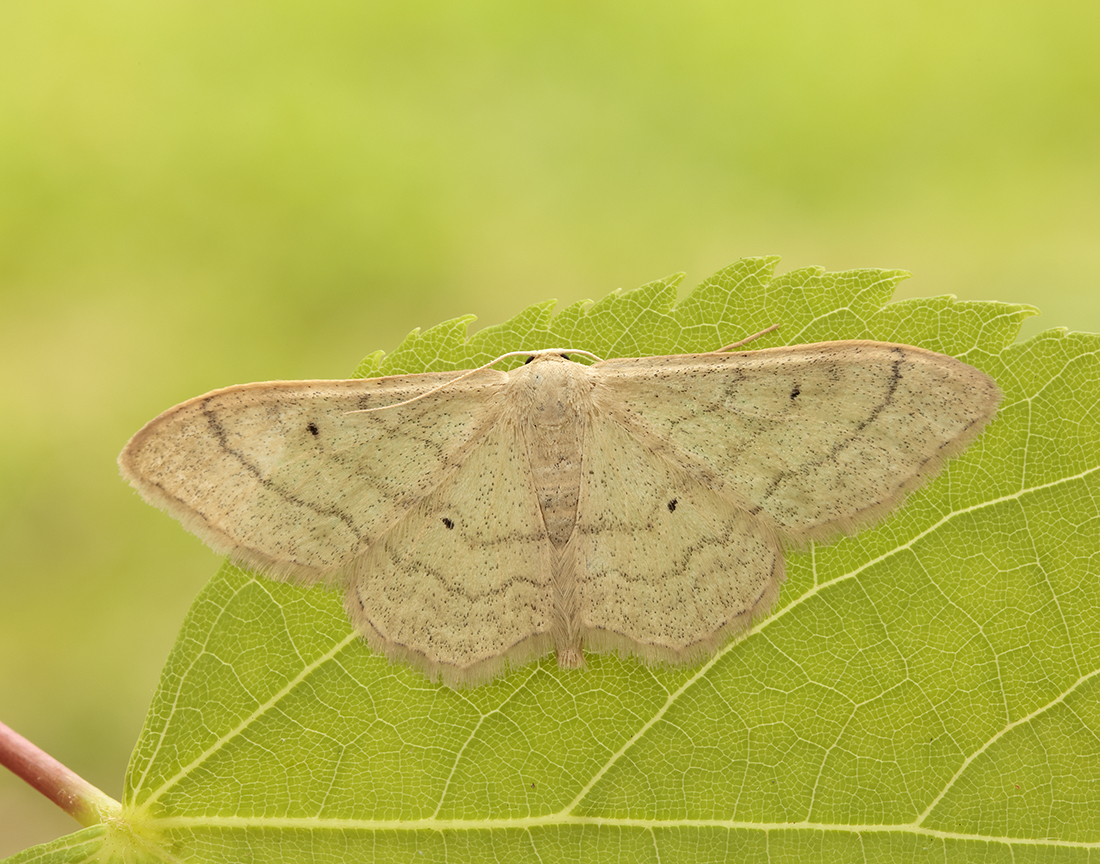
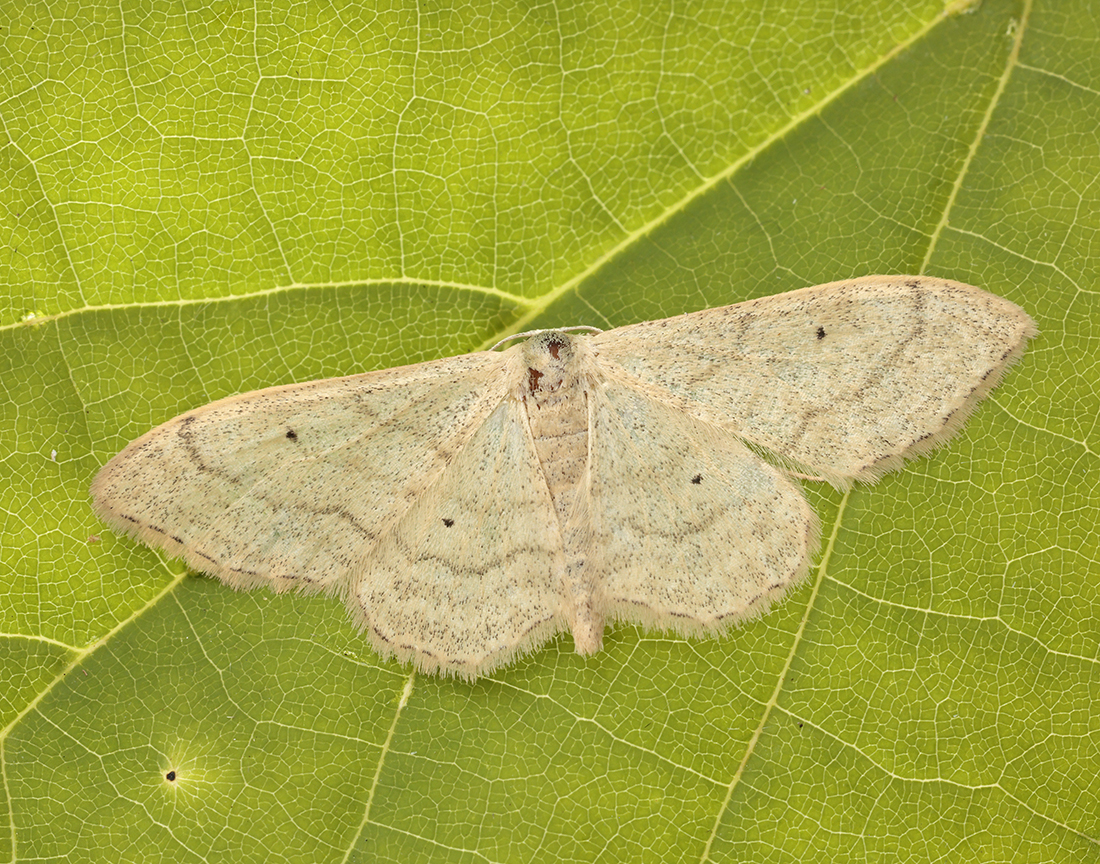
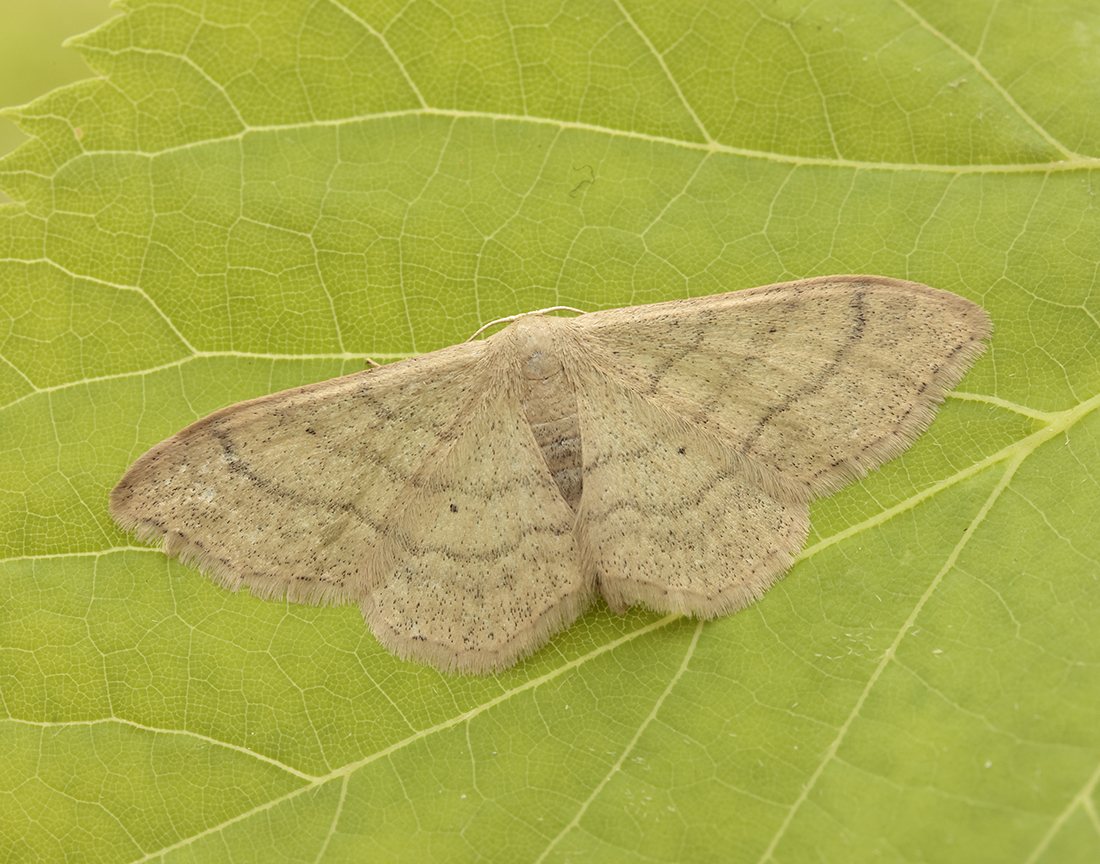
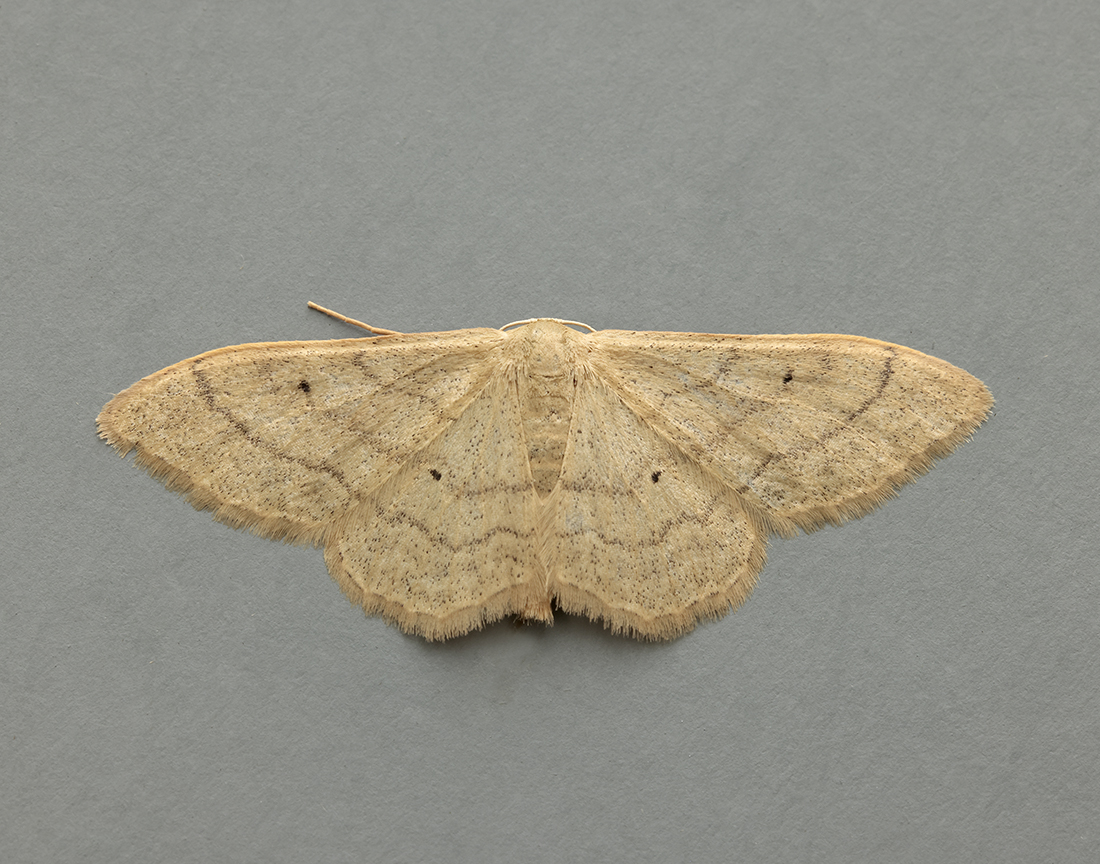
Usually distinctive. Care required, potential confusion with Riband Wave.
Recording Method
Attracted to light.
Life cycle
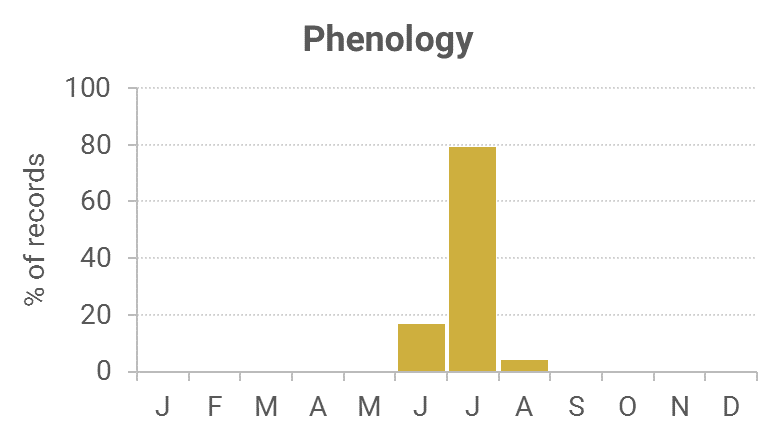
One generation. Overwinters as a larva. Larvae August to May. Pupates among plant debris.
Larval foodplants
Larval foodplant not known in the wild.
Habitat
Mainly open woodland and scrubby heathland.
History
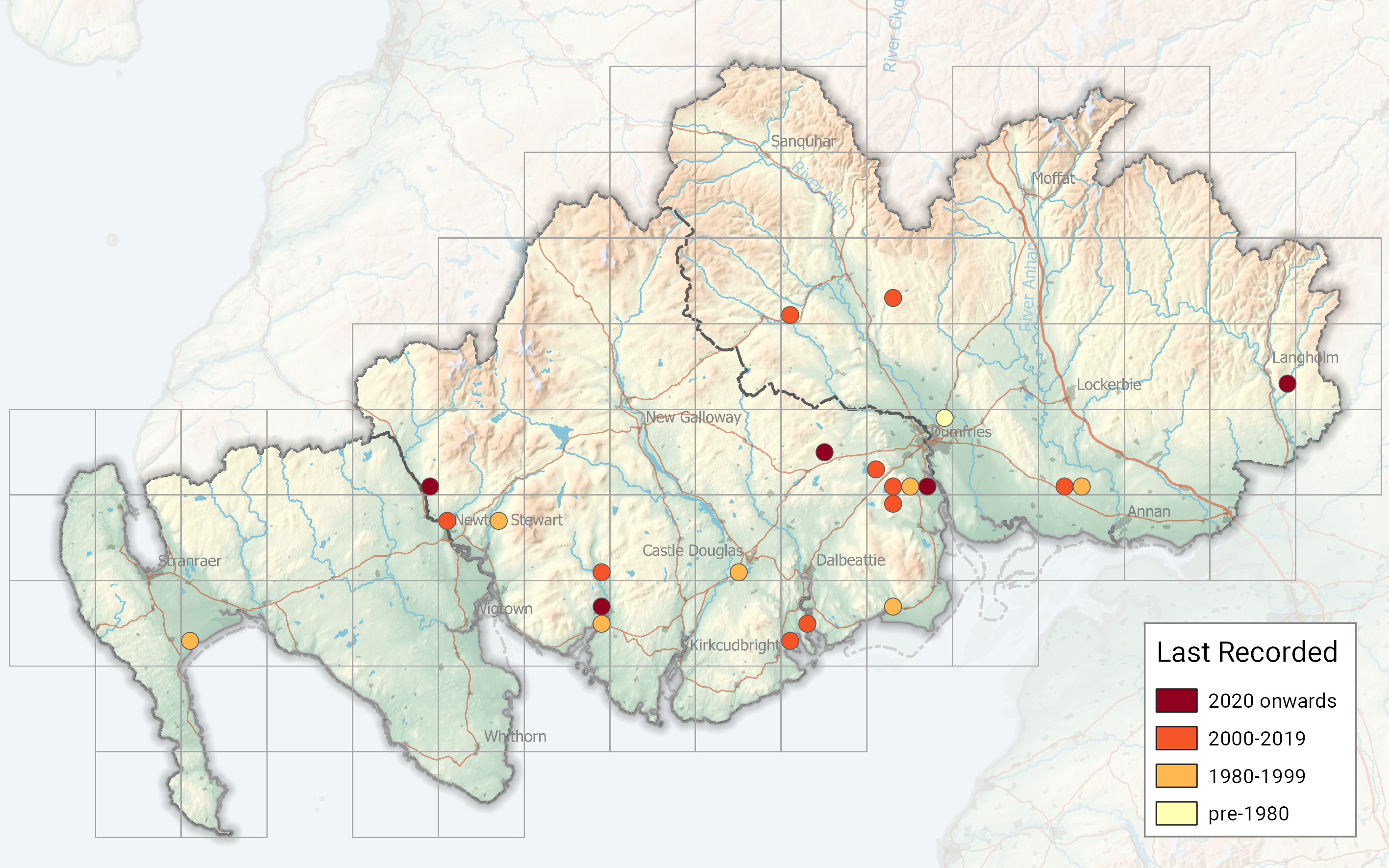
First recorded in Dumfries and Galloway in VC72 in 1862 on the Tinwald Downs, Dumfries by Lennon who said it was ‘very rare’. The first record for VC74 was not until 1983 from Clayshant, Torrs Warren in 1983 by Duncan and for VC73 in 1990 at Mabie Forest in the Rothamsted moth trap.