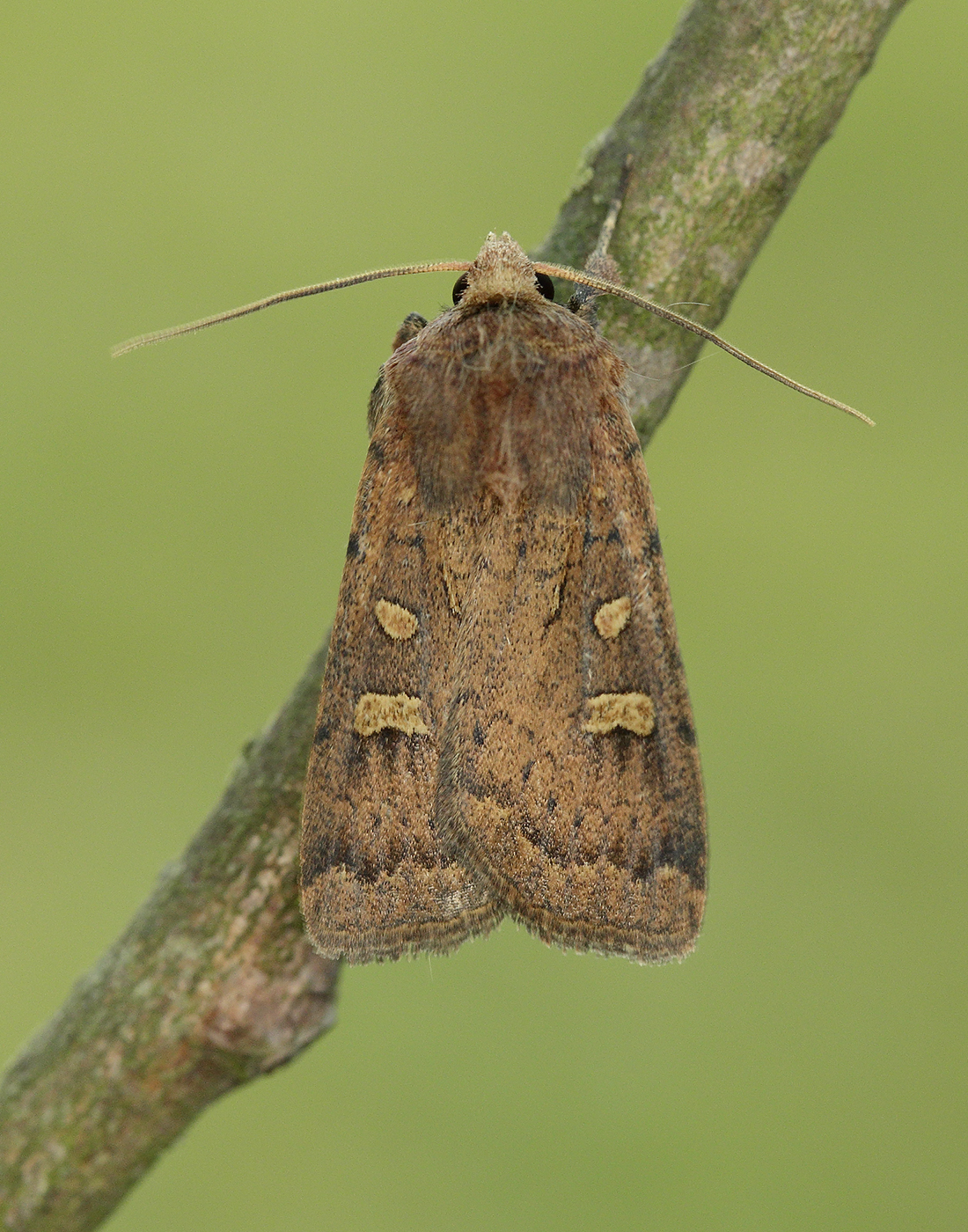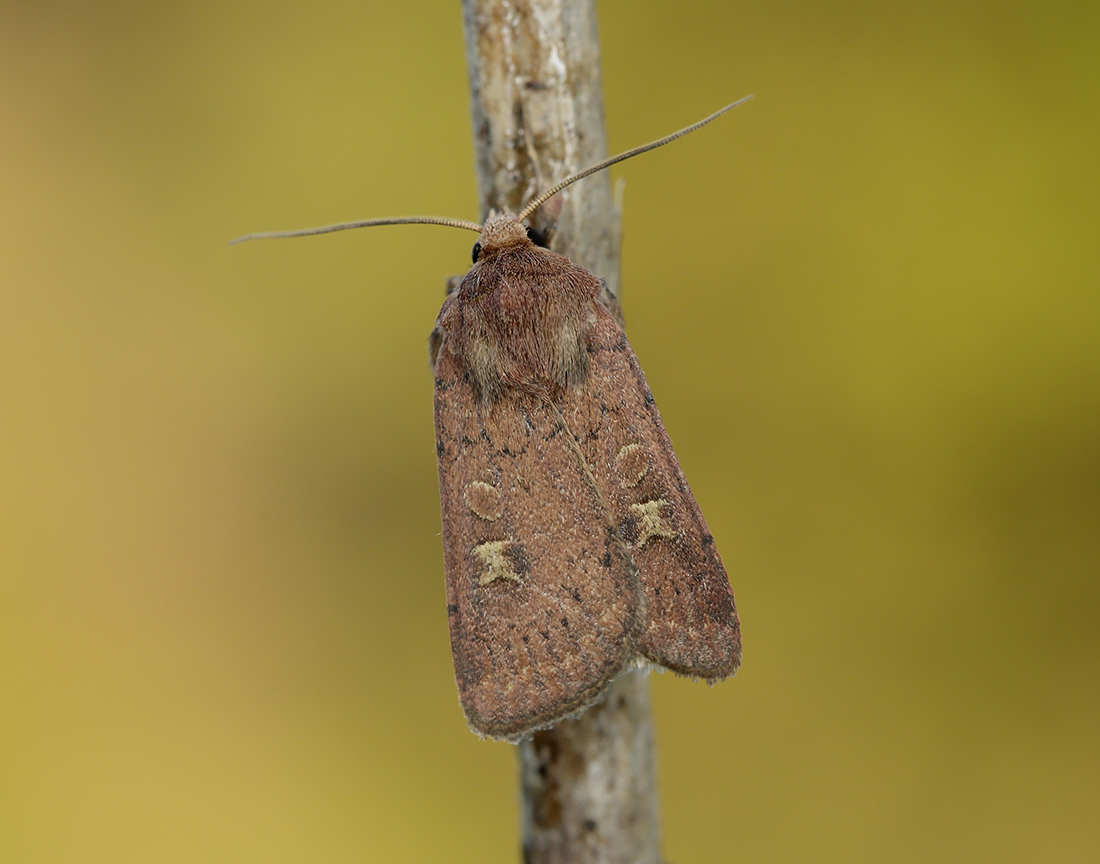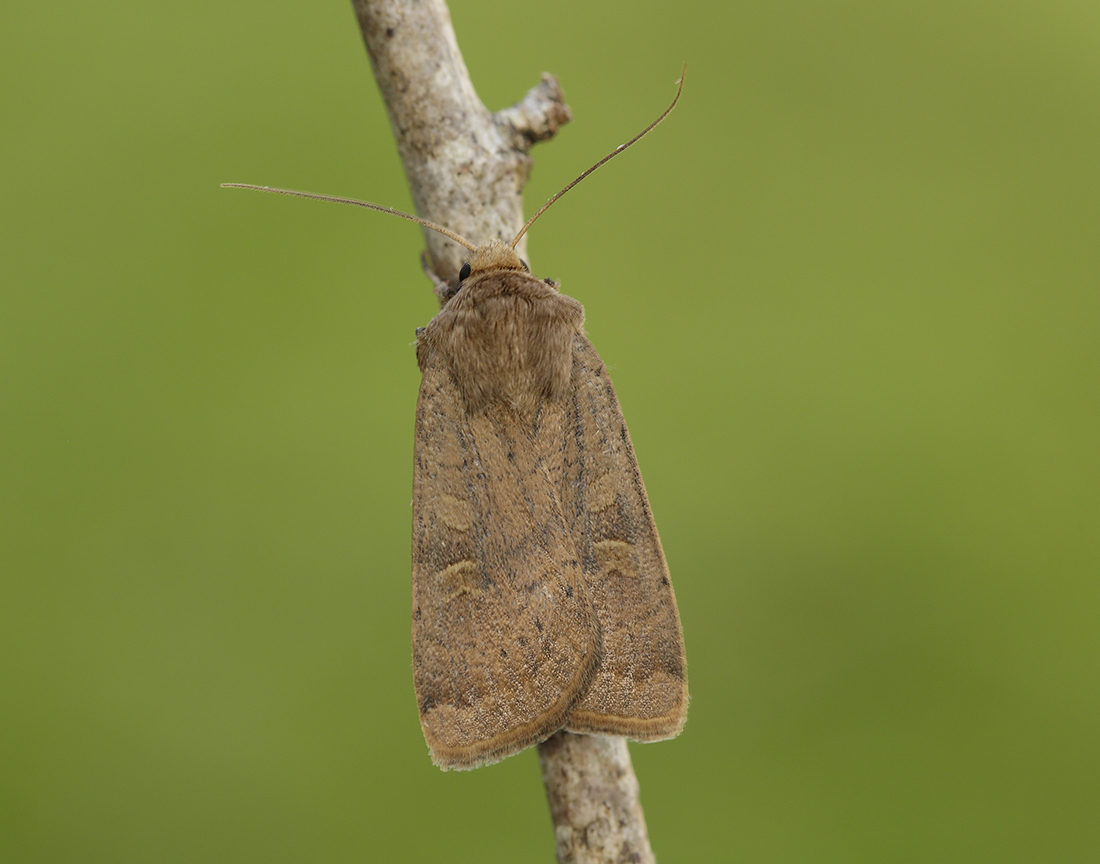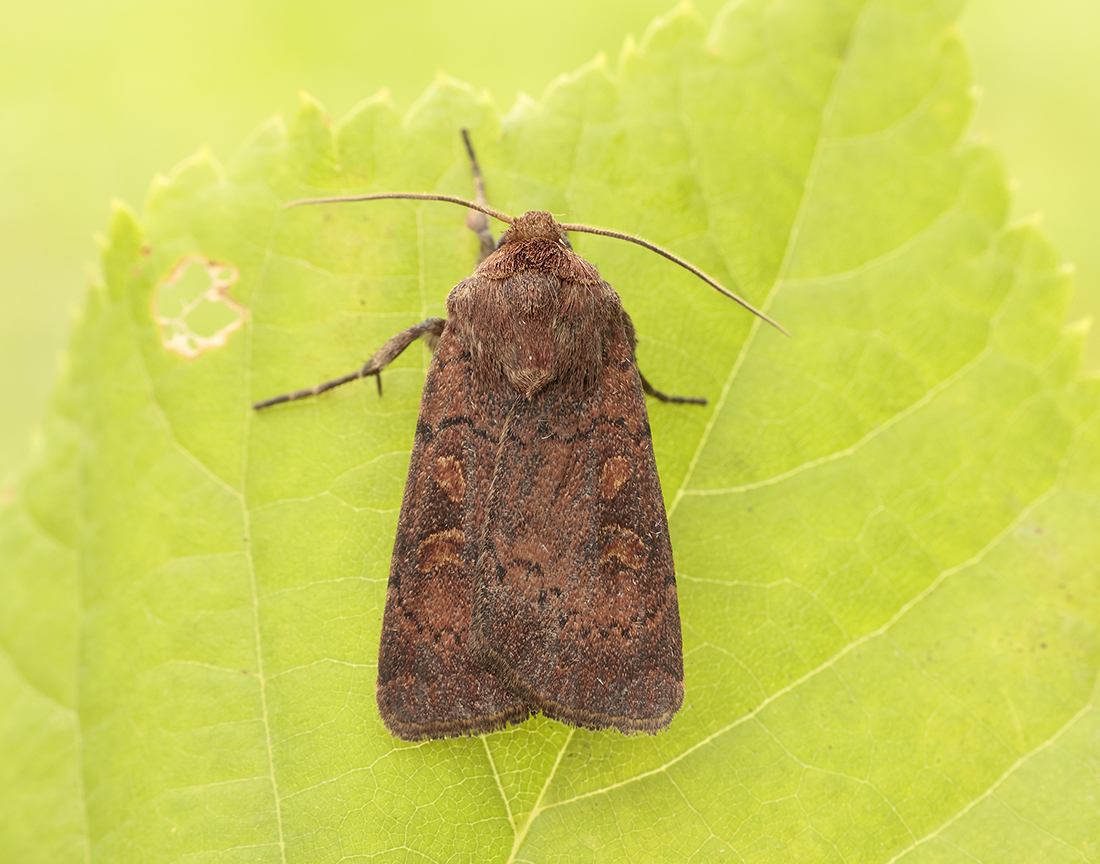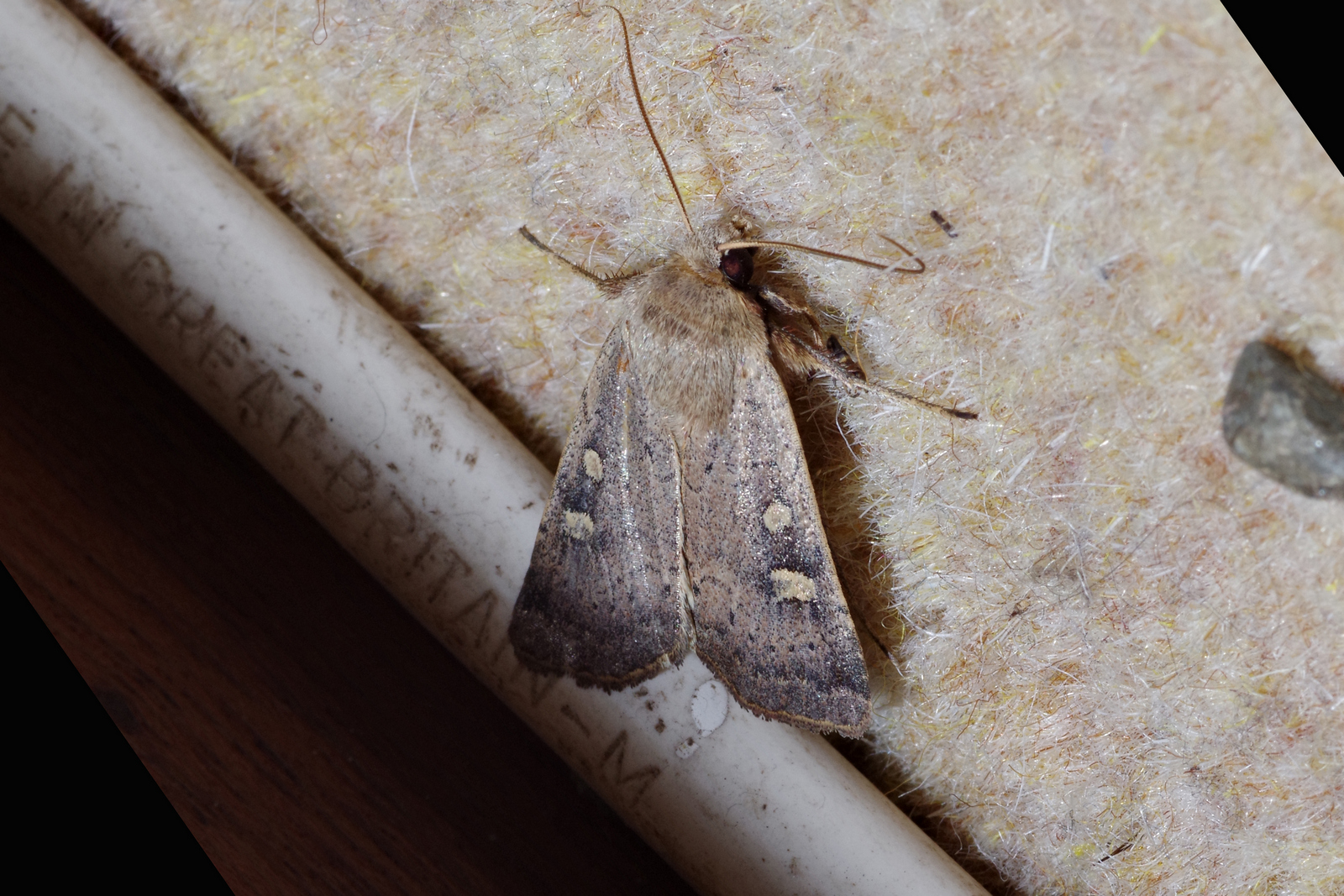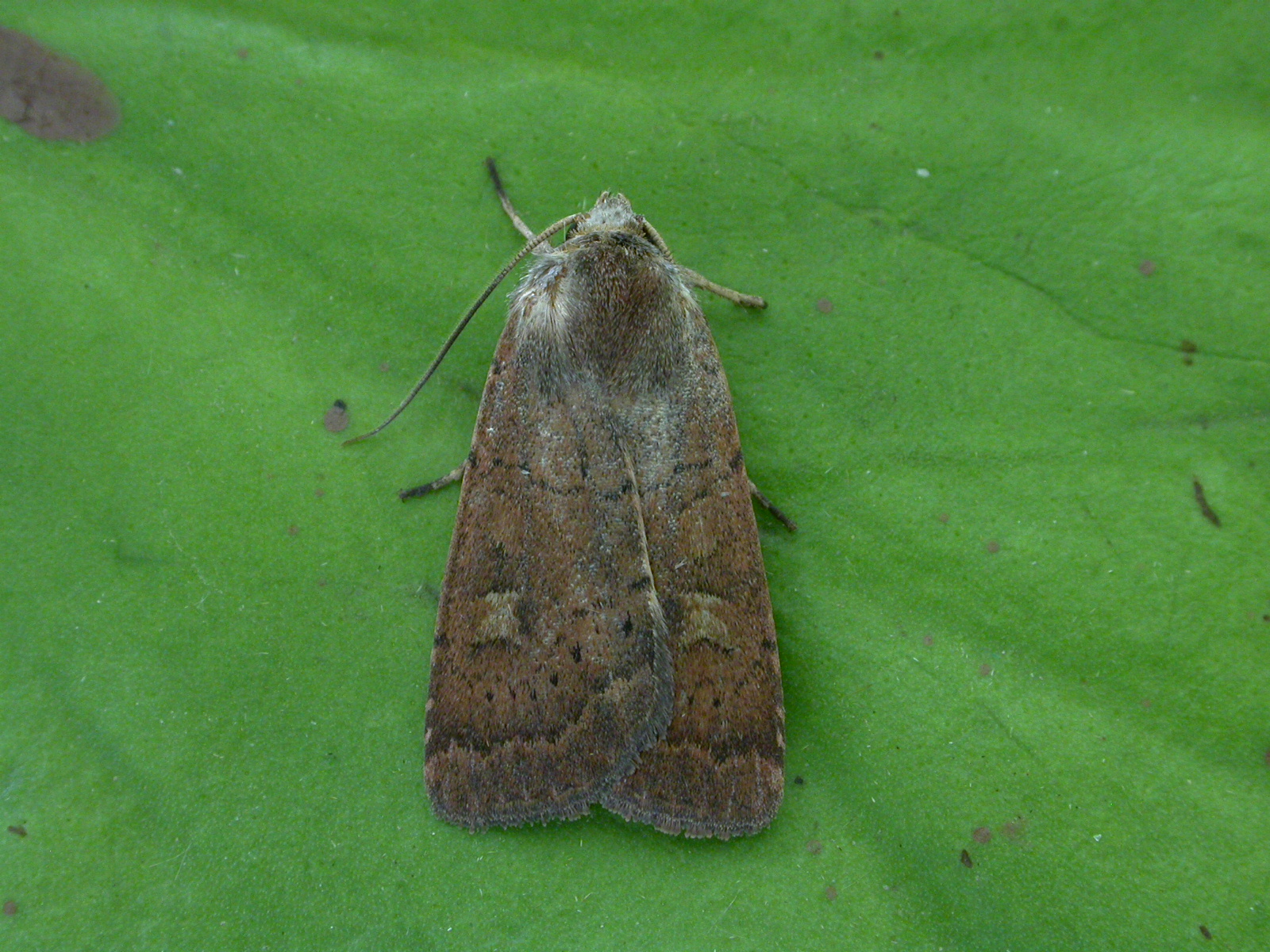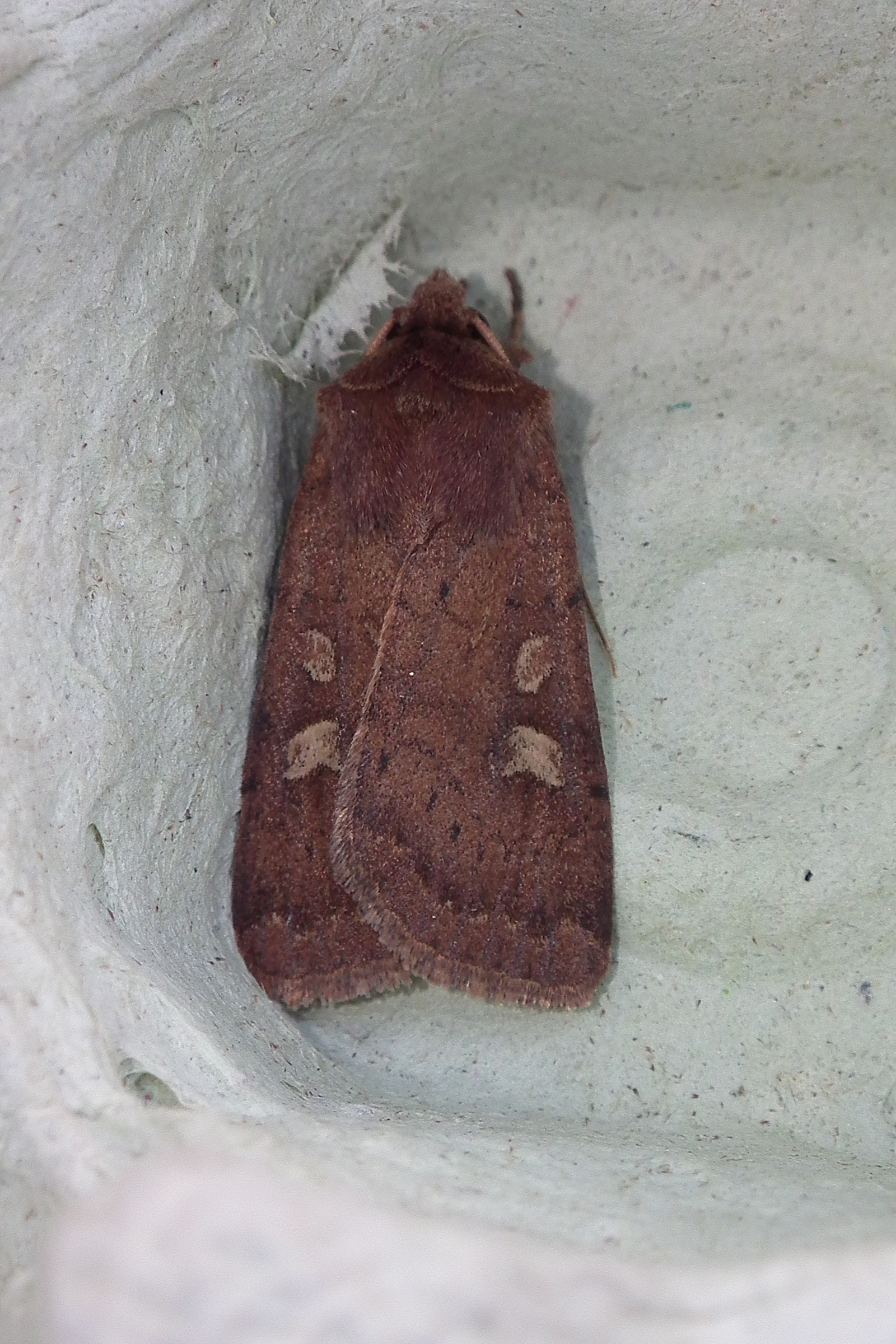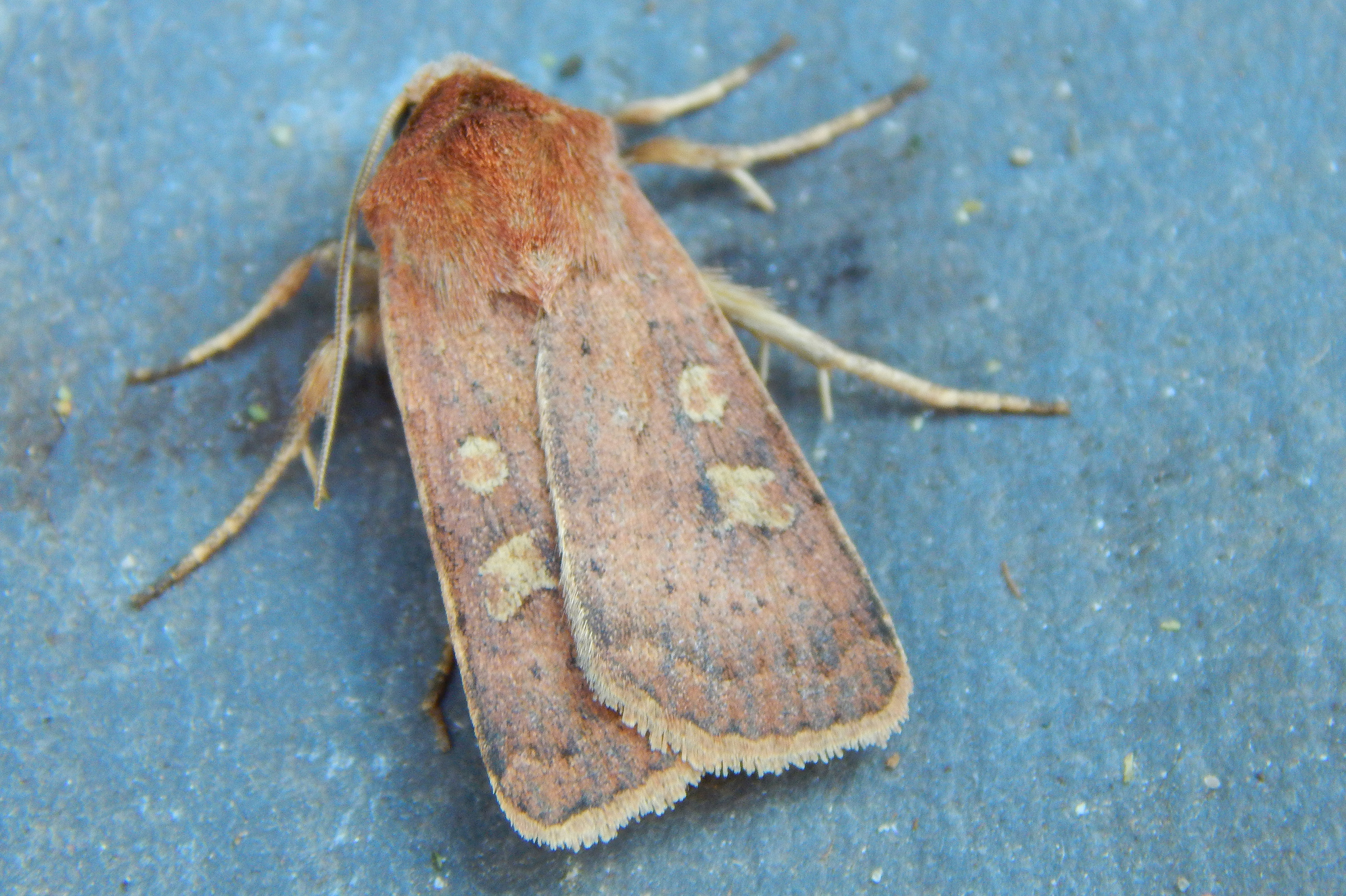

Red List: Least Concern (LC). GB Status: Common.
Identification
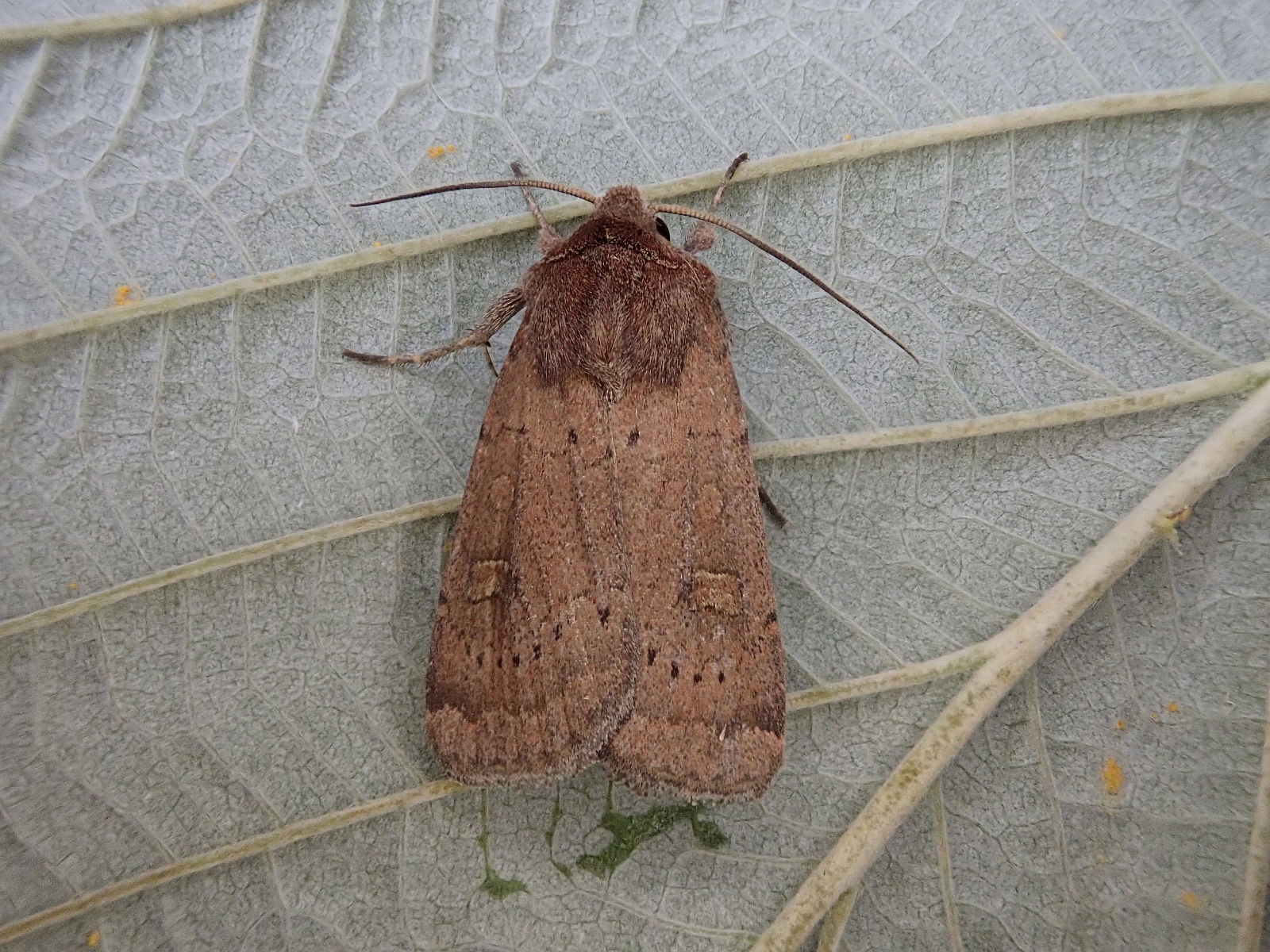
Highly variable but usually distinctive.
Recording Method.
Attracted to light, also comes to sugar and flowers.
Life cycle
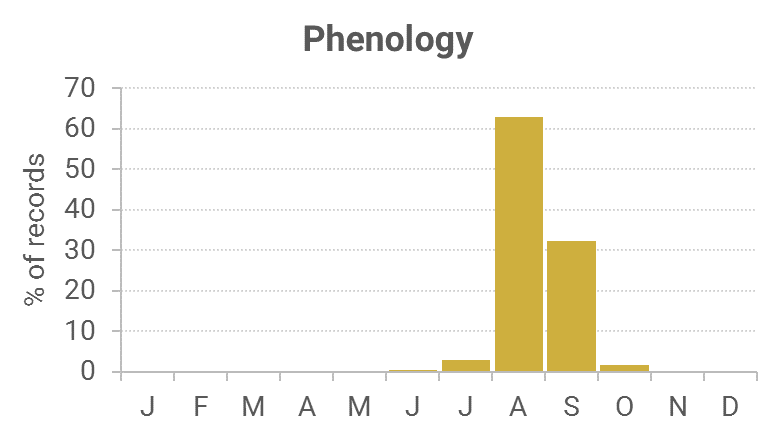
One generation. Overwinters as a larva. Larvae September to April. Pupates in a cocoon underground.
Larval foodplants
Mainly grasses, but also plantains and Cleavers.
Habitat
A wide range of lowland grassland habitats.
History
Douglas Robinson (1870-71) had found it swarming in August on Almorness (VC73). K. J. Morton of Edinburgh (1900) while on a visit in July 1899 to Wigtownshire had found this species in the Monreith area. Gordon (1913) had found it common everywhere, often abundant, and very variable from 27th July.
William Evans received specimens from Mowat, the Killantringan lighthouse keeper during 1913-15 to aid his insect migration studies.
Archibald Russell (1944) listed it as occurring near Gatehouse of Fleet (VC73) during the years 1942-43. Sir Arthur Duncan (1909-84) during his lifetime had found it at Closeburn and Tynron (VC72).
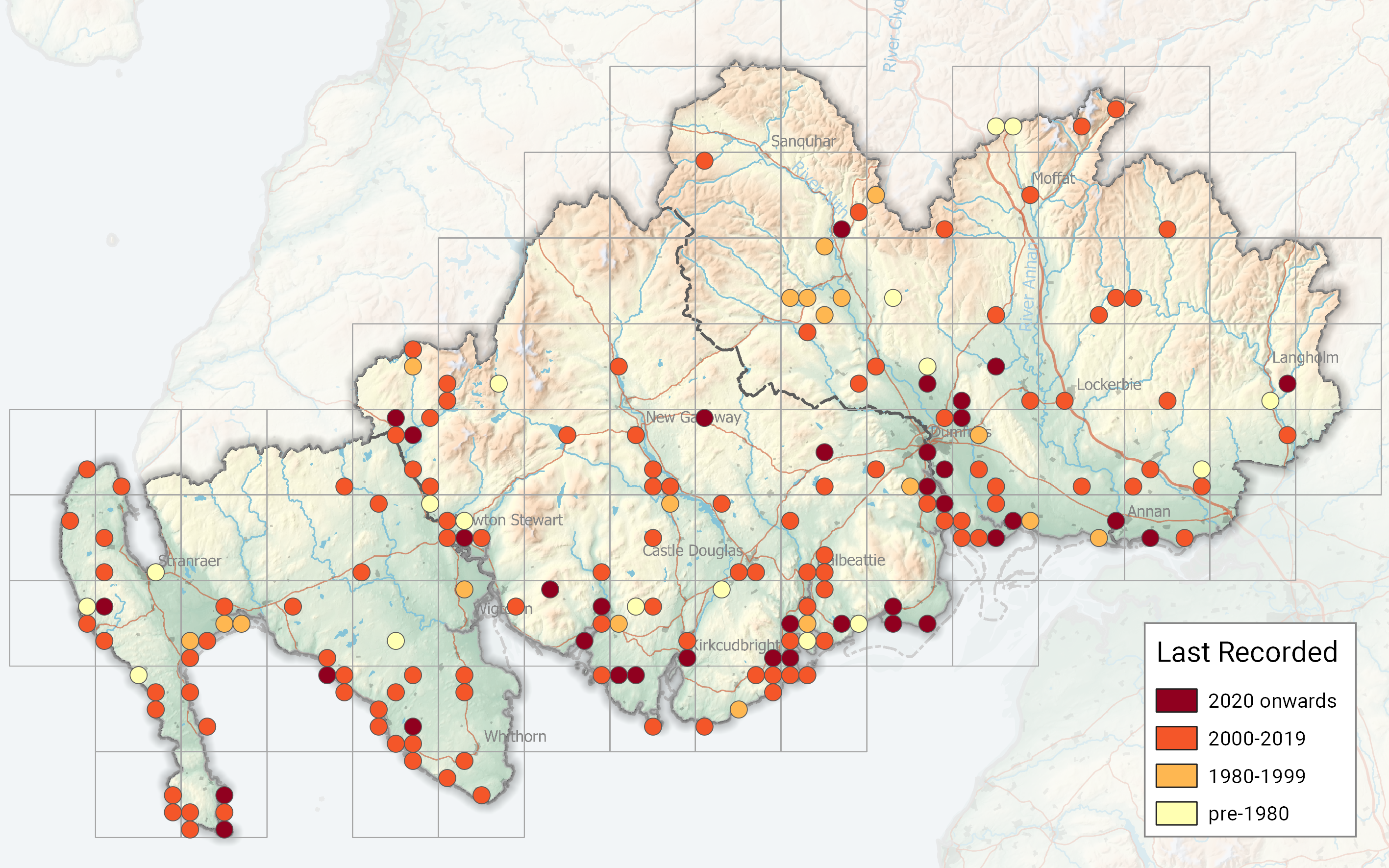
A fine series was trapped in 1973 at Irvine House Lodge, Auchenrivock, Dumfriesshire. Then, during 1974-93 two hundred records were provided from all seven Rothamsted station, proving it to be a widespread species.
From 1987 to 2010 the regular trapped sites at Kirkton, Cally Woods and Mersehead RSPB provided one hundred and fifty records of the three hundred and fifty records in that period, with the rest from widely scattered sites across the region.